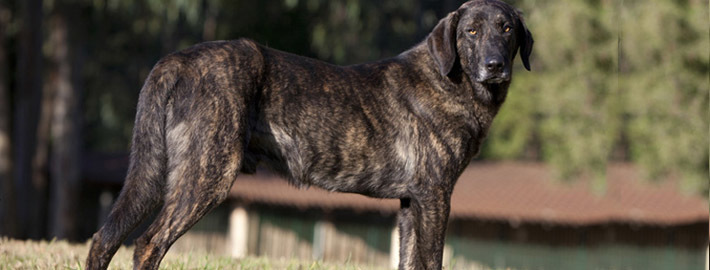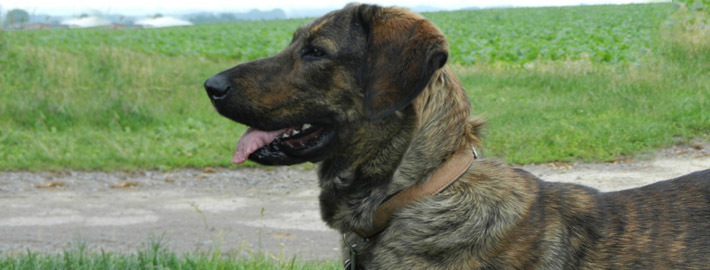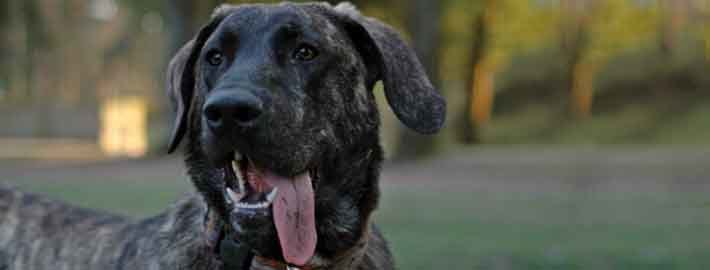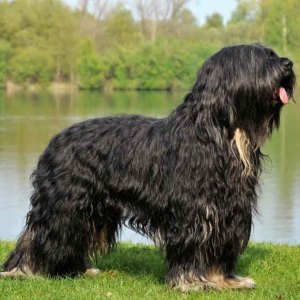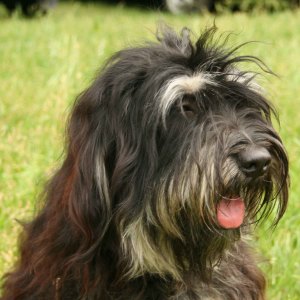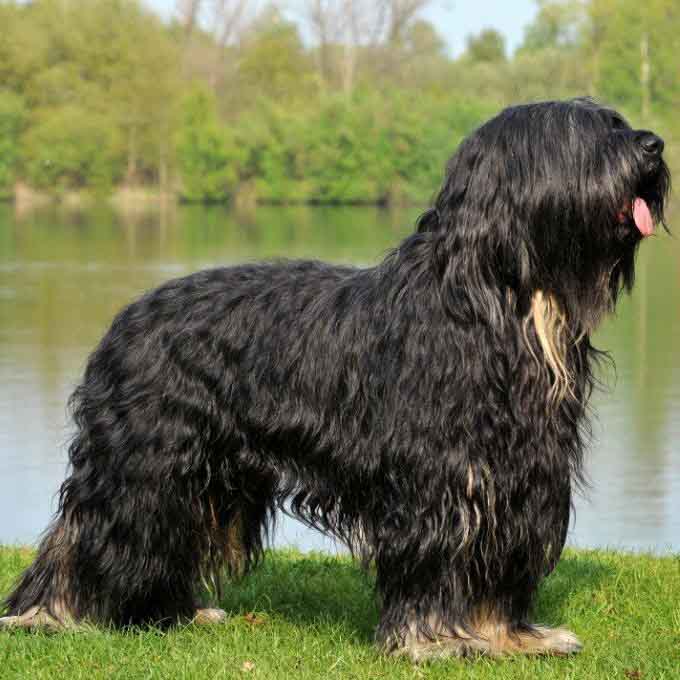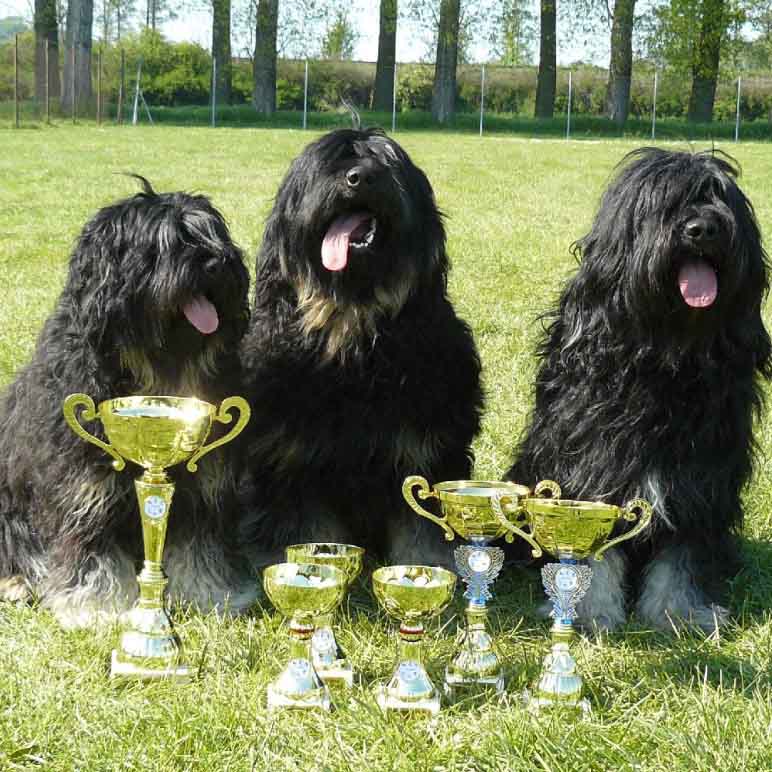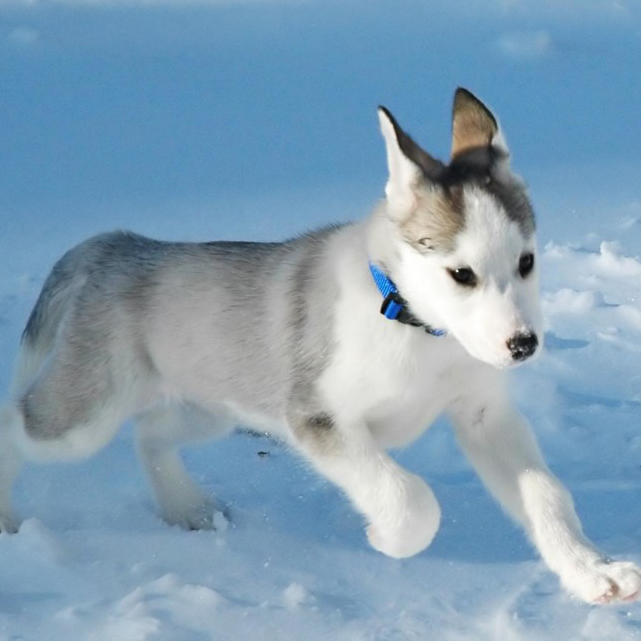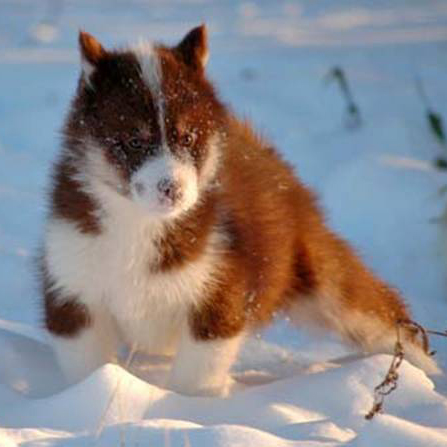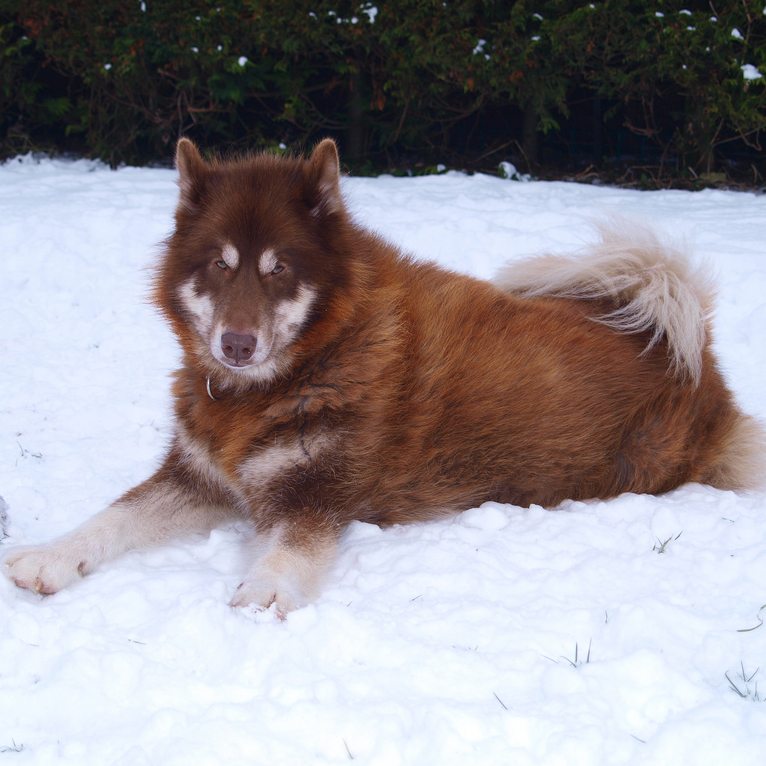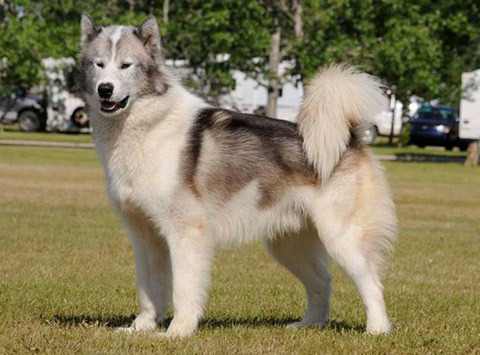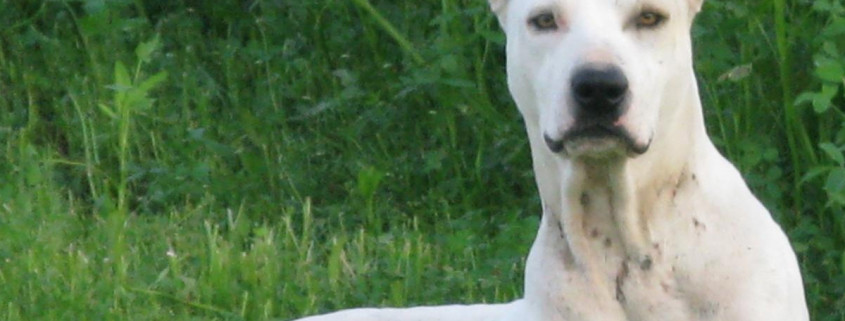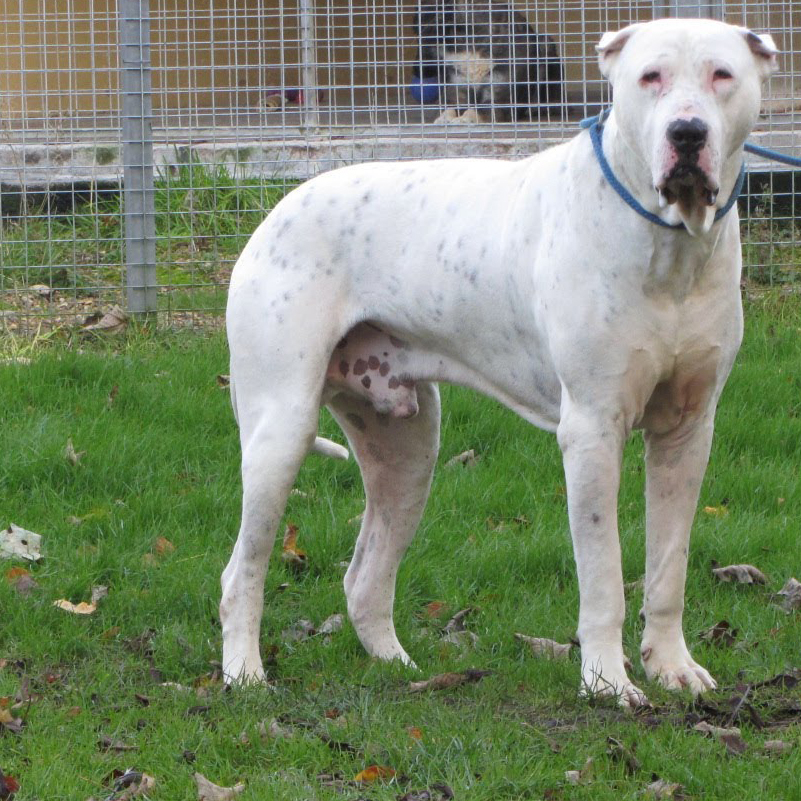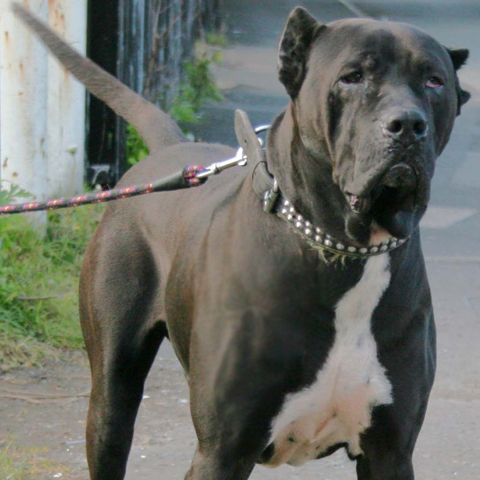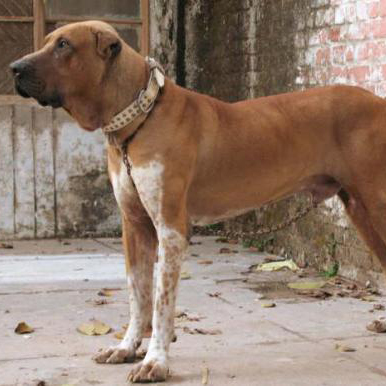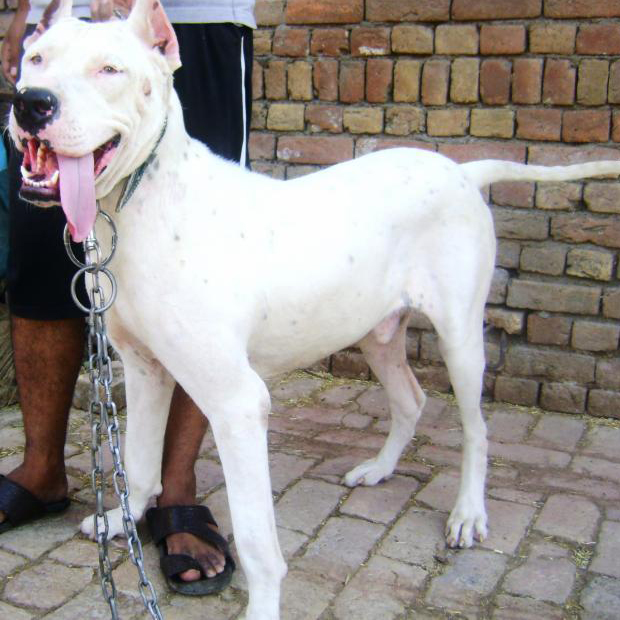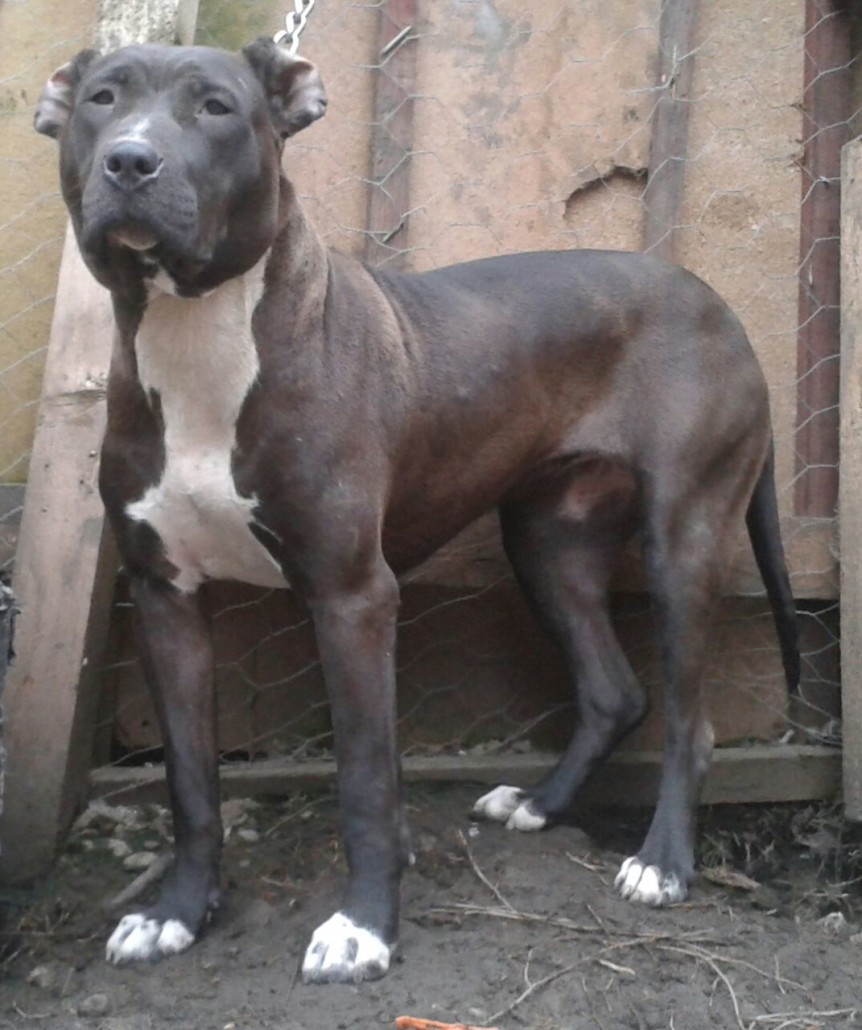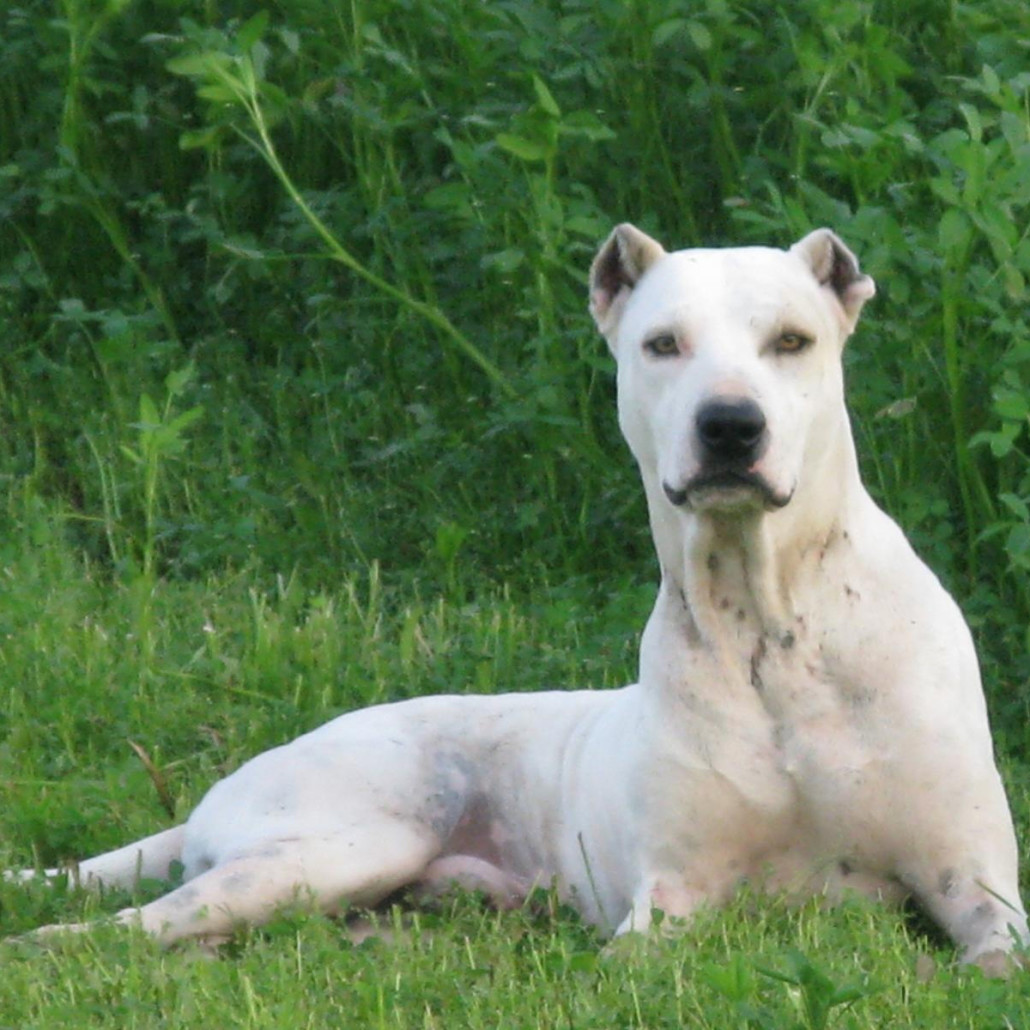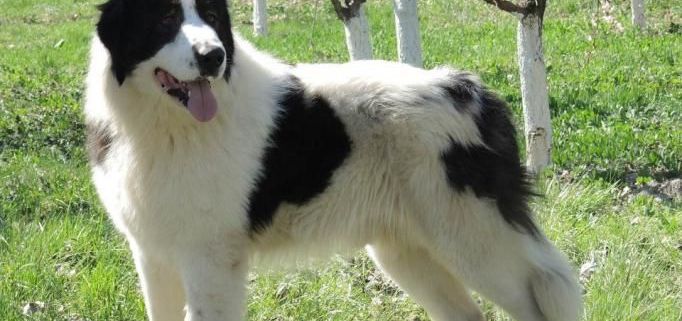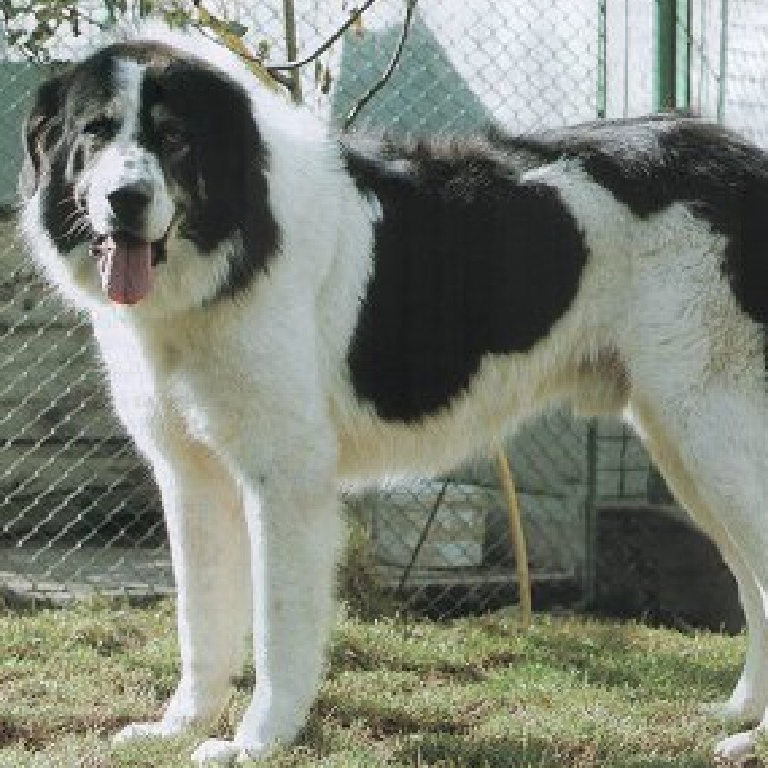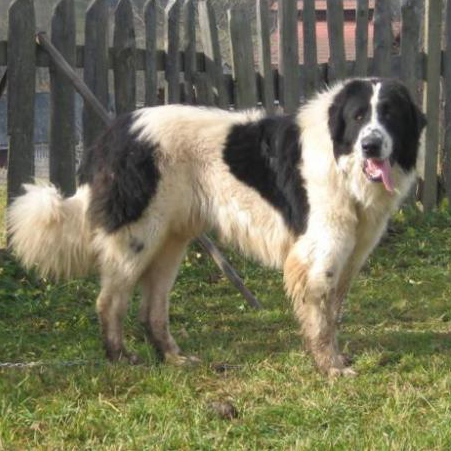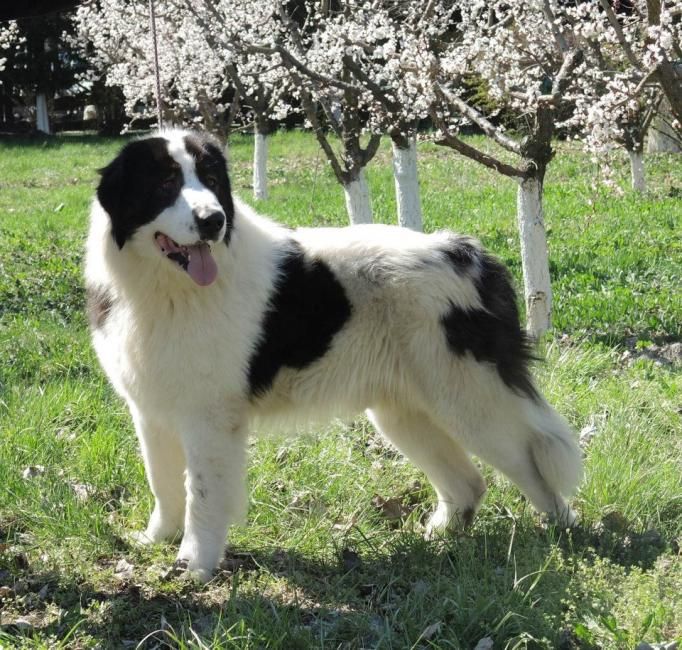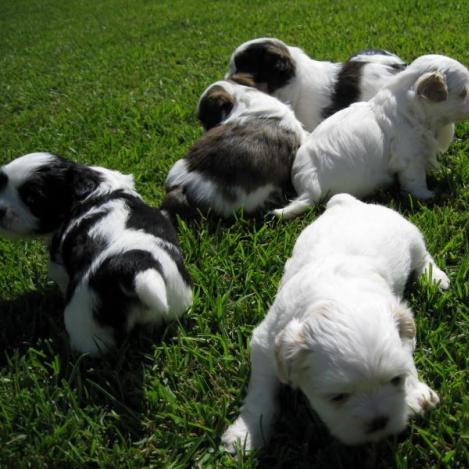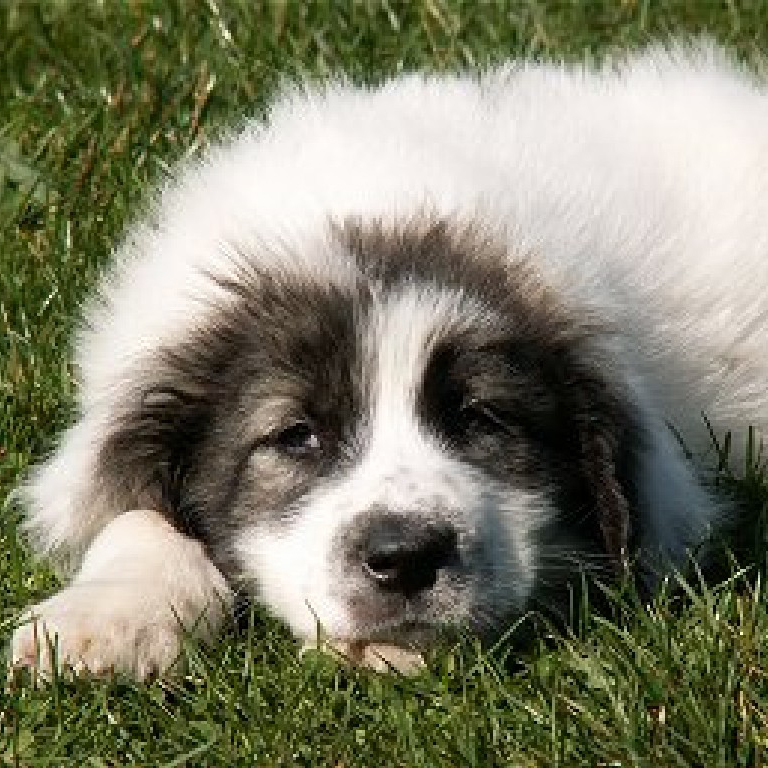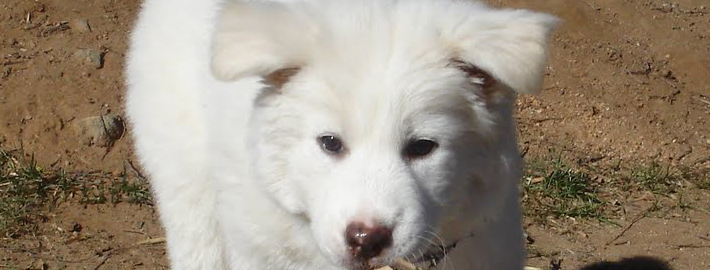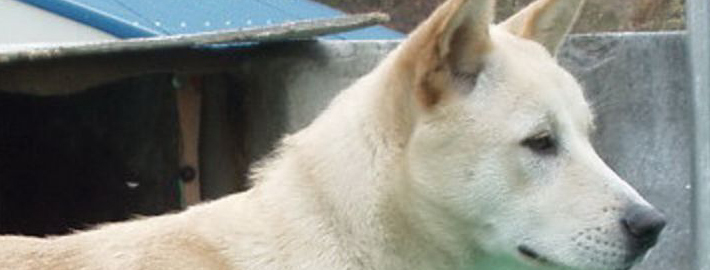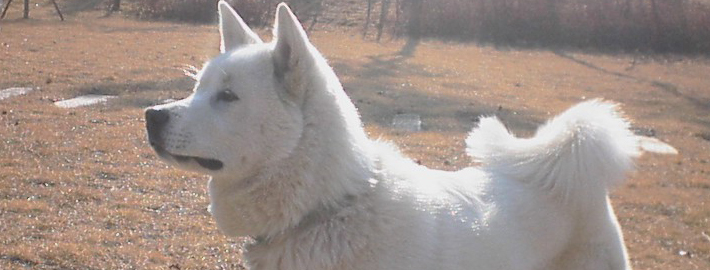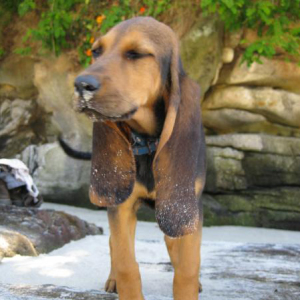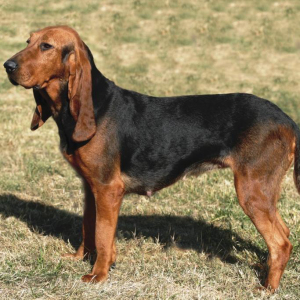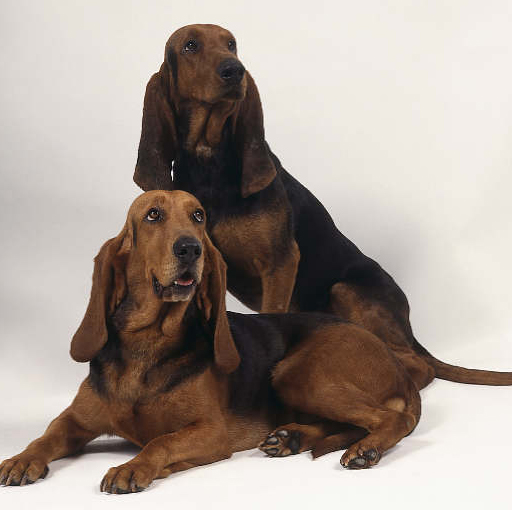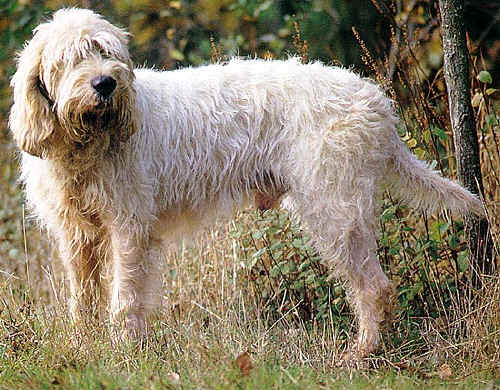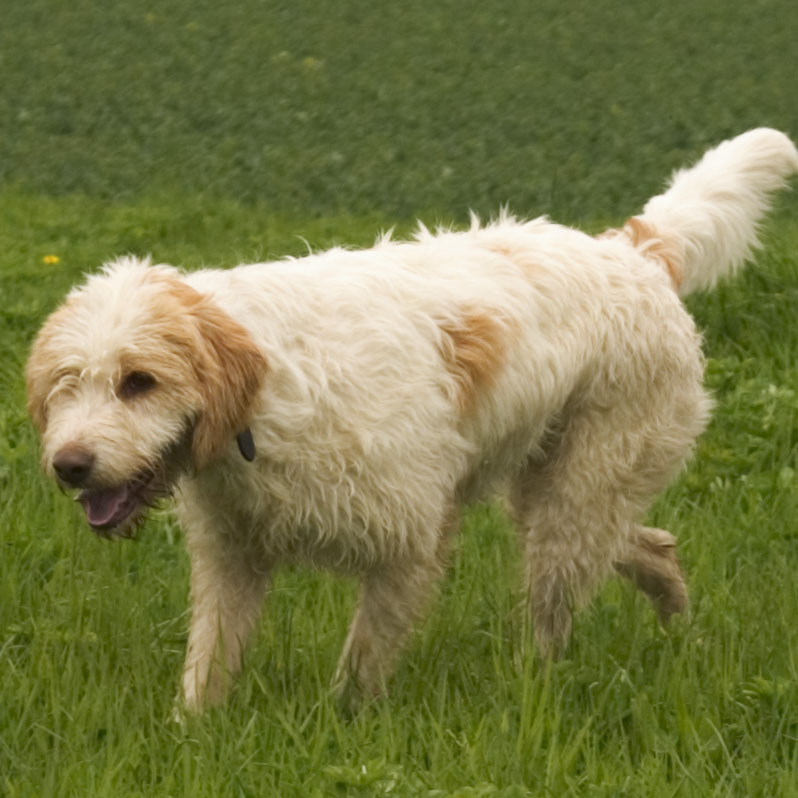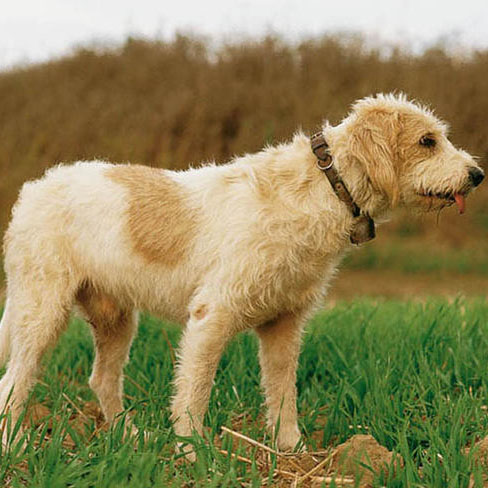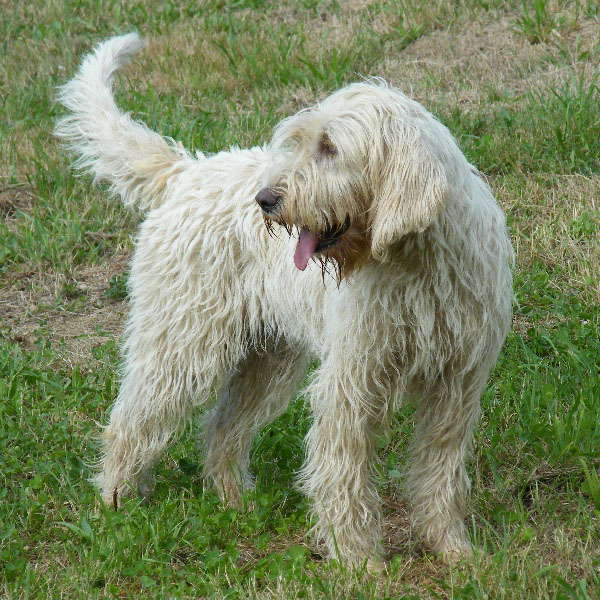
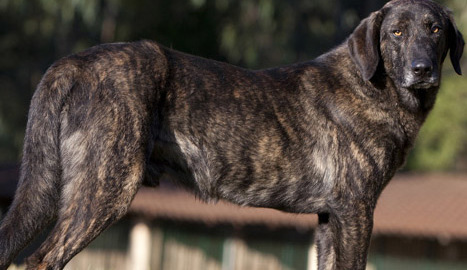
Cão de Castro Laboreiro

Cão de Castro Laboreiro – The Protector

What makes the Cão de Castro Laboreiro Unique?


While having a unique or rare dog variety as a pet might sound appealing to some people, prospective dog owners should always know what they are getting themselves into before committing to a new pet. After all, Cao de Castro Laboreiros are large dogs that require plenty of space, a task to perform, and an experienced handler in order to thrive.

SnapShot

Size: Males – 51 – 60cm (20 – 24 inches)
Females – 51 – 60cm (20 – 24 inches)
Weight: Males – 25 – 40 kg (55-90 pounds)
Females – 25 – 40 kg (55-90 pounds)
Origin: Portugal
Life Span: 10 – 12 Years
Colour: Dark wolf colour, light wolf colour
Litter Size: 5 to 10 puppies

Is the Cão de Castro Laboreiro Right For You?


Cao de Castro Laboreiros typically get along quite well with members of their own families, including the children, but they can be somewhat aggressive towards unfamiliar people. Members of this breed typically live with the other animals that they are supposed to be protecting and constantly patrol their estates for threats to the safety of their charges. Anyone or anything a Cão de Castro Laboreiro does not immediately recognize will be watched from the moment he, she, or it enters the dog’s domain.

In 5 Words


  • Flock Guardian
  • Intelligent
  • Dominant
  • Respectful
  • Brave

Fun Fact

“DOG FROM CASTRO LABOREIRO”, REFERS TO A SMALL TOWN, CASTRO LABOREIRO, IN THE FAR NORTH OF PORTUGAL.

Characteristics


Exercise
Friendliness
Trainability
Watchdog
Health Issues

Learn About the Cão de Castro Laboreiro


Description

Description

General Description

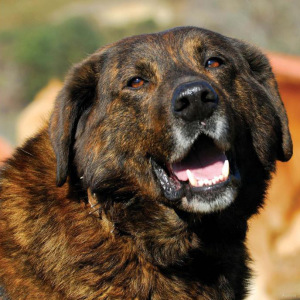
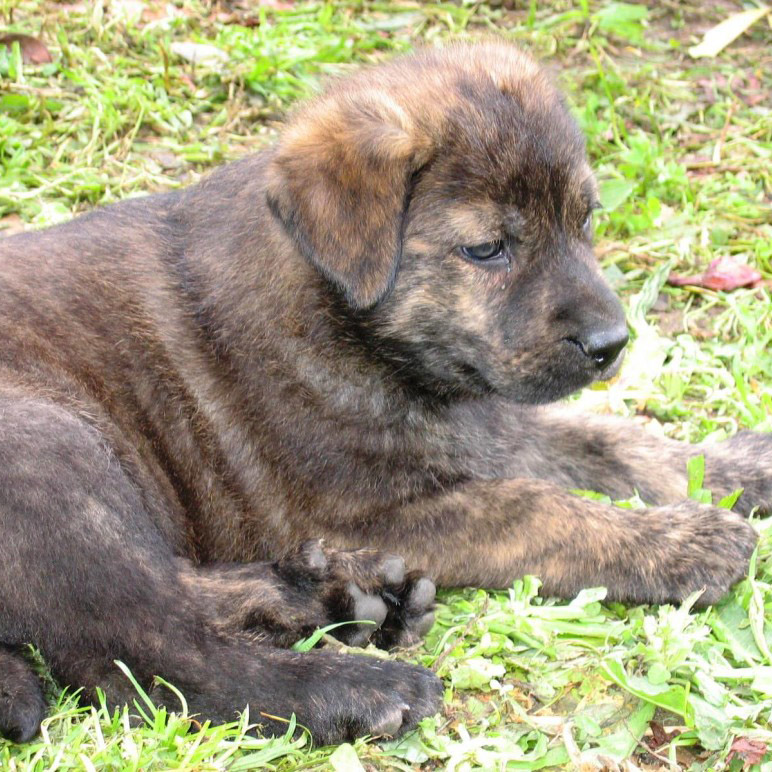
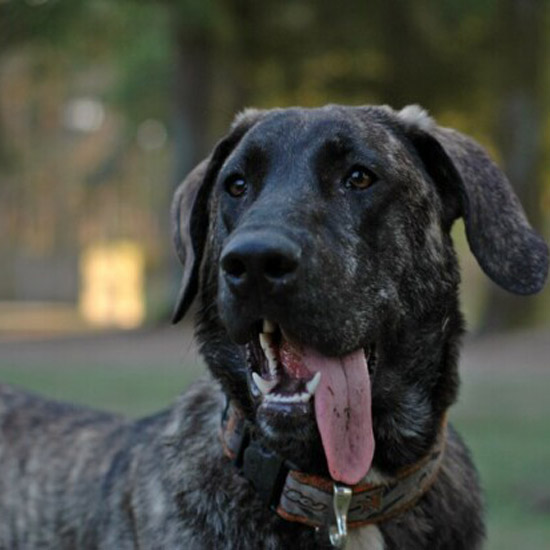
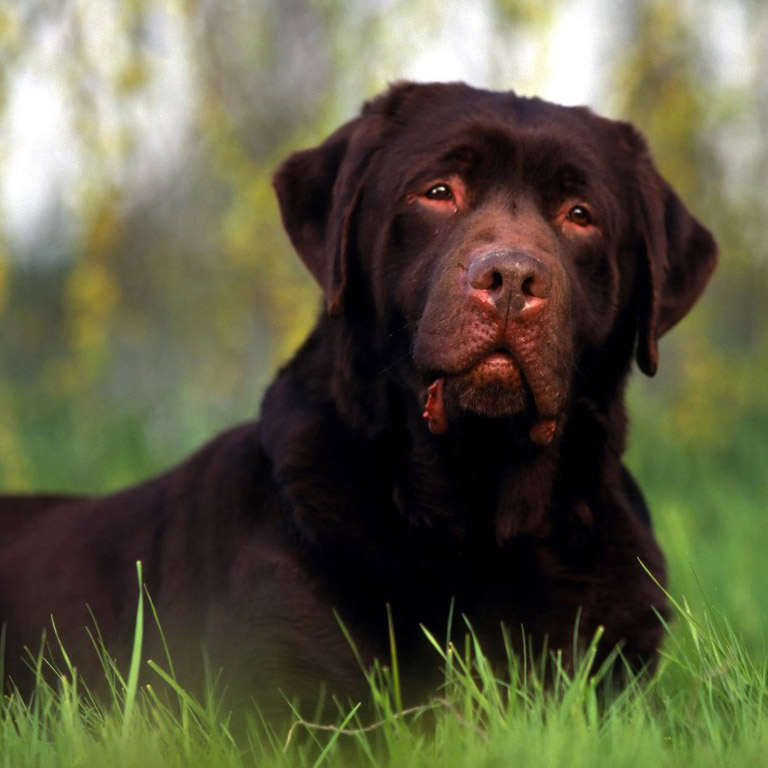
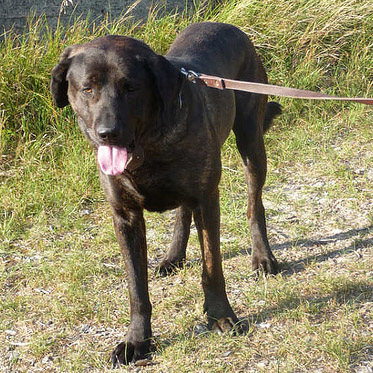
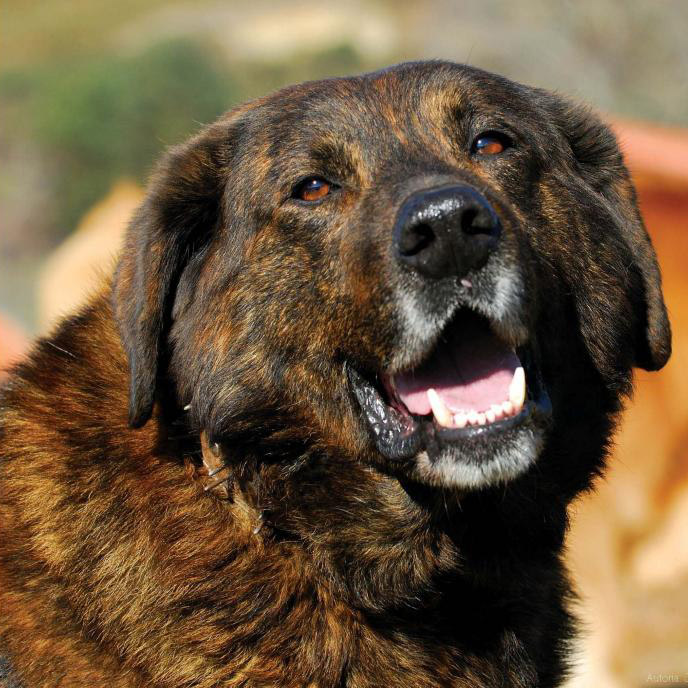
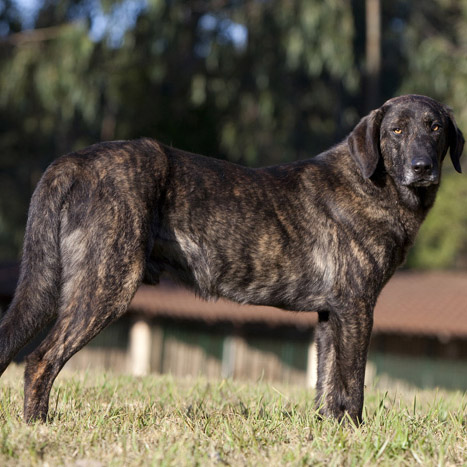
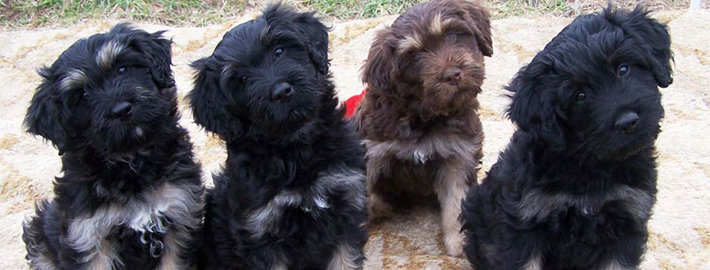
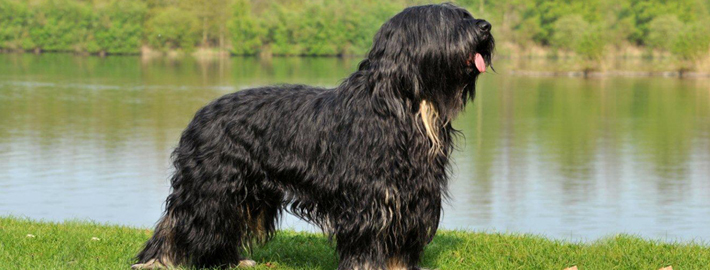
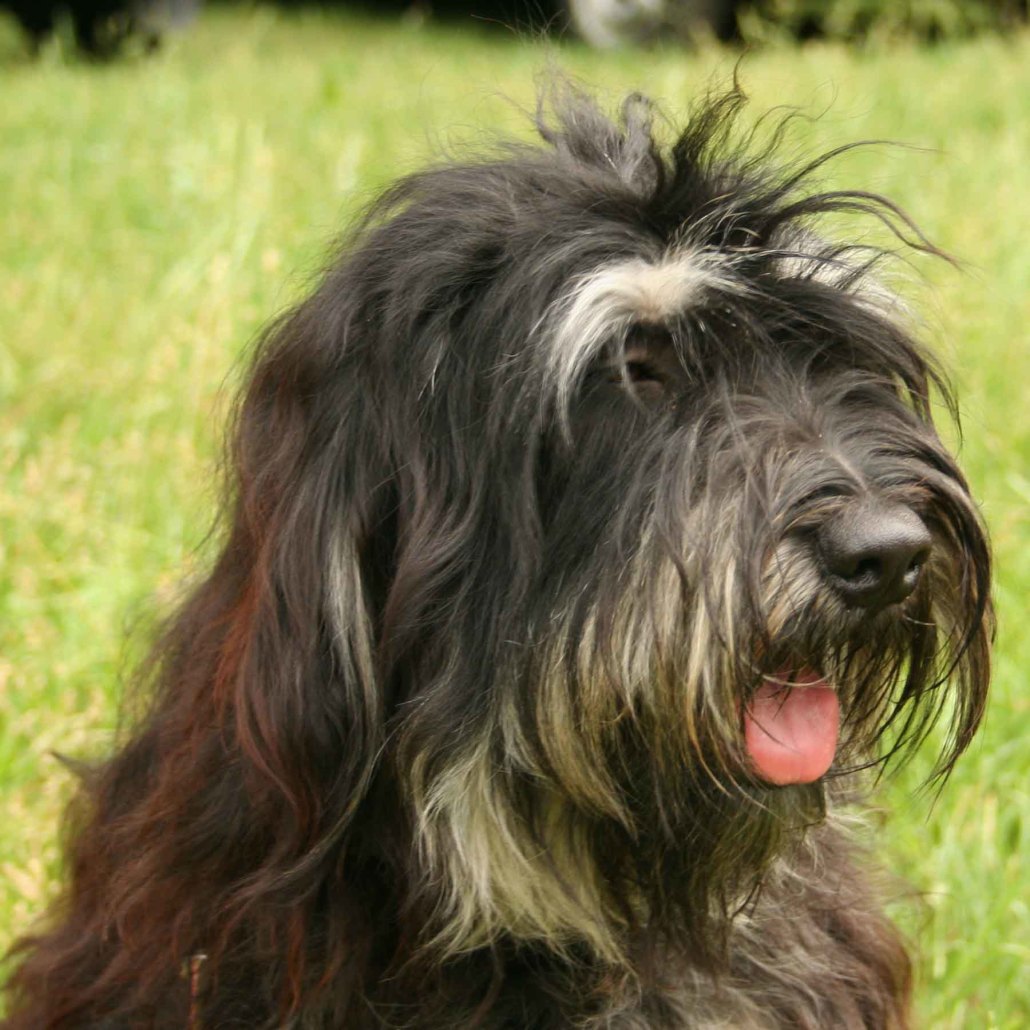
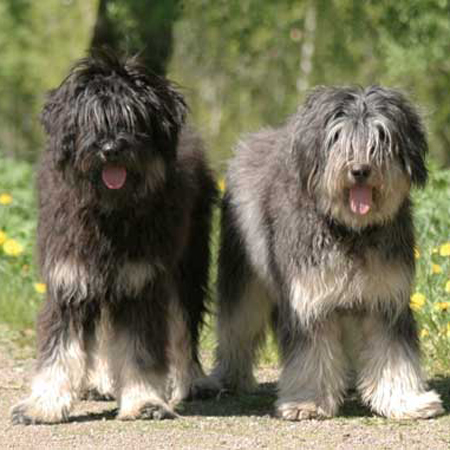
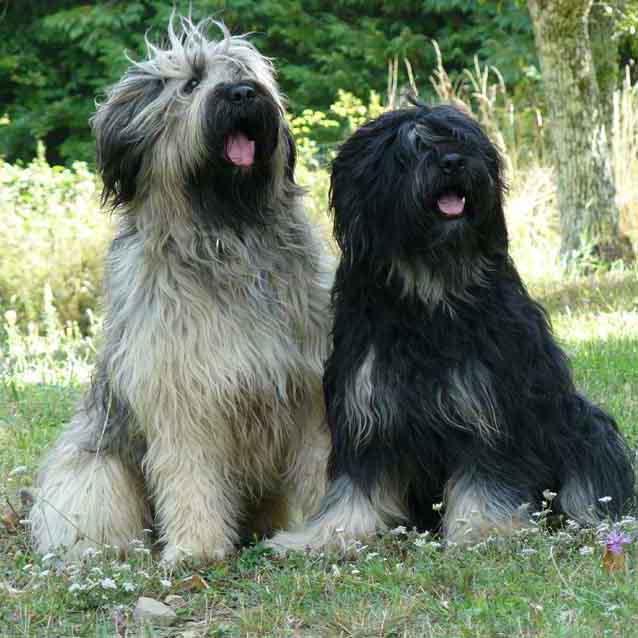
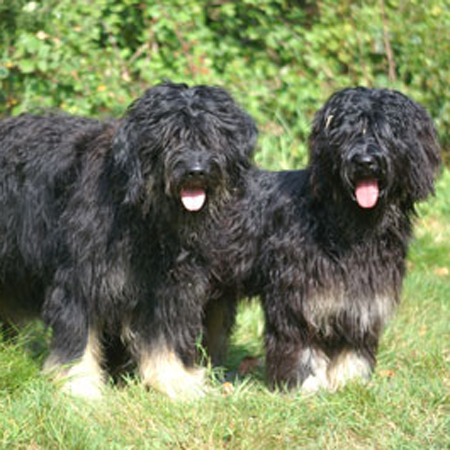
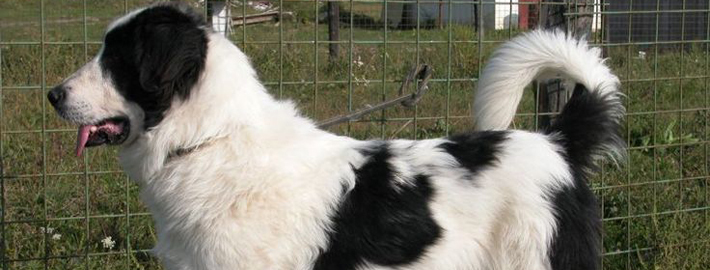
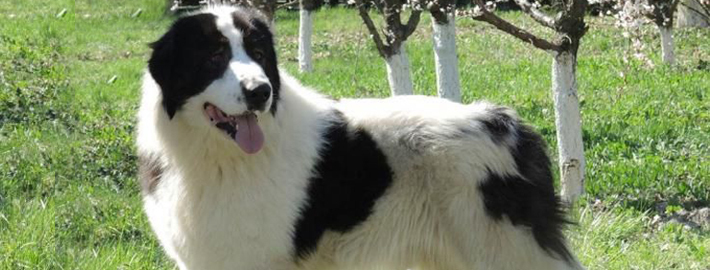
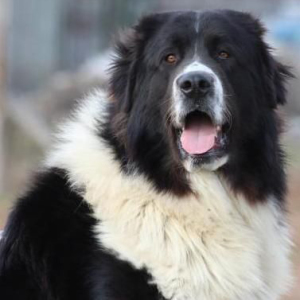
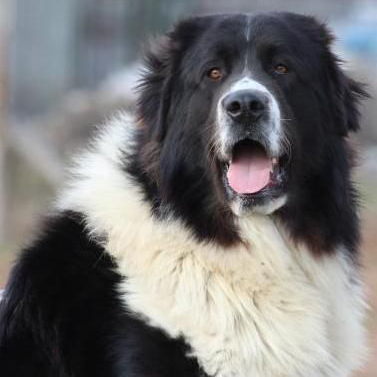
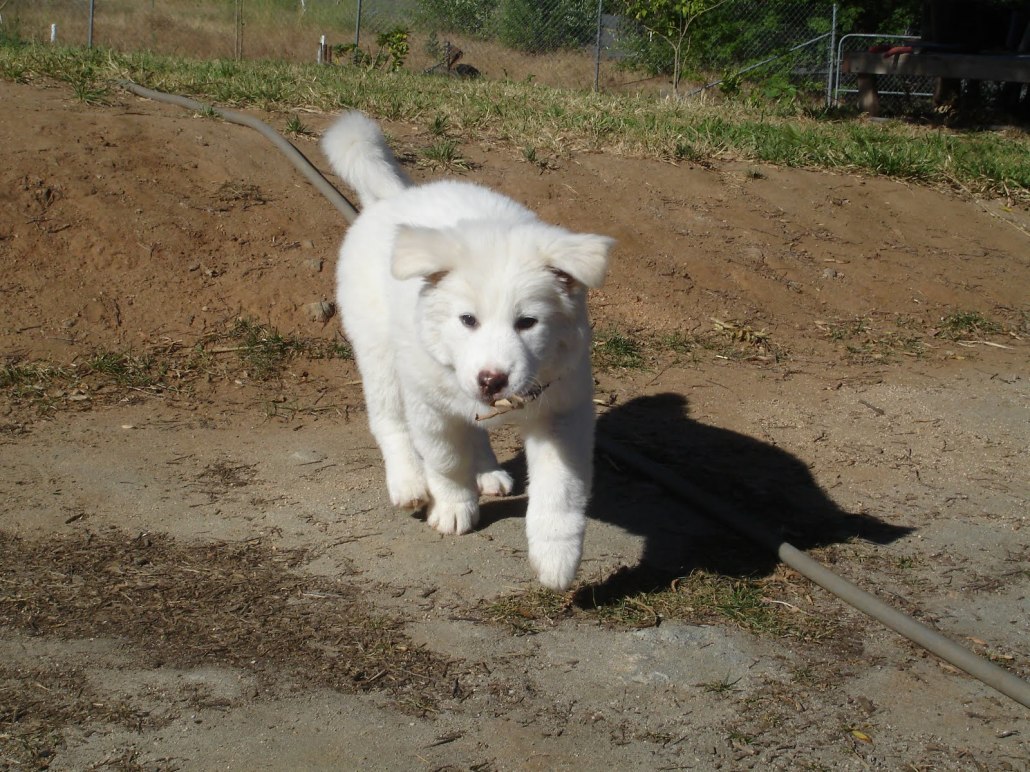
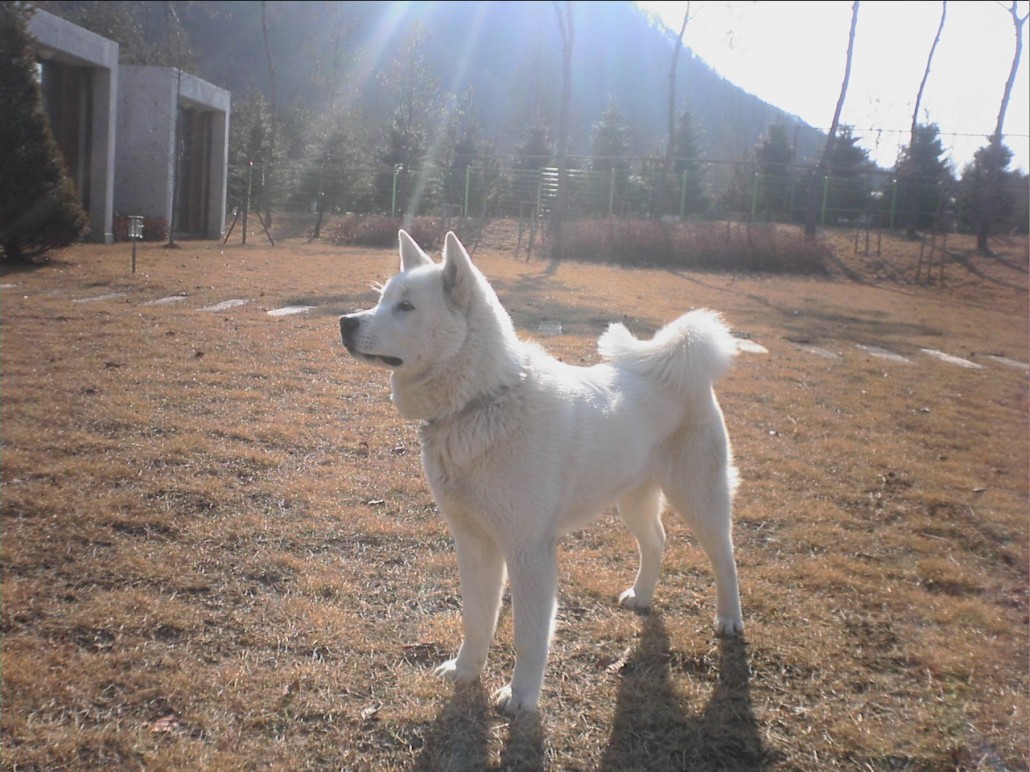
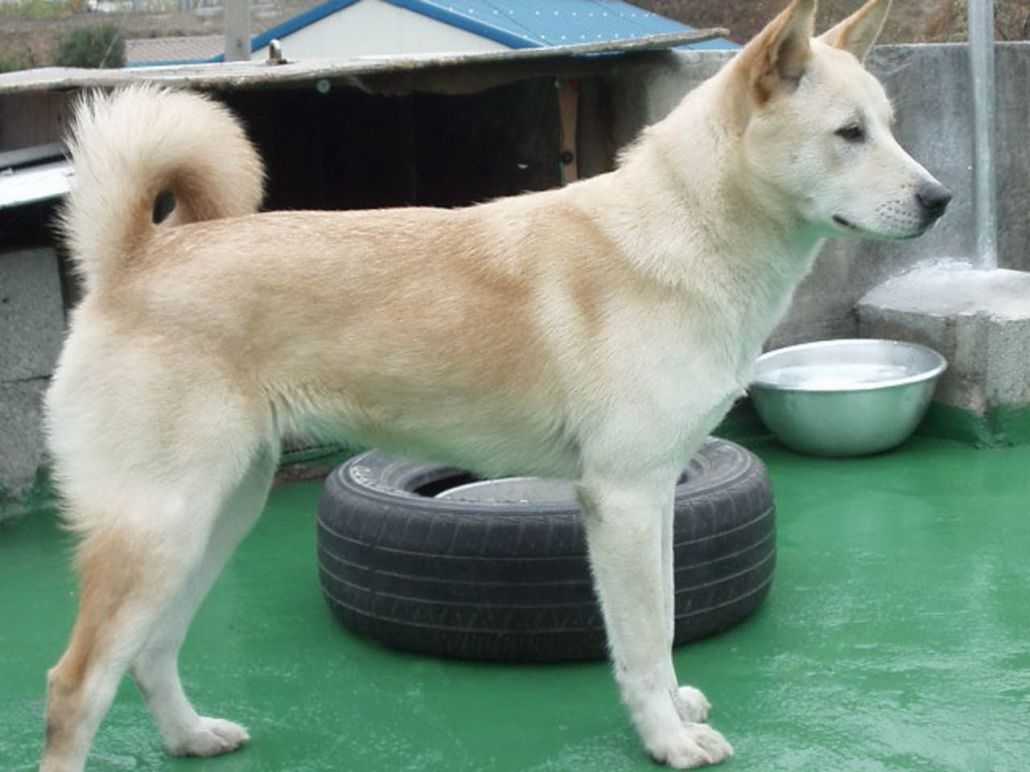
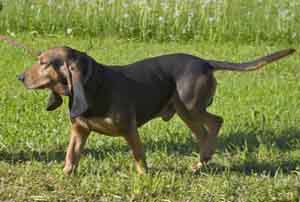
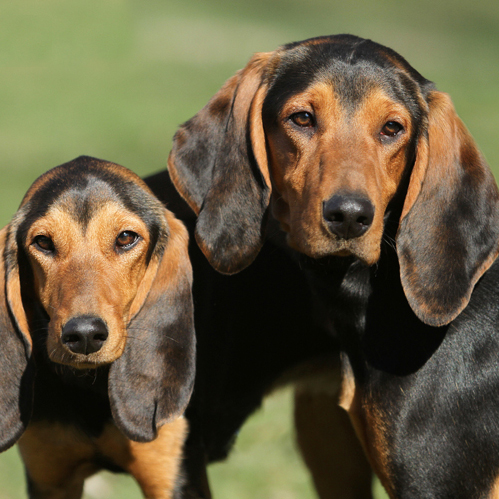
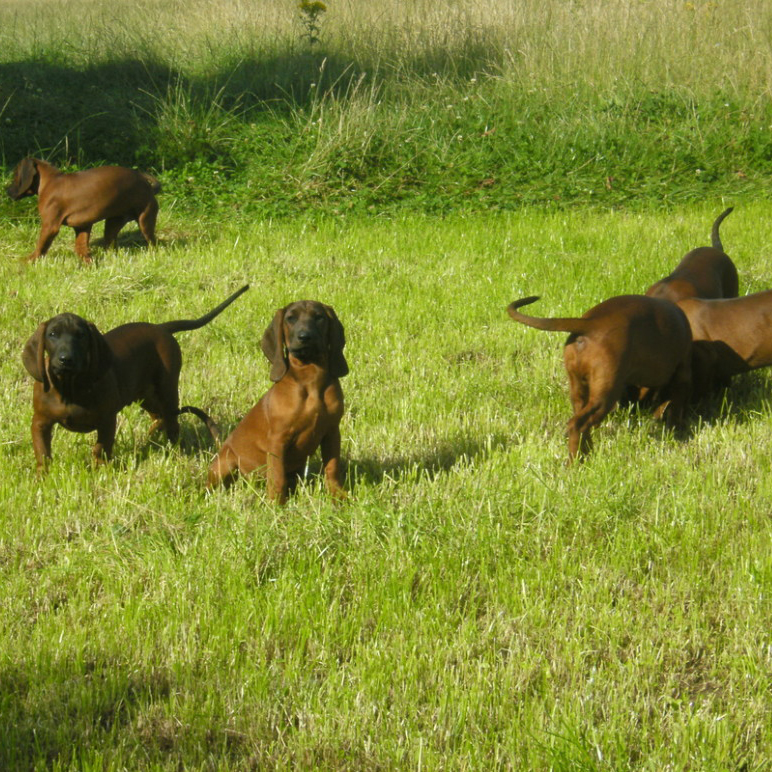
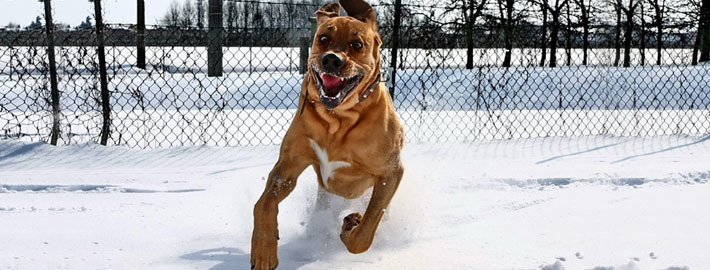
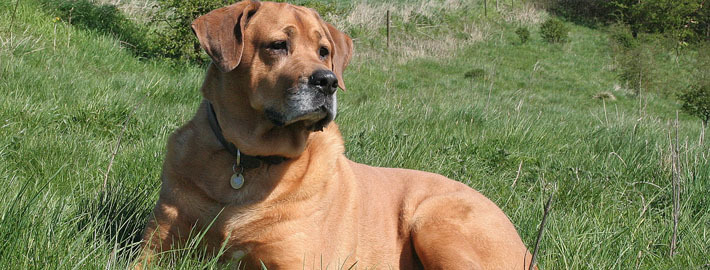
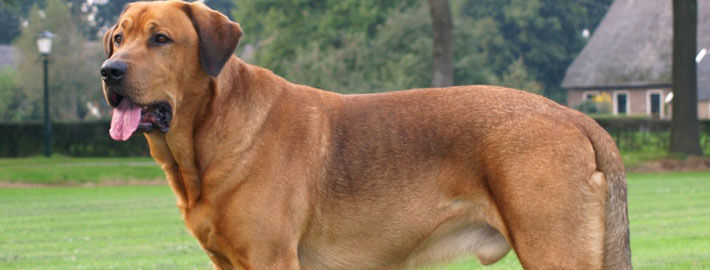
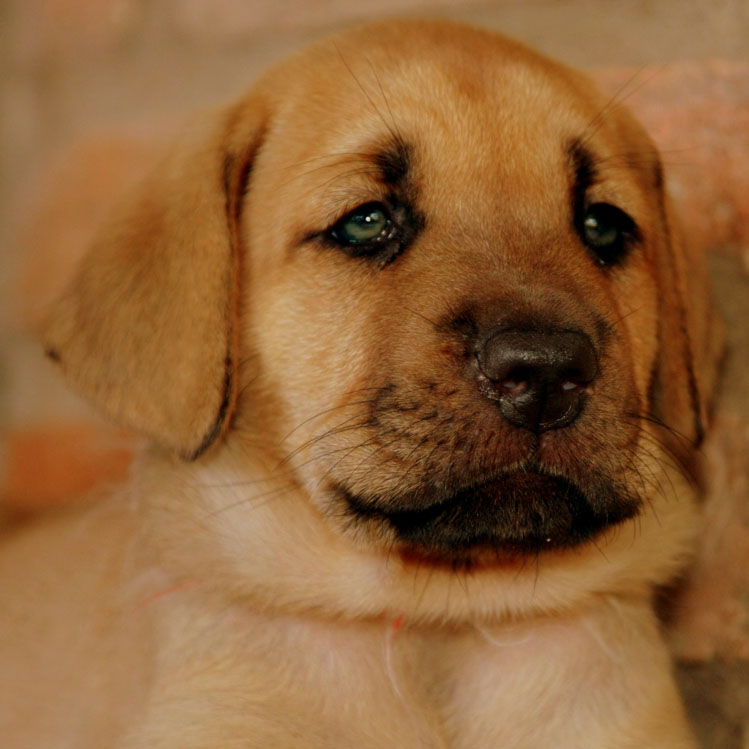
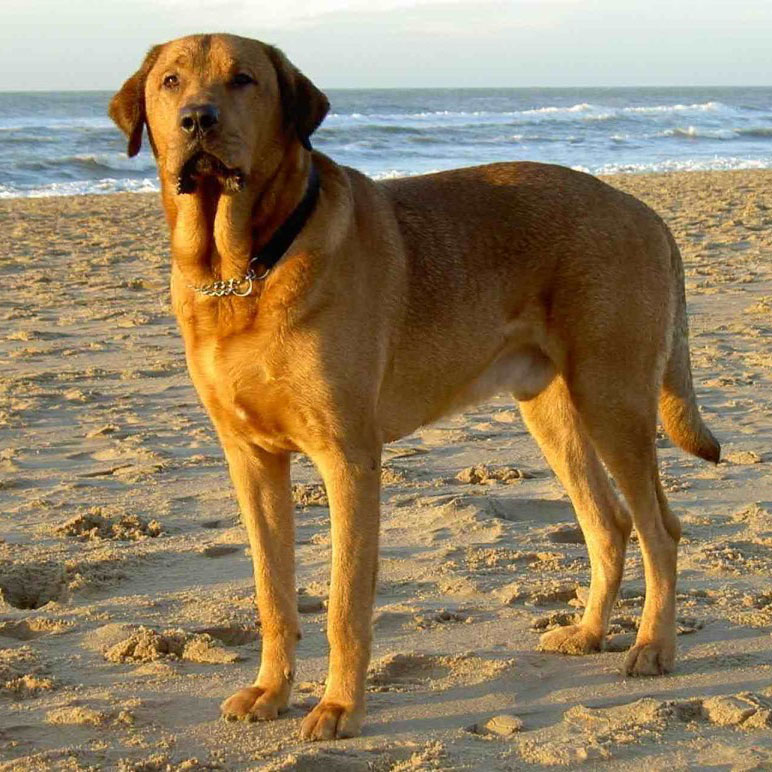
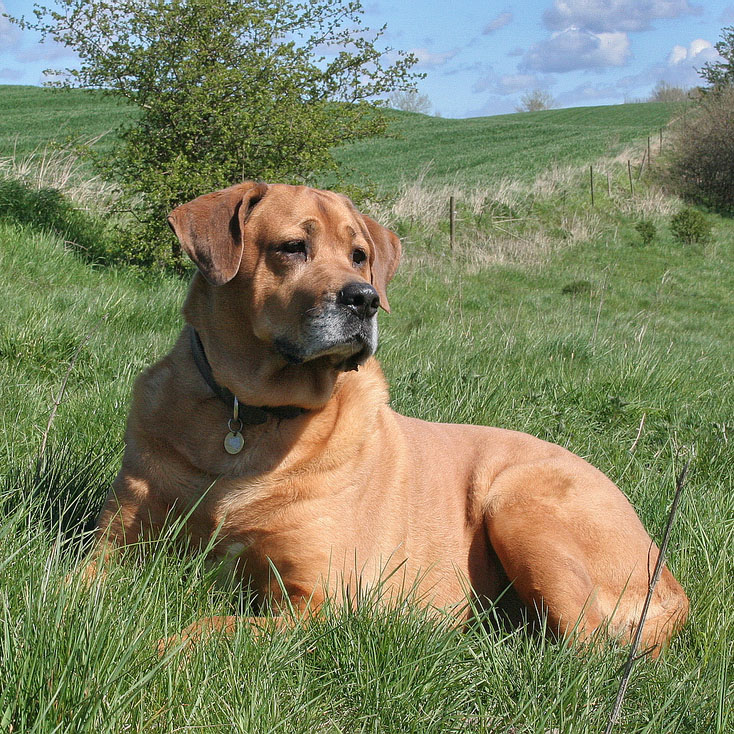
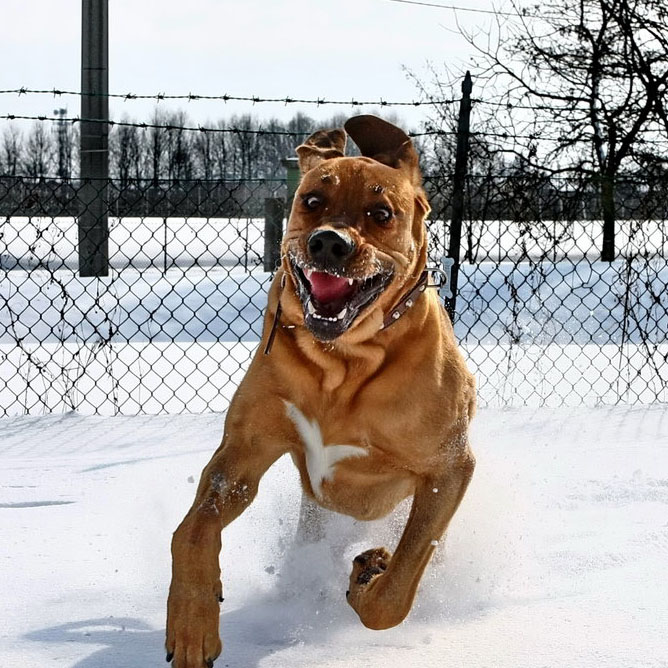
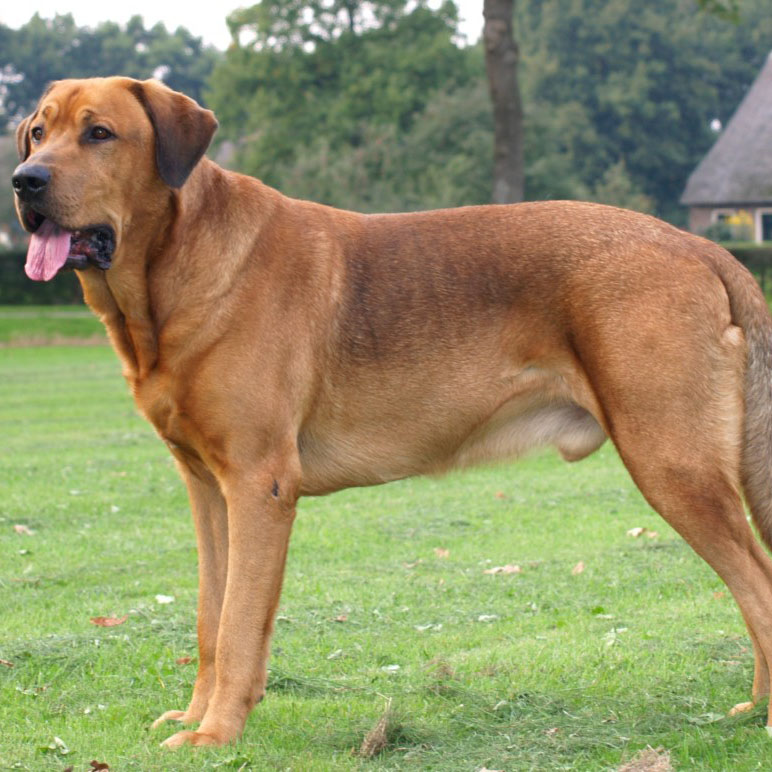
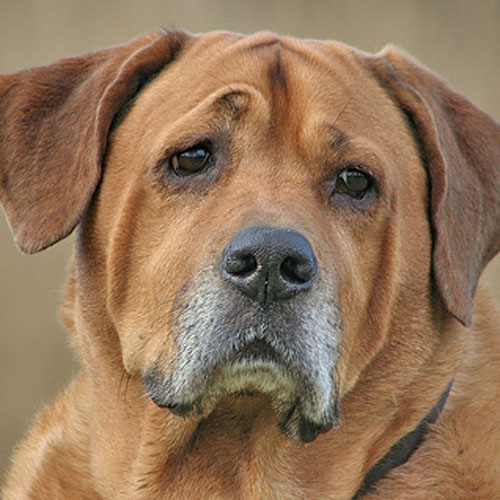
Cao de Castro Laboreiros are large dogs with powerful, rectangular bodies. While these dogs are considered to be a part of the mastiff family, they do not have the extremely exaggerated features that otherwise categorize the group. In fact, Cao de Castro Laboreiros often resemble Labrador Retrievers or German Shepherds. However, the former breed is not as standardized in appearance as the latter two varieties. In keeping with their purpose as working animals, Cao de Castro Laboreiro are hardy animals that don’t often put on a lot of weight. These dogs also have long, curved tails that are carried high but these appendages should not extend over the back of the animal in question. Members of this breed also typically move with an energetic, free-flowing gait.

Size

Males of this breed stand an average of 21.5 to 23.5 inches tall. Females are somewhat shorter at 20.5 to 22.5 inches in height. Dogs of both genders typically weigh somewhere around 45 to 80 pounds.

Coat

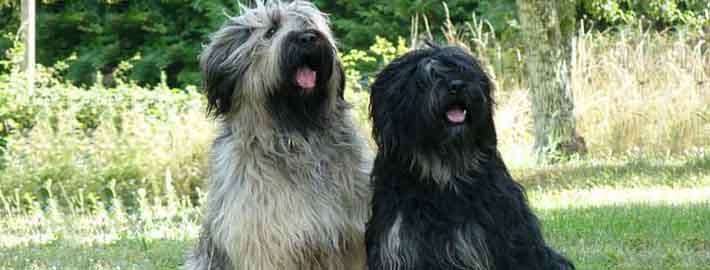
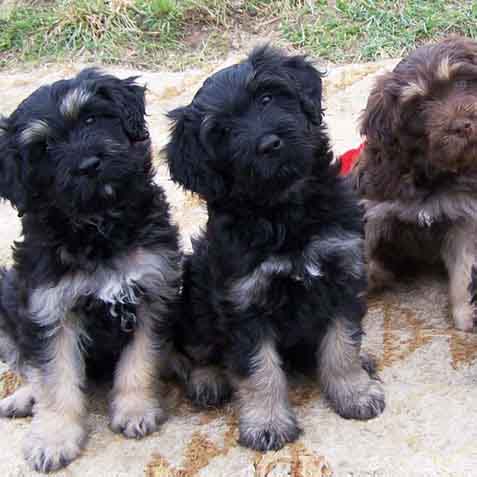
The most popular shade for members of this breed is wolf grey in light or dark shades. However, these dogs may instead have brindled fur with red and/or brown hairs showing up in their coat as well.

Short History

Short History of the Cão de Castro Laboreiro

This Portuguese breed hails from the town of Castro Laboreiro, which is located in the country’s far northern reaches near the Peneda-Gerês National Park. The shepherds in this isolated region had developed a particularly hearty breed of dog to protect their livestock from large predators. The ancestors of these canines are believed to have originally come from somewhere in Mesopotamia along with the livestock that they were created to look after. It is also fairly likely that shepherds of the Iberian peninsula used some of the ancient molosser breeds that lived in the mountains as part of the breed they created. As is often the case with many dog varieties, the documented evidence of the Cao de Castro Laboreiros existence only goes back a few centuries. These canines were first mentioned in Camilo Castelo Branco’s 1882 novel The Brazilian Girl from Prazens as being known for their fierce dispositions.

Once the large predators that they once hunted began dying off and farming methods improved, many Cao de Castro Laboreiros found themselves without a job or even a home. Some individuals unfortunately begun to pose the same threat to farm animals that they were created to resolve. However, a number of the dogs remained in good hands. In 1914, a veterinarian created the first standard for the breed. Cao de Castro Laboreiros were recognized by the Portuguese branch of the Fédération Cynologique Internationale (FCI) in 1935 as breed number 150, which became part of the Mastiff group. The dogs are likewise recognized by the United Kennel Club (UKC) as part of their Guardian Dog group. Yet Cao de Castro Laboreiros are certainly not as common as a quick internet search would allow people to believe. Although there are a number of individuals that advertise the puppies that they sell as members of this rare variety, prospective pet owners should exercise caution as there are only about 500 of these dogs actually in existence today.

Temperament

Temperament

These dogs have fearless, take-charge personalities that serve them well as livestock guardians. Cao de Castro Laboreiros typically get along quite well with members of their own families, including the children, but they can be somewhat aggressive towards unfamiliar people. Members of this breed typically live with the other animals that they are supposed to be protecting and constantly patrol their estates for threats to the safety of their charges. Anyone or anything a Cão de Castro Laboreiro does not immediately recognize will be watched from the moment he, she, or it enters the dog’s domain. They also will not let any sort of threat approach their flock. Even so, most Cão de Castro Laboreiros will give a warning bark if something goes wrong.  


Caring for Your Cão de Castro Laboreiro


Health

General Health

There are no specific health problems that have been observed in the breed thus far, but that does not mean that these dogs are immune to ailments commonly seen in other canines. However, some individuals that are currently classed as Cão de Castro Laboreiro could actually have mixed ancestry and possess some of the genetic problems of their other forbearers. Of course, prospective owners should only buy puppies from reputable breeders who test the parent dogs for health issues before allowing them to have puppies.

Care

Daily

These dogs require a tak to perform, such as serving as a livestock guardian, in order to be at their best. If this is not the case, members of this breed should be taken on long, daily walks.  They also require plenty of space where they can run about and play. Therefore, it is no surprise that Cão de Castro Laboreiros cannot live in apartments.

Weekly

All dogs, including members of this breed, should have their teeth cleaned on a regular basis to keep them in good oral health.

Monthly

Like other dog breeds that are kept as pets, Cao de Castro Laboreiros need to be given parasite prevention medications once a month to help keep harmful organisms at bay.

Grooming & Bathing

Grooming & Bathing

Members of this breed have very basic grooming needs and only need an occasional brushing to keep them looking tidy. Routine maintenance for this breed includes regular toenail trimming and ear cleaning. Cao de Castro Laboreiros typically spend most of their lives outdoors so there is no documentation on their shedding habits, but it is likely that they do shed heavily.

Exercise & Training

Exercise & Training

This breed is not suitable for the average pet owner, much less amateurs that have never owned a dog before. Prospective owners should be aware that Cão de Castro Laboreiros  will only obey their owner’s commands and make their plans accordingly. However, members of this breed must to receive their instruction from experienced teachers. These dogs also need a firm hand when it comes to making sure they obey the rules of their households and polite society. Gaining the respect of a Cao de Castro Laboreiro is an essential element in obtaining its’ obedience. Harsh instruction method are incredibly counterproductive since dogs that fear their owners are unlikely to listen to them.. All the same, even with the best of training, Cão de Castro Laboreiros can be a difficult breed to manage.

Cão de Castro Laboreiro Picture Gallery
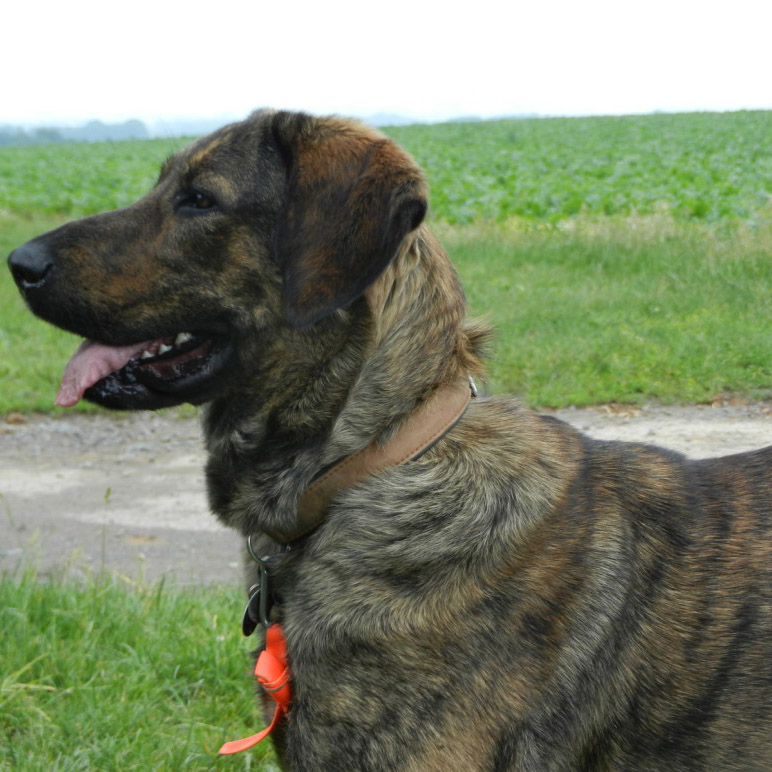

Cão da Serra de Aires

Cão da Serra de Aires – Exceptionally Intelligent


What makes the Cão da Serra de Aires Unique?


A historical breed hailing from Portugal, the Cão da Serra de Aires has many positive characteristics that are beginning to rescue it from relative obscurity. These dogs are loyal, hard-working, and clever. Although they started their career as livestock guardians, members of this breed are more commonly found as pets today.

SnapShot

Size: Males – 45 to 55 cm (17½ to 21½ inches)
Females – 45 to 55 cm (17½ to 21½ inches)
Weight: Males – 17 to 27 kg (37 to 60 pounds)
Females – 17 to 27 kg (37 to 60 pounds)
Origin: Portugal
Life Span: 12 – 13 Years
Colour: Yellow, chestnut, grey, fawn, wolf grey (fulva e a lobeira), and black, with tan marks.
Litter Size: 5 to 10 puppies

Is the Cão da Serra de Aires Right For You?


These hardworking dogs are incredibly loyal to members of their families and will defend them fearlessly. They are also among the smartest breed of sheepdogs available. Cão da Serra de Aires are exceptionally good at guarding, herding, and retrieving livestock.

Cao da Serra de Aires benefit greatly from early socialization as well as obedience training. Consistent rules and a firm hand are a must for members of this breed. Lessons should be kept varied in order to hold their interest.

In 5 Words


  • Intelligent
  • Lively
  • Confident
  • Firm
  • Strong-minded

Fun Fact

ANCESTORS OF TODAY’S BREED WERE TRADITIONALLY USED FOR HERDING COWS, SHEEP, GOATS, HORSES AND EVEN PIGS.

Characteristics


Exercise
Friendliness
Trainability
Watchdog
Health Issues

Learn About the Cão da Serra de Aires


Description

Description

General Description

Cão da Serra de Aires are medium-sized dogs with long bodies, level backs, and goat-like fur. They have high-set drop ears that hang close to their heads. Darkly colored noses and eyes are also present in members of this breed. Short muzzles, square heads, arched backs, and tucked stomachs can likewise be found on these dogs. Although a scissors bite is preferred, Cão da Serra de Aires with pincher bites are accepted in the show ring. These dogs should possess lengthy, undocked tails. A natural bobtail is considered a flaw in show animals. Cão da Serra de Aires should move with a fluid, agile gait.

Coat

Members of this breed have a moderately thick, single layer coat that may be smooth or somewhat wavy. Due to the fact that Cão da Serra de Aires do not have an undercoat, the dogs will be more susceptible to harsh weather conditions. The same trait that is problematic for working animals is a bonus for dogs that spend their life as pets because it allows them to be more easily groomed. According to FCI standards, individual dogs should likewise have a “long beard, moustache and eyebrows”, but their fur should not impede their eyes. Acceptable coat colors for members of this breed include wolf grey, plain grey, fawn, chestnut, yellow, and black with tan markings. Cão da Serra de Aires are only allowed to have a small white patch of fur on their chest, if they do at all.

Size

Females of this breed are somewhat shorter than their male contemporaries. On average, males stand between 17.5 and 21.5 inches (45 and 55 centimeters) tall and females measure around 16.5 to 20.5 inches (42 to 52 centimeters) in height. Dogs of both genders typically weigh about 37 to 60 pounds (17 to 37 kilograms).

Short History

Short History of the  Cão da Serra de Aires

These dogs have been found in their native country for over a hundred years, if not longer. It is thought that the Cão da Serra de Aires breed is a cross between local Iberian herding dogs and an imported group of Briards. These dogs started their careers as companions and working animals for poor shepherds, but owe their current survival to their adoption by the middle class. The breed standard only dates back as far as 1930. In 1954, the Cão da Serra de Aires was recognized by the Fédération Cynologique Internationale (FCI). By 2006, these dogs were also accepted to the United Kennel Club (UKC). Under the standards of both the aforementioned organizations, dogs of this breed are shown as “Portuguese Sheepdogs”.

Temperament

Temperament

Some people feel that members of this breed resemble monkeys in terms of behavior. Yet these hardworking dogs are incredibly loyal to members of their families and will defend them fearlessly. They are also among the smartest breed of sheepdogs available. Cão da Serra de Aires are exceptionally good at guarding, herding, and retrieving livestock. Members of this breed will typically get along with other pets and dogs if they have been raised around them, but dominance can sometimes be an issue for male dogs. These dog may also be aloof around strangers or unfamiliar animals. Some may even be territorial, yet they do not usually bite unless given they are just cause to do so. FCI standards further state these dogs should not possess a “nervous, unbalanced temperament” as this is considered to be a major flaw. Although the dogs’ personality is not likely to be a problem, owners should be aware that a Cão da Serra de Aires does require a spacious yard in which to run and play. These active dogs are ill suited for apartment life. In fact, members of this breed would prefer to live outdoors for the most part as long as they have adequate shelter to protect them from adverse weather conditions.


Caring for Your Cão da Serra de Aires


Health

General Health

Despite the fact that 12 to 15 years is the common lifespan for these dogs, Cão da Serra de Aires do suffer from a few common health conditions. Ehrlichiosis is sometimes transmitted to the dogs from ticks so owners should use proper parasite prevention medication to keep the biting insects at bay. Members of this breed may also suffer from abdominal tumors once they get to be over 8 years old. In order to keep dogs healthy, regular echograms are recommended after the dogs reach the aforementioned birthday. .

Care

Daily

Members of this breed will need daily exercise. A long walk is recommended but these dogs are also good at sports such as agility competitions.

Weekly

Dog owners will want to clean their pet’s teeth regularly in order to prevent health problems from arising.

Monthly

Flea, tick, and heartworm prevention medication is a must for all dogs. Most of these products are typically administered on a monthly basis.

Grooming & Bathing

Grooming & Bathing

Although too much brushing will damage a Cão da Serra de Aires’ coat, it is a good idea to regularly inspect the dogs for tangled fur to keep mats from becoming problematic. Excess foot hair and lengthy toenails should also be trimmed as needed. These dogs only need a bath when they get dirty as too much washing is likely to dry out their skin.

Exercise & Training

Exercise & Training

Cao da Serra de Aires benefit greatly from early socialization as well as obedience training. Consistent rules and a firm hand are a must for members of this breed. Lessons should be kept varied in order to hold their interest. Cao da Serra de Aires are intelligent but they can also be stubborn. As a result, these dogs will not obey owners that they do not respect. Although members of this breed are sometimes difficult to teach, they do learn quickly and are incredibly reliable once they have been trained.

Cão da Serra de Aires Picture Gallery


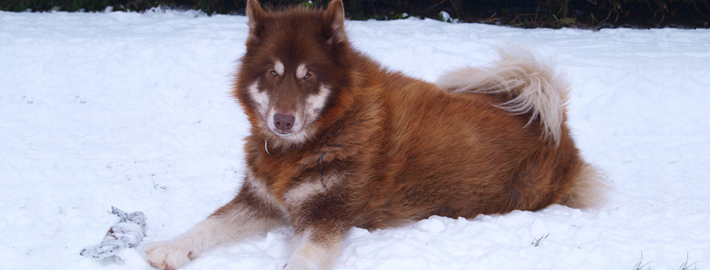
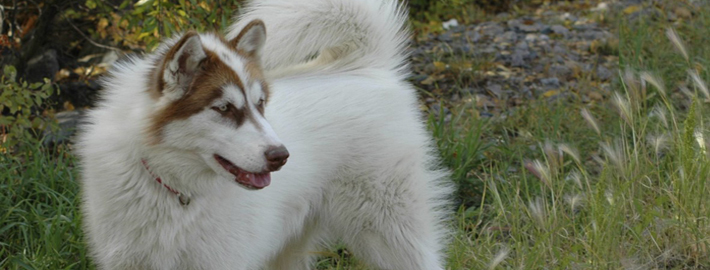
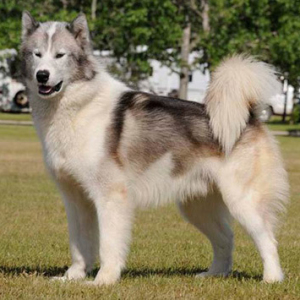
Canadian Eskimo

Canadian Eskimo – Olympic-Caliber Athlete


What makes the Canadian Eskimo Unique?


Although they are not recommended for families with small children, Canadian Eskimo Dogs are loyal and energetic animals that love nothing better than having a job to do. Members of this breed make great sled dogs for an experienced owner.

SnapShot

Size: Males – 58 to 70 cm (24 to 29 inches)
Females – 50 to 60 cm (27 to 29 inches)
Weight: Males – 30 to 40 kg (66 to 88 lb)
Females – 18 to 30 kg (40 to 66 lb)
Origin: Canada
Life Span: 12 – 13 Years
Colour: Red, Grey, Black & White, Liver, Black, White
Litter Size: 3 to 8 puppies

Is the Canadian Eskimo Right For You?


The Canadian Eskimo Dog is a breed of working sled dog native to the far north of Canada. This ancient breed is famous for its ability to survive and work in some of the most difficult and challenging environments on the planet. This  dogs are incredibly loyal to their owners and often bond with one person or family, they are usually not aggressive towards unfamiliar people.

Canadian Eskimo dogs can be domineering and stubborn, which means that they require an owner with plenty of experience, preferably one that has handled sled dog breeds in the past. These dogs will also need to be heavily socialized with children from a young age to prevent them from regarding youngsters as a threat to their own well-being.

In 5 Words


  • Alert
  • Loyal
  • Brave
  • Tough
  • Intelligent

Fun Fact

THE CANADIAN ESKIMO DOG IS KNOWN TO HAVE BEEN RESIDENT IN THE ARCTIC FOR AT LEAST 4,000 YEARS.

Characteristics


Exercise
Friendliness
Trainability
Watchdog
Health Issues

Learn About the Canadian Eskimo


Description

Description

General Description

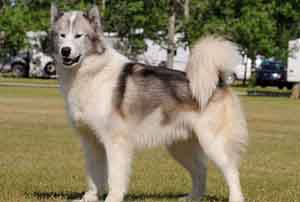
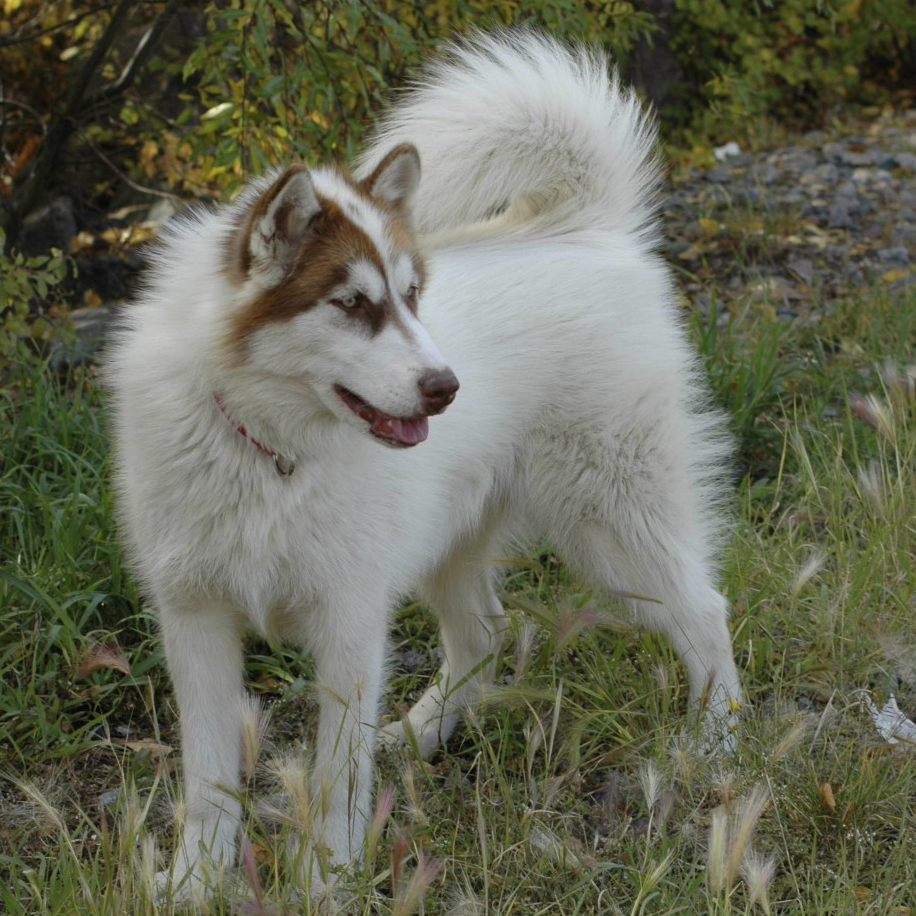
Canadian Eskimo Dogs greatly resemble medium-sized American wolves. However, the dogs have shorter and curvier tails than their wild counterparts. They also lack the black wrist markings that are characteristic of European wolf breeds. Canadian Eskimo Dogs are part of the Spitz family of dogs. Therefore, they have the typical curly tails and thick coats that their kin do. These dogs also have strong, muscular bodies that are well-suited for working in harsh Arctic environments. Canadian Eskimo dogs typically have dark colored, yellow or hazel eyes. Blue eyes are considered by the United Kennel Club to be a disqualifying flaw. These dogs also have wedge-shaped heads, broad skulls, short necks, and tapered muzzles. Their teeth should meet in a scissors bite. Erect ears with rounded tips are yet another breed feature. Canadian Eskimo dogs also have round feet and muscular limbs. These dogs should move at a brisk trot.

Size

Males of this breed are much larger than the females. They weigh around 66 to 88 pounds (30 to 40 kilograms) and stand between 23 and 28 inches (38 and 70 centimeters) in height. In comparison, female dogs stand 20 to 24 inches (50 to 60 centimeters) tall and weigh between 40 and 66 pounds (18 and 30 kilograms) on average.

Coat

Canadian Eskimo dogs possess a thick, weather proof double coat. The outer layer is long and thick, while the inner layer contains stiff hairs that are only somewhat shorter than those on top. Male dogs have a thicker layer of fur around their necks than the females do. Dogs that are solid silver, black, or white are fairly common. Members of this breed may also have patches of other hues on their bodies or on their heads. Mask-like markings and white socks are likewise typical of this breed.

Short History

Short History of the Canadian Eskimo Dog

Canadian Eskimo Dogs are thought to date as far back as 1100 A.D. when the Inuit people and their pets arrived in the area that was to later become Canada. Members of this breed are very closely related to the Greenland dog. Eskimo dogs are among the oldest indigenous breeds in North America. They are also one of the few native Canadian dog varieties.

Early members of this multi-purpose breed were used to pull sleds, hunt game, and carry goods. Canadian Eskimo Dogs became especially popular during the arctic explorations that took place in the 19th and 20th centuries, but demand for these dogs began to wane once snowmobiles became prevalent in the region. This breed was eventually recognized by the United Kennel Club in 1996.

Temperament

Temperament

Canadian Eskimo dogs were created to work hard while enduring a harsh outdoor environment and their personalities reflect that fact. This breed is not one that can simply be a pet instead. They must have some task to keep them busy. Although Canadian Eskimo dogs are incredibly loyal to their owners and often bond with one person or family, they are usually not aggressive towards unfamiliar people. These dogs can be quite aloof towards all human beings and are not generally considered to be a particularly affectionate breed. In fact, these dogs often don’t welcome attention from anyone other than their preferred human companion. However, this is not to say that they are not devoted to their families. These dogs have been known to go so far as to sacrifice themselves to protect their human family members. These dogs are nonetheless best suited for adult owners rather than households with young children. However, well-trained dogs that have grown up around children should be perfectly fine around members of their own households.


Caring for Your Canadian Eskimo


Health

General Health

As a direct result of being bred in an Arctic environment where most diseases cannot survive, the Canadian Eskimo dog does not have a strong immune system. However, members of this breed are typically quite healthy. Problems have been known to arise from time to time and owners should be on the lookout for signs of hip dysplasia, progressive retinal atrophy, epilepsy, juvenile cataracts, and monorchidism. In warmer climates, these dogs may also occasionally suffer from heatstroke.

Care

Daily

Canadian Eskimo Dogs are energetic animals that need copious amounts of exercise on a daily basis. Simply walking these dogs once per day is not going to be sufficient for their needs.

Weekly

Members of this breed need to be brushed once or twice a week. However, during periods when the dog is shedding heavily, they will need to be groomed on a daily basis.

Monthly

Flea, tick, and heartworm prevention medications are typically given to dogs on a monthly basis for best results.

Grooming & Bathing

Grooming & Bathing

These dogs should be bathed if they get dirty and their nails should be kept trimmed.

Exercise & Training

Exercise & Training

Canadian Eskimo dogs can be domineering and stubborn, which means that they require an owner with plenty of experience, preferably one that has handled sled dog breeds in the past. These dogs will also need to be heavily socialized with children from a young age to prevent them from regarding youngsters as a threat to their own well-being.

Members of this breed were created to be pack animals and, as such, they will either obey their owners or the instructions of the lead dog. Canadian Eskimo Dogs tend to be stubborn and need to be trained in a firm, consistent manner. They also display a heightened response to any form of stimulus as part of the survival instincts they needed to survive and are, therefore, too unpredictable to be around most children.

Although members of this breed are quite trainable and reasonably submissive, Canadian Eskimo dogs require more exercise than most prospective owners can provide. These dogs need to participate in activities that fulfil both their need for mental stimulation and heavy exercise. Dog sports including mushing and carting are good ways to meet these requirements.

Canadian Eskimo Picture Gallery

Bully Kutta

Bully Kutta – Beast from the East


What makes the Bully Kutta Unique?

The Bully Kutta is a powerful Mastiff. They are also known as the “Beast From The East.” They are a very intelligent and noble breed. This is an extremely dominant dog and is only recommended for experienced dog owners. They can be very difficult to handle if placed with the wrong owner. Pakistani Bully Kuttas are very trainable. They are loyal and protective of their master and property.

SnapShot

Size: Males – 81.3 to 88.9 cm (32 to 35 inches)
Females – 71.1 to 81.3 cm (27.9 to 32 inches)
Weight: Males – 64 to 95 kg (29 to 43 lb)
Females – 64 to 95 kg (29 to 43 lb)
Origin: India, Pakistan
Life Span: 8 – 10 Years
Colour: White in color, however fawn, brindle, brown, black and various bicolors are also common
Litter Size: 6 to 8 puppies

Is the Bully Kutta Right For You?

The Bully Kutta is a large muscular Mastiff breed found mostly in Pakistan. Its name is derived from the Sinhi and Urdu languages where it is known as a Bohli Kutta; Bohli meaning “heavily wrinkled” and Kutta meaning “dog”. Its use as a fighting dog and popularity outside of its own borders led to the western interpretation of the first part of its name as ‘Bully’ similar to Pit Bull, Bull Dog, Bull Terrier.

A Bully Kutta’s temperament ranges in variety. However, the breed is generally docile. Training them and introducing them to family early on in puppyhood is recommended. It is a very smart dog and can easily be trained. They are loyal and protective of its master, their family, and their master’s belongings.


In 5 Words

  • Alert
  • Energetic
  • Tenacious
  • Responsive
  • Intelligent
Fun Fact

THE BULLY KUTTA OR PAKISTANI MASTIFF OR SIMPLY BULLY IS A DESCENDANT OF THE EXTINCT ALAUNT.

Characteristics

Exercise
Friendliness
Trainability
Watchdog
Health Issues

Learn About the Bully Kutta


Description

Description

The Bully Kutta is a very large and powerful dog, and unlike most giant breeds, is impressively agile and resilient, capable of great speed and known for its stamina. The body is well muscular and leaner than most molossers. The legs are tall and equal to the body with the back end slightly raised, contributing to the Bully Kuttas signature lion-like gait. The tail is long, tapering to a fine point and is carried high in a curl always swinging every which way, providing balance for this extremely agile breed. The head is broad with no stop between the skull. The skull and muzzle are equal in length with a slight, smooth drop. The bite is a proper scissor with straight, solid teeth. The eyes are small and almound shaped. The ears are pendant shaped but are often cropped. The skin is very loose and stretchy, hanging from the head and neck with defined jowls and dewlaps. Despite this, they are not heavy droolers. The front legs are straight and solid with thick bone. The back legs are set wide apart and turned slightly outward at an angle, forming a solid triangular base. The coat is very short and smooth, and absent on the belly. The color is predominantly white although black, brindle, and all shades of brown are also common, often in patches. The skin is pigmented black or speckled.

Short History

Short History of the Bully Kutta

The Beast from the East… this title was given to the Bully Kutta, a breed of aggressive dog that was used in the cruel and bloody sport of dog fighting. This powerful mastiff type breed is also referred to as Indian Mastiff and Pakistani Bulldog. The Indian Mastiff name was given due to the fact that that this rare breed of dog hails from southern India specifically from the Thanjavur and Tiruchi districts. The Pakistani Bulldog or the Pakistani Mastiff name was given as although the breed was developed in India these dogs are commonly seen and used in areas that belong to Pakistan.

This breed is believed to have English Bull Terrier blood. This rare dog breed is believed to have resulted from crossing Pointers and English Mastiffs with several breeds of British hunting dogs. This breed was supposedly developed while India was under the British Colonial rule. This theory was disputed by historians as they believed that the Bully Kutta has a very ancient origin. The Persian Army has been using the local mastiffs that were introduced in 486-465 BC by Xerxes the First when he marched into Greece. There are evidences that point to the fact that mastiff type dogs were already in existence in Pakistan and India long before the British legion arrived. These dogs have directly descended from the white Alaunt of Persia, from the ancient Persian Hyrcania dog and from the Assyrian Molossus, the legendary dogs that were brought by the Indo-Aryan invaders to the Indian subcontinent. This theory was supported by the writings of Alexander the Great and his boyhood tutor Aristotle. Due to the interaction between Persia and the Assyrian empire, it is highly possible that the Indian and Persian mastiff dogs have influenced each other.

Temperament

Temperament

The Pakistani Bully Kutta (Pakistani Mastiff) is a powerful Mastiff. They are also known as the “Beast From The East.” They are a very intelligent and noble breed. This is an extremely dominant dog and is only recommended for experienced dog owners. They can be very difficult to handle if placed with the wrong owner. Pakistani Bully Kuttas are very trainable. They are loyal and protective of their master and property. With proper exercise, leadership, socialization and training, the Pakistani Bully Kutta can make an amenable companion for responsible and knowledgeable owners. Well raised Bully Kuttas are good with kids, very loving and playful. In their homeland they are mostly used for protection and guarding purposes, but are sometimes unfortunately used for dog fighting, and raised to be aggressive toward other dogs, aloof, not tolerating strangers. This Mastiff will not listen if it senses that it is stronger minded than its owner. Owners need to possess a natural air of authority to their demeanor. The objective in training this dog is to achieve pack leader status. It is a natural instinct for a dog to have an order in its pack. When we humans live with dogs, we become their pack. The entire pack cooperates under a single leader; lines are clearly defined and rules are set. Because a dog communicates his displeasure with growling and eventually biting, all other humans MUST be higher up in the order than the dog. The humans must be the ones making the decisions, not the dogs. That is the only way your relationship with your dog can be a complete success. When owners make it absolutely clear they are alpha over the dog in a calm, but very firm manner, and the dog is well exercised, trained and socialized they can be very good family companions.


Caring for Your Bully Kutta


Health

General Health

The Bully Kutta is considered to be a very healthy breed of dog with a low propensity for congenital health defects. The only known issues to be listed as associated with this breed is a tendency to develop arthritis and blindness in later life, which is not uncommon for most dog breeds. Due to its size bloat may also be a concern or other illnesses generically associated with large breeds of dog.

Grooming & Bathing

Grooming & Bathing

The Bully Kutta is a short coated breed. This means that the dog would not require extensive coat maintenance. Occasional coat brushing would be sufficient to maintain the good condition of the coat.

Exercise & Training

Exercise & Training

Bully Kuttas need to be taken on daily walks to satisfy their migration instinct. While out on the walk the dog must be made to heel beside or behind the person holding the lead, as in a dog’s mind the leader leads the way, and that leader needs to be the human.

Bully Kutta Picture Gallery

Bucovina Shepherd

Bucovina Shepherd – The Serious Worker


What makes the Bucovina Shepherd Unique?


Although Bucovina Shepherds are not very well-known outside of their homeland, members of this hardworking breed are excellent livestock guardians and also devoted family members.

SnapShot

Size: Males – 68 to 78 cm (27 to 31 inches)
Females – 64 to 72 cm (25 to 28 inches)
Weight: Males – 31.8 to –40.8 kg (70.1 to 89.9 lb)
Females – 31.8 to 40.8 kg (70.1 to 89.9 lb)
Origin: Romania
Life Span: 12 – 14 Years
Colour: Gray & White, Brindle & White, Black & White
Litter Size: 5 to 10 puppies

Is the Bucovina Shepherd Right For You?


Bucovina Shepherds are naturally mistrustful of strange people and animals but they are not considered to be aggressive individuals. These dogs will no doubt bark loudly if intruders attempt to enter their domain. Even so, members of this breed are usually tolerant of other dogs, particularly if they have been raised together. The same cannot be said for smaller animals, which Bucovina Shepherds may regard as prey. Prospective owners should additionally be aware that members of this breed need plenty of exercise as well as large amounts of outdoor space to run about and play in. Therefore, Bucovina Shepherds are not recommended for apartment dwellers.


In 5 Words


  • Calm
  • Very Devoted
  • Courageous
  • Combative
  • Balanced

Fun Fact

THE BUCOVINA SHEEPDOG IS A NATIVE BREED FROM THE CARPATHIAN MOUNTAINS, IN BUCOVINA IN THE NORTH-EAST OF ROMANIA.

Characteristics


Exercise
Friendliness
Trainability
Watchdog
Health Issues

Learn About the Bucovina Shepherd


Description

Description

General Description

Bucovina Shepherds are large individuals that possess athletic dispositions and strong constitutions. Members of this breed have rectangular bodies that are somewhat longer than they are tall. These dogs have large heads and thick necks. Members of this breed additionally possess snouts that are proportionate in length with the size of their heads. Bucovina Shepherds also have small eyes that are dark in color and almond in shape. Floppy, v-shaped ears with round tips are yet another breed feature. These appendages are set slightly higher than the dog in question’s head happens to be. Members of this breed do not typically have cropped ears, particularly in Europe where the practice is illegal in many countries. Bucovina Shepherds also have slightly crooked tips on their tails.

Size

Males of this breed usually weigh between 110 and 200 pounds (50 and 90 kilograms). Dogs of that gender usually stand around 27 and 31 inches (68 to 78 centimeters) tall. Females of this breed are somewhat smaller than their male contemporaries with an average weight of 110 to 180 pounds (50 to 80 kilograms). They are also shorter than the males with an average height of 25 to 28 inches (64 to 72 centimeters).

Coat

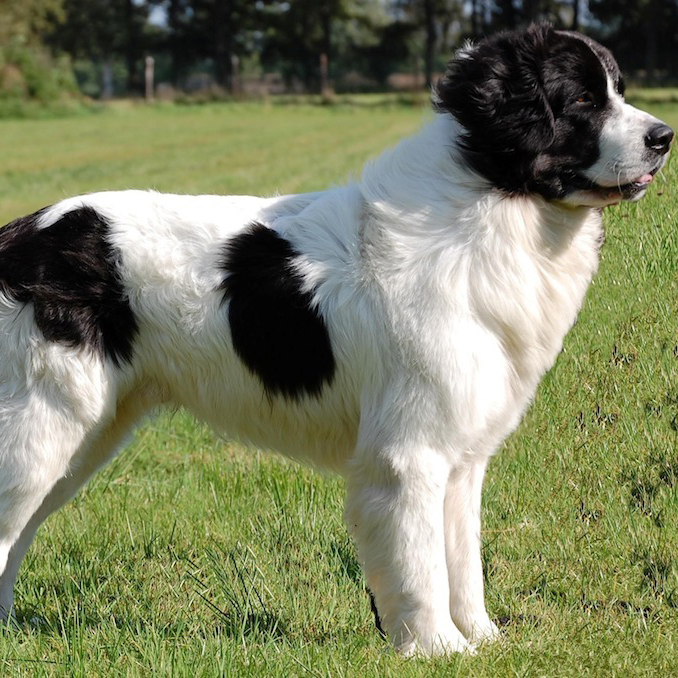
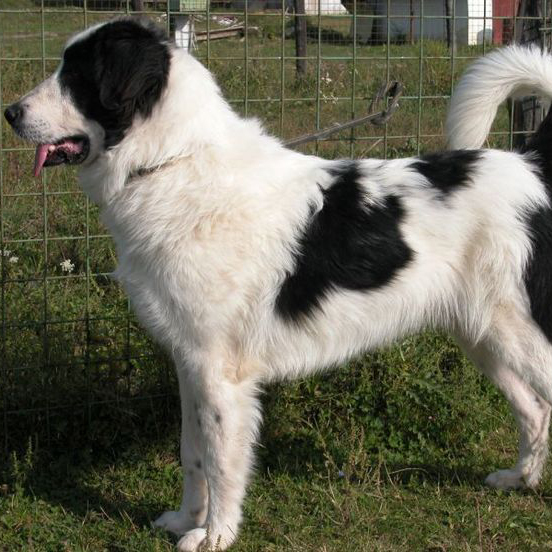
Bucovina Shepherds possess double coats that are comprised of a short, fluffy inner layer and a coarse outer layer that lies flat on their bodies. These individuals have thicker fur on the backside of their legs and around their necks than they do in other places. On their heads and on the front of their legs, these dogs have coats are comparatively shorter in length. Bucovina Shepherds are normally white with clear back or tan patches. Dogs that are completely black or white do exist but these colorations are not generally considered to be acceptable traits.

Short History

Short History of the Bucovina Shepherd

Alternately known as the Capau or Dualu breed, Bucovina Shepherds are herding dogs that originated in Romania near the Carpathian Mountains. These individuals are thought to be descendants of animals from the Moesia and Dacia regions. Bucovina Shepherds have obviously used to manage sheep since they were created sometime around the 18th century. However, these dogs were bred for their looks as well as their herding abilities.The official breed standards for these dogs first appeared in 1982 and have undergone several revisions since then. In modern times, members of this breed have increasingly been seen as estate guardians and family pets.

Temperament

Temperament

Despite their excellence as livestock managers, Bucovina Shepherds are also playful individuals that make good family pets These energetic dogs are incredibly loyal the members of their household and would go great lengths to keep them from coming to harm. However, members of this breed tend to have a rambunctious disposition. When this fact is combined with their large size, it stands to reason that it would be a good idea for families with very small children to avoid this breed in the interest of safety.

Although Bucovina Shepherds are not considered to be aggressive individuals, they are naturally mistrustful of strange people and animals. These dogs will no doubt bark loudly if intruders attempt to enter their domain. Even so, members of this breed are usually tolerant of other dogs, particularly if they have been raised together. The same cannot be said for smaller animals, which Bucovina Shepherds may regard as prey. Prospective owners should additionally be aware that members of this breed need plenty of exercise as well as large amounts of outdoor space to run about and play in. Therefore, Bucovina Shepherds are not recommended for apartment dwellers.


Caring for Your Bucovina Shepherd


Health

General Health

No studies have yet been done regarding health concerns in Bucovina Shepherds. However, these dogs are no doubt susceptible to ailments that are considered common to their species such as hip dysplasia. Since Bucovina Shepherds have been used in a working capacity until very recently, it is likely that they are generally in better health than similar breeds which were long ago turned into show animals. Even so, most large dogs do not have a lifespan that matches that of smaller ones and prospective owners should obviously take this into consideration when making their selection.

Care

Daily

Bucovina Shepherds are incredibly energetic dogs that require plenty of exercise on a regular basis.

Weekly

Members of this breed have thick fur that probably needs to be brushed every other day, if not once per day. The time spent on grooming per week typically averages around 1.5 hours. Regular tooth brushing is likewise recommended to keep these dogs in good oral health.

Monthly

All dogs need parasite prevention medications to keep harmful pests at bay. Most of these products should be administered at least once a month in order to be completely effective.

Grooming & Bathing

Grooming & Bathing

Due to their thick coats, Bucovina Shepherds require a lot of grooming. Members of this breed typically shed a lot of fur, particularly when the seasons change. However, professional help is only necessary if pet owners intend on shaving these dogs to keep them cool in the summertime. It is also a good idea to make sure these dogs have their toenails trimmed on a regular basis in order to prevent otherwise avoidable injuries.

Exercise & Training

Exercise & Training

It is certainly possible for Bucovina Shepherds to adapt to life in urban environments but this is certainly not a recommended course of action. Members of this breed are large dogs that need plenty of space to run and they are much better suited towards life on large estates in rural areas. After all, these animals are indefatigable workers and are at their best when they have a job to perform such as guarding property or taking care of livestock. As is the case with most large breeds, extensive socialization and obedience training from puppyhood are probably the best ways to make sure these dogs become productive members of society. However, Bucovina Shepherds that receive enough mental stimulation and exercise generally tend to be well-behaved individuals.

Bucovina Shepherd Picture Gallery

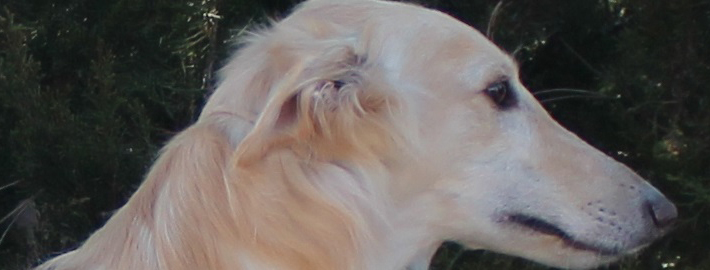
Silken Windhound

Silken Windhound – The Long Silky Coat


What makes the Silken Windhound Unique?


A

The Silken Windhound is the result of a long-awaited dream of mine, one that took many years of planning and dedication at first solely by us at Kristull and now by an international group of breeders and enthusiasts, the International Silken Windhound Society. Kristull Ranch was located in Austin, Texas, where we also raised and love Friesian and Caspian horses.

SnapShot

Size: Males – 46–60 cm

Females – 46–60 cm

Weight: Males – 15–25 kg

Females – 10–20 kg

Origin: USA
Life Span: 12 – 15 years
Colour: Brindle, Sable, Red, Black, Black & Tan, White
Litter Size: 5-6 puppies

Is the Silken Windhound Right For You?


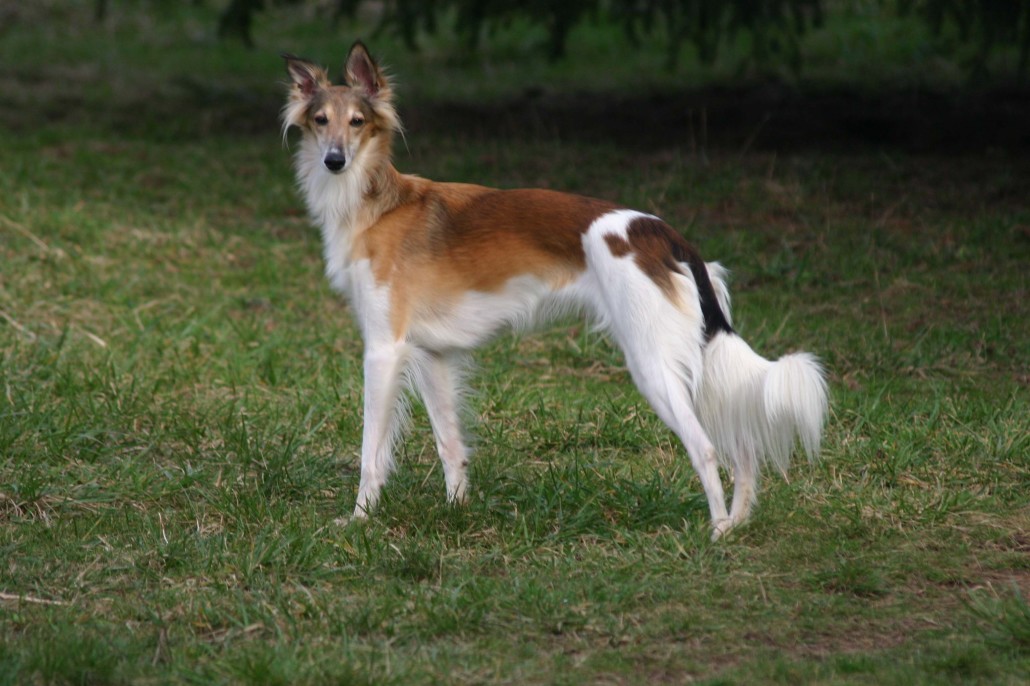
Silkens are very special dogs. They will be your loving, entertaining companion, or you can enjoy the fun of lure coursing, racing, and showing them as well. The Silken Windhound is a rare American breed of dog, a member of the sighthound family.

In 5 Words


  • Playful
  • Famailial
  • Trusting
  • Companionable
  • Affectionate

Fun Fact

The oldest known Silken Windhound lived a few months past her 20th birthday. Many Silkens live well into their teen years.

Characteristics


Exercise
Friendliness
Trainability
Watchdog
Health Issues

Learn About the Silken Windhound


Description

Description

General Description

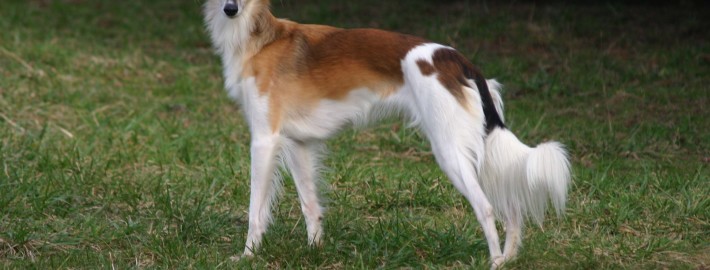
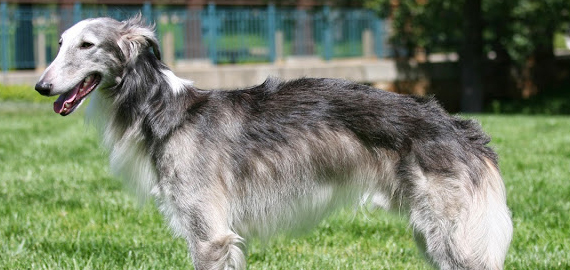
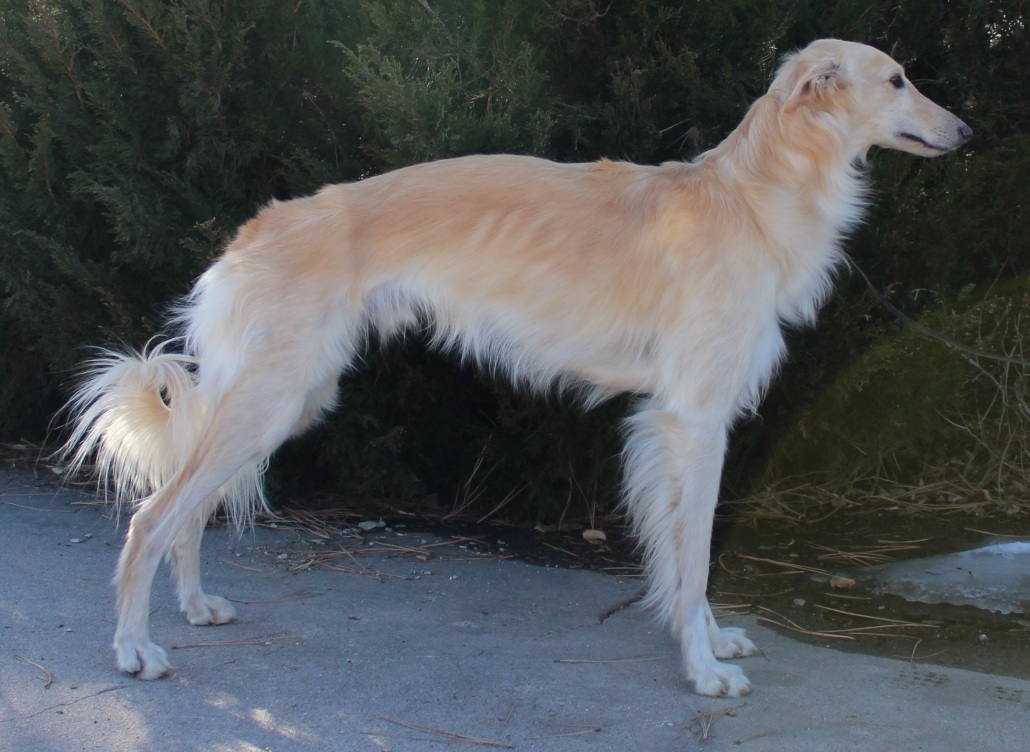
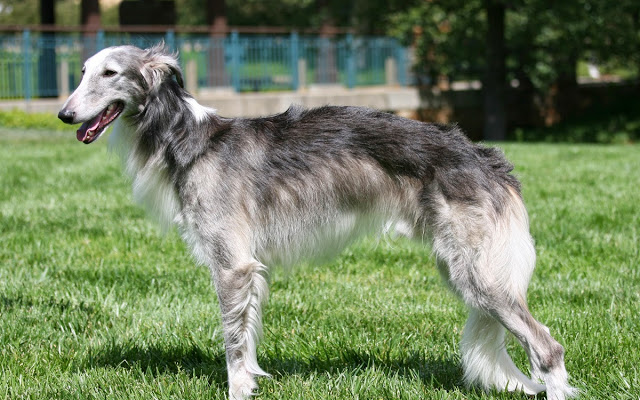
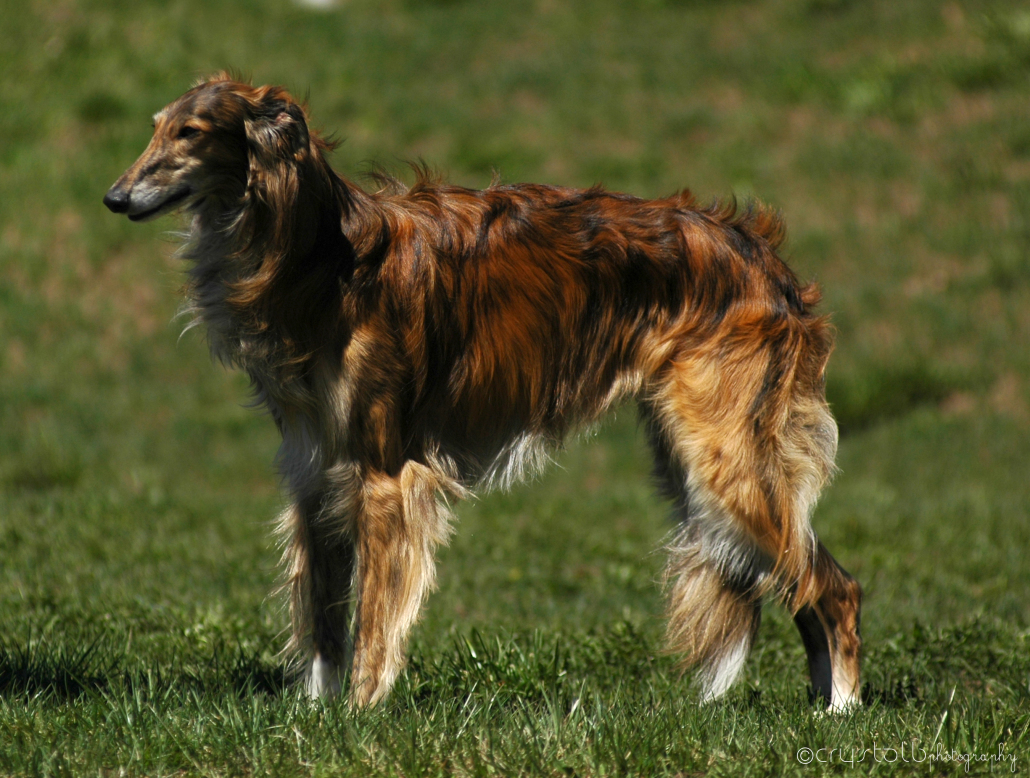
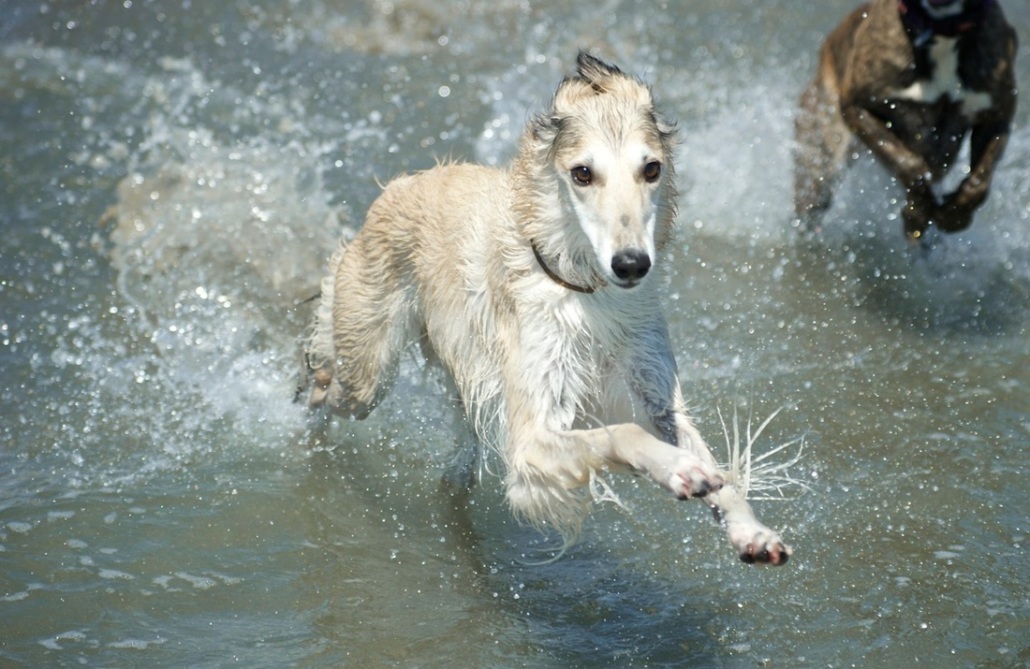
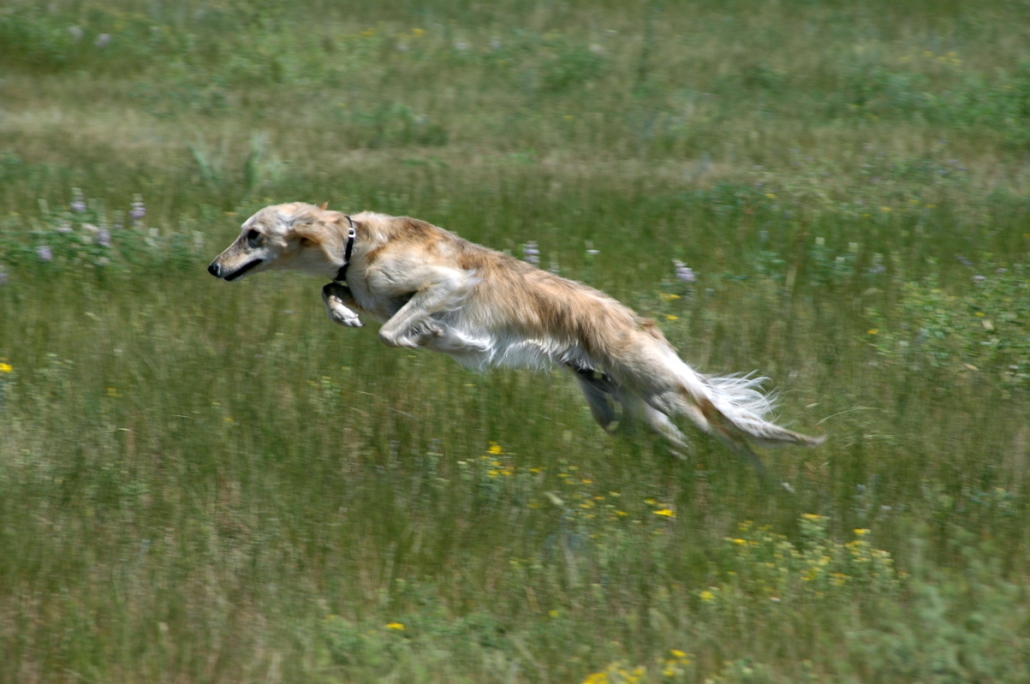
The Silken Windhound is a small, hardy, strikingly elegant sighthound. Its classic, sweeping lines and athletic build are the hallmark of a true coursing dog, which is evident beneath the luxurious, silky, yet protective coat. Its size, structure and coat enable the Silken Windhound not only to be a capable runner over a wide variety of terrain and through unpredictable weather conditions, but also to be competitive in a variety of dog sports.

Viewing the Silken Windhound from the side, one should have the impression of remarkable beauty integrated with exceptional running ability. Beginning with its chiseled head, a long arched neck, dramatic depth of brisket and an extreme tuck-up ending with the graceful sweep of the long, low-carried tail, the Silken Windhound is the embodiment of athletic beauty. The moderately long, silky coat complements the sweeping curves.

Short History

Short History of the Silken Windhound

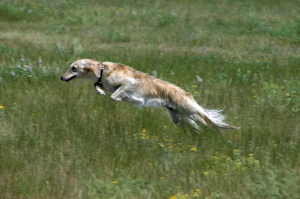
The Silken Windhound was created by Francie Stull, a successful breeder of top show and performance American Kennel Club (AKC) Borzoi and Deerhound who utilized her decades of experience with AKC hounds in the formation of this breed, combining the best aspects of some of the top performance Borzoi and Whippet bloodlines in the Americas. The first Silken Windhound litter was whelped in 1987 and the breed club was formed in 1999. In early 2011, The Silken Windhound was recognized by the United Kennel Club. Silken Windhounds now are located all over the US, Canada, and Europe. Silken Windhounds were bred to be a small to medium-sized sighthound. Like other members of their group, they hunt by sight, and can course game in open areas at high speeds.

Temperament

Temperament

This is an intelligent and responsive hound that demonstrates a strong desire to please its human companions. Though sometimes dignified in its bearing, the Silken Windhound tends to be quite expressive in its display of affection toward those it is fond of. Similarly, though the Silken Windhound exhibits a competitive spirit in the field, it is generally quite sociable with other dogs. It adapts to any family life very quickly and loves adults and children alike. This also will depend on the type of leadership the owner displays, and the child. Some of the dogs may be more sensitive around noisy, loud or excited children. Be careful what sort of temperament you have and make sure that you take your children when you select a Silken so that you know you have picked one that enjoys children. As long as there is socialization with the other species, Silkens have no trouble living with cats, chinchillas, birds or other species. The introduction of an older dog may take more time, however it can be done of you take the time to do it right. When first introducing the dogs, be sure to take all dogs on a pack walk, having the dogs heel beside or behind you during the walk, rather than tossing the dogs together face to face. This will ensure they see one another as one pack. Silkens may alert you that a new friend is coming, but they are not watch or guard dogs. This breed is usually friendly with strangers, but should be socialized and have plenty of exposure to new experiences as a puppy to ensure it will be social as an adult. This is a curious breed. Silkens housebreak easily. Some have been known to housebreak on their own account, if they have free access to the outdoors to do it, reporting some to be housebroken by 10-12 weeks. For other training they want to please their owner, but they are typical sighthounds and can be bored by long repetitions. An owner of a Silken needs to be aware that sighthounds have strong hunting instincts. They need to be able to run free, but should never be let off leash around cars.


Caring for Your Silken Windhound


Health

General Health

The majority of dogs may at some point in their lives develop a health issue. However, not all dogs will get ill and with the Silken Windhound this is much the same. Getting your pet from a reputable breeder would certainly reduce the risks of a dog having inherited any health issues. With this said, Silken Windhounds are known to be quite healthy but are prone to the following disease:

  • Lotus syndrome – a disease that is thought to be similar to a human condition known as “fetal akinesia deformation sequence” or FADS

.

Grooming & Bathing

Grooming & Bathing

The beautiful, silky locks of the Silken Windhound look harder to maintain than they are. Brush him a few times a week with a slicker brush to keep tangles from forming, and bathe him every eight to twelve weeks in a mild shampoo.

Exercise & Training

Exercise & Training

Silkens love to run like any sighthound, and need to go on a daily walk or jog. If well exercised, they will be happy to snooze at their owner’s feet or on the couch. They do need to get outside for walks and runs in dog parks or large, open areas, but they are not as high energy as a Border Collie or other herding breeds. This breed makes a good jogging companion if the dog is conditioned properly, although you should wait for a puppy to be a year or older before starting long, hard, distance exercise, gentle, intelligent race, easier and more effective training using reward based training and affection, positive short sessions. Using positive training methods, Silkens work with enthusiasm and form strong relationships with their owners.

Silken Windhound Picture Gallery

Pungsan Dog

Pungsan Dog – The Thick Coat


What makes the Pungsan Dog Unique?


Developed in the northern mountainous regions of Korea, the Pungsan (sometimes spelled Phungsan or Poongsan) is the rarest of the three dog breeds native to Korea; the other two breeds being the Jindo and Sapsaree. Old Korean folk tales depict the Pungsan as a clever, loyal, and fierce hunter. In one such story, a Pungsan defeats a Siberian tiger. Pungsans were bred to be hardy and ferocious hunters, able to sleep in the snow and hunt game in the mountains. They were used for hunting such large animals as panthers, tigers, wolves, and wild boar, as well as for protection and companionship. These spitz type dogs were developed in isolation in the Baikdu Mountains in the P’ungsan region, now called Gimhyeonggwon County

SnapShot

Size: Males – 21-24 inchesFemales – 20-23 inches
Weight: Males – 50-70 poundsFemales – 50-65 pounds
Origin: North Korea
Life Span: 11-13 years
Colour: White, Off-White, Cream
Litter Size:

Is the Pungsan Dog Right For You?

The Pungsan or Poongsan (Chosongul: 풍산개; Hanja: 豊山개) is a breed of hunting dog from North Korea.[1][2] They receive their name from the mountainous northern county of Pungsan, now Kimhyŏnggwŏn, where they were first bred.[3] They are a very rare dog, and are hardly known outside of North Korea.

In 5 Words

  • Agile
  • Loyal
  • Strong
  • Energetic
  • Hunting Instinct
Fun Fact

They have wolves in their ancestry; aggression is a prominent part of their trait. They hold slight aggression to other dog breeds and low tolerance to non-canine pets.

Characteristics

Exercise
Friendliness
Trainability
Watchdog
Health Issues

Learn About the Pungsan Dog


Description

Description

General Description

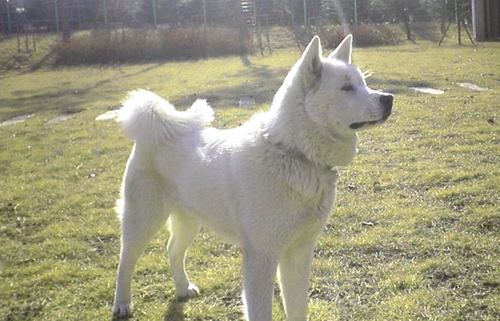
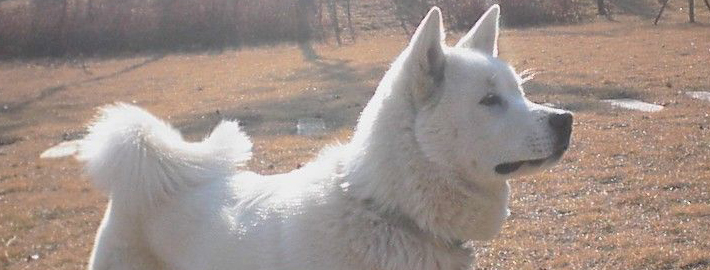
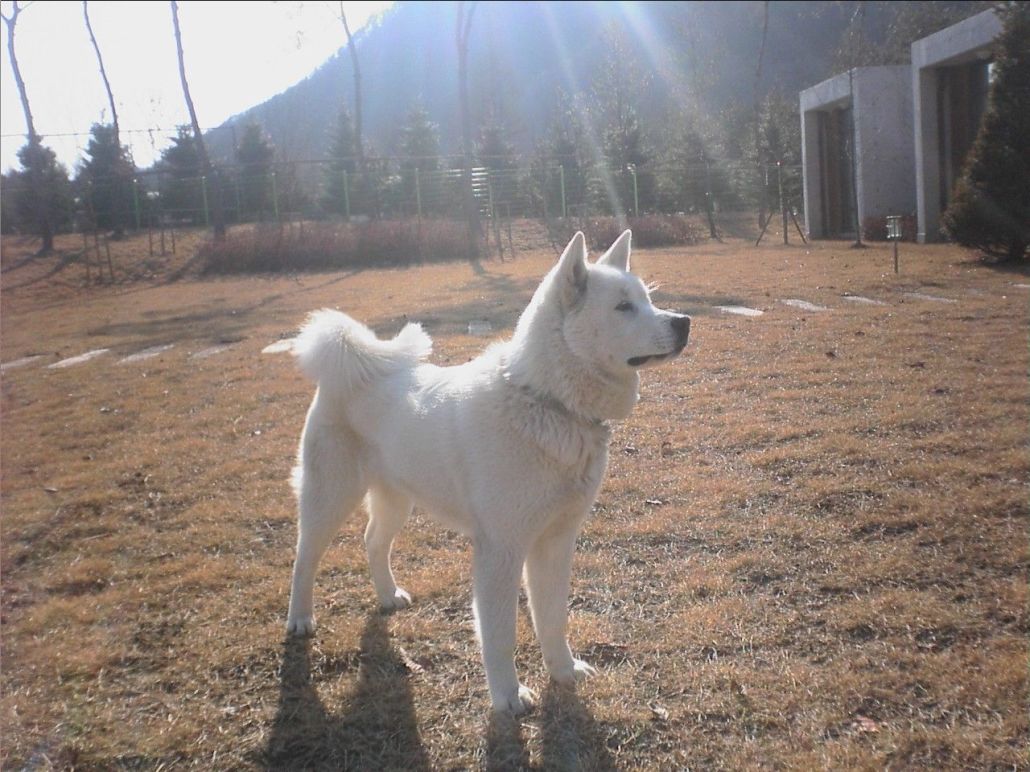
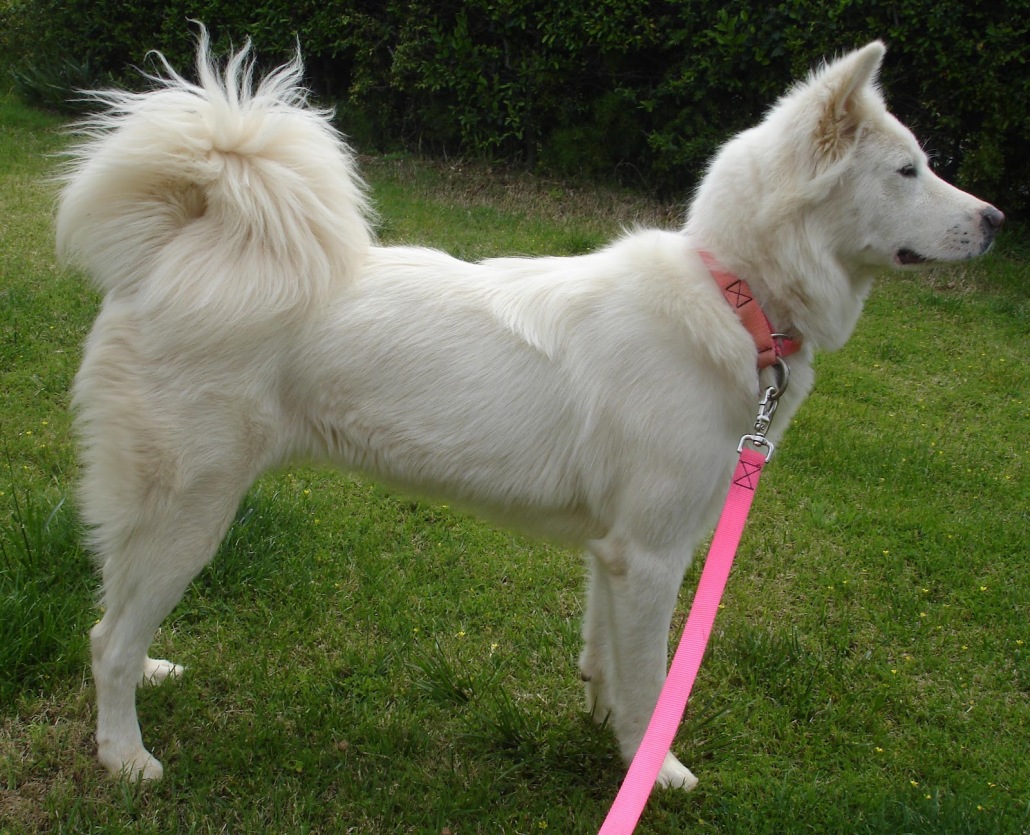
The Pungsan is a mixed breed with wolf found in North Korea. Pungsan have a thick coat, usually white in color. They have a curled tail and pricked ears. The Pungsan’s fur is very fine and thick to account for the cold winters in the northern Korean peninsula. Pungsan are a common breed in North Korea. Though this breed is extremely rare outside of North Korea, there are a few breeders in South Korea and even in the United States.

Pungsan dogs are very strong and agile because of their past in mountainous regions. They have traditionally been used for hunting large animals, including Amur Tigers. They have a lot of stamina and therefore require extensive exercise.

Due to their hunting personality, Pungsan pups will have a tendency to chew on several things so it is recommendable to give the dog things to chew.

Pungsan tend to be loyal to their owners and whomever they are comfortable with. Everyone else will be ignored, unless they invade in what is to be perceived as their space or territory. They will only bark at other people when it is necessary to do so. However, due to the breed still being closely linked to the wolf, aggression and a high prey drive are typical and to be expected.

Short History

Short History of the Pungsan Dog

The Pungsan Dog, also commonly called the Korean Poongsan or Korean Phungsan, originates from North Korea and has wolf in its lines. This hunting dog was said to hunt panther. They were used for military purposes. Though the origins of the Pungsan dog are not known, it is believed they were bred as hunting dogs as early as the Joseon dynasty. It is known that they originated in the mountainous north of Korea in Pungsan county (now known as Kimhyŏnggwŏn. Their thick coat is a protection against the freezing temperatures of northern Korea, and they were bred to be resistant to the cold. In old Korean tales, the dogs were famous for their cleverness and loyalty, as well as their hunting ability; there is even a famous story of a Pungsan defeating a Siberian tiger.

Temperament

Temperament

Pungsan Dogs tend to be the dominant type, trying to get things their own way, and can be very protective of their loved ones and territory. Because of these traits, Pungsans are not recommended for inexperienced owners. Like most independent breeds, they need (and thrive under) firm but loving handling and consistency. Owners need to set the rules and stick with them. An owner who has earned the respect of his/her Pungsan will be rewarded with unsurpassed loyalty and obedience. As with all breeds, the Pungsan temperament varies with the quality of breeding and environment. This breed has a high prey drive.


Caring for Your Pungsan Dog


Health

General Health

Pungsans are a healthy, hearty breed, but they are prone to some of the same health problems, common to many large dogs. These include:

  • Hip Dysplasia
  • Elbow Dysplasia
  • Cancer
  • Ear Infections
  • Entropian (inward folding eyelid)
  • Ectropian (outward folding eyelid)
  • Obesit
  • Bloat

Grooming & Bathing

Grooming & Bathing

The Pungsans double coat sheds heavily twice a year. During the heavy shedding times, you will need to brush your dog’s coat every day to remove the excess hair. Giving your dog warm baths will also help to remove dead hair. These dogs do not have a “doggie smell”, so bathe only as needed.

Exercise & Training

Exercise & Training

The Pungsan needs room to move. They need long daily walks, jogs or runs beside you on a bike in order to satisfy their exercise needs. Without this type of exercise they will become destructive and hard to handle. While on the walk be sure to not allow the dog to walk or jog in front of the human, as it is a canine instinct for the leader to go first. If you allow this dog to take over, you will have big problems on your hands.

Pungsan Dog Picture Gallery

Bruno Jura Hound

Bruno Jura Hound – Excellent Fox Hunter


What makes the Bruno Jura Hound Unique?


They are known to be keen and excellent hunters, with fox or hare as their favorite prey. Like some hounds, they are able to track and follow scents to miles throughout the stony terrain of mountains that are bordering Switzerland and France. The Bruno Jura Hound is a skilled scent follower and is capable of following the slightest trace of a scent over the rough terrain of the Jura mountains. It needs firm handling if kept solely for companionship.

SnapShot

Size: Males – 43 to 58 cm (17 to 23 inches)
Females – 43 to 58 cm (17 to 23 inches)
Weight: Males – 15 to 20 kg (34 to 44 lb)
Females – 15 to 20 kg (34 to 44 lb)
Origin: Switzerland
Life Span: 12 – 13 Years
Colour: Deep bronze color or a fawn reddish huek
Litter Size: 8 puppies

Is the Bruno Jura Hound Right For You?


The Bruno Jura Hound likes to explore new and fascinating terrains that they have never come across before. These dogs absolutely fit for those people whose interests are hiking and exercising since they will enjoy going out with their owners. Additionally, these dogs also make great friends to children and they’re not extremely aggressive when it comes to strangers. But, this depends on how well they are being handled.

When training these hounds to become hunting partners, the process is very simple because they have extraordinarily brilliant hunting techniques. Having them as a hunting partner will be very beneficial for the owner since they are incredibly gentle and affectionate. Also, these dogs are even-tempered and because they are very loyal, they will defend their mastersin any kind of extent possible most especially if they have sensed an impending danger.

In 5 Words


  • Gentle
  • Affectionate
  • Sweet
  • Friendly
  • Loving

Fun Fact

THE BRUNO JURA HOUND IS A DOMESTIC DOG, DEVELOPED IN THE MIDDLE AGES FOR HUNTING IN THE JURA MOUNTAINS ON THE SWISS-FRENCH BORDER.

Characteristics


Exercise
Friendliness
Trainability
Watchdog
Health Issues

Learn About the Bruno Jura Hound


Description

Description

Head: Large and domed, with a very strong muzzle.
Eyes: Dark in color.
Ears: Set low and very long.
Muzzle: Medium size and well proportioned to head.
Nose: Black and self-colored according to coat.
Bite: Scissor or level.
Neck: Medium in length and powerful.
Top-line: Level.
Chest: Deep but not too broad.
Body: Back is of good length, firm and straight. Loins are strong.
Legs: Forelegs are straight, strongly boned and clean, with hind legs moderately bent at the stifles and hocks.
Feet: Round with strong nails and tough pads.
Tail: Medium length and carried slightly curved upward, but not curled.
Movement: Strong and driving, yet very agile.
Coat: Short, Thick and Hard.
Color: Tan With Black Saddle, Black With Tan Points.

Short History

Short History of the Bruno Jura Hound

The Bruno Jura hound is a domestic dog, developed in the Middle Ages for hunting in the Jura Mountains on the Swiss-French border.
They are found in a variety of colors and have a broad head and heavy wrinkles, which differentiate them from the other Swiss hounds. It is known for hunting fox, hare, and sometimes even small deer. The Bruno Jura Hound is a skilled scent follower and is capable of following the slightest trace of a scent over the rough terrain of the Jura mountains. It needs firm handling if kept solely for companionship.

A mosaic found in Avenches places them in the Roman Helvetia times. In the 15th century the Swiss Hound was quite popular among Italian dog-lovers, and in the 18th century it was popular among the French, because of its astounding capability to hunt the speedy hare. The breed standard for the Swiss Hound was established in 1882 and revised in 1909.

Temperament

Temperament

These dogs can be known as little adventurers. They enjoy exploring new and interesting terrain they have never been to before. They are definitely for anyone who loves going on hikes and exercising as they will be the most joyous when out and about with their master. Since they are known as scent hounds they will sniff almost anything, even if its in their territory. They make for great friends for children and they are not very aggressive to strangers, depending on how they are handle.


Caring for Your Bruno Jura Hound


Health

General Health

They do not get many sicknesses although they can get allergies in the spring time or as they age because their noses can get much more sensitive.

Grooming & Bathing

Grooming & Bathing

The Bruno Jura Laufhund breed of dog should be brushed once per week to remove any dead hair but outside of that, they are a very easy dog to groom. Special care should be given to the ears, since they can be prone to ear infections and the hair under the ears and around the feet should be trimmed on a regular basis. Baths should only be given when it is absolutely necessary and the breed can go several months between baths.

Exercise & Training

Exercise & Training

Well-mannered, companion bruno jura hounds are a blessing to raise. But when left untrained, your bruno jura hound may be a headache. Teaching your bruno jura hound the fundamentals—”Come”, “Down”, “Heel”, “Off”, “Sit”, “Stay”, and “Leave it”—strengthens your relationship both with the pooch as well as the neighbors. If you have a pup, begin teaching her the appropriate responses as fast as you can! Use doggie treats as recognition and incentive. Puppies can begin obedience class when they have been adequately immunized. Contact the community humane society or SPCA for information about obedience class recommendations. Always walk your bruno jura hound leashed in public, even while a puppy. Just be positive your doggie will come to you whenever you say so. An aggressive or disobedient bruno jura hound shouldn’t play with others.

Bruno Jura Hound Picture Gallery
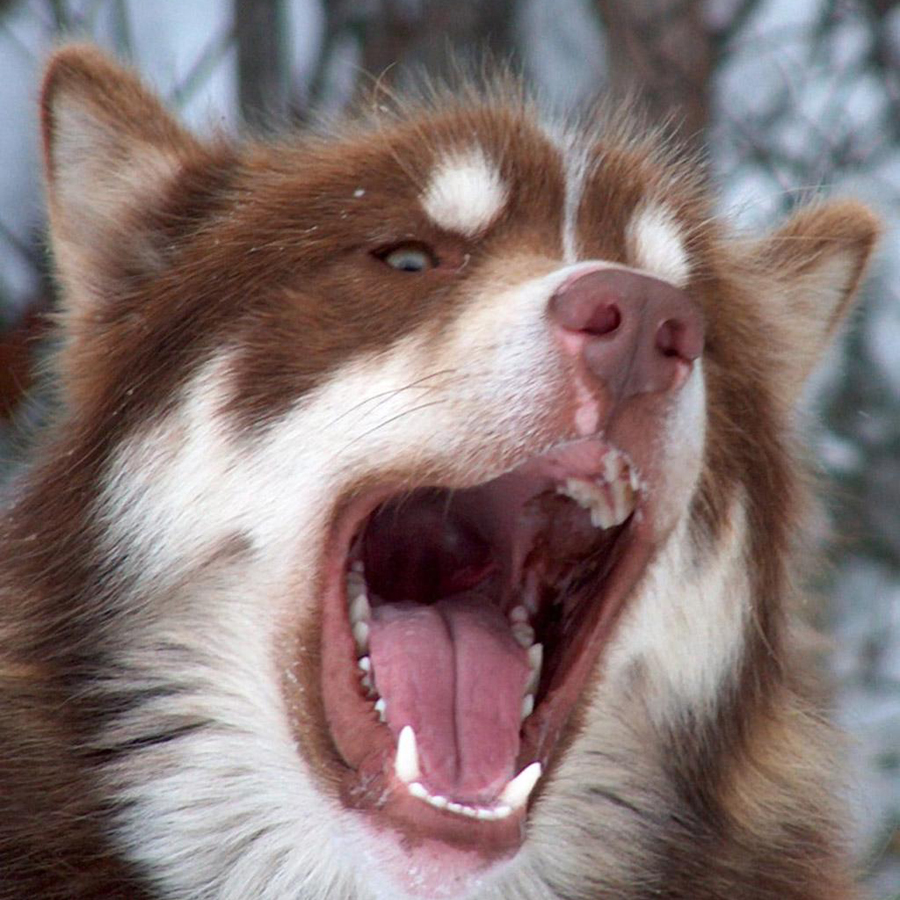

Broholmer

Broholmer – The Estate Guardian


What makes the Broholmer Unique?


The Denmark Broholmer is a dog that strongly resembles a mastiff. It is large and powerful, with a loud, impressive bark and dominant walk. A well trained Broholmer should be calm, good tempered, and friendly, yet watchful towards strangers.

SnapShot

Size: Males – 75 cm (29.5 inches)
Females – 70 cm (27.5 inches)
Weight: Males – 51 to 69kg (110 to 150 pounds)
Females – (41 to 59 kg (90 to 130 pounds)
Origin: Denmark
Life Span: 6 – 11 Years
Colour: Light or brownish yellow, or black
Litter Size: 4 to 10 puppies

Is the Broholmer Right For You?


Broholmers make excellent family companions. They are very devoted to their families. There life will revolve around your life, as they want nothing more than to engage and be with you every moment they can. They love people of all ages including children and the elderly, which makes them awesome Therapy Dogs.

Broholmer is a very agile, dry mouthed breed of dog, They can do agility, fetch balls, and some love to jump and catch a frisbee. They also can pull carts and sleds for the kids, They get along well with other dogs and do enjoy play dates, especially if they are an only dog. They are a very sweet tempered breed of dog with a heart of gold that will easily steal your heart.


In 5 Words


  • Calm
  • Good Tempered
  • Friendly
  • Watchful
  • Confident

Fun Fact

THE DENMARK BROHOLMER IS A DOG THAT STRONGLY RESEMBLES A MASTIFF.

Characteristics


Exercise
Friendliness
Trainability
Watchdog
Health Issues

Learn About the Broholmer


Description

Description

A Mastiff-type of dog of large size, rectangular and strongly built, with a composed and powerful movement. Its appearance is dominated by the powerful forequarters. The head is massive and wide, the neck is sturdy with some loose skin, the chest is broad and deep. At rest the head is carried rather low and stooping, and the tail is hanging down sabre-like. When moving, the tail is carried higher, but not over the topline. When the dog is attentive or aroused, the head is carried higher and the tail is raised above horizontal.

Short History

Short History of the Broholmer

Known since the Middle Ages, when it was used for hunting (stag-hunting). Later on it was used mainly as a guard dog for large farms and manors. At the end of the 18th century these dogs were breeding pure and increased in number thanks to the royal game keeper Sehested of Broholm, from where the breed has inherited its name. After the Second World War the breed almost became extinct, but around 1975 a group of committed people organized a group called “The Society for Reconstruction of the Broholmer Breed”. They were supported by the Danish Kennel Club and began the work of reviving the breed.

Temperament

Temperament

Calm, good tempered, friendly, yet watchful, the owner of the Broholmer must show great self-confidence. The objective in training this dog is to achieve pack leader status. It is a natural instinct for a dog to have an order in their pack. When we humans live with dogs, we become their pack. The entire pack cooperates under a single leader; lines are clearly defined and rules are set. Because a dog communicates his displeasure with growling and eventually biting, all other humans MUST be higher up in the order than the dog. The humans must be the ones making the decisions, not the dogs. That is the only way your relationship with your dog can be a complete success.


Caring for Your Broholmer


Health

General Health

The Danish Broholmer is a healthy breed; though, as with larger breeds, may be prone to canine hip dysplasia and canine bloat but there don’t appear to be any breed specific health problems attached to this breed.

Grooming & Bathing

Grooming & Bathing

The short coat of this dog does not require much grooming. Weekly brushing should keep the coat clean.

Exercise & Training

Exercise & Training

This breed needs a daily, long walk, where the dog is made to heel beside or behind the human holding the lead. Never in front. Like many other giant breeds it is important to remember that too much forced, vigorous exercise is not good for a young dog’s growth and development, so watch your puppy for any signs, but it still instinctively needs a daily walk.

Broholmer Picture Gallery
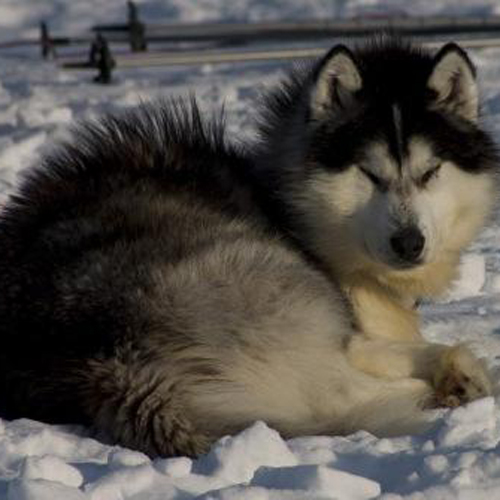

Briquet Griffon Vendéen

Briquet Griffon Vendéen – Intelligent and Affectionate


What makes the Briquet Griffon Vendéen Unique?


Very intelligent with a strong work ethic, the Briquet Griffon Vendeen is a valuable addition to any family or working team of dogs. They are energetic, alert, and attentive and will enjoy a variety of actvities with companion dogs and owners. They are most comfortable with plenty of exercise and will need to be taken out for activities at least once per day.
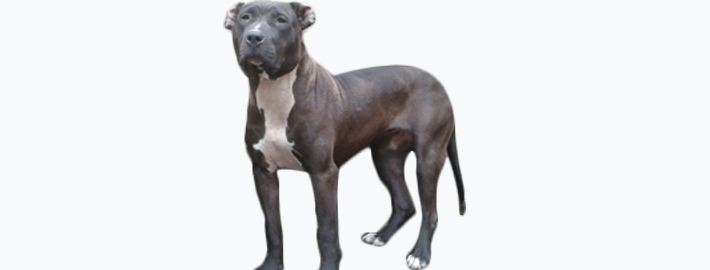
SnapShot

Size: Males – 51 to 56 cm (20 to 22 inches)
Females – 51 to 56 cm (20 to 22 inches)
Weight: Males – 21 to 24 kg (48 to 53 lb)
Females – 21 to 24 kg (48 to 53 lb)
Origin: France
Life Span: 11 – 13 Years
Colour: Solid or mixed colors, fawn, light brown, white and orange, white and gray and even tri-colored
Litter Size: 4 to 6 puppies

Is the Briquet Griffon Vendéen Right For You?


This dog breed is buoyant, fun-loving and playful, but also a little unruly and extremely independent. The Briquet Griffon Vendeen gets along well with older children, other dogs and non-canine pets, especially those they were raised with. This is a devoted, hard-working and dependable breed.

The dog’s character is well received by many families and children. The dogs are small, vivacious, and hardy. They are very active and alert, and are ready fro new activities with their companions and owners. These dogs do not do well with cats or other household pets that they may see as prey. The do well with friendly strangers, but cannot tolerate being alone for extended periods of time.
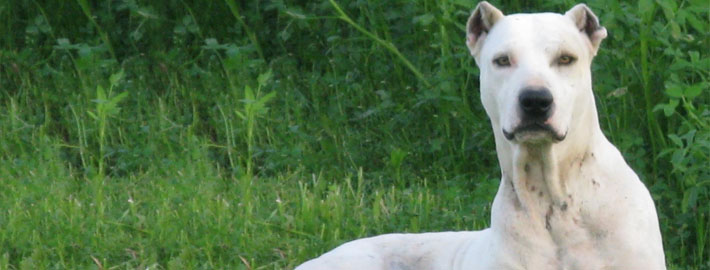

In 5 Words


  • Passionate
  • Dominant
  • Independent
  • Friendly
  • Happy Dog

Fun Fact

BRIQUET GRIFFON VENDÉEN IS A BREED OF HUNTING DOG ORIGINATING IN FRANCE.

Characteristics


Exercise
Friendliness
Trainability
Watchdog
Health Issues

Learn About the Briquet Griffon Vendéen


Description

Description

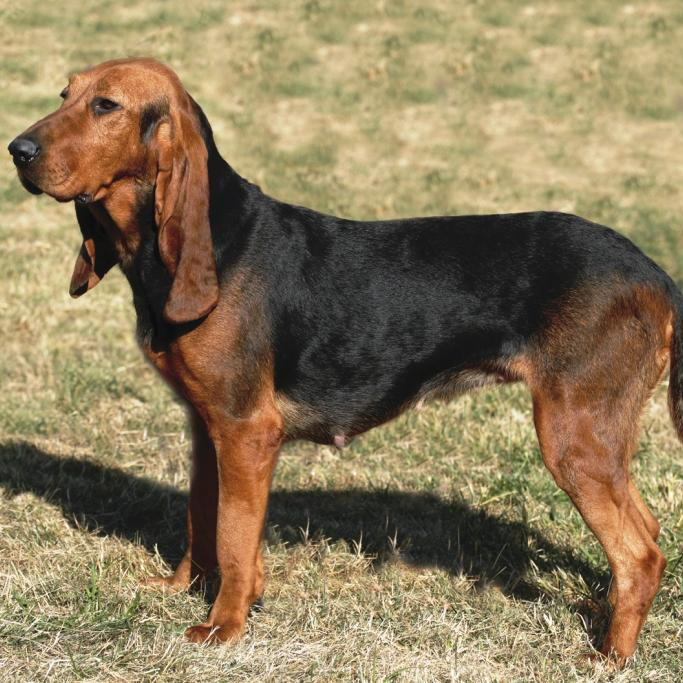
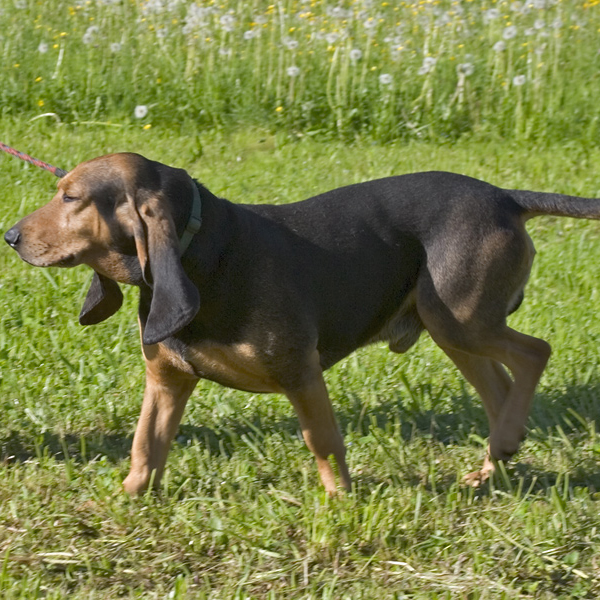
The Briquet Griffon Vendeen is a very receptive and sensitive dog. It is stocky but well proportioned with a firm snout and long, dropping ears on the sides of its head. The head is medium-sized and the dog has a medium sized snout. The tail is short and will stick straight out when the dog is alert, anxious, or happy. This dog stands tall and confident, and has medium legs in proportion to its overall height and length. This light dog is often used for hunting small deer and there are two main sizes of the species. A rough coat and compact structure define these hounds, and they have a lively bearing and outlook. They have large, dark, and expressive eyes that show very little white; they also have a naturally friendly and intelligent expression. The ears are supple and narrow, and covered with long hair. The mouth has a scissor bite that is level and consistent.
Short History

Short History of the Briquet Vendeen Griffon

Briquet Vendeen Griffons are one of the four rough-coated breeds from the west cost of France in the La Vendee region. These four include the Briquet, Grand Griffon Vendeen, Basset Griffon Vendeen, and the Petit Basset Griffon Vendeen (also known as a “PeeBeeGeeVee”, or PBGV). Believed to have descended from the Vendéen hounds of the Gris de St. Louis, the Briquets are thought to be bred from the white Southern Hound and other Italian coarse-haired dogs. One of the first breeders being the king’s clerk, or greffier, the hound probably got the “griffon” part of its name from this. Several of these dogs were given to King Louis XII, eventually developing the name Chiens Blancs du Rui, or the King’s White Hounds. During the French Revolution the dogs were almost gone, but around the 20th century in 1907, a club formed and began bringing back the dogs. The Briquets were used for hunting hare and other small game, but due to less and less hunting the breed has lost its need. This breed was severely reduced during World War II and is still relatively unknown even in France. These days it is known as a pet and companion dog, occasionally out on the hunt with its owner, or by itself!

Temperament

Temperament

Briquet Griffon Vendeens are alert, active, decisive, intense and enthusiastic. Sure to warm any heart, this breed is courageous and good natured, though a few have been known to be a little snappy. Briquets are difficult to handle with training, though, as they are instinctively independent and single minded. They make reasonably good watchdogs, and are generally good with children. Briquets tend to dig.


Caring for Your Briquet Griffon Vendéen


Health

General Health

Breed health concerns may include aseptic meningitis, ear infections, glaucoma, hip dysplasia, patellar luxation and persistent papillary membranes.

Grooming & Bathing

Grooming & Bathing

The tousled appearance of the Griffon comes naturally, and any trimming is highly discouraged. Its double coat must be brushed and combed. The burrs and mud it picks up in its travels need to be brushed off its legs and belly. Its long ears can harbor infection and should be cleaned regularly.

Exercise & Training

Exercise & Training

All the Griffons are keen hunters with strong instincts. They thrive on being able to follow their noses at least once a day. Provided with a large, safe area in which to sniff and explore to its heart’s content, a Briquette will be a very happy dog- even if it is just once a week. Short of hunting opportunities, Griffons must have time outdoors. Long walks are most appreciated- bred as hunting dogs, they do not tire easily.

Briquet Griffon Vendéen Picture Gallery