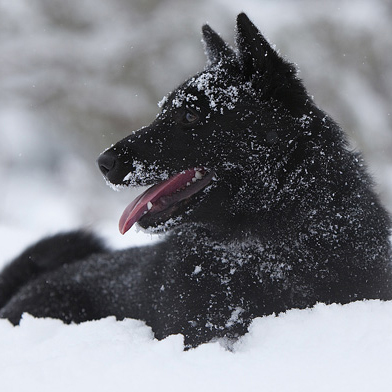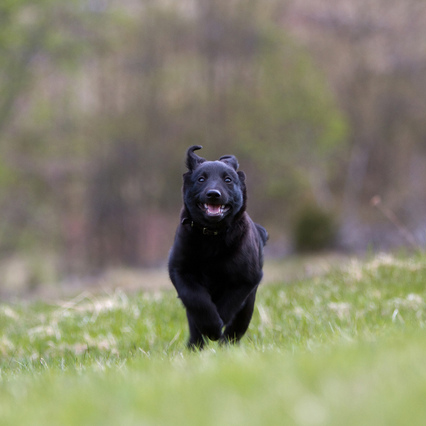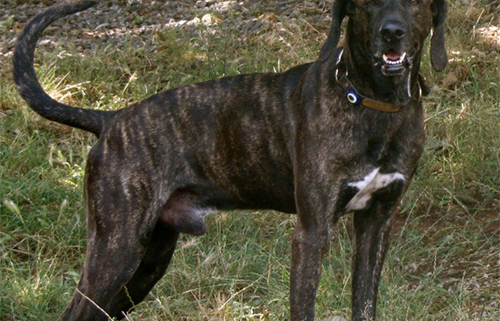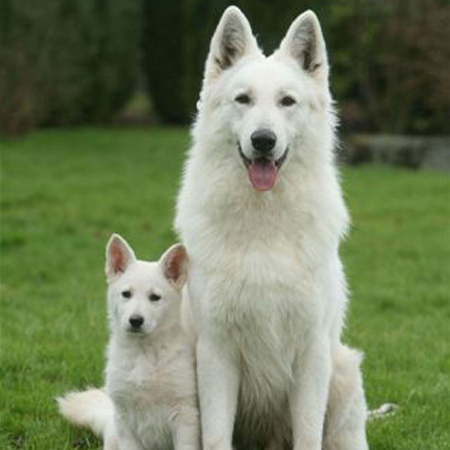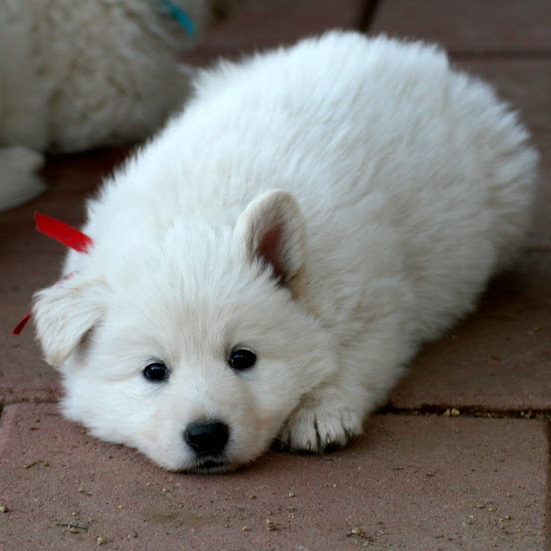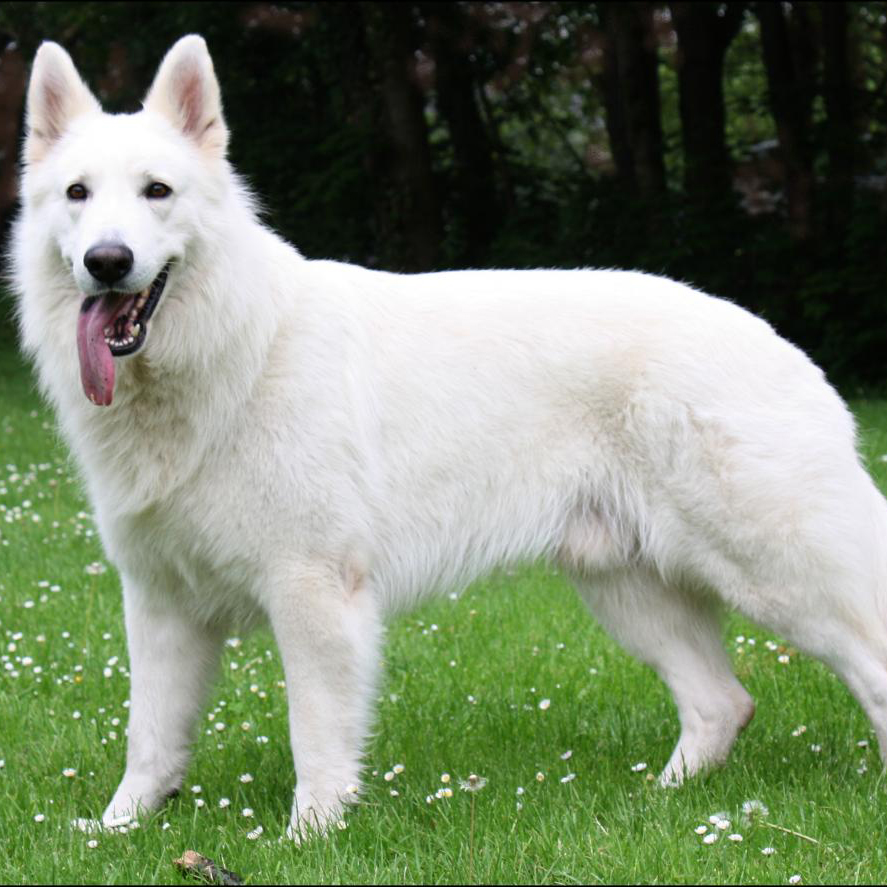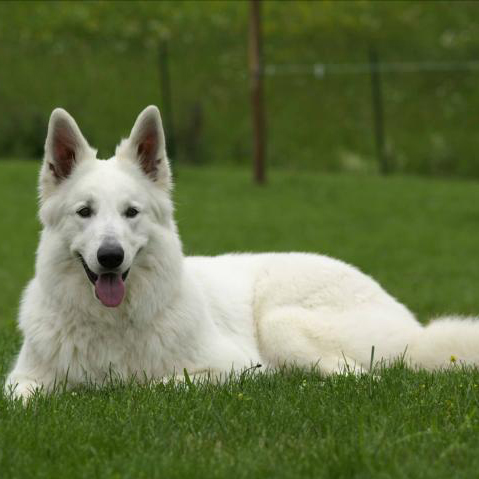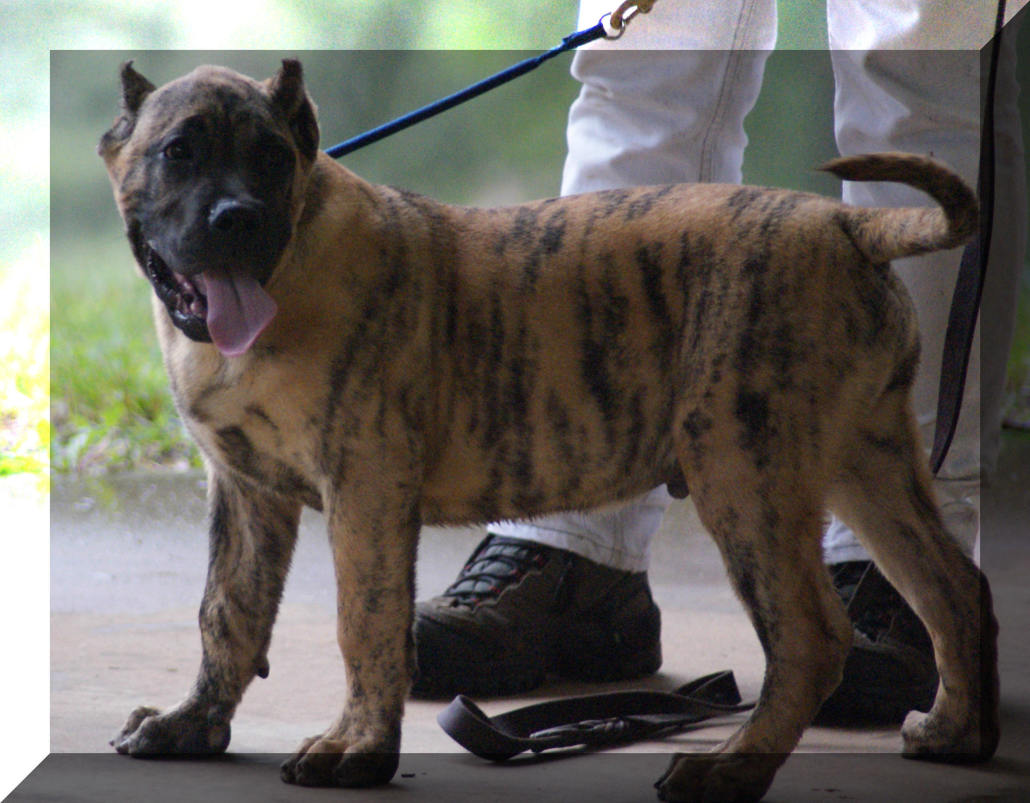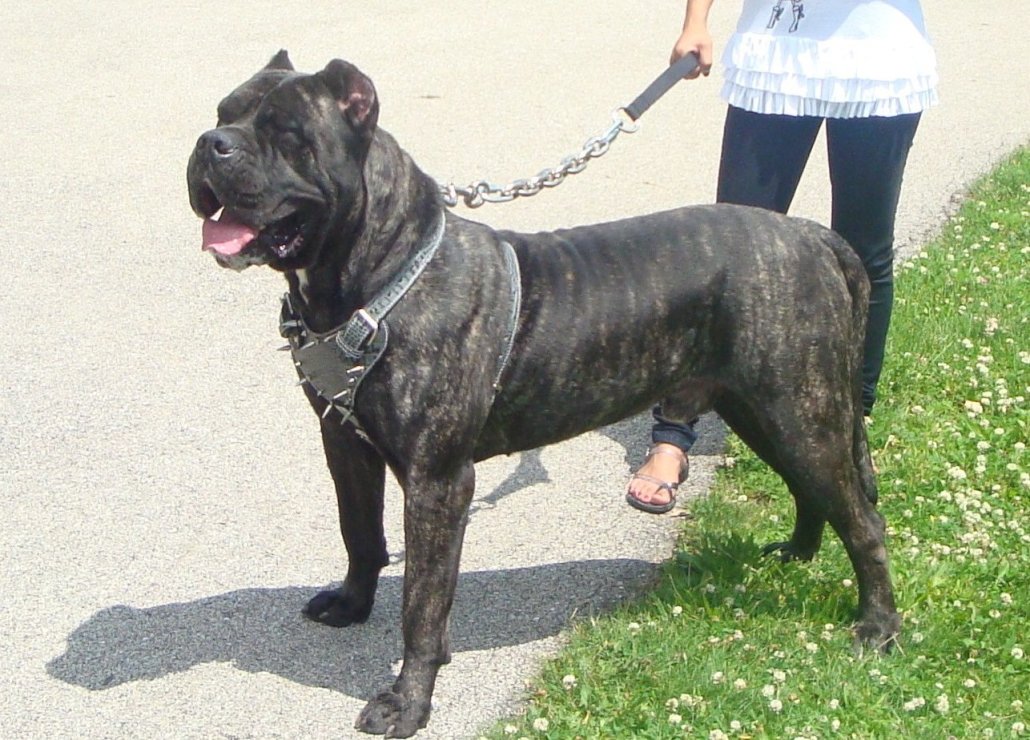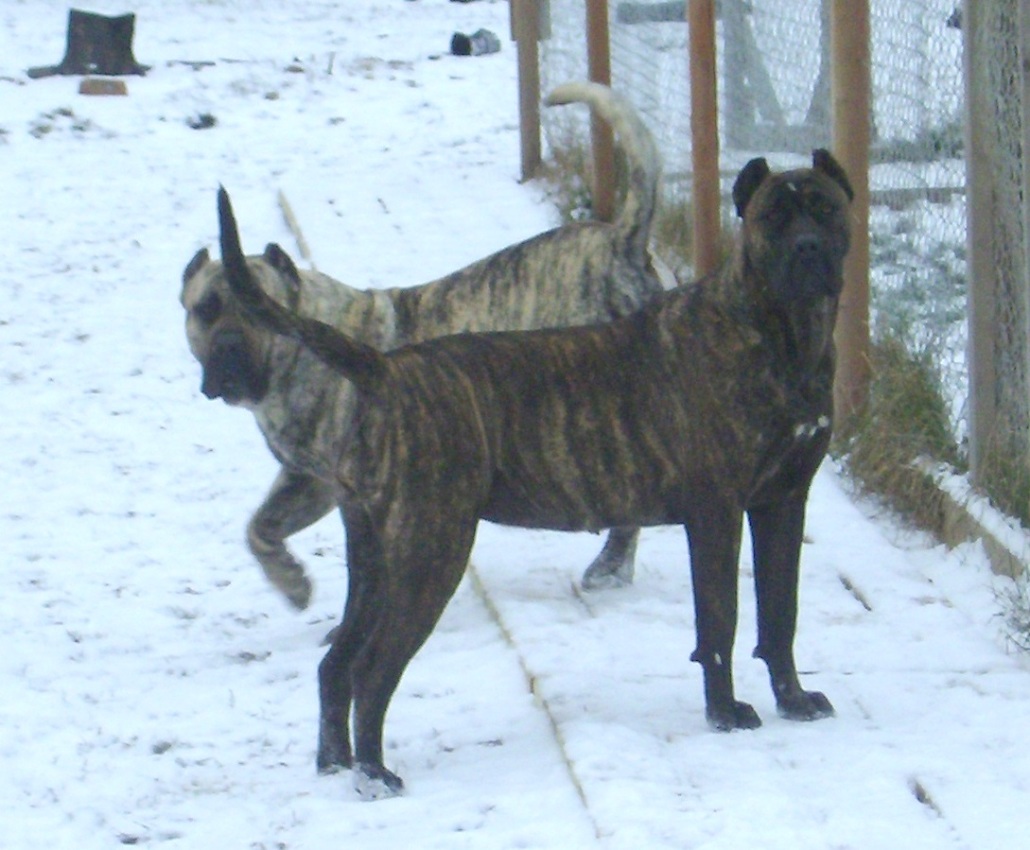
Bolognese

Bolognese – Little White Fluffball

What makes the Bolognese Unique?

A true companion dog, the Bolognese dog breed loves to be at his family’s side. However, he also loves getting his way and can be quite crafty about it, so be careful — you could find yourself being manipulated by a 10-pound furball.

SnapShot

Size: Males – 27 to 30 cm (11 to 12 inches)

Females – 25 to 28 cm (10 to 11 inches)

Weight: Males – 2.5to 4 kg ( 5.5 to 8.8 pounds)

Females – 2.5 to 4 kg (5.5 to 8.8 pounds)

Origin: Italy
Life Span: 12 – 14 Years
Colour: White
Litter Size: 6 to 7 puppies

Is the Bolognese Right For You?

Gentle and affectionate, these little dogs love people in all forms and are very good with children and other animals displaying a patience rarely seen in smaller dogs. They are playful but not over active and the owner of one of these little dogs needs to make sure enough exercise is received otherwise they can gain weight easily. They are friendly but sometimes reserved with strangers and will bark to alert their family of strangers at the door. That said though, they are not ‘yappy’ as are many smaller dogs. They are intelligent enough to learn new commands readily and enjoy the mental stimulation and are exceptionally eager to please. They are well known for their love of their creature comforts and will happily spend many hours snuggled in a warm bed or lap.

This little dog requires frequent grooming to keep its white coat gleaming and in tip top condition. They are a breed of dog which sheds little, making them a good choice for people with allergies and keeping on top of grooming will help this further, getting rid of any dead hairs and enhancing the pure colour of their coat. They do require at least once a walk per day, to keep them fit and healthy, but otherwise can usually be found in their favourite warm and comfy place at home.

In 5 Words

  • Reserved
  • Serious
  • Docile
  • Loyal
  • Enterprising
Fun Fact

YOU MAY HAVE HEARD THESE DOGS’ NON-SHEDDING COATS MAKE THEM A “NON-ALLERGENIC” BREED, BUT THAT’S NOT TRUE. IT’S A DOG’S DANDER – FLAKES OF SKIN – THAT TRIGGERS ALLERGIC REACTIONS, NOT THE COAT.

Characteristics

Exercise
Friendliness
Trainability
Watchdog
Health Issues

Learn About the Bolognese


Description

Description

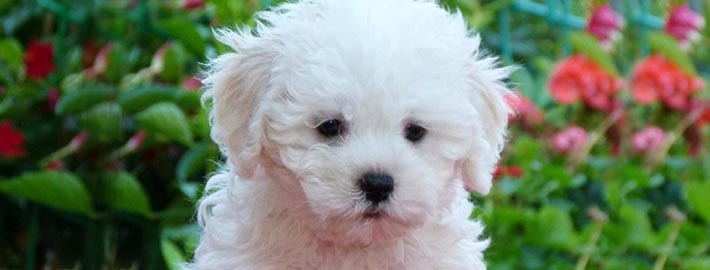
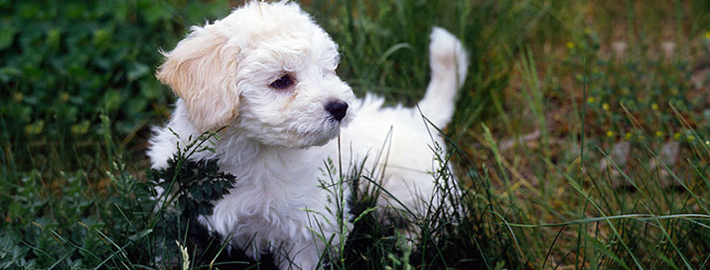
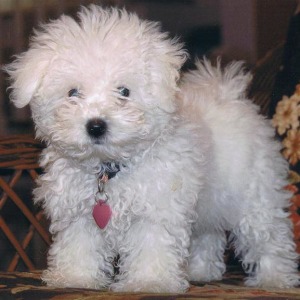
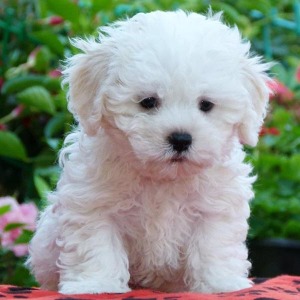
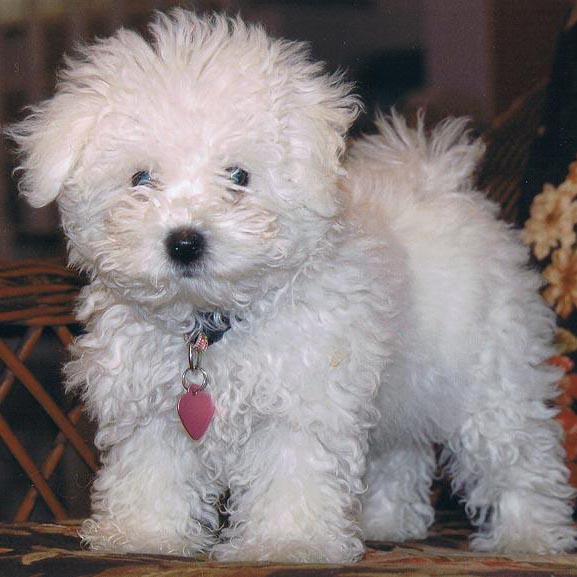
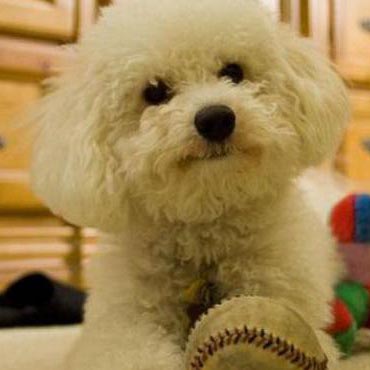
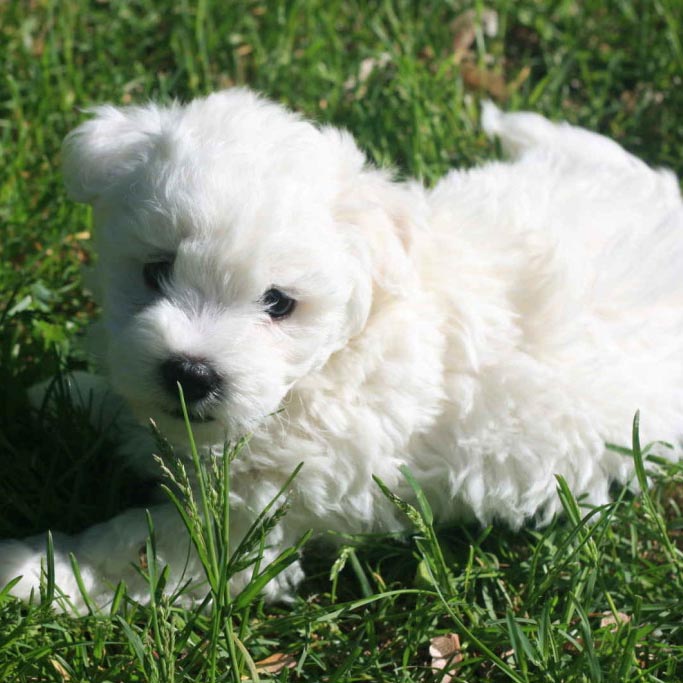
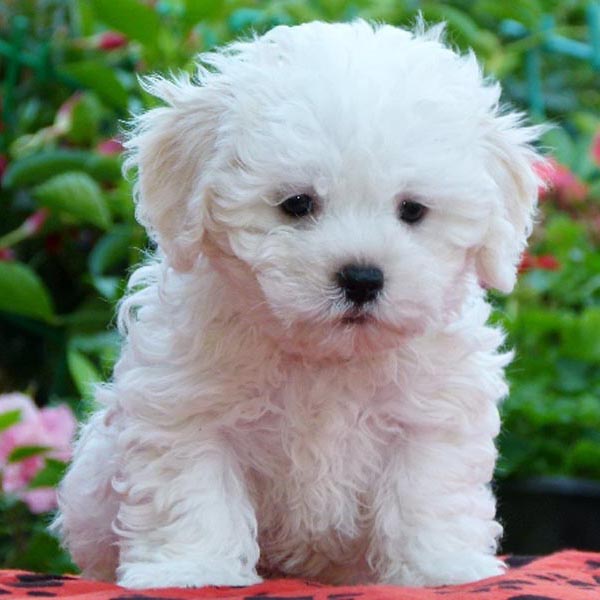
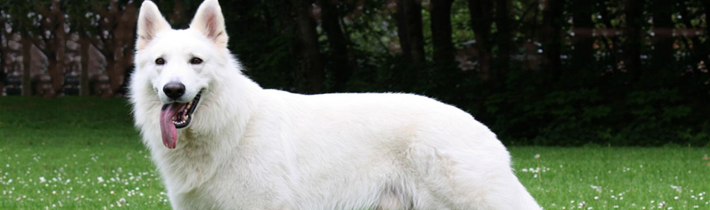
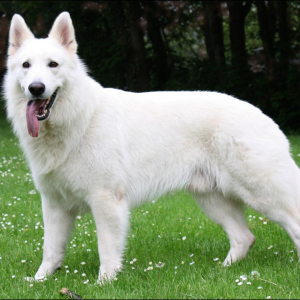
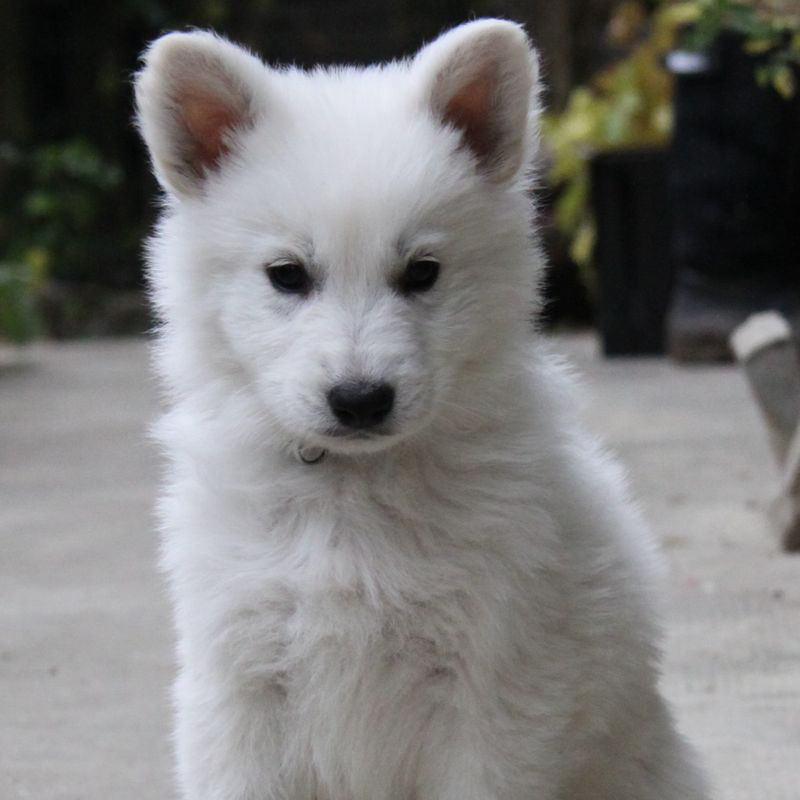
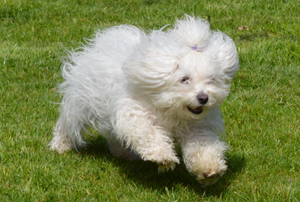
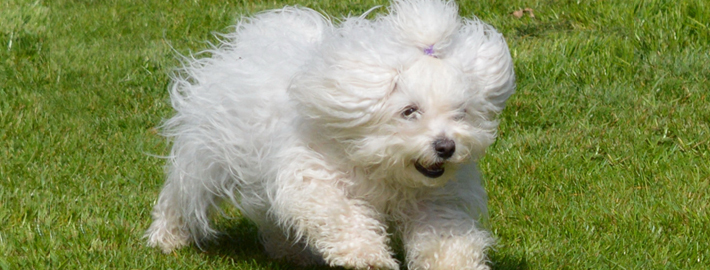
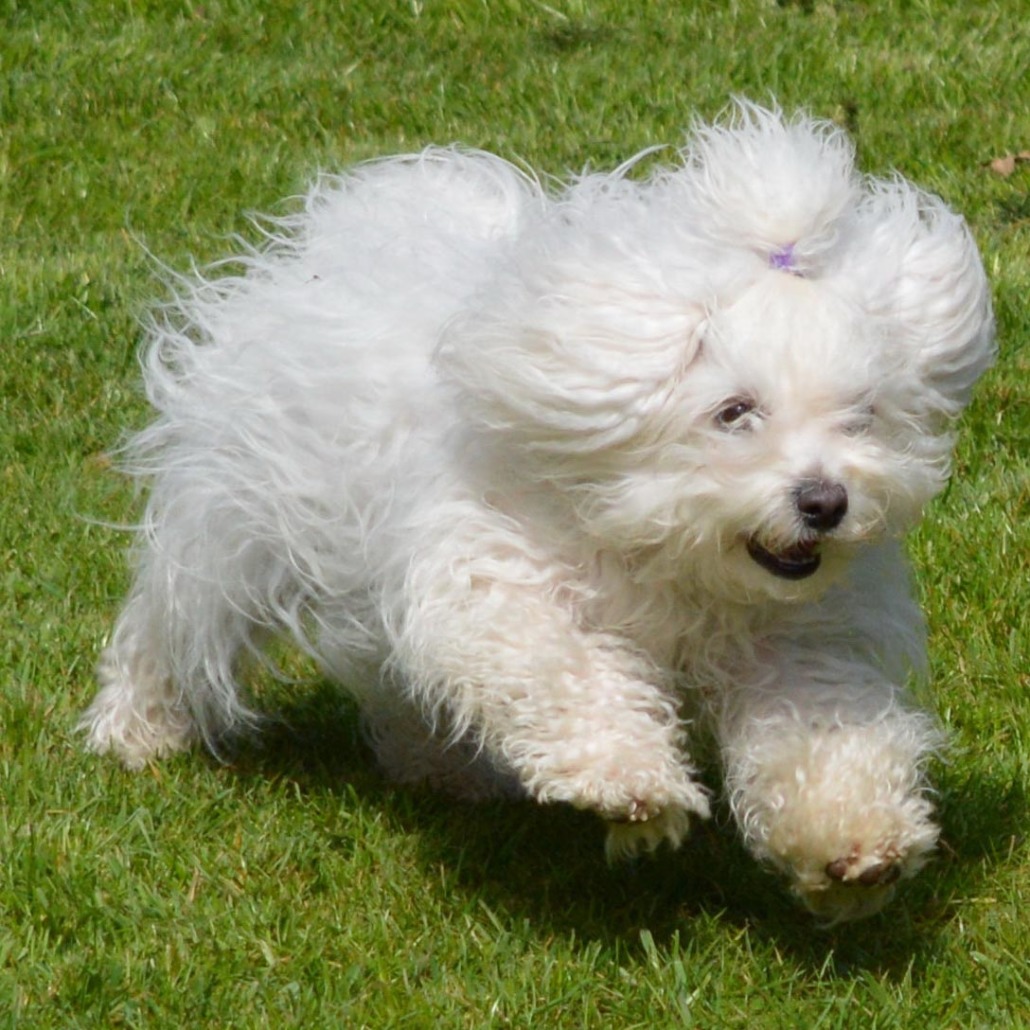
The Bolognese is a small, white, compact dog with a distinctive white single coat. It is of small size, stocky and compact.[citation needed] It is of square build and well-muscled. The head is of medium length. The skull is slightly ovoid. The muzzle is large, black and almost square. It has a developed jaw and the upper lips don’t cover the bottom lips. Its lips are black. It has white, strong and evenly aligned teeth. Its eyes are well developed, open and round. The rims of the eyelids are black and the iris is a dark ochre color. The ears are set high and are long and hanging but rigid at the base. The tail is carried curved over the back.[citation needed]

The Bolognese’s height varies 10.5 to 12 inches for a male and 10-11 inches for a female.[citation needed] The weight varies between 6 to 14 lbs.

Short History

Short History of the Bolognese

The breed was brought into England in 1990 by Liz Stannard and is first shown during that year in the breed registry. In 2001 the breed was able to be shown at all shows with their own classes. They were at Crufts, an annual international dog show, for the first time in 2002.

Temperament

Temperament

The Bolognese genuinely enjoy companionship of people and forms a close relationship with his owner. They are true companions and thrive on their owner’s attention. They have been known to follow their owners wherever they go. They are friendly with strangers but need to get accustomed to people at a young age. They can be reserved with strangers at first but the response of the owners to the new person greatly influences their behavior towards the individual. Because of this, they are generally friendly towards strangers after the initial meeting. Bolognese are true watchdogs, but are not incessant barkers. They notice anything unusual and faithfully notify their owners. Bolognese get along well with other dogs but are happy to be the only dog in the family. They are non-aggressive by nature.


Caring for Your Bolognese


Health

General Health

Bolognese can suffer from hip dysplasia, a genetic hip deformity that requires costly surgery to repair and can lead to arthritis later in life. And as with all small dogs, the kneecaps of the Bolognese may have a tendency to slip out of place, a condition known as “luxating patellas.” Bolognese can develop Legg-Calve-Perthes disease, a condition that causes reduced blood supply to the head of the thigh bone, which in turn causes it to shrink. The first sign of this disease is limping, which usually appears when the puppy is 5 to 8 months old. Treatment requires surgical repair, after which the puppy will have a relatively normal life. As with most small dogs, Bolognese are prone to periodontal disease because of the small size of their mouth. Consult your veterinarian about a preventive care program, and don’t treat dental disease lightly.

Grooming & Bathing

Grooming & Bathing

The coat requires daily brushing, with monthly grooming sessions recommended. This breed sheds little to no hair.

Exercise & Training

Exercise & Training

These are active little dogs that need a daily walk. Play will take care of a lot of their exercise needs, however, as with all breeds it will not fulfill their primal instinct to walk. Dogs that do not get to go on daily walks are more likely to display behavior problems. They will also enjoy a good romp in a safe open area off-lead, such as a large, fenced-in yard.

Bolognese Picture Gallery

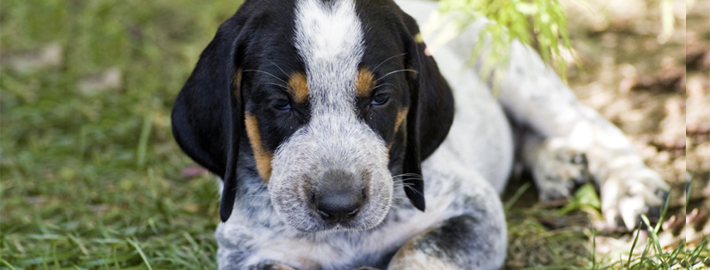
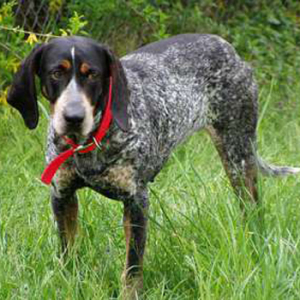
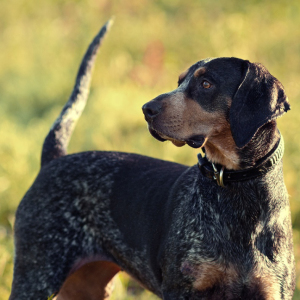
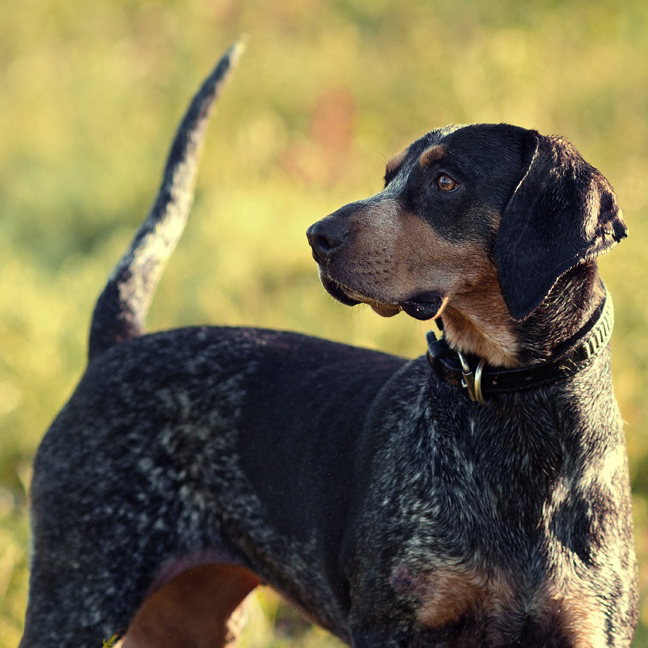
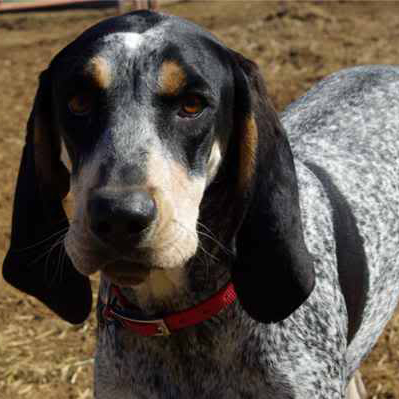
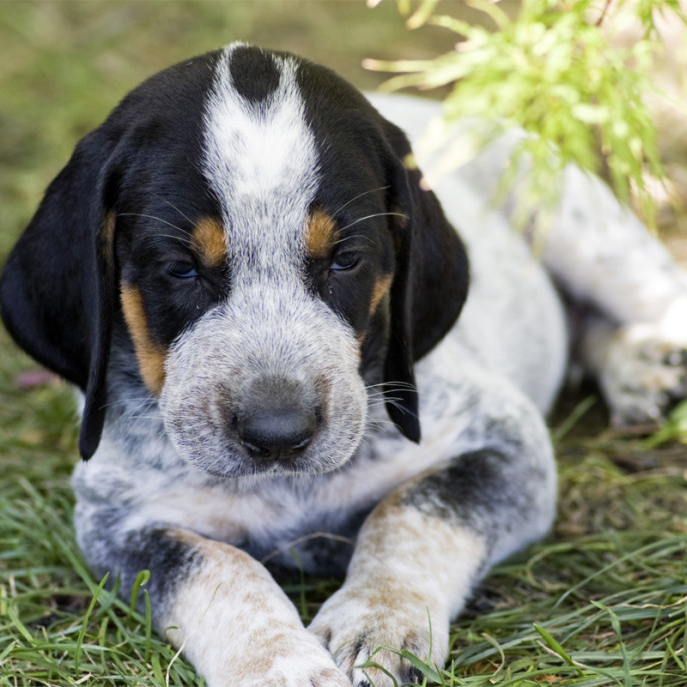
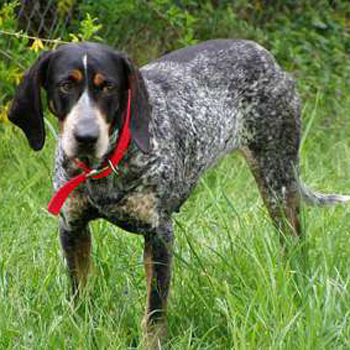
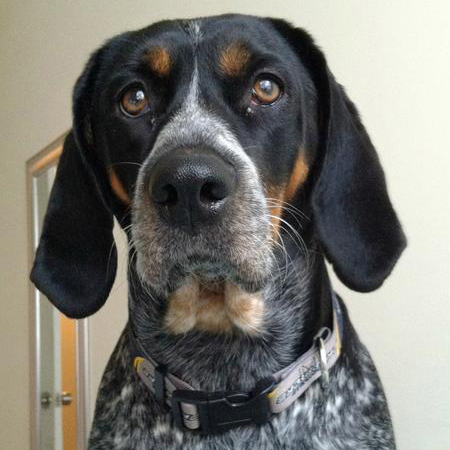
Bluetick Coonhound

Bluetick Coonhound – Bawling Barker


What makes the Bluetick Coonhound Unique?


Bluetick Coonhounds have a personality that seems suitable for a personals ad. These dogs are intelligent, sweet tempered, and friendly. Plenty of people also consider these dogs to be a handsome breed.

SnapShot

Size: Males – 56 to 69 cm (22 to 27 inches)
Females – 53 to 64 cm (21 to 25 inches)
Weight: Males – 25 to 36.4 kg (55.1 to 80.2 pounds)
Females – 20.5 to 29 kg (45.2 to 63.9 pounds)
Origin: United States of America
Life Span: 11 – 12 Years
Colour: Bluetick
Litter Size: 7 to 8 puppies

Is the Bluetick Coonhound Right For You?


Bluetick Coonhounds are gregarious, affable dogs but this can vary amongst individual members of the breed. A number are known to be shy or aloof around unfamiliar people. They can also be incredibly playful and make good companions for children. However, families with toddlers or small children may want to adopt a fully grown Bluetick because they are less likely to be overly rambunctious. Members of this breed get along perfectly fine with other dogs and most will tolerate cats.

Prospective owners should definitely note that these dogs are droolers. They are also known to bark and howl loudly, especially if unfamiliar people arrive at their house. These dogs may also actively smell newcomers, a trait which can sometimes be perceived as aggressive but merely the way they choose to greet people.


In 5 Words


  • Friendly
  • Active
  • Intelligent
  • Devoted
  • Fine Guardian

Fun Fact

THE BLUETICK CAN BE FOUND IN VARIOUS FORMS OF POP CULTURE. EMMYLOU HARRIS MENTIONS A BLUETICK NAMED GIDEON IN HER SONG “RED DIRT GIRL”.

Characteristics


Exercise
Friendliness
Trainability
Watchdog
Health Issues

Learn About the Bluetick Coonhound


Description

Description

General Description

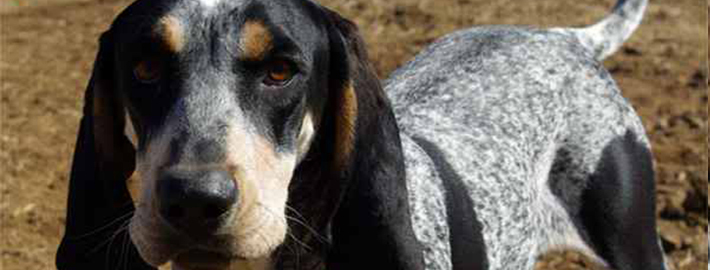
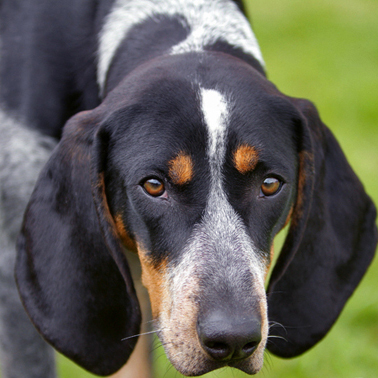
Bluetick Coonhounds have wide, domed heads and thin, low set ears. Another breed feature is their long, square muzzles that have a pronounced stop. Their large, dark brown eyes are spaced far apart. The tapered tails found on this breed are carried high. Bluetick Coonhounds have muscular legs and compact feet. Toes on this breed are arched. It is typical for the dewclaws on this breed to be removed.

Size

Females of this breed are much smaller than their male counterparts. However, dogs of both genders typically stand between 21 and 27 inches (53 and 68.5 centimeters) tall and they weigh between 45 and 80 pounds (20 and 36 kilograms) each.

Coat

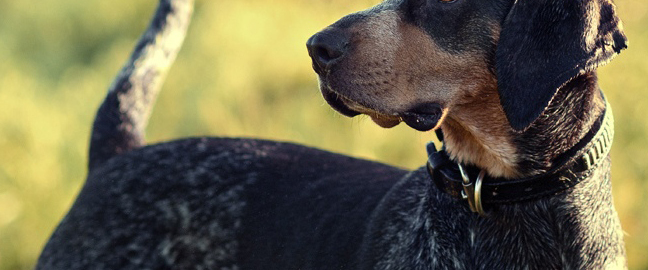
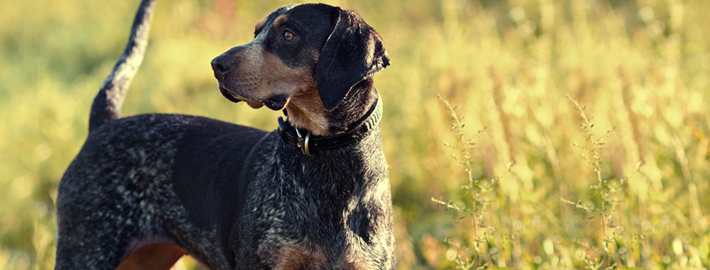
This breed has short, thick coats. Although their fur is rough when touched, the coat on Bluetick Coonhounds has an appearance that is both glossy and smooth. These dogs are typically dark blue with mottled bodies. Black spots are also found on their sides and back but the ears and heads on these dogs should chiefly be that color. Members of this breed who sport tricolor fur seem to be almost blue speckled but this is a trick of the light due to the fact that the black spotting occurs on a white background. Tan markings may also be present in various locations. American Kennel Club regulations call for more blue coloration on the dogs’ bodies rather than black. Likewise white ticking should be less prominent than blue ticking.

Short History

Short History of the Bluetick Coonhound

Crossbreeding of the Grand Bleu de Gascogne and the English Foxhound was thought to have brought about the English Coonhound breed that was created in America during the 1700s. Bluetick varieties were considered to be a specific coloration of the aforementioned breed rather than their own entity. This breed was recognized by the United Kennel Club (UKC) in 1905. During the 1940s, faster coonhound dogs were being produced and Bluetick fanciers didn’t like this new development. They established their own breed which achieved American Kennel Club (AKC) recognition in 2009.

Temperament

Temperament

For the most part, Bluetick Coonhounds are gregarious, affable dogs but this can vary amongst individual members of the breed. A number are known to be shy or aloof around unfamiliar people. They can also be incredibly playful and make good companions for children. However, families with toddlers or small children may want to adopt a fully grown Bluetick because they are less likely to be overly rambunctious. Members of this breed get along perfectly fine with other dogs and most will tolerate cats.

Trained Bluetick Coonhounds make excellent family members but they do need a while to learn what is expected of them. They are not a couch potato breed and owners should tailor their expectations accordingly. Prospective owners should definitely note that these dogs are droolers. They are also known to bark and howl loudly, especially if unfamiliar people arrive at their house. These dogs may also actively smell newcomers, a trait which can sometimes be perceived as aggressive but merely the way they choose to greet people. Members of this breed have a strong olfactory sense. It goes without saying that they will get into food that is left unsupervised and garbage bins that are not properly secured.


Caring for Your Bluetick Coonhound


Health

General Health

As a generally healthy breed, Bluetick Coonhounds often live between 11 and 12 years. However, there are reports that some members of this breed have been diagnosed with lysosomal storage disease, bloat, and hip dysplasia. Dogs that are used as hunting animals can additionally sustain injuries over the course of their duties. In such cases, prompt medical attention may be needed. Owners should also be vigilant in keeping their pet’s rabies vaccinations up-to-date as Bluetick Coonhounds have been known to tangle with raccoons from time to time.

Care

Daily

These dogs need vigorous exercise on a daily basis. It is recommended that owners take their Bluetick Coonhounds out multiple times a day for long walks.

Weekly
These dogs benefit from being allowed to play in a safely enclosed environment, such as a fenced-in back yard, at least two times a week. Pet owners may also want to brush their dog’s teeth a few times a week in order prevent bad breath and tartar buildup. Regular tooth brushing can also help reduce the likelihood of periodontal disease. It is also a good idea for owners to inspect their dog’s floppy ears once a week for debris and signs of infection. These appendages should be cleaned on an as needed basis.

Monthly

Flea, tick, and heartworm prevention medication is a must for all dogs. These products should be applied on a monthly basis.

Grooming & Bathing

Grooming & Bathing

These dogs only need to be bathed occasionally. However, their toenails should be kept clipped to prevent injuries from occurring.

Exercise & Training

Exercise & Training

Bluetick Coonhounds have the excellent stamina and robust temperament that was needed to help them become superior hunting dogs. Thus, this athletic breed needs both mental stimulation and plentiful exercise to keep them from becoming either neurotic or destructive. These dogs do best in rural environments when kept outside in large, fenced-in yards. Dogs that are in the process of being exercised will need to be kept on their leashes because otherwise they may disappear in pursuit of prey or an interesting aroma.

In keeping with their natural temperament, it is best that owners either use Bluetick Coonhounds for their original purpose of hunting and tracking game or train them to participate in dog sports to keep them active and out of trouble. These dogs are generally obedient when they have been trained. However, hounds don’t always learn quickly and they need patient instruction in order to become skilled at any task. These dogs tend to largely be motivated by food, so owners may want to incorporate treats into their lessons when teaching this breed.

Bluetick Coonhound Picture Gallery


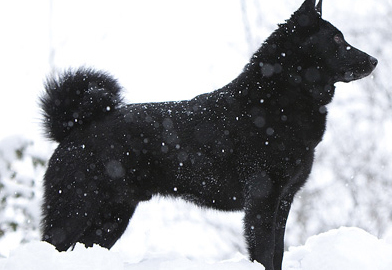
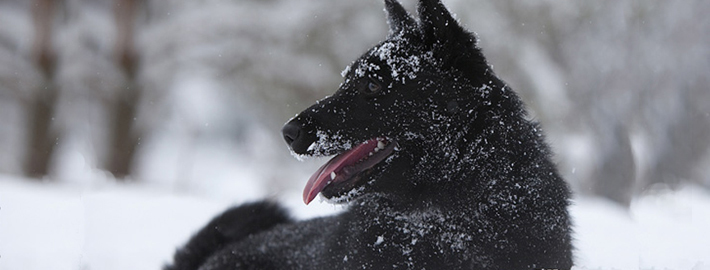
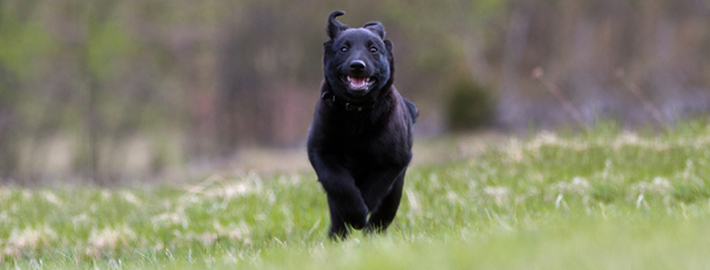
Black Norwegian Elkhound

Black Norwegian Elkhound – The Moose Hunter


What makes the Black Norwegian Elkhound Unique?


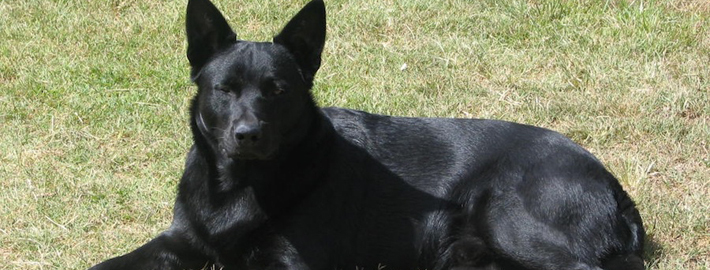
The Black Norwegian Elkhound is a very robust and hardy dog: very alert and full of power and pride. It is more strong-minded than the Grey Elkhound, and consequently needs a firm master as its leader. It is easy to train, but always needs something to do to be happy. It needs continuous exercise and activity in concert with its superb intelligence to do well. It is an excellent hunting dog and loves to be in the forest.

SnapShot

Size: Males – 46 to 49 cm (18 to 19 inches)

Females – 43 to 46 cm (17 to 18 inches)

Weight: Males – 23 to 7 kg (50.7 to 59.5 pounds)

Females – 18 to 25 kg (39.7 to 55.1 pounds)

Origin: Norway
Life Span: 12 to 15 Years
Colour: Black
Litter Size: 7 to 14 puppies

Is the Black Norwegian Elkhound Right For You?


The Black Norwegian Elkhound is fearless and friendly. Although some may be somewhat reserved with strangers, it will greet family and friends it knows with enthusiasm. They are reliable, energetic and alert companions for children and make sensible guard dogs. It is clean and docile with an outstanding character. They are affectionate and loyal, engaging and sensitive. Like other Arctic dogs, the Black Norwegian Elkhound has a mind of its own and is fairly independent. It may be somewhat resistant to obedience training. It is important to be firm with this dog, showing good pack leadership. Puppies need firm but gentle discipline.

The Black Norwegian Elkhound will be okay in an apartment if it is sufficiently exercised. It is fairly active indoors and does best with at least a large yard. Elkhounds prefer cool climates.

In 5 Words


  • Strong Willed
  • Alert
  • Proud
  • Hardy
  • Intelligent

Fun Fact

THE BLACK NORWEGIAN ELKHOUND (NORSK ELGHUND SORT) IS A MODERN VARIANT OF THE GREY NORWEGIAN ELKHOUND.

Characteristics


Exercise
Friendliness
Trainability
Watchdog
Health Issues

Learn About the Black Norwegian Elkhound


Description

Description

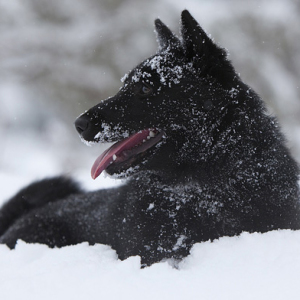
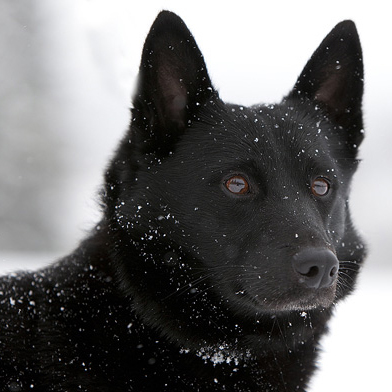
The Black Norwegian Elkhound is a typical Spitz breed with a short compact body, dark eyes, ears standing straight up, and a curly tail carried over the back. It has a rich coat that does not stand out from the body. This is an all-weather hunting dog and the coat is very important. It must be able to keep out the heavy autumn rain in Scandinavia and endure the cold weather, which it does very well.

It has a dense, short, thick, course, double coat and is solid black. The dog stands about 46-51 centimeters (18″-20″) – 47 cm (+3/-4) for males and 44 cm (+3/-4) for females – and weighs about 18 kilograms (40 lbs).

Short History

Short History of the Black Norwegian Elkhound

The origin of the Black Norwegian Elkhound can be traced back to early 19th century Norway. This breed was developed by using selective breeding of the Norwegian Elkhound in order to produce a smaller, more strong-minded, and solid black specimen.

Throughout its history, the Black Norwegian Elkhound has been most commonly used for hunting and tracking large game such as deer, moose, elk, and bear, proving its superior abilities to work endlessly in the harshest of terrain and climate while providing loyal companionship.

Today, while the Black Norwegian Elkhound has attained an underground popularity as a hunting and companion dog, the breed remains rather rare outside of its native Norway.

Temperament

Temperament

The Black Norwegian Elkhound is fearless and friendly. Although some may be somewhat reserved with strangers, it will greet family and friends it knows with enthusiasm. They are reliable, energetic and alert companions for children and make sensible guard dogs. It is clean and docile with an outstanding character. They are affectionate and loyal, engaging and sensitive. Like other Arctic dogs, the Black Norwegian Elkhound has a mind of its own and is fairly independent. It may be somewhat resistant to obedience training. It is important to be firm with this dog, showing good pack leadership. Puppies need firm but gentle discipline. Be fair when training this breed, and understand it is a canine, not a human and treat the dog accordingly.

They have been bred to hold prey at bay, barking constantly until the hunter arrives. Some Black Norwegian Elkhounds bark a great deal and must be taught enough is enough after they alert you once, it’s time to quiet down. They also have a tendency to roam. It is best to pair sled dogs in teams of one male and one female, as males have a tendency to fight if harnessed together if they are not 100% sure of their follower place in the world. They may also be aggressive with same sex dogs in the household, if owners are not showing strong pack leadership skills with the dog, but this tends to be the exception rather then the rule.

Some sources say Elkhounds are usually good with non-canine pets, others say they shouldn’t be trusted so use caution. Without enough mental and or physical exercise they can become high strung. Be sure to make the dog heel when on a walk beside or behind you, never in front, to reinforce the human is alpha over the dog.


Caring for Your Black Norwegian Elkhound


Health

General Health

While the Black Norwegian Elkhound is typically known as a healthy and hearty breed, they do suffer from a few health problems, including: patellar luxation – dislocation of the knee, arthritis, epilepsy, entropian – folding inward of the eye lid, ectropian – folding outward of the eye lid, cherry eye, and bloat.

Now that you know all about the breed, do you think you are ready to own a Black Norwegian Elkhound? Remember, purchasing a pet is a big decision and should be discussed thoroughly and seriously with your entire family.

Grooming & Bathing

Grooming & Bathing

The hard, coarse, rough and waterproof coat of the Black Norwegian Elkhound requires proper care and grooming. The coat is pretty easy to groom and should be brushed regularly, especially when the dog is shedding its dense undercoat. The reason for this is that the dead hair tends to cling to the new hair. So, it should be removed with a rubber brush or a wooden comb, with a double row of metal teeth. Bathe the dog only when necessary, to preserve the natural oils in the skin. The Black Norwegian Elkhound does not have the usual smell of dog hair. Its coat is resistant to both water and dirt.

Exercise & Training

Exercise & Training

The Black Norwegian Elkhound is a very energetic dog that thrives on strenuous activity. They need to be taken on a daily, long, brisk walk or jog. While out on the walk the dog must be made to heel beside or behind the person holding the lead, as in a dog’s mind the leader leads the way, and that leader needs to be the human. It should have at least an hour of exercise a day. It will enjoy a running beside your bike or a really good run in the woods, but remember that these dogs like to roam. If it picks up an interesting scent, it may ignore you when you call it.

Black Norwegian Elkhound Picture Gallery


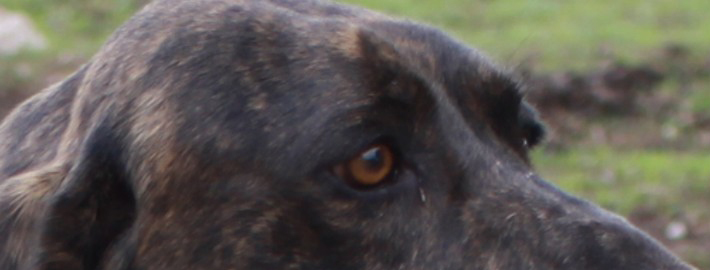
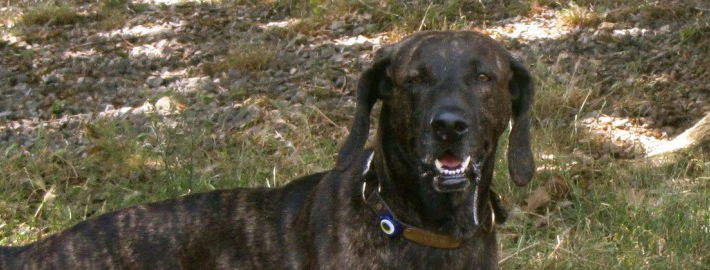
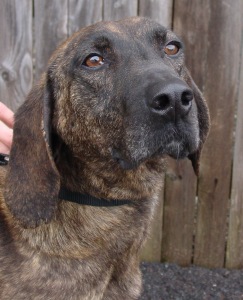
Plott Hound

Plott Hound – Muscular Frames


What makes the Plott Hound Unique?


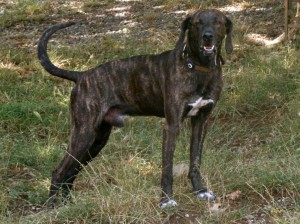
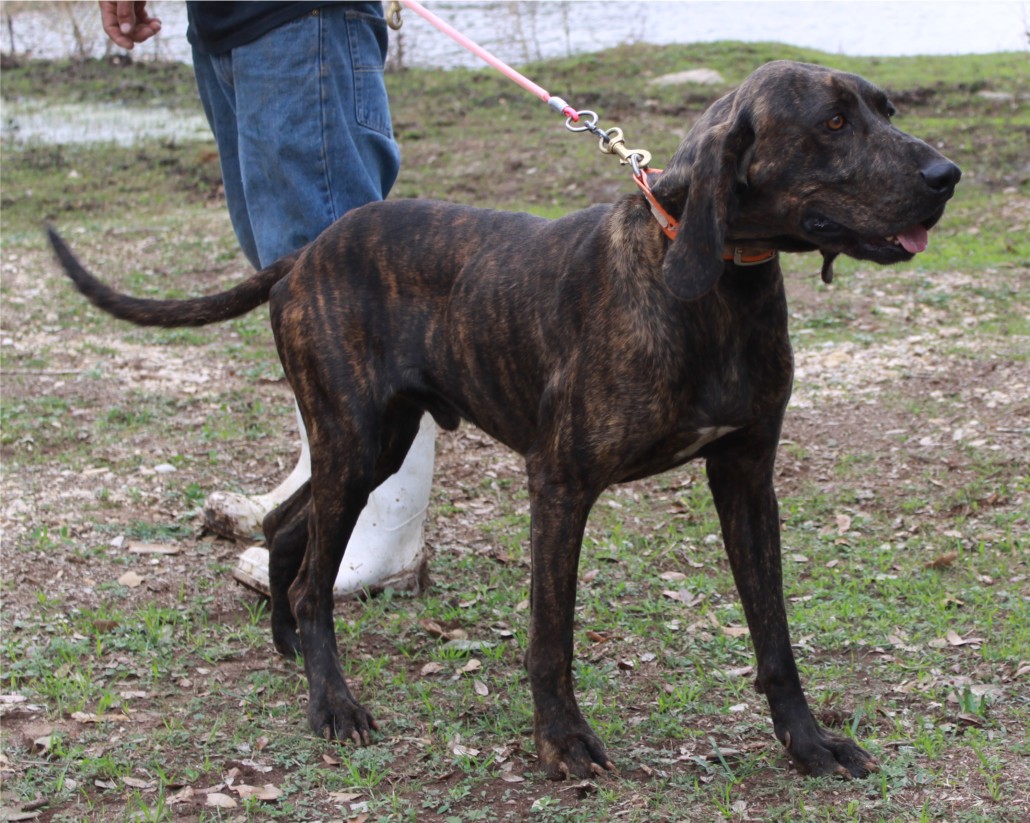
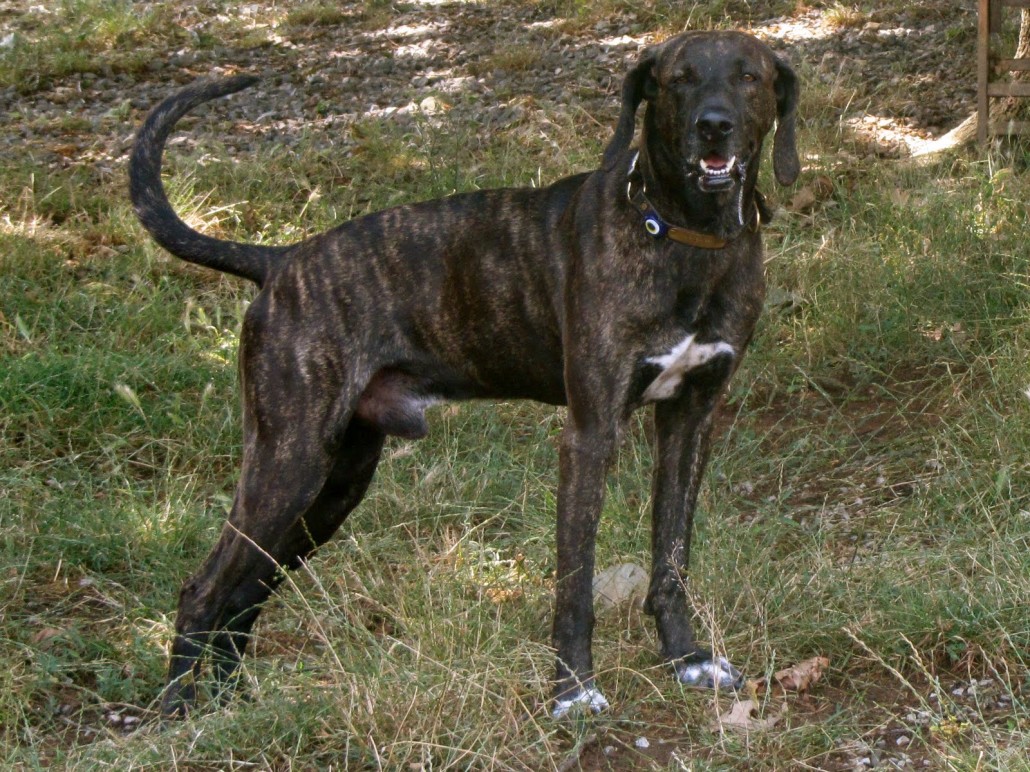
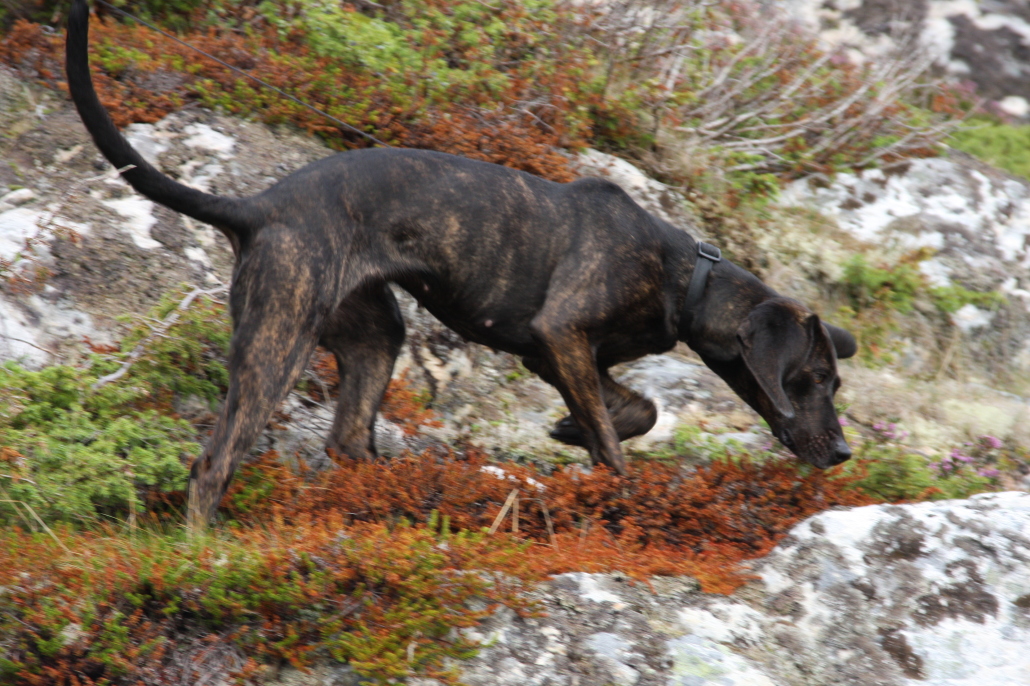
have a split personality, but in a good way. Around the home, they are gentle and agreeable, excellent with children and perfectly happy to hang out in the living room. Plotts love their families and want to be included in all group activities. However, out on the trail, Plott Hounds take on a different persona: focused, alert, determined and energetic. Whether you live in the city or the country make sure your Plott Hound gets lots of time outdoors.

SnapShot

Size: Males – 20 to 25 in (55 to 71 cm)Females – 20 to 23 in (53 to 63 cm
Weight: Males – 50 to 60 lb (23 to 27 kg)Females – 40 to 55 lb (18 to 25 kg)
Origin: Germany, United States
Life Span: 12 to 14 years
Colour: Brindles, Tan, Chocolate, Yellow, Orange, Gray, Blue, Liver, Buckskin, Brown, Black
Litter Size: 6-10 Puppies

Is the Plott Hound Right For You?


Plotts are eager to please, loyal, intelligent and alert in the home, but are aggressive, bold and fearless while hunting. Owners should be prepared to hear the Plott’s “voice” in the home at times. An athletic breed, they require daily exercise, but their short coats are low maintenance.

If you are considering purchasing a Plott here.

  • Hound Group; AKC recognized in 2006.
  • Ranging in size from 20 to 25 inches tall at the shoulder and 40 to 60 pounds.
  • Wild boar/bear hunter.

In 5 Words


  • Alert
  • Bold
  • Loyal
  • Intelligent
  • Courage

Fun Fact

The mountains of western North Carolina are the birthplace of one of America’s few homegrown dogs.

Characteristics


Exercise
Friendliness
Trainability
Watchdog
Health Issues

Learn About the Plott Hound


Description

Description

General Description

Border Collies that were bred for the show rings are generally stocky, medium-sized dogs. However, there is more variation in size and build among the working lines. Both lines are well proportioned and have a muscular appearance.

The dogs should have tipped erect or semi-erect ears, a tapered muzzle, and teeth that meet in a scissors bite. Their low carried tails should only have a slight curl at the end when the dog is focusing on a particular task. Border Collies tend to trot when walking and should move at moderate speeds when being shown in competitions.

This breed is known for having an intense gaze that they use to control disobedient livestock. As a result, these dogs should have an alert expression in their brown eyes. While Border Collies with blue eyes are accepted in the show ring, this characteristic is not preferred.

Size

On average, these dogs measure between 18 and 22 inches (46 to 56 centimeters) at shoulder and weigh between 30 and 45 pounds. (12-20 kilograms). The ideal size for male Border Collies is 19 to 22 inches (48 to 56 centimeters) in height and female dogs should be slightly shorter at between 18 and 21 inches (46 to 53 centimeters) tall. Female Border Collies should also weigh slightly less than their male counterparts at between 27 and 42 pounds (12 to 19 kilograms) each, while males of this breed should ideally weigh around 35 to 45 pounds (14 to 20 kilograms).

Coat

Coats on Border Collie can be either rough or smooth, but neither is more desirable than the other according to the breed standards. Smooth coat types are naturally short, with feathering on the dog’s legs. Rough coated collies have flat to wavy hair that is much longer. This breed comes in all colors as well as variety of color combinations and markings. White markings are most common.

Short History

Short History of the Border Collie

Unlike some breeds whose origins are shrouded in mystery, the Border Collie is known to have begun its history in the Scottish and English borderlands shortly after the Roman occupation. This breed was responsible for herding sheep and sometimes livestock in this mountainous region. Today, a number of Border Collies still work on ranches and farms.

These dogs were an especial favorite of Queen Victoria, who had become familiar with the breed on her annual trips to Scotland. In 1876, the first sheepdog trials took place. The breed that eventually became the modern Border Collie proved themselves able to successfully herd and capture 100 wild Welsh sheep. The working lines for this breed are still among the world’s best herding dogs.

The Border Collie breed split around 1995 when they were admitted into the American Kennel Club (AKC). There currently are both working and show lines of this breed, so be potential owners should be sure to choose a dog from the lineage that is appropriate to their own purposes.

Temperament

Temperament

These intelligent dogs make good pets for active families with older children. Border Collies tend to be dogs who stay so close to their owners that they are often underfoot. As a rule, this breed is somewhat wary of strangers but those dogs that have been properly socialized are generally friendly. Their tolerance for other animals varies on an individual basis.

True to their breed instincts, these dogs will herd anything that they can including young children and other pets. While the Border Collie is rarely aggressive towards other animals, how well additional pets tolerate being herded is another matter entirely. There are some dogs of this breed with exceptionally strong prey drives that will compulsively chase after cats. Therefore, adult collies which have proven themselves cat-friendly are a safer option than puppies for prospective owners that already have felines in their homes.

Owners should be aware that Border Collies will also attempt to herd bicycles and cars, so it is not a good idea to let them off their leash in city environments. As a breed, these dogs may suffer from quirky borderline obsessive tendencies that vary between animals. However, if a dog is prone to a great many obsessive behaviors, it may be bored and owners should proceed with caution.

Border Collies have a capacity for great destruction when they aren’t mentally stimulated on a regular basis. This breed is also prone to becoming boredom barkers. It goes without saying that Border Collies will do best in rural areas, but they can withstand apartment life if properly exercised. These are not couch potato dogs.


Caring for Your Plott Hound


Health

General Health

The Plott Hound is considered the hardiest of the coonhounds. It eats large quantities of food quickly, which makes it susceptible to gastric torsion and life-threatening twisting of the stomach. Do not exercise this dog after a big meal.

.

Grooming & Bathing

Grooming & Bathing

The Plott has a distinctive coat. It’s smooth and fine, but thick enough to protect the dog as he hunts in cold, wet or rough conditions. A few Plotts have a double coat: a short, soft, thick under coat topped by a longer, smoother, stiffer hairs.

Caring for a Plott’s coat is easy. Groom it at least weekly with a rubber curry brush to remove dead hair and distribute skin oils. If your Plott spends a lot of time indoors, you might want to brush him more often to keep dead hair on the brush and off your furniture and clothing. Plotts with a double coat will shed more heavily and need to be brushed two or three times a week.

Exercise & Training

Exercise & Training

The Plott Hound needs a lot of physical exercise, which includes a daily, long, brisk walk or jog. While out on the walk the dog must be made to heel beside or behind the person holding the lead, as in a dog’s mind the leader leads the way, and that leader needs to be the human. This well-muscled and rather lean-boned dog has the endurance and stamina to work all day and well into the night. The Plott Hound should have chances to run free, but is born a natural hunter and has a tendency to run off and hunt if not kept in a well-fenced area while exercising off the lead.

Plott Hound Picture Gallery


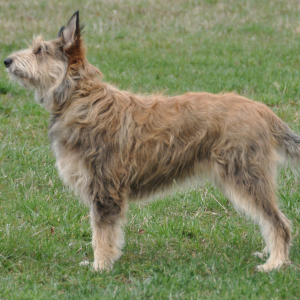
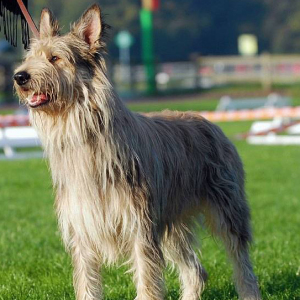
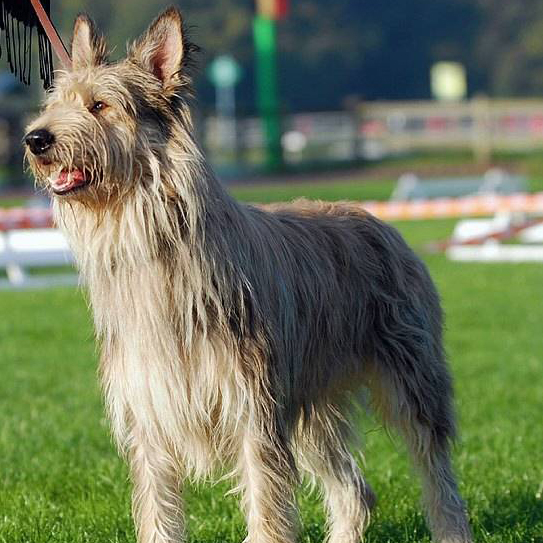
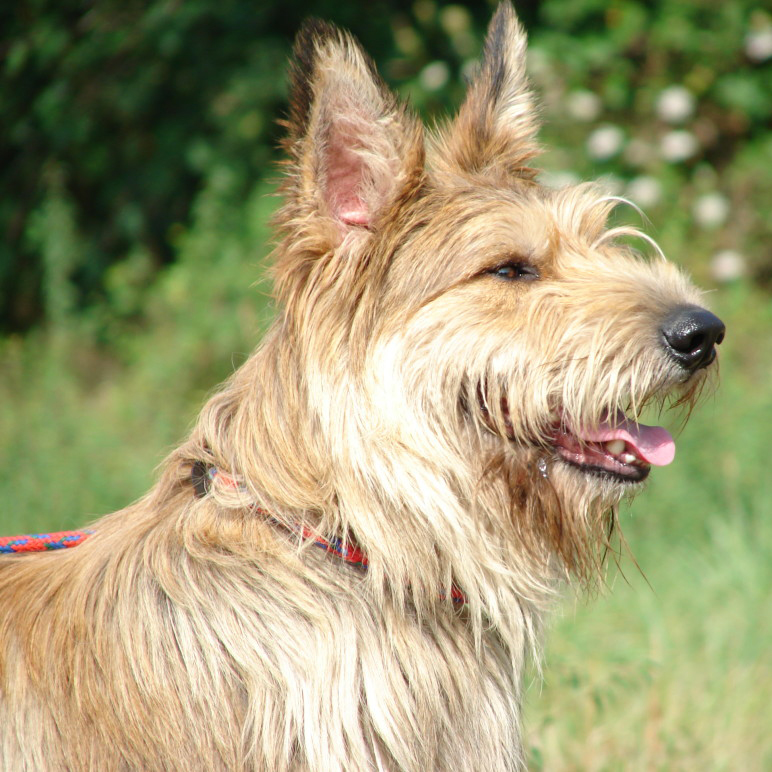
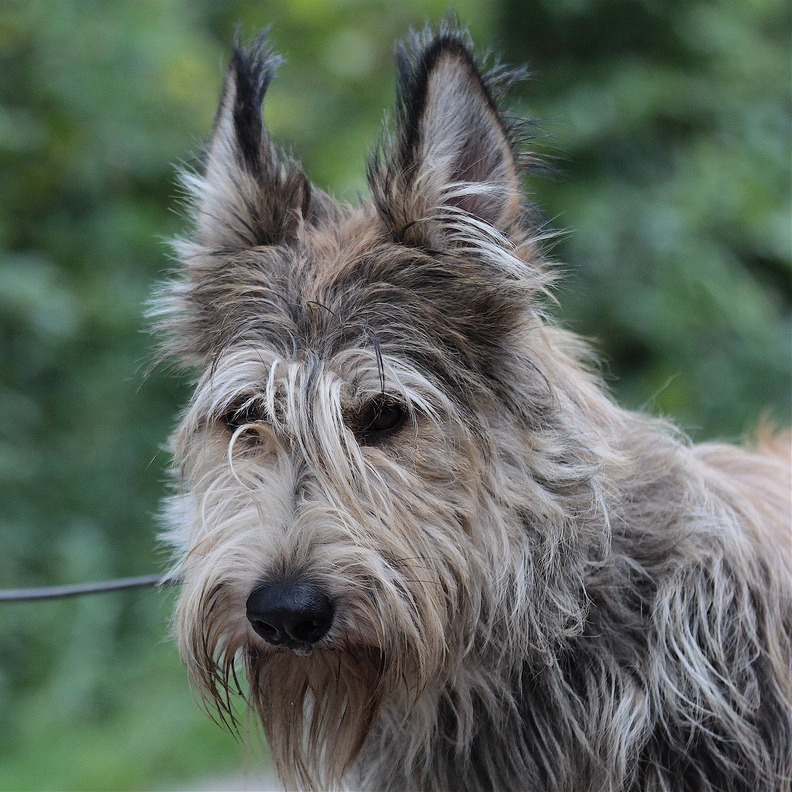
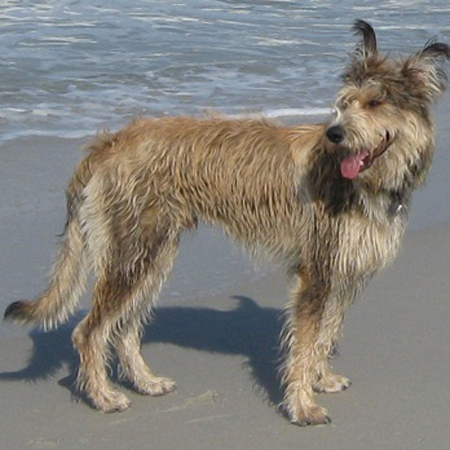
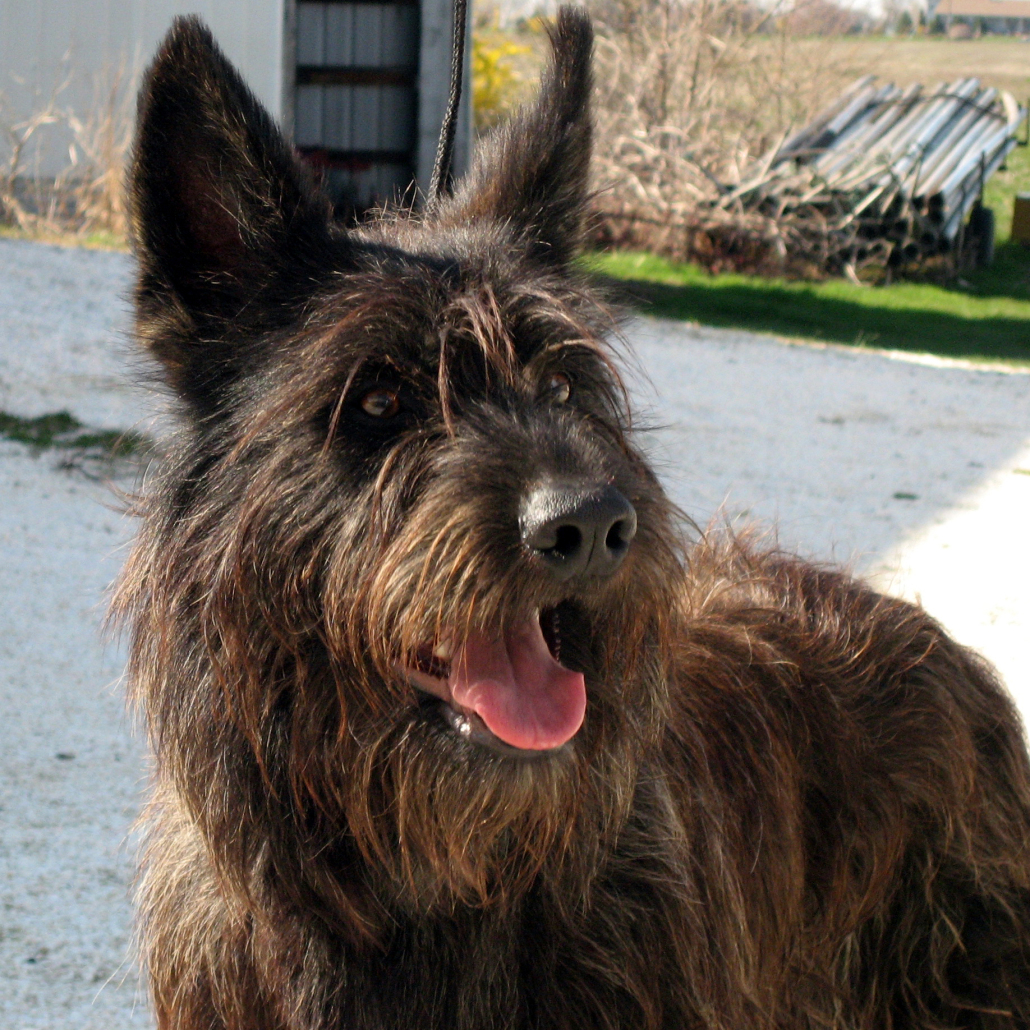
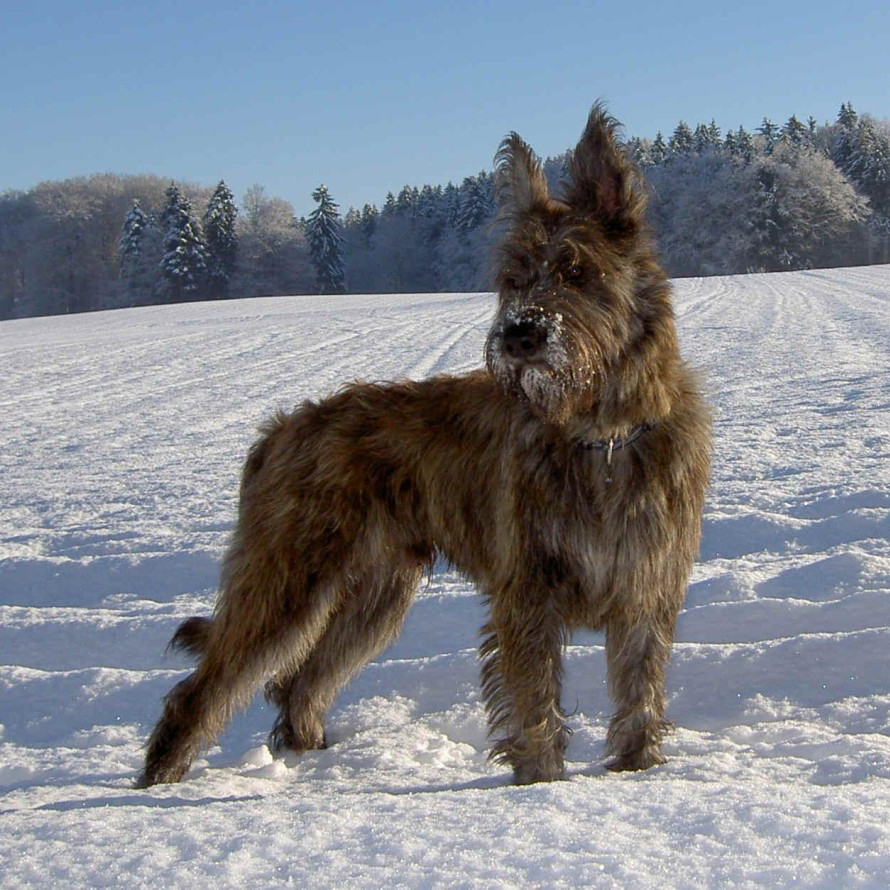
Berger Picard

Berger Picard – Comical and Shaggy


What makes the Berger Picard Unique?


This medium-size dog with the prick ears and thick eyebrows has a lively, intelligent personality. They endear themselves with their humanlike gaze and goofy grins and stand out as resilient playmates for kids. Thanks to their intelligence, they respond well to training, although they can occasionally be stubborn. They’re sensitive to your tone of voice, so even if you get impatient, try to give commands cheerfully — it generally works best.

SnapShot

Size: Males – 60 to 65 cm (24 to 26 inches)
Females – 55 to –60 cm (22 to 24 inches)
Weight: Males – 23 to 32 kg (50.7 to 70.5pounds)
Females – 23 to 32 kg (50.7 to 70.5 pounds)
Origin: France
Life Span: 12 to 14 years
Colour: Grey, Fawn
Litter Size: 2 to 10 puppies

Is the Berger Picard Right For You?


The Berger Picard, with its stamina and drive, needs daily exercise and mental stimulation. Despite having a stubborn streak, the Picard responds well to positive training and is a good-natured and loyal companion. Their observant nature makes them great watchdogs, and with proper socialization and training they can also become quiet, even-tempered house dogs.


In 5 Words


  • Mellow
  • Lively
  • Energetic
  • Stubborn
  • Intelligent

Fun Fact

THIS IS POSSIBLY THE OLDEST OF ALL THE FRENCH SHEPHERDS, ARRIVING IN PICARDY AND THE PAS DE CALAIS WITH THE CELTS IN AD 800. THE BERGER PICARD IS NAMED FOR THE PICARDIE REGION IN NORTHEASTERN FRANCE.

Characteristics


Exercise
Friendliness
Trainability
Watchdog
Health Issues

Learn About the Berger Picard


Description

Description

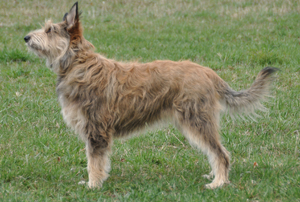
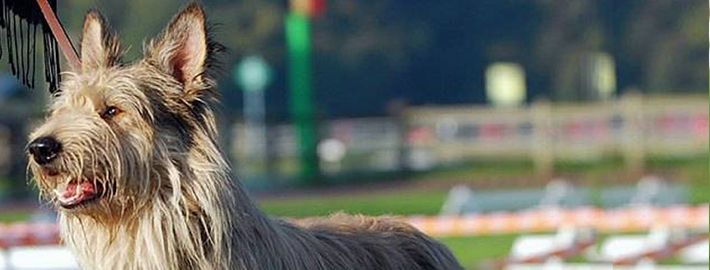
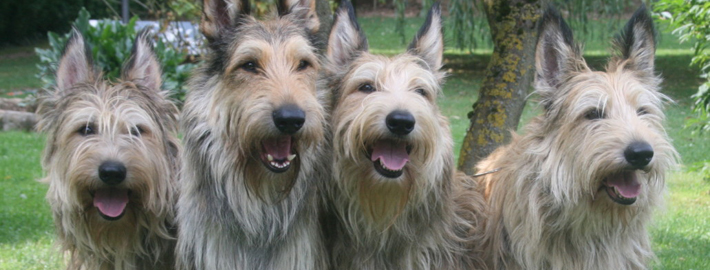
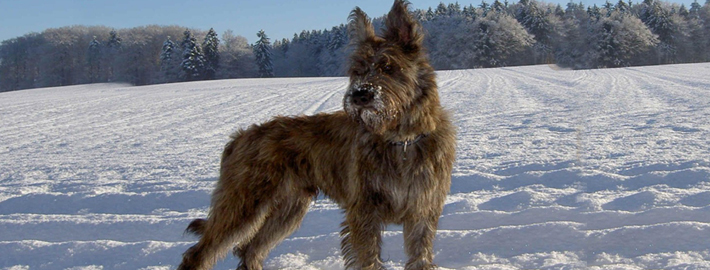
The Berger Picard is a medium-sized, well-muscled dog, slightly longer than tall. The natural tail normally reaches to the hock and is carried with a slight J-curve at the tip. The coat is harsh and crisp to the touch, and about 2-2.5 inches (5-6 cm.) long all over the body. The thick strong hair is not fluffy and light, therefore it does not fly around in the air. Coat colors include grey, grey-black, blue-grey, red-grey, and light or darker fawn. A small white patch on the feet is permissible in the show ring but not favored. The ears are erect, high-set and quite wide at the base. The eyebrows are thick, but do not shield the eyes.

Short History

Short History of the Berger Picard

Thought to be the oldest of the French Sheepdogs, the Berger Picard was brought to northern France and the Pas de Calais, in the 9th century by the Franks.

Some experts insist that this breed is related to the more well-known Briard and Beauceron, while others believe it shares a common origin with Dutch and Belgian Shepherds. Although the Berger Picard made an appearance at the first French dog show in 1863, the breed’s rustic appearance did not lead to popularity as a show dog.

The breeding stock of the Berger Picard, was decimated by the ravages of World War I and World War II. With its population concentrated on the farms of north-eastern France, trench warfare in the Somme reduced the breed to near extinction.
The Picard’s easy care and mellow, yet mischievous, temperament have started the breed back on the road to recovery. Nevertheless its numbers are still limited, even in its native country. As mentioned previously, today in France there are approximately 3500 dogs and in Germany approximately 500 of this breed. At present there are approximately 300 Berger Picards in the United States and Canada.

The Berger Picard was recognized by the United Kennel Club on January 1, 1994. In 2006, the Berger Picard Club of America was formed to protect and promote the breed in the United States. The Berger Picard has been recorded in the Foundation Stock Service of the American Kennel Club since April 2007. On October 12, 2011, The American Kennel Club chose the Berger Picard Club of America as the official parent club, as the breed moves towards full recognition.At the February 2012 Meeting of the American Kennel Club Board of Directors, the Board voted to move the Berger Picard into the Miscellaneous Group effective January 1, 2013.

Temperament

Temperament

The Berger Picard will learn quickly but needs a trainer who can display a natural authority. The Berger Picard is an energetic and sweet-tempered dog who does well with children and loyal to the family. They are alert and do well as a farm guard.


Caring for Your Berger Picard


Health

General Health

Hip dysplasia is known, but not common because the dog is not super heavy. During the first year puppies sometimes get eye infections due to draught or dirt getting into the eye; after one year those problems usually don’t appear anymore. There are some hereditary eye problems such as the PRA and RD. All breeding dogs, males and females, should get checked for those diseases once a year or every two years. (PRA= Progressive Retina Atrophy, RD=Retina dysplasia).

Grooming & Bathing

Grooming & Bathing

Grooming needs are minimal; they need only a monthly combing and brushing and a wipe-down when they get something on their coats. They shed lightly and don’t have a doggie smell.

Exercise & Training

Exercise & Training

Lots of exercise is required for this breed, including a long daily walk. It will enjoy swimming, running beside your bike, and a nice long walk. The Berger Picard makes an excellent jogging companion. Enrolling it in obedience class or in an agility skills class is an excellent way to keep it happy. They do not do well in competition because they find it almost impossible to perform consistently.

Berger Picard Picture Gallery


Perro de Presa Mallorquin

Perro de Presa Mallorquin – Mastiff-Type Dog


What makes the Perro de Presa Mallorquin Unique?

A medium size, usually mastiff-type dog, rectangular in appearance, strong and stout. The difference between the sexes is evident in the head, which is much larger in circumference in males than in females.

SnapShot

Size: Males – 55–58 cm
Females – 52–55 cm
Weight: Males – 35–38 kg
Females – 30–34 kg
Origin: Spain
Life Span: 10-12 years
Colour: Fawn, Light Brown, Brindle, Black
Litter Size: 7 puppies

Is the Perro de Presa Mallorquin Right For You?


Ca de Bou or Perro de presa mallorquin is a typical Molossian of somewhat elongated build, strong and powerful, of medium size. The difference between the sexes is apparent in the head, whose circumference is definitely greater in dogs than in bitches. The Perro de Presa Mallorquin was almost extinct after World War II, and the few remaining dogs were crossed with Ca de Bestiar, English Bulldog and perhaps Perro de Toro.


In 5 Words


  • Strong Willed
  • Gentle
  • Calm
  • Suspicious
  • Dominant

Fun Fact

The dogs are carefully bred for more than thousands of years, on occasionally through inbreeding dogs as of similar ancestral lines whereas on sometimes through mixing of dogs from the extremely different lines.

Characteristics


Exercise
Friendliness
Trainability
Watchdog
Health Issues

Learn About the Perro de Presa Mallorquin


Description

Description

General Description

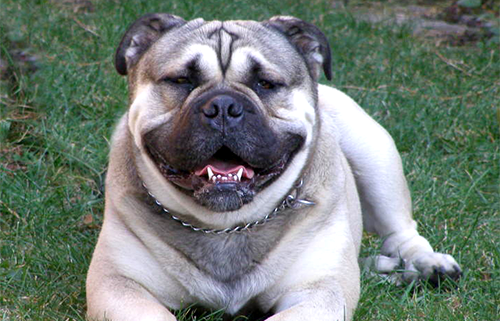
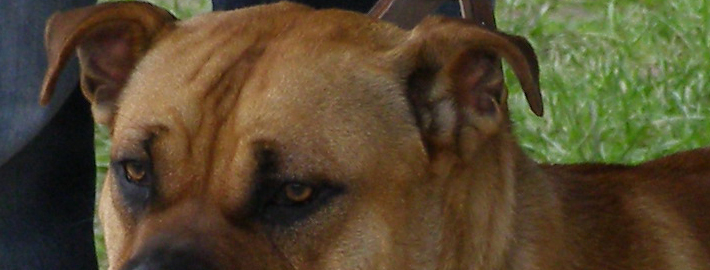
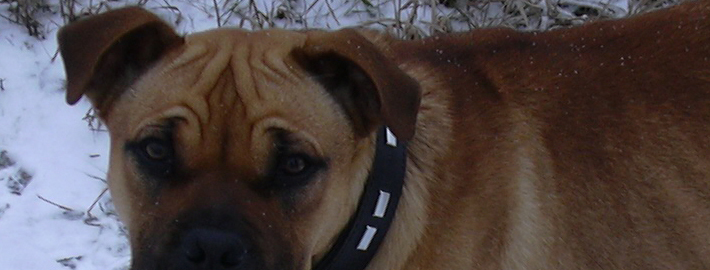
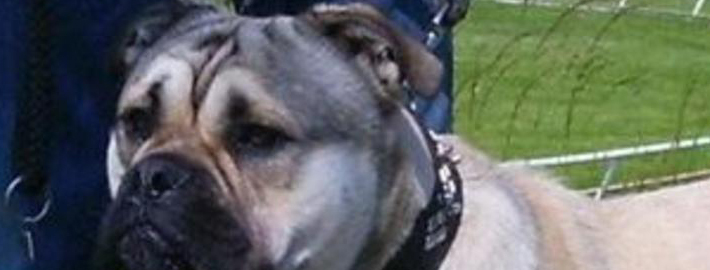
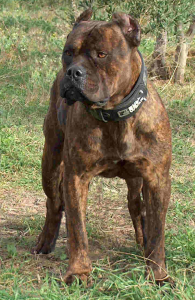
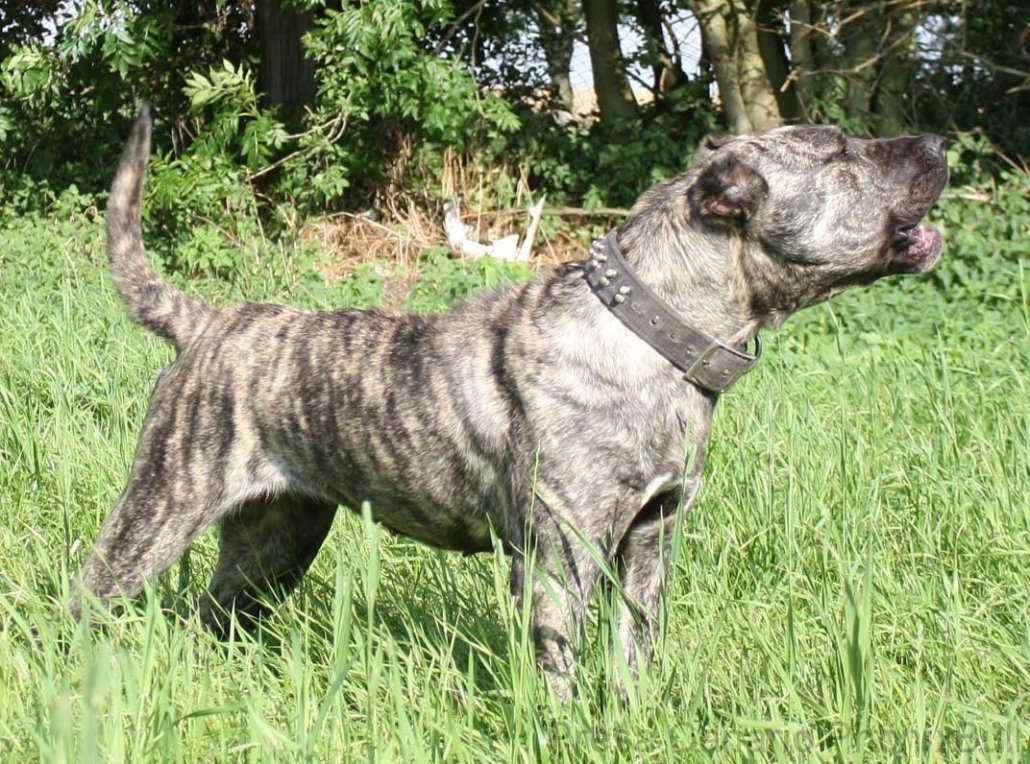
The Perro de Presa Mallorquin is an Spanish dog breed of molossor type. It is also known as Ca de Bou, Mallorquin Mastiff, Mallorquin Bulldog, Perro Dogo Mallorquin, Majorca Mastiff and Majorcan Bulldog. This ancient breed is medium size, strongly built dog that was developed to be a tenacious watch and guard dog. Like many other ancient rare dog breeds, the origin of present day Perro de Presa Mallorquin is uncertain and is subject to controversy. Some claim that this dog is the recreation of now extinct Spanish breed while others claim that this breed was developed from a few last remaining Mallorquin Bulldogs. This medium size breed, with height and weight of 21-22 inches and 66-77 lbs respectively, comes with a large and strong head, broad and almost square skull and broad, moderate length muzzle. Nose is black and broad. Large, oval shaped, slightly slanting eyes are preferred in as dark colour as possible. Small, rose shaped ears are set high and to the side. Strong and thick neck fits well into the withers. It may have some loose skin and consequently a slight dewlap. The body of Perro de Presa Mallorquin is some what elongated. It comes with short and narrow loin with slight arch towards croup. Chest is deep and broad. Belly is slightly tucked-up. Thick tail is set low, tapers towards the tip and hangs down in repose. It is slightly curved when the dog is in action and raised to the height of the topline. The Perro de Presa Mallorquin’s short and rough coat comes in brindle, fawn and black. This breed has somewhat elongated body that comes with short and narrow loin, deep and broad chest and slightly tucked-up belly. The thick tail is set on low, hangs down in repose and forms a slight curve when the dog is in motion. This dog has short and rough to touch coat that comes in brindle, fawn and black colouring. This breed is NOT recognized by AKC however it is recognized by FCI and UKC.

COLOR
In the order of preference, this dog is found in brindle, fawn and black coloring. White patches on front feet, chest and muzzle are permitted but must not exceed 30% of coat color. The dog can come with or without black mask.

COAT
This breed sports a short and rough to touch coat.

Short History

Short History of the Perro de Presa Mallorquin

Since ancient times, seafaring from east to west in the Mediterranean region has led to the exchange of culture and science between nations. These reciprocal relations, even though mainly of a commercial nature, also gave the opportunity for an exchange of domestic animals. Amongst these were watch and guard dogs which were needed in harbors and coastal settlements as a protection against pirates and robbers coming in by sea. Amongst these mostly large, strong, resistant dogs with large heads and powerful teeth, one type distinguished itself. It was the mastiff of the Iberian Peninsula, which, in Spain, was used in various areas as a hunting or as a fighting dog against bulls and other dogs. This breed accompanied King Jacob I on his conquests and arrived in the Balearics about the year 1230. In the 17th century, Minorca and others areas came into British possession, following the treaty of Utrecht. The British brought their own fighting and guard dogs with them into the Balearics and crossed them with the native mastiffs of the Iberian Peninsula, which also occurred in the Balearic Isles. In the beginning of the 18th century, fights between dogs and bulls (bull baiting) were very popular and the Britons inhabiting the Island looked for a breed which would be held suited to such fights. These circumstances explain the name “Ca de Bou,” (Bull Dog). In the Spanish Stud Book for the year 1923, the existence of this breed is already established. The first official entry was in the year 1928 and in 1929, when such a breed was exhibited for the first time at a dog show in Barcelona.

Temperament

Temperament

Quiet by nature, the Perro de Presa Mallorquin can under some circumstances be courageous and brave. He is at ease with people, faithful and devoted to his master. As a watch and guard dog, he is unsurpassed. In quiet situations, he is trusting and self-assured. When roused, his expression is piercing. Were one to find a purebred Mallorquin Bulldog one would possess a guard dog of unsurpassable ability—a dog that would require discipline and leadership. This breed is strong-minded but obedient if the owners are stronger minded than the dog. If they are not, they will find a dog that will test them every step of the way. These dogs adore children. They remain formidably powerful and alert, and retain the tenacity of their bull-baiting past. This breed is not for the casual pet owner. Makes a good watch and guard dog. Needs an owner who understands a dog’s natural “pack order”. Proper human to canine communication is essential.


Caring for Your Perro de Presa Mallorquin


Health

General Health

No Information Available

Grooming & Bathing

Grooming & Bathing

Short coat of this dog is easy to maintain with weekly brushing. It does not need extensive grooming at all.

Exercise & Training

Exercise & Training

This breed needs to be taken on a daily, brisk, long walk or jog. While out on the walk the dog must be made to heel beside or behind the person holding the lead, as in a dog’s mind the leader leads the way, and that leader needs to be the human.Training should be provided in a firm yet gentle manner by an experienced owner or professional trainer. Harsh methods can instigate aggression in this dog.

Perro de Presa Mallorquin Picture Gallery


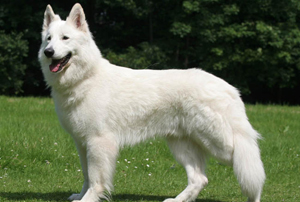
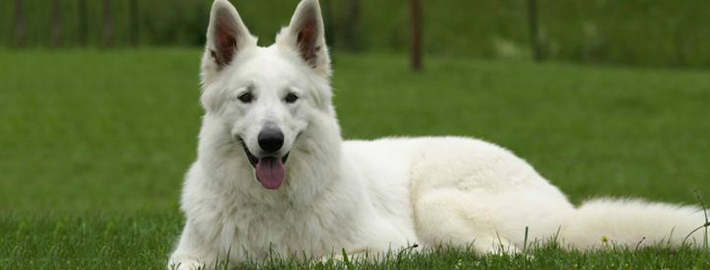
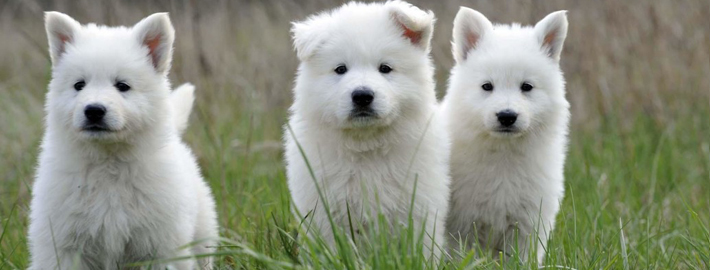
Berger Blanc Suisse

Berger Blanc Suisse – Snowy Shepherd


What makes the Berger Blanc Suisse Unique?


Berger Blanc Suisse is a medium-sized, well-balanced and muscular dog. It has become one of the most versatile working dogs serving mankind due to its high degree of intelligence and sense of loyalty. Commonly known as Snowy Shepherd, the dog is of the same origin as the White Shepherd Dog and German Shepherd Dog. The snow white color makes the dog distinctive and easily recognizable. The Berger Blanc Suisse is gentle and mellow but he is very willing and capable to protect his family. Because of their intense loyalty and love of children, Berger Blanc Suisse make outstanding family dogs.

SnapShot

Size: Males – 60 to 66 cm (24 to 26 inches)

Females – 55 to 61 cm (22 to 24 inches)

Weight: Males – 30 to 40 kg (66 to 88 pounds)

Females – 25 to 35 kg (55 to 77 pounds)

Origin: Switzerland
Life Span: 12 years
Colour: White
Litter Size: 8 puppies

Is the Berger Blanc Suisse Right For You?


Berger Blanc Suisse are highly intelligent, playful, loyal, social, and gentle dogs. They are curious and very easy to train. They get along well with other dogs and pets. Because they are very athletic and like to work, they are ideally suited for all kinds of sports like herding, obedience, agility, tracking & protection.

Berger Blanc Suisse can compete in dog agility trials, obedience, showmanship, flyball, tracking, and herding events. The Berger Blanc Suisse gets along well with other dogs and is also excellent for training, such as agility, search and rescue, and obedience. They are even seen doing protection work, though they are not used for that very often and are not always up for the job.

In 5 Words


  • Gentle
  • Intelligent
  • Learns Easily
  • Fearful
  • Obedient

Fun Fact

THE FIRST EVER REGISTERED GERMAN SHEPHERD WAS HORAND VON GRAFRATH. NEITHER HE NOR ANY OF HIS DOCUMENTED PROGENY WERE WHITE, ALTHOUGH HIS GREAT-GRAND SIRE ON HIS MOTHER’S SIDE WAS WHITE.

Characteristics


Exercise
Friendliness
Trainability
Watchdog
Health Issues

Learn About the Berger Blanc Suisse


Description

Description

General Description

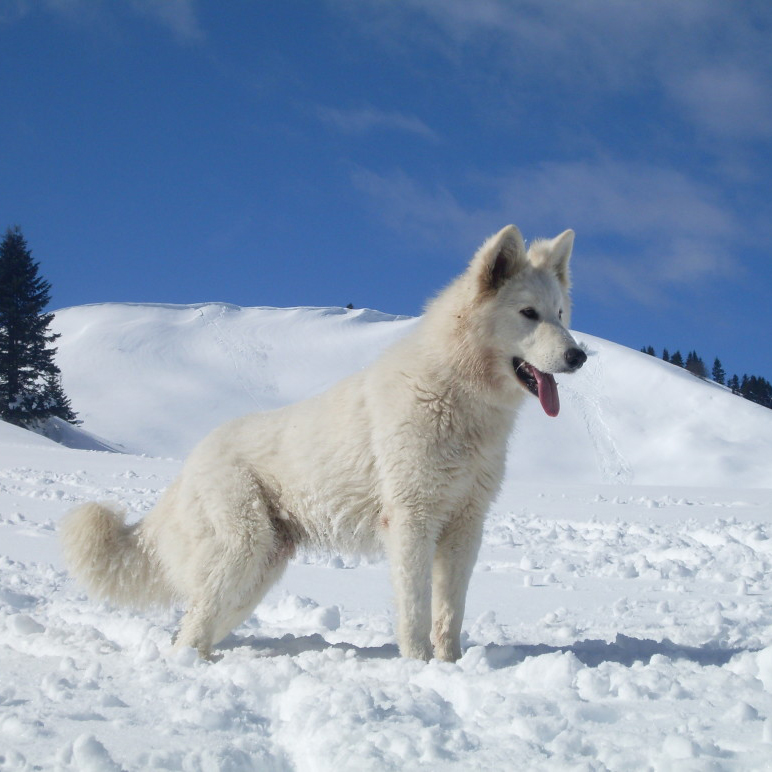
The first impression of a White Shepherd, White Swiss Shepherd or White German Shepherd Dog is that of a strong, agile, well-muscled animal, alert, full of life, keen, intelligent, and composed. It is well balanced, with harmonious development of forequarter and hindquarter. The dog is longer than tall, deep-bodied, and presents an outline of smooth curves rather than angles. It looks substantial and not spindly, giving the impression, both at rest and in motion, of muscular fitness and nimbleness without any look of clumsiness or soft living. The ideal dog is stamped with a look of quality and nobility–difficult to define, but unmistakable when present. Secondary sex characteristics are strongly marked, and every animal gives a definite impression of masculinity or femininity, according to its sex.

Coat

The ideal dog has a weather-resistant double coat of medium length. The outer coat should be as dense as possible, hair straight, harsh and lying close to the body. The undercoat is short, thick and fine in texture. A slightly wavy outer coat, often of wiry texture, is permissible. The head and ears are covered with a smooth, somewhat softer and shorter hair while the hair covering the legs and paws is more harsh-textured. At the neck, the coat is slightly longer and heavier. A male may carry a thicker ruff than a female. The back of the legs has a slightly longer covering of hair and there is considerably more hair on the breeches and the underside of the tail. For the White Shepherd specialization, both somewhat shorter and longer coats are acceptable.

Color

The coat color is white as defined by the breed’s name and the ideal is pure white. Any degree of shading that ranges from a very pale cream to a light biscuit tan are not preferred, and is considered a fault for the White German Shepherd and White Shepherd specialization.

Skin Pigment – Skin color on the body is pink to dark gray/black, with gray/black being preferred, and the skin of the belly being the darker area. Pink skin is frequently seen, and though not a disqualification, is less desirable. The nose, lips and eye rims should be fully pigmented and black in color. The more dark in color of the nails, the better, although white nails do not disqualify a dog. The pads of the feet should be black. Very slight snow nose coloration is acceptable but is not preferred. Deficiency of pigment is objectionable and dogs exhibiting faded, pinkish or spotty pigmentation on nose, eye rims or lips are a serious faulted. The total lack of pigment in the above named areas, indicating possible albinism or definite albinism with blue or pink eyes, are a disqualifying fault for both white coat German Shepherds and the White Shepherd specialization.

Head

The head is noble, cleanly chiseled, strong without coarseness, but above all, not fine, and in proportion to the body. The head of the male is distinctly masculine, and that of the bitch, distinctly feminine. The muzzle is long and strong, with lips firmly fitted, and its top line is parallel to the top line of the skull. Seen from the front, the forehead is only moderately arched, and the skull slopes into the long, wedge-shaped muzzle without abrupt stop. Jaws are strongly developed.

Ears are moderately pointed, in proportion to the skull, open toward the front, and carried erect when at attention, the ideal carriage being one in which the center lines of the ears, viewed from the front, are parallel to each other and perpendicular to the ground. A dog with cropped or hanging ears must be disqualified.

Eyes are of medium size, almond shaped, set a little obliquely and not protruding. The color is as dark as possible. The expression is keen, intelligent, and composed.

Teeth number 42 with 20 upper and 22 lower. Teeth are strongly developed and meet in a scissors bite in which part of the inner surface of the upper incisors meet and engage part of the outer surface of the lower incisors. An overshot jaw or a level bite is undesirable. An undershot jaw or a level bite is an undesirable fault. Complete dentition is to be preferred. Any missing teeth other than first premolars is a serious fault.

Neck

The neck is strong and muscular, clean-cut and relatively long, proportionate in size to the head, and without loose folds of skin. When the dog is at attention or excited, the head is raised and the neck carried high; otherwise, typical carriage of the head is forward rather than up, but a little higher than the top of the shoulders, particularly in motion.

Body

The whole structure of the body gives an impression of depth and solidity without bulkiness.

Chest Commences at the posternum and is well filled and carried well down between the legs. It is deep and capacious, never shallow, with ample room for lungs and heart, carried well forward, with the posternum showing ahead of the shoulder in profile.

Ribs are well sprung and long, neither barrel-shaped nor too flat, and carried down to a sternum which reaches to the elbows. Correct ribbing allows the elbows to move back freely when the dog is at a trot. Too round causes interference and throws the elbows out; too flat or short causes pinched elbows. Ribbing is carried well back so that the loin is relatively short.

Abdomen is firmly held and not paunchy. The bottom line is only moderately tucked up in the loin.

Top Line of the back is straight and very strongly developed without sag or roach. The desirable long proportion is not derived from a long back, but from overall length in relation to height, which is achieved by a length of forequarter, withers and hindquarter, as viewed from the side. The croup is long and has only a very minor and gradual slope when in the show stance.

Withers are higher than, and sloping into, a level back.

Loin viewed from the top, broad and strong. Undue length between the last rib and the thigh, when viewed from the side, is undesirable.

Forequarters – The shoulder blades are long and obliquely angled, laid on flat and not placed forward. The upper arm joins the shoulder blade at about a right angle. Both the upper arm and the shoulder blade are well muscled. The forelegs, viewed from all sides, are straight and the bone oval rather than round. The pasterns are strong and springy and at an angle of approximately a 24 degrees from the vertical.

Hindquarters – The whole assembly of the thigh, viewed from the side, is brood, with both upper and lower thigh well-muscled, forming as nearly as possible a right angle. The upper thigh bone parallels the shoulder blade while the lower thigh bone parallels the upper arm. The metatarsus is short, strong, tightly articulated and no dew claws should be present.

Feet – The feet are short, compact, with toes well arched, pads thick and firm, nails short and preferably dark. Dewclaws on the forelegs may be removed, but are normally left on. Dewclaws, if any, should be removed from the hind legs.

Tail – The tail is bushy, with the last vertebra extended at least to the hock joint. It is set smoothly into the croup and low rather than high. At rest, the tail hangs in a slight curve like a saber. A slight hook–sometimes carried to one side is faulty only to the extent that it mars general appearance. When the dog is excited or in motion, the curve may be accentuated and the tail raised, but it should never curl forward beyond the vertical line. Tails too short, or with clumpy ends due to ankylosis, are serious faults.

Short History

Short History of the Berger Blanc Suisse

On 3 April 1899, the first German Shepherd Dog as we know the breed today is officially registered. This dog was a completely white coated male, and was used by cattle and sheep herders at that time, they used this white dog to distinguish them from wolves.

After the creation of the German Shepherd breed, all colours were accepted. It was in the first decades of the 20th century, when the white exemplaries were excluded, therefore persecuted and almost wiped out in Europe.

The first White Shepherd club was founded in the 1970s in America. Meanwhile the breed appeared again in Europe. At first in Switzerland and Denmark, Germany came next. Slowly, the European cynological societies began to open their stud books to the White Shepherd.

The dog Lobo, born in 1966, was the first White Shepherd to be registered in Europe, specifically in Switzerland. The breed was recognized in Switzerland 1991, the Netherlands followed in 1992. The Czech Republic, Austria and Denmark also recognized the breed.

Temperament

Temperament

He is gentle, very intelligent and learns easily. He is loyal to his family and may be wary around strangers, but should never show shy or fearful behavior. Some people think the Arctic Wolf was mixed with the breed to create his caution, but this is not the case. The Berger Blanc Suisse gets along well with other dogs and is also excellent for training, such as agility, search and rescue, and obedience. They are even seen doing protection work, though they are not used for that very often and are not always up for the job. They are also used as assistance dogs and occasionally for mushing.

The character of the Berger Blanc Suisse is gentler and mellower than that of the German Shepherd Dog, but when it comes down to it he is very much capable of and will protect his family.


Caring for Your Berger Blanc Suisse


Health

General Health

While the Berger Blanc Suisse is typically known as a healthy and hearty breed, they do suffer from a few health problems, including: hip dysplasia, elbow dysplasia, primary lens luxation – dislocation of the lens, von Willebrands Disease – a blood clotting disorder, and bloat.

Grooming & Bathing

Grooming & Bathing

A good brushing performed daily will keep hair shed in the home to a minimum. Wet bathing should be limited to only once or twice per year in order to avoid depletion of skin oil. The White Swiss Shepherd Dog is a constant moderate shedder as well as a seasonally heavy shedder.

Exercise & Training

Exercise & Training

Berger Blanc Suisse can compete in dog agility trials, obedience, showmanship, flyball, tracking, and herding events. Herding instincts and trainability can be measured at noncompetitive herding tests. Berger Blanc Suisse exhibiting basic herding instincts can be trained to compete in herding trials.

Berger Blanc Suisse Picture Gallery
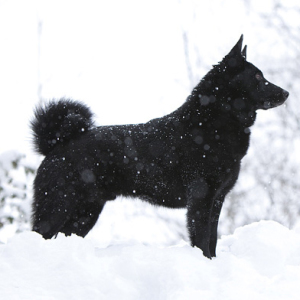

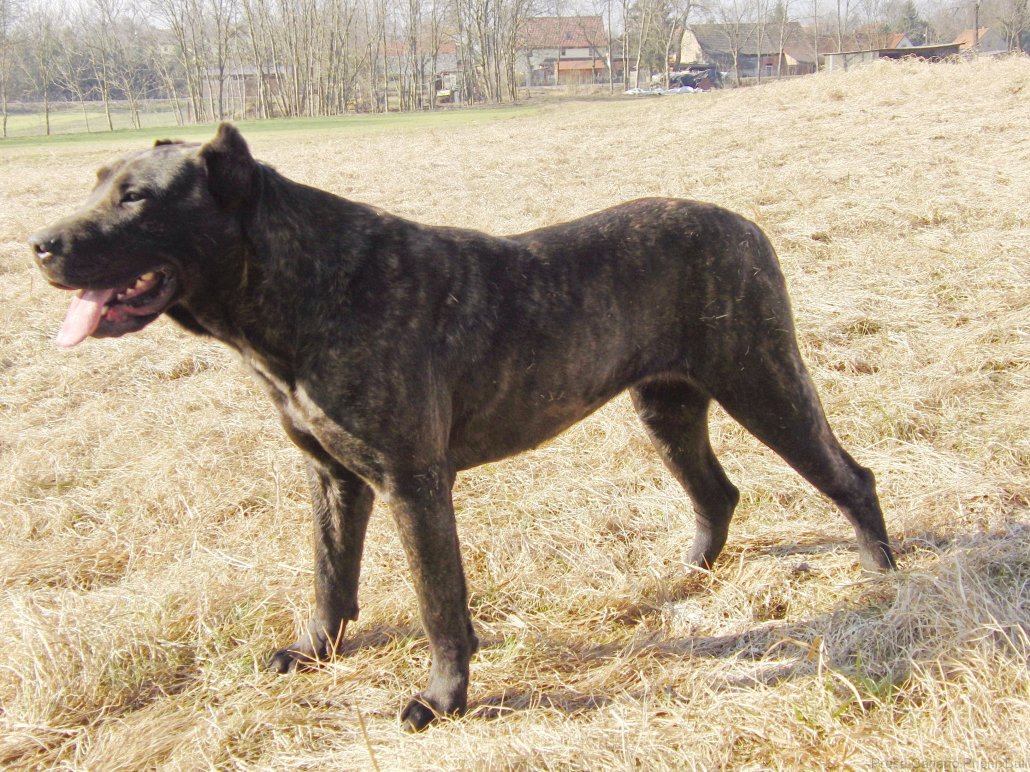
Perro de Presa Canario

Perro de Presa Canario – The Guardian


What makes the Perro de Presa Canario Unique?


The Perro de Presa Canario is a large Molosser-type dog breed originally bred for working livestock. The name of the breed is Spanish, means “Canarian catch dog”, and is often shortened to “Presa Canario” or simply “Presa”. The breed is sometimes also called Dogo Canario, meaning “Canarian Molosser”.

SnapShot

Size: Males – 23 to 26 inches (58 to 66 cm)

Females – 22 to 25 inches (56 to 64 cm)

Weight: Males – 100 – 126 pounds (45-57kg)

Females – 85 – 110 pounds (39-50 kg)

Origin: Spain
Life Span: 8 – 12 Years
Colour: Black, Fawn, Red Brindle, Silver Fawn, Red Fawn, Brindle
Litter Size: 7. puppies

Is the Perro de Presa Canario Right For You?


The Perro de Presa Canario or the Presas are a very rare breed. Sometimes, they are even confused with Molosser Breeds. The Presa or the Canary Dog has a powerful, square head. It is also worth noting that its head is nearly as wide as it is long. Its muzzle is broad while the chest is very deep and likewise broad. The rump is slightly raised. Perro de Presa Canarios have dense bones, thick skin, powerful muscles and a massive head with a large jaw. Instead of the usual hanging types as with most dogs, their ears are cropped. As for its body, white markings are sometimes seen. They also have long, straight legs, even or slightly undershot mouth and great power with agility.

In 5 Words


  • Strong Willed
  • Gentle
  • Calm
  • Suspicious
  • Dominant

Fun Fact

The Perro de Presa Canario is also known as the Canary Dog of Prey because he comes from the Canary Islands, located in the Atlantic Ocean off the coast of Africa.

Characteristics


Exercise
Friendliness
Trainability
Watchdog
Health Issues

Learn About the Perro de Presa Canario


Description

Description

General Description

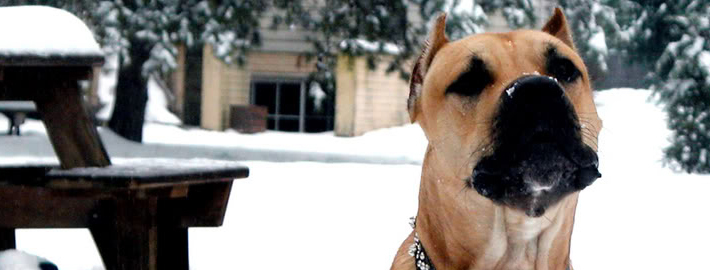
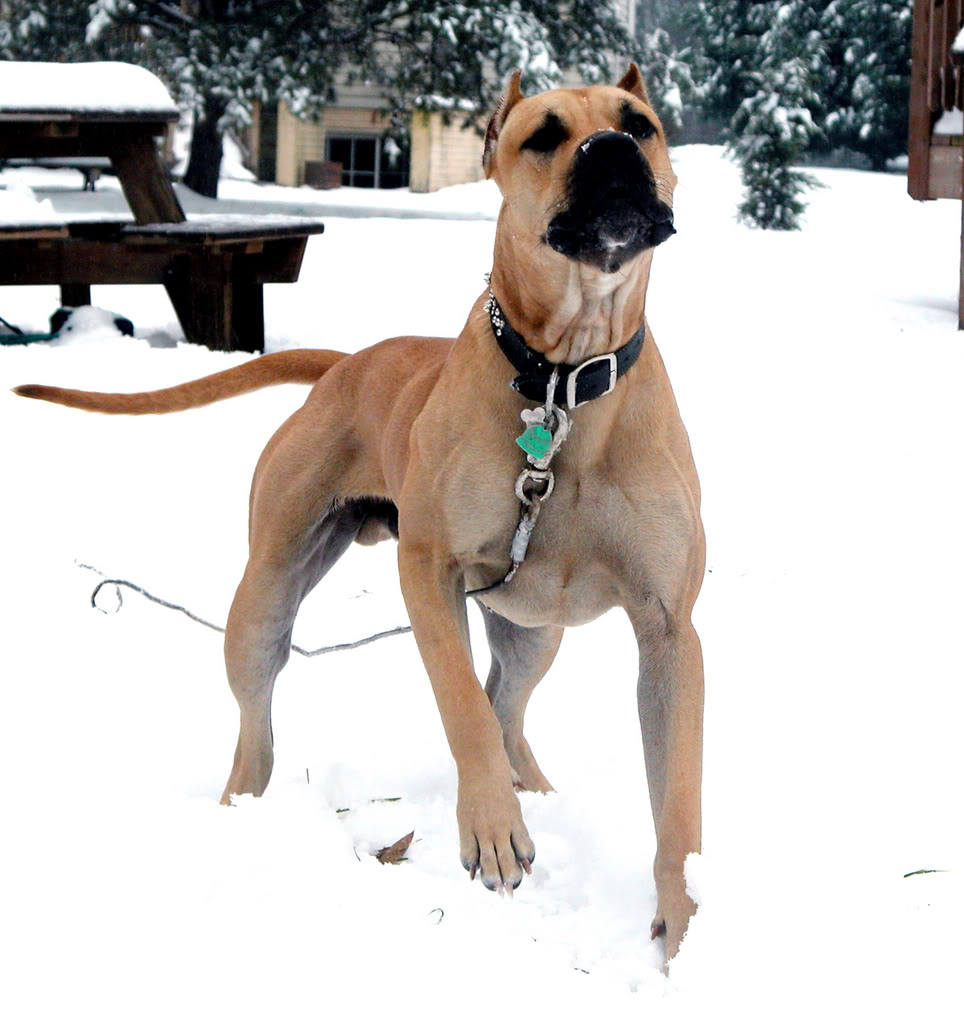
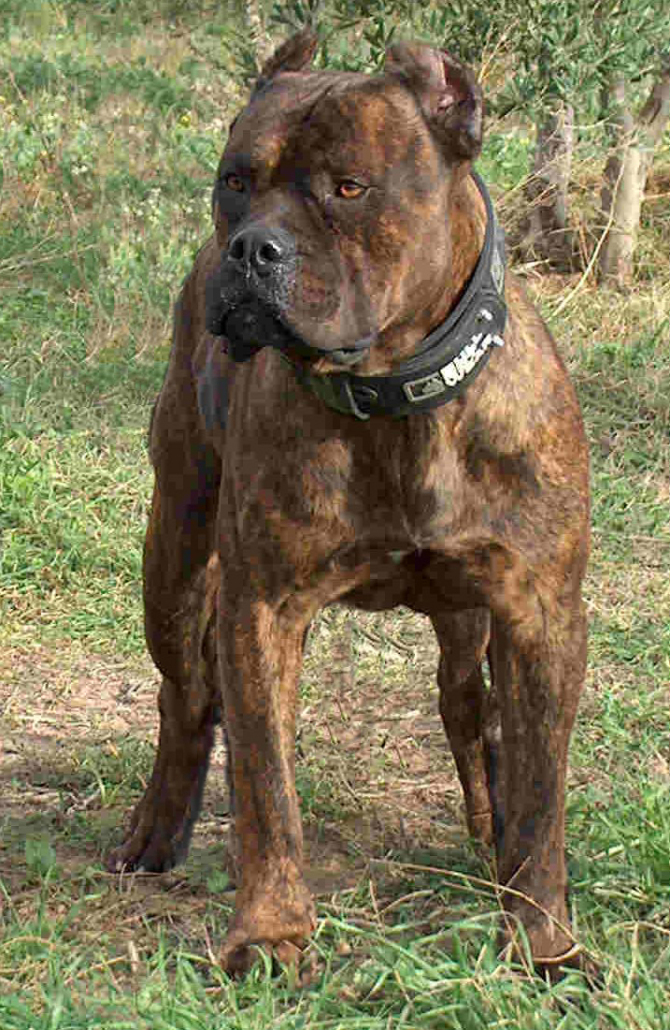
The Presa Canario has a powerful, square head that is nearly as wide as it is long. The muzzle is broad. The chest is deep and broad. The rump is slightly raised. This breed has thick skin, dense bones, powerful muscles and a massive head with a large jaw. The ears are usually cropped. Colors include fawn and various brindles; white markings are sometimes seen.

Short History

Short History of the Perro de Presa Canario

The Perro de Presa Canario is a cross between Bulldogs, Mastiffs and Native dogs, in the 1800s English settlers brought over mastiffs and old-style bulldogs that bred with the Canario. This resulted in very powerful, muscular, large-boned dogs, which were used for fighting until 1940, when dog fighting was banned. The Presa Canario was not solely a fighting dog, however, and was quite often used as a herding dog, guard dog, and all-purpose farm dog. In the 1940s the breed started to diminish but was revived once again in the 1970s by Spaniards searching for the native dogs that were able to find pure blooded specimens of the species. Within ten years, the breed was back on its feet again, not in high numbers but in good bloodlines and back in the show ring. Today the breed is known in the U.S., unfortunately, as a threatening breed that has attacked people. Although these dogs can be aggressive, proper training and socialization are key in their development to produce a calm and responsible dog.

Temperament

Temperament

The Presa is a docile, affectionate dog. They are great family protectors and are bred to be family companions as well as guardians. They are distrustful of strangers, but should accept strangers if the owner accepts them. They should be very alert and ready to defend the owner or property if necessary. It is generally a quiet breed but has a very intimidating bark. This breed requires an owner who understands the alpha nature of canines. No member of the family can be uncomfortable around the dog. Canaries make outstanding guard dogs. Just their appearance is a deterrent, not to mention their ability to confront any intruder. As with all guardian type dogs early socialization and obedience training are a must. Occasionally you will have some dog aggression in the Presa Canario, but with proper socialization and training this is the exception and not the rule. The Presa Canario competes and does well in many conformation, obedience, iron dogs, agility, dock diving, schutzhund and other working trials. Many are raised with other dogs, cats, birds, and reptiles. Owners must take their dogs for daily pack walks to satisfy their migration instincts. The dog must not walk in front of the human who is holding the lead, as the pack leader goes first. The dog must walk beside or behind the human. The objective in training this dog is to achieve pack leader status. It is a natural instinct for a dog to have an order in their pack. When we humans live with dogs, we become their pack. The entire pack cooperates under a single leader. Lines are clearly defined and rules are set. Because a dog communicates his displeasure with growling and eventually biting, all other humans MUST be higher up in the order than the dog. The humans must be the ones making the decisions, not the dogs. That is the only way your relationship with your dog can be a complete success.


Caring for Your Perro de Presa Canario


Health

General Health

rone to hip and elbow dysplasia as well as entropion, epilepsy, mange and OCD.

.

Grooming & Bathing

Grooming & Bathing

Presas are average shedders. It is also very easy to groom their rough and short coat. Just wiping off with a towel usually already result in a gleaming finish.

Exercise & Training

Exercise & Training

They are very flexible and would enjoy almost any family outing – be it a picnic at the park, a swim, or just a walk around the neighborhood.

Perro de Presa Canario Picture Gallery
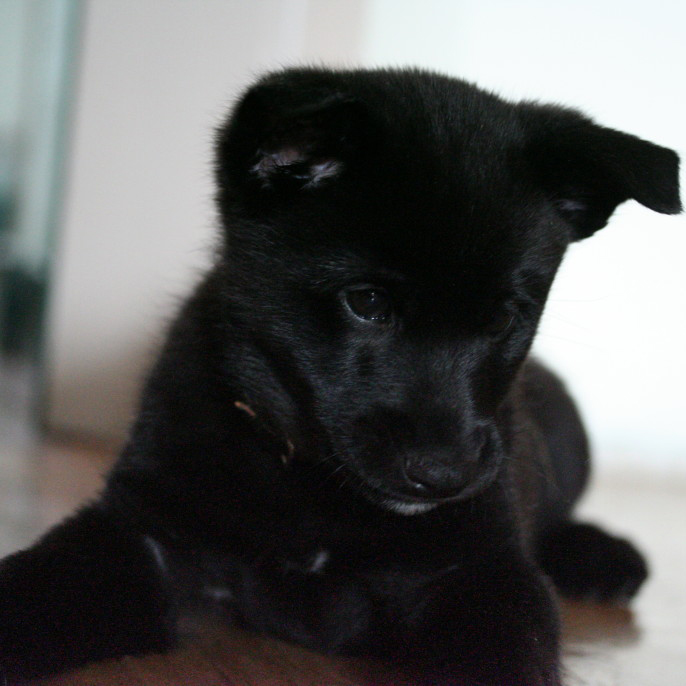

Patterdale Terrier

Patterdale Terrier – Large Ears


What makes the Patterdale Terrier Unique?

The Patterdale Terrier, is an English breed of dog descended from the Northern terrier breeds of the early 20th Century. The origins of the breed can be traced back to the Lake District. Specifically, to Ullswater hunt master Joe Bowman, an early border terrier breeder.

The dogs were bred for the hunting and dispatch of the red fox in the rocky fells around the Lake District where a traditional digging dog was not always of great use.

However, today this breed of dog excels worldwide not just at hunting a wide array of quarry, but in a number of canine sports, such as agility and terrier racing. This dog is an adaptable all rounder capable of doing any job assigned to him or her.

Some notable older, British lines carry the names Buck, Breay, Nuttall, Gould, modern lines Stevens, Harcomb Mason, Powell, Jones … among others.

SnapShot

Size: Males – 10-12 inches (25-30 cm)
Females – 10-12 inches (25-30 cm)
Weight: Males – 10-13-pounds (5-6 kg)
Females – 10-13-pounds (5-6 kg)
Origin: England
Life Span: 11-13 years.
Colour: Black, Red, Bronze, Light Brown
Litter Size: 6 puppies

Is the Patterdale Terrier Right For You?

The Patterdale Terrier is a large personality in a small body. Lively and fun loving, this dog needs his fair share of attention and will let you know when it wants to play. Very healthy and low maintenance, this dog is a great companion.


In 5 Words

  • Inquisitive
  • Bold
  • Confident
  • Friendly
  • Intelligent
Fun Fact

lternative Names of Patterdale Terriers and Nicknames: “Old English Terrier” or the “Fell Terrier” which was named after the mountainous regions (the Fells) of North England.

Characteristics

Exercise
Friendliness
Trainability
Watchdog
Health Issues

Learn About the Patterdale Terrier


Description

Description

General Description

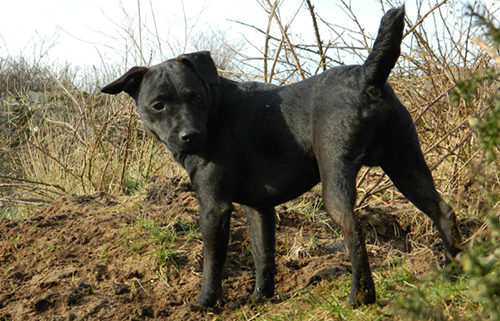
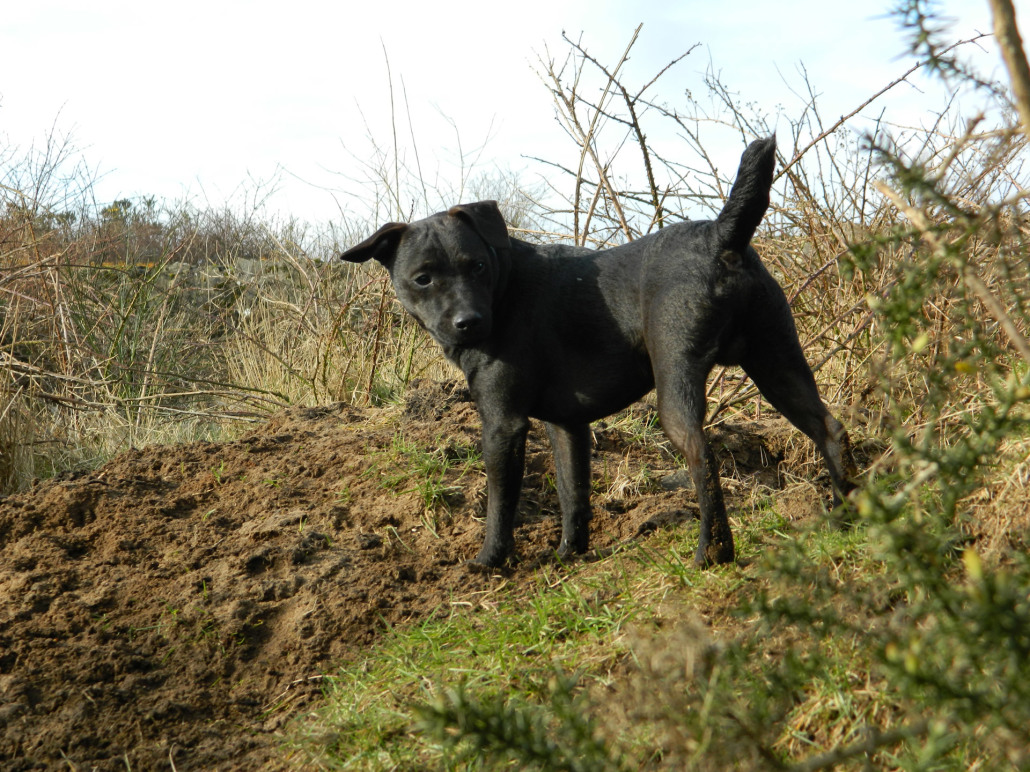
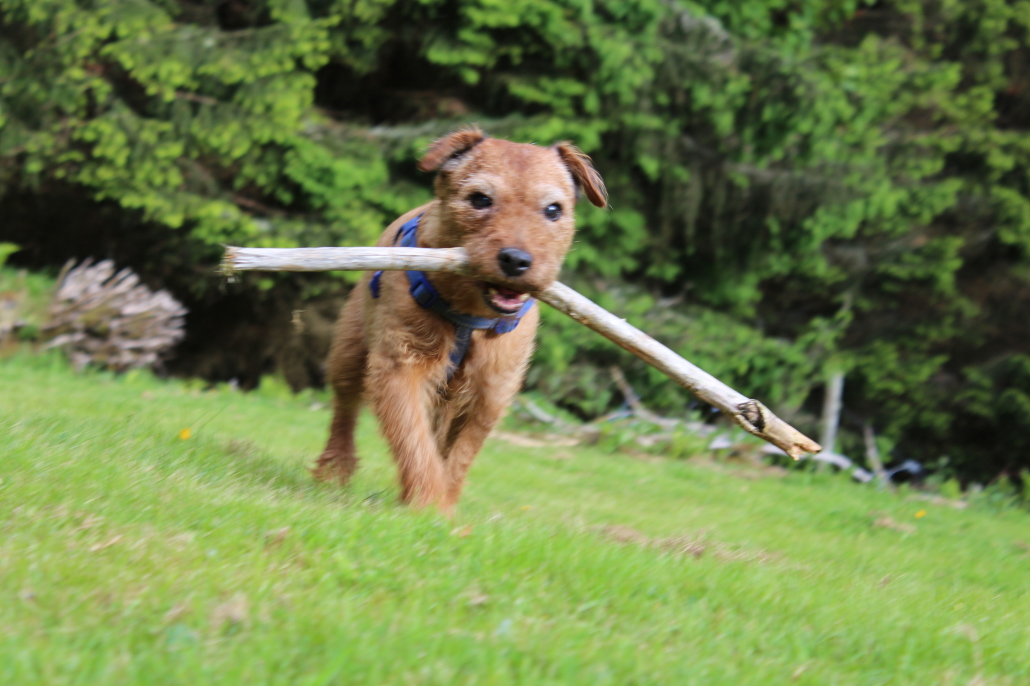
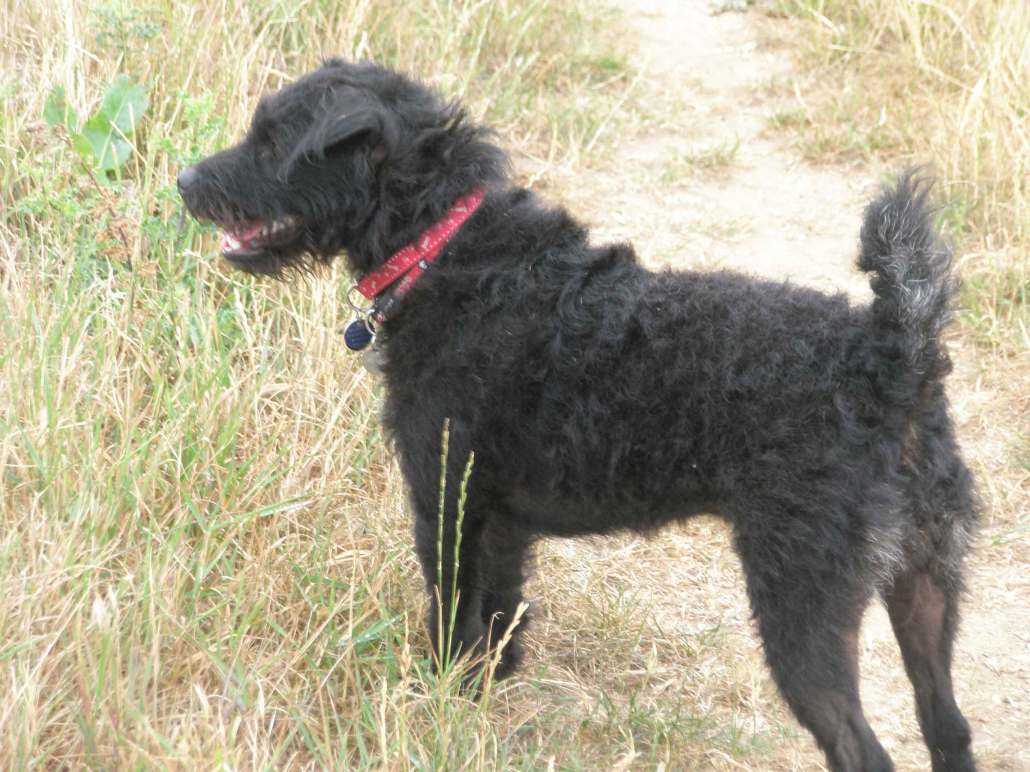
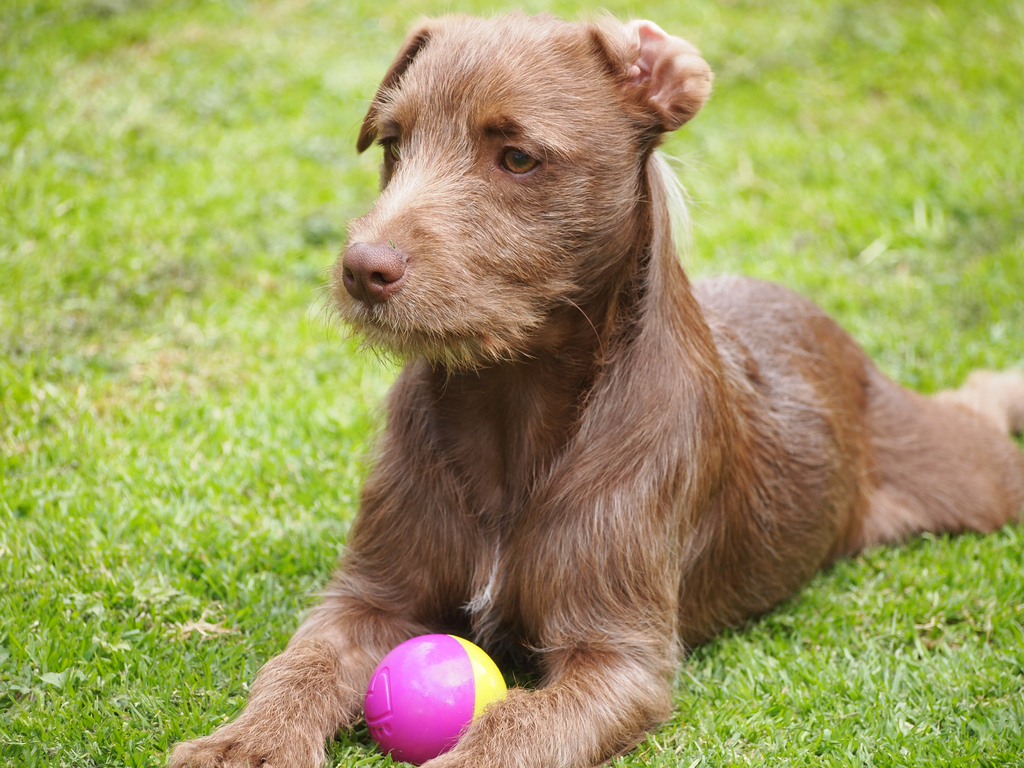
The Patterdale Terrier is a dog whose breeding was focused on working rather than on looks, and so their appearance can vary. Generally they have a compact body with a level topline, strong, straight legs and a docked high-set tail. The attractive head has a strong muzzle, black nose, dark round eyes and forward-folding ears. Their waterproof coats can be smooth, rough or broken, and the colouring tends to be mostly black or some bronze.

Short History

Short History of the Patterdale Terrier

The earliest Patterdales can be traced back to the 1700’s where they lived and worked in the unforgiving climate of Northern England where the tall, bare and exquisite hills are known as Fells. The fells were steep, rocky and loaded with foxes. Patterdales were first called Fell Terriers after this rocky terrain they worked on.

Used to hunt foxes that were a threat to the sheep that were raised there, the Patterdale was the perfect dog for the job. The Fells were so rough that horses could not be used and the Huntsman, his assistants, the hounds and Patterdales would cover many miles of mountainside in a day. They worked very long days and were expected to perform in harsh environmental conditions such a driving rain and freezing temperatures. Tireless, they became very respected working dogs.

The name Patterdale was chosen in honor of a village in Cumbria, where the dogs were common. The Patterdale was also used to hunt rats and rabbits and the dogs were carefully line bred for their working ability.Historians have many stories about the tireless work ethic of these early dogs.

In the early 1950’s, the Patterdale Terrier breed was further developed as the result of the selective breeding efforts of two breeders, Cyril Breay and Frank Buck. For quite a long time, Patterdales were only found in England. In 1978, they were brought to the United States to hunt boar, woodchuck, badgers and raccoons. The Patterdale Terrier Club of America was formed in 1993, and the breed was accepted into England’s United Kennel Club in 1995.

Temperament

Temperament

Patterdale Terriers are friendly and inquisitive dogs. With high energy levels, they make fine companions and pets, especially for the more active but owners should be aware that while they may enjoy sitting on laps occasionally, they are in no way typical lap dogs. They require training and regular and consistent exercise to ensure they retain even temperaments, otherwise they can bark excessively, be destructive and may even try to escape. Even regular dog chew toys may not be enough to satisfy these dogs. Although they are intelligent, they can be independant and difficult to train, and so are best suited to more experienced dog owners rather than novices. Patterdale Terriers will get along with older, more considerate children they have been raised with, and can be okay with other dogs. However, they tend to be aggressive with cats, and due to their high-prey drives, are not suitable to have around smaller pets such as rabbits and hamsters. They tend to make decent watchdogs.


Caring for Your Patterdale Terrier


Health

General Health

ll owners of dogs and puppies are concerned about the health care of their pets and just as with humans dog health issues arise from time to time. Resolving dog health problems, including those of the Patterdale Terrier, can prove to be costly and it would be wise to consider the benefits of obtaining dog health insurance. Diseases in dogs may occur because of trauma, infection, immune system abnormalities, genetic factors, or degenerative conditions. Common health problems and questions occur in relation to the Bones, Joints, Muscles, Nerves, Ears, Eyes, Teeth and the Mouth. Other, more serious, issues can relate to the Digestive System, Heart & Respiratory Systems, Immune & Blood Systems, Reproduction and Urinary Systems.
.

Grooming & Bathing

Grooming & Bathing

Grooming is not much of an issue for the Patterdale Terrier. Since it has a relatively short coat, regular brushing can help to keep it free of debris and from getting matted. You will want to brush him at least once a week just to make sure that the coat stays healthy and bathing should really only be performed on an as needed basis. Many owners actually simply use a dry shampoo or damp cloth to clean the dog regularly.

Exercise & Training

Exercise & Training

This small-game hunter is a working dog and needs a lot of exercise. Your dog needs to be taken on a daily, brisk, long walk or jog. While out on the walk the dog must be made to heel beside or behind the person holding the lead, as in a dog’s mind the leader leads the way, and that leader needs to be the human. Exercise and a hardy stock of prey are the recommended ways to satisfy his hunting cravings. They are inactive indoors but a bundle of energy outdoors. They love to run and will enjoy going hiking with you.This kind of terrier dog may give you challenging moments in training them. It is mainly because they only have shorter attention span. Any sound or movement can certainly distract them. Hence, it is best to train them to a setting where there are only less possible distractions. Stay firm and positive in training them but this does not mean that you need to be harsh to them.

Patterdale Terrier Picture Gallery
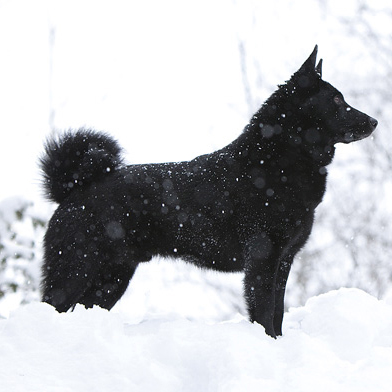

Pachon Navarro

Pachon Navarro – Double-Nosed Dog


What makes the Pachon Navarro Unique?

The Pachon Navarro is a breed of gundog, native to Navarre, Spain, located in the foothills of the Pyrenees Mountains. The breed is also known as the Old Spanish Pointer, but actually it is one of several native Spanish breeds directly descended from the now extinct Old Spanish Pointer. Other direct descendants are the Majorcan Pointer, the Perdiguero de Burgos, and the Perdiguero Gallego. However, of the four descendants, the Pachon Navarro, most closely resembles their shared ancestor. The Panchon Navarro is also known as the Old Spanish Pointer, Perdiguero Navarro, Navarro Pointer, and Pachon De Victoria.

SnapShot

Size: Males – 18 3/4 – 23 1/2 inches
Females – 18 3/4 – 23 1/2 inches
Weight: Males – 44 – 66 lbs
Females – 44 – 66 lbs
Origin: Spain
Life Span: 12 to 15 Years
Colour: White, Orange, Brown, Black, Dark Brown
Litter Size:

Is the Pachon Navarro Right For You?

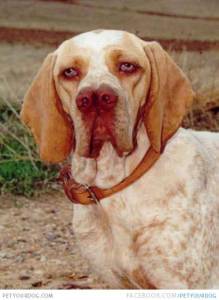
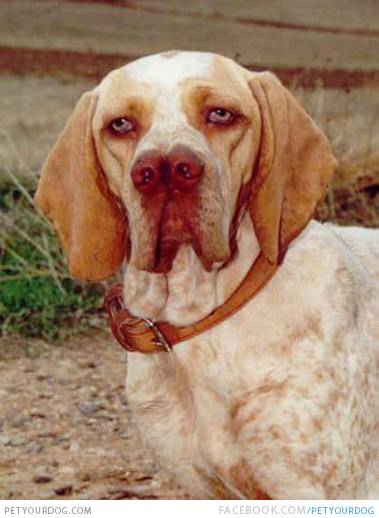
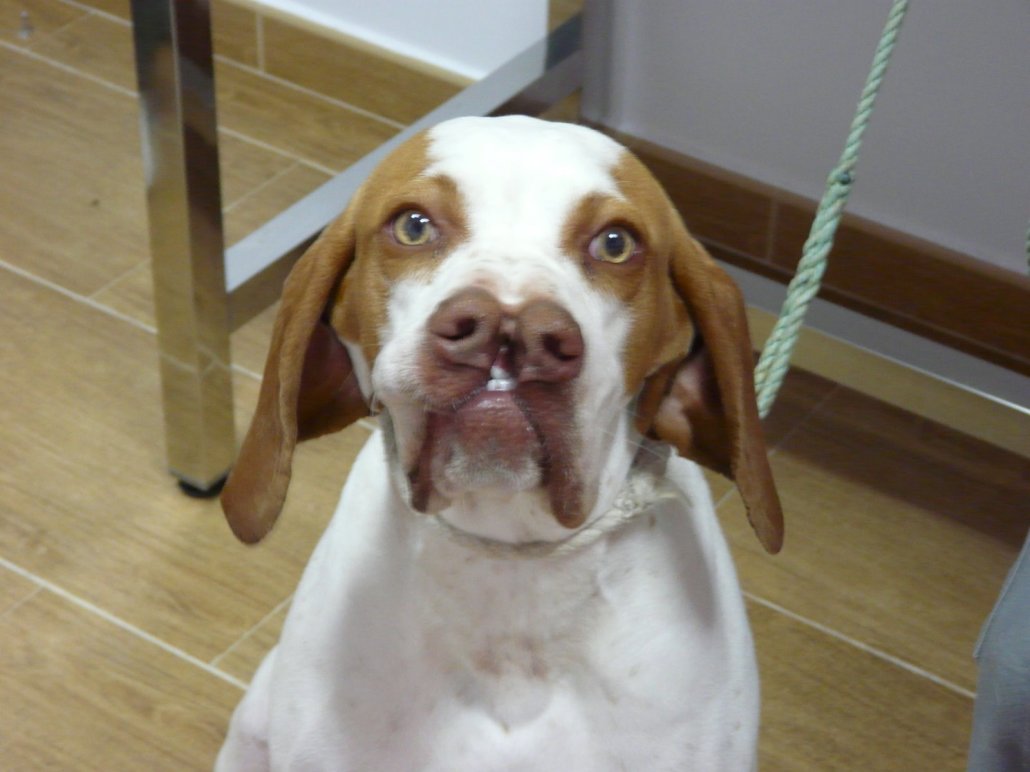
The Pachón Navarro is a Spanish hunting dog (also known as: Old Spanish Pointer, Perdiguero Navarro, Navarro Pointer, Pachón de Victoria, Nafarroako eper txakur) which has the unusual feature of a split or double nose. It was believed that this unusual nose gives it extra sensitivity to smells, a primary reason it was chosen as a hunting dog. Today it is known that this feature is only a cosmetic difference.

In two photographs, of what has been called the Double-nosed Andean tiger hound, which were widely published in 2006 and 2007, there are two Andean dogs that are believed to be remotely descended from the Pachón Navarro and who bear an unusual “double nose”. It appears to be a normal dog’s nose, but with the nostrils separated by a band of skin and fur dividing the nose all the way to the dog’s upper lip. In photographs at a Pachón Navarro website, the split nose is much less conspicuous than it is on the Andean dogs.


In 5 Words

  • Determined
  • Energetic
  • Eager
  • Loyal
  • Intelligent
Fun Fact

Perhaps best recognized by its unique double nose, the Pachón Navarro (also called Perdiguero Navarro or Old Spanish Pointer) is a sturdy hunting breed that originated in Spain. It’s known to be both friendly and equally hard-working.

Characteristics

Exercise
Friendliness
Trainability
Watchdog
Health Issues

Learn About the Pachon Navarro


Description

Description

General Description
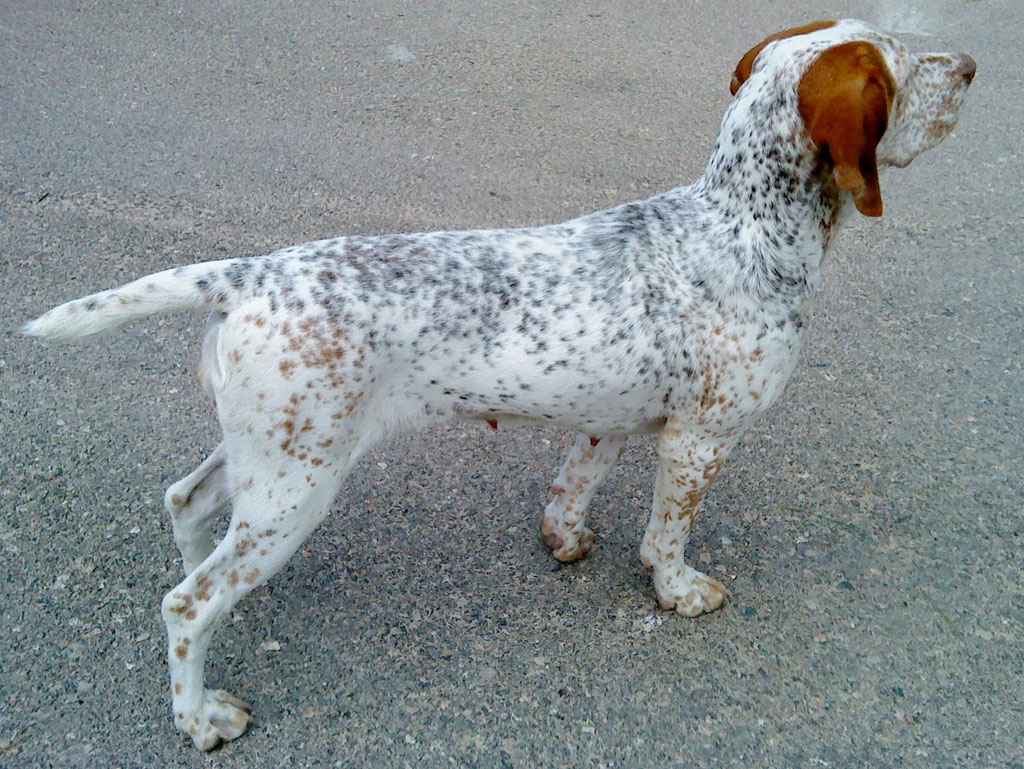
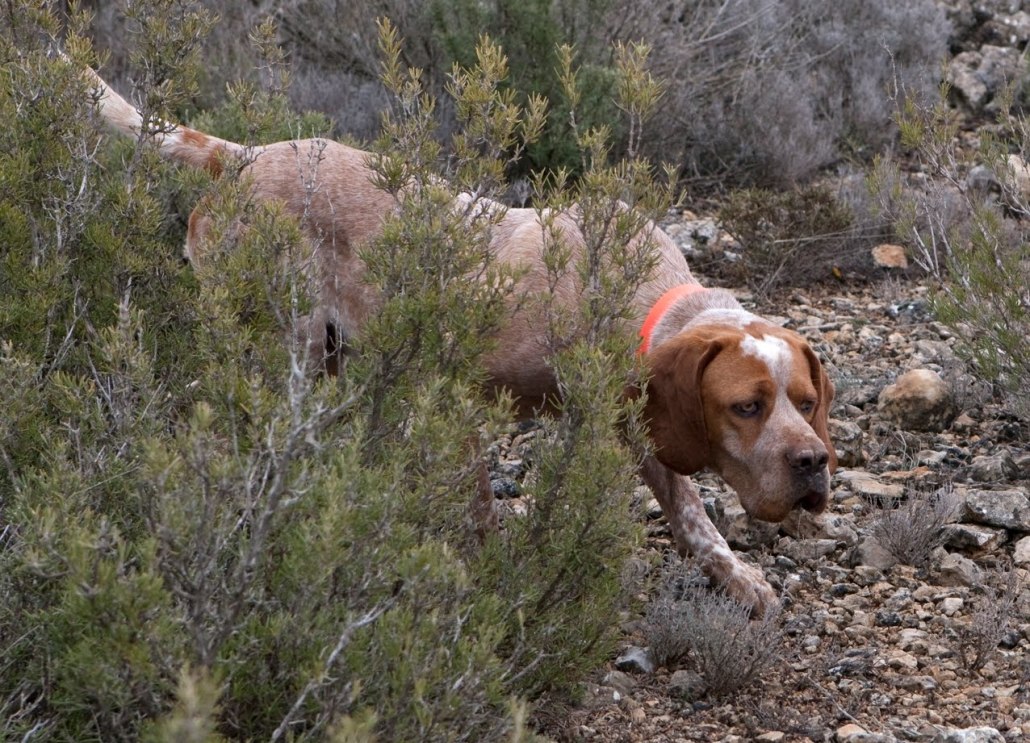
Pachon Navarros are large, stout dogs with rectangular shaped bodies and short, but sturdy, limbs; these dogs possess great physical strength. Their height, measured from withers to ground, must be at least 18 3/4 inches and no more than 23 1/2 inches. The average height for males is 21 1/2 inches and 20 1/2 inches for females. These dogs weigh between 44 pounds and 66 pounds. The vast majority of Pachon Navarros have short fur of a hard texture. The rare, long haired dogs of this breed have silky coats. Their coats are usually a color combination of black and white, brown and white, liver (a darker shade of brown) and white, or orange and white. They may have patches or ticking (that is, freckled with a certain color) on the coats, or the dog’s coat may be monochrome or tri-colored. Their thick skin is somewhat detached in areas, such as where it forms a double chin. The skin appears thinner in some areas of the body. The large head of the Pachon Navarro is boxy and the skull is wide. These dogs have broad foreheads, expressive eyebrows, and well defined stops. The length of their faces is less than the length of their skulls. They have long ears that are set low on their heads, but in a line above their eyes. They carry their ears high and wide; the ears fall forward, extending beyond the corners of the mouth. The ears are wide and flat at the base, with a rounded tip. Their large, round eyes are chestnut brown and wide set, but retain a forward facing gaze.

Short History

Short History of the Pachón Navarro

Pachón Navarro is a Spanish breed of dog originally from Navarre, This is a sample dog used in small pen and hair game.
Scholars of the race, the popularity of this breed of dog reached its peak popularity in the pose, especially among the Spanish nobility in the 18th and 19th century. After the Spanish Civil War, the race was on the verge of extinction.
It was then, When a race enthusiasts decided to begin work on the recovery of the same. The first step was touring the country and locate all copies of Pachón Navarro who had survived the social disaster.
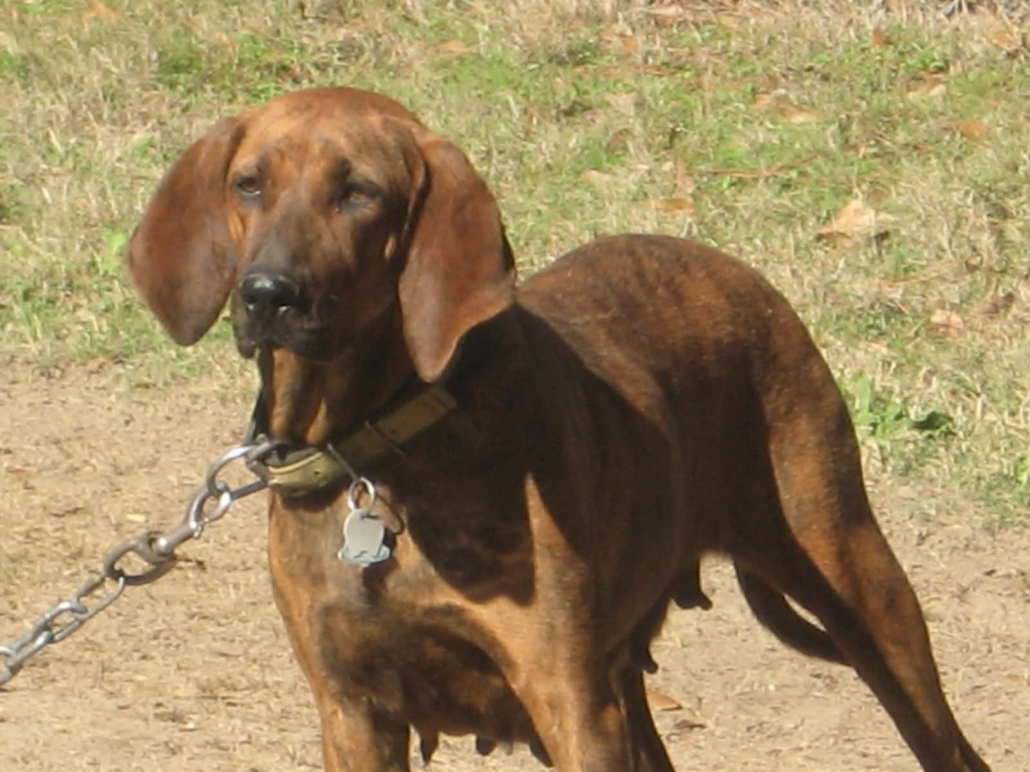
That is why, the today Pachón Navarro is a product of recovery through from copies of old dog sample Spanish (Old Spanish Pointer), that’s the theory that keep classical authors during the last centuries.
In fact, Old dog sample Spanish, It is one of the seven races that appears as a show dog in the classification made by the Royal Canine society of Spain, in the year 1911.
In the documentation of its origins, Some theories pose Pachón Navarro descended from the Talbot Hound and other hunting dogs, whose origin lies in the 12th century.

Temperament

Temperament

The Pachon Navarro is intelligent, friendly, loyal, and brave. They are a large, athletic breed and need vigorous daily exercise. These dogs possess a strong hunting instinct, but also make excellent human companions. The Pachon Navarro has a great temperament for a family dog; they are gentle and affectionate, with happy dispositions. When indoors, they are docile, preferring to be near their human family; this breed will not be happy living outside away from its people. They are friendly toward people in general, and get along well with most other dogs. Small noncanine pets, especially birds, will not fare well with a Pachon Navarro in the house, because of their hunting instinct for birds and small game. These dogs do not pick fights with other canines, but will defend what is theirs, if necessary. Their bravery and loyalty make them good watchdogs.


Caring for Your Pachon Navarro


Health

General Health

While not all Pachón Navarro have double-noses, some dogs bred for the double-nose develop cleft palates, which can lead to severe breathing and nursing issues.

Grooming & Bathing

Grooming & Bathing

The short coat should be easy to maintain with occasional brushing and bathing when needed.

Exercise & Training

Exercise & Training

This dog that needs lots of exercise, There will always be a torrent of energy that need to spend, even running through the fields.

Pachon Navarro Picture Gallery