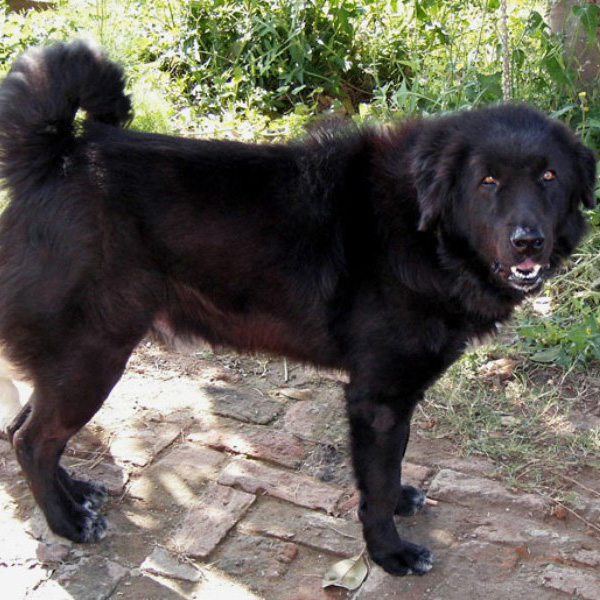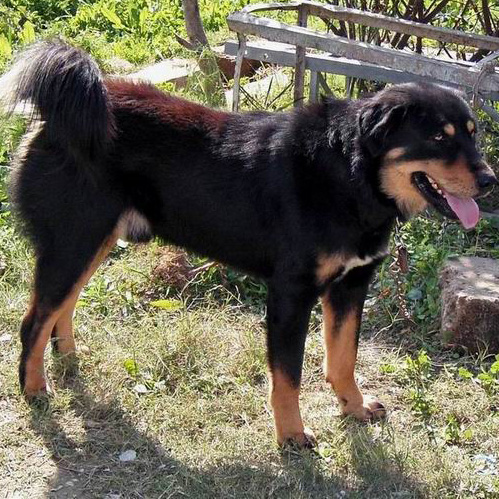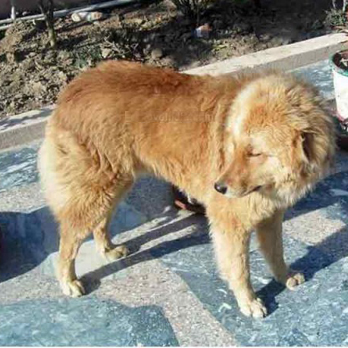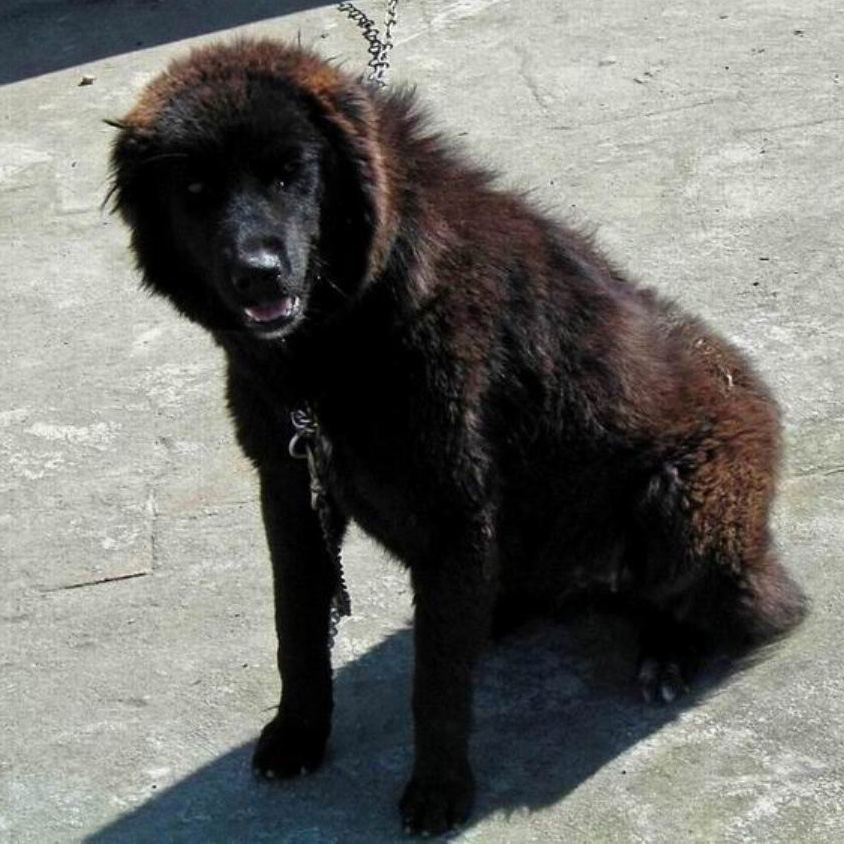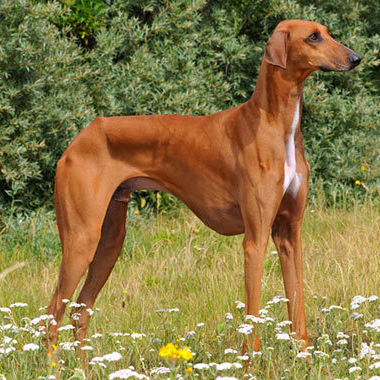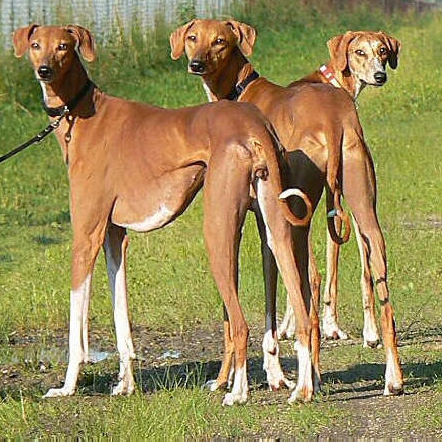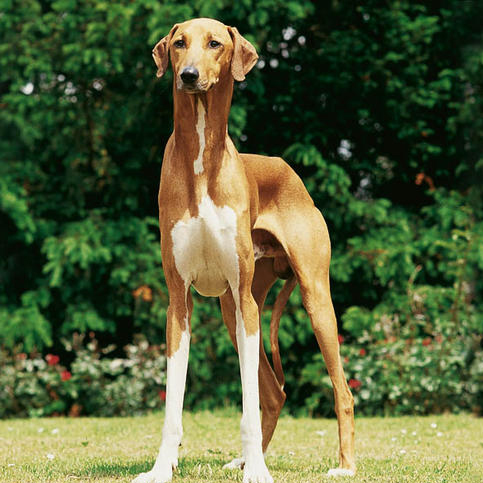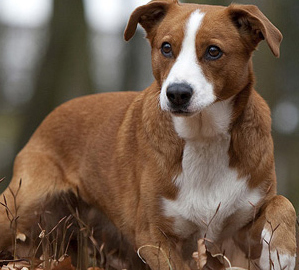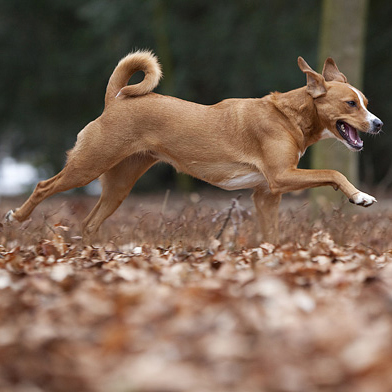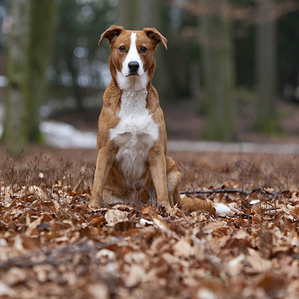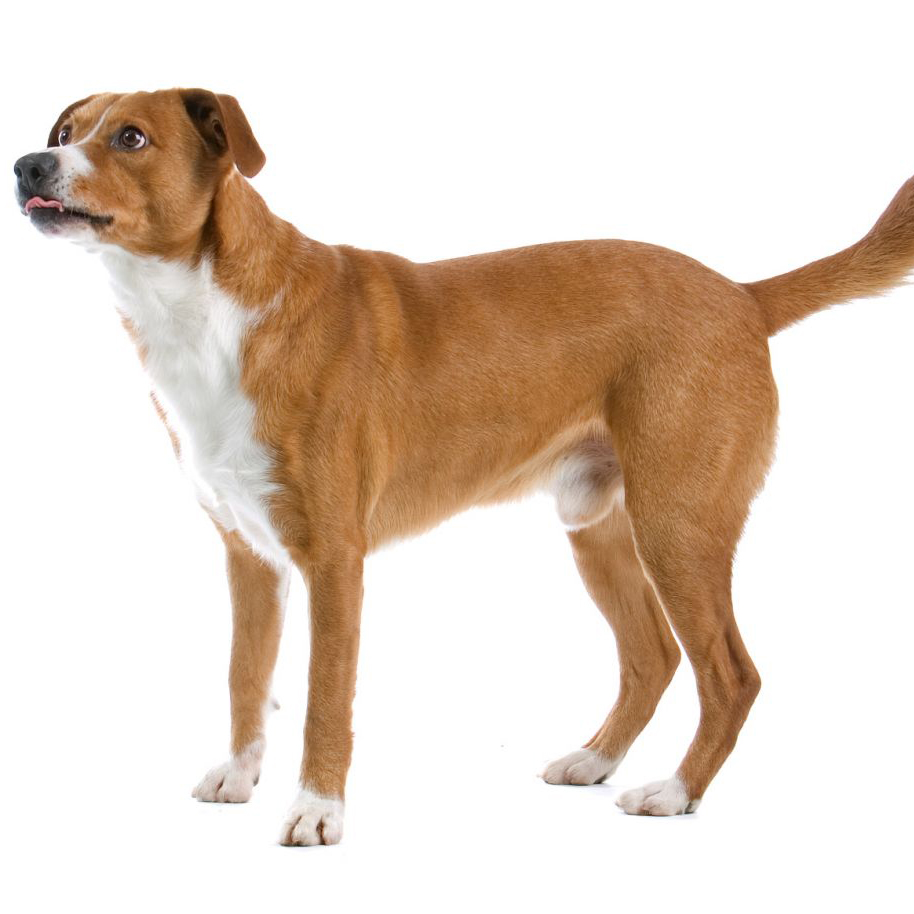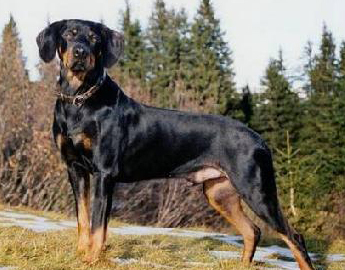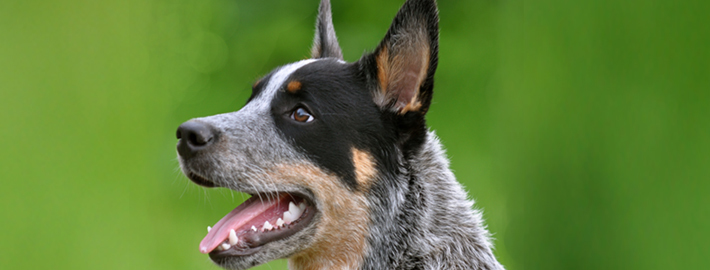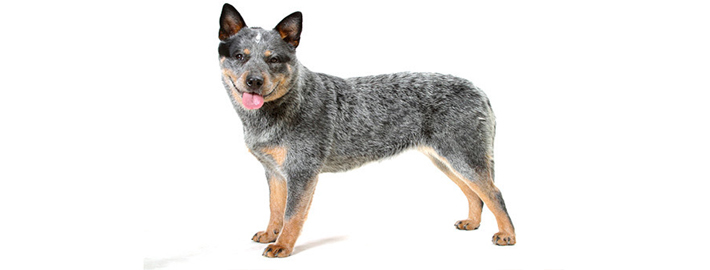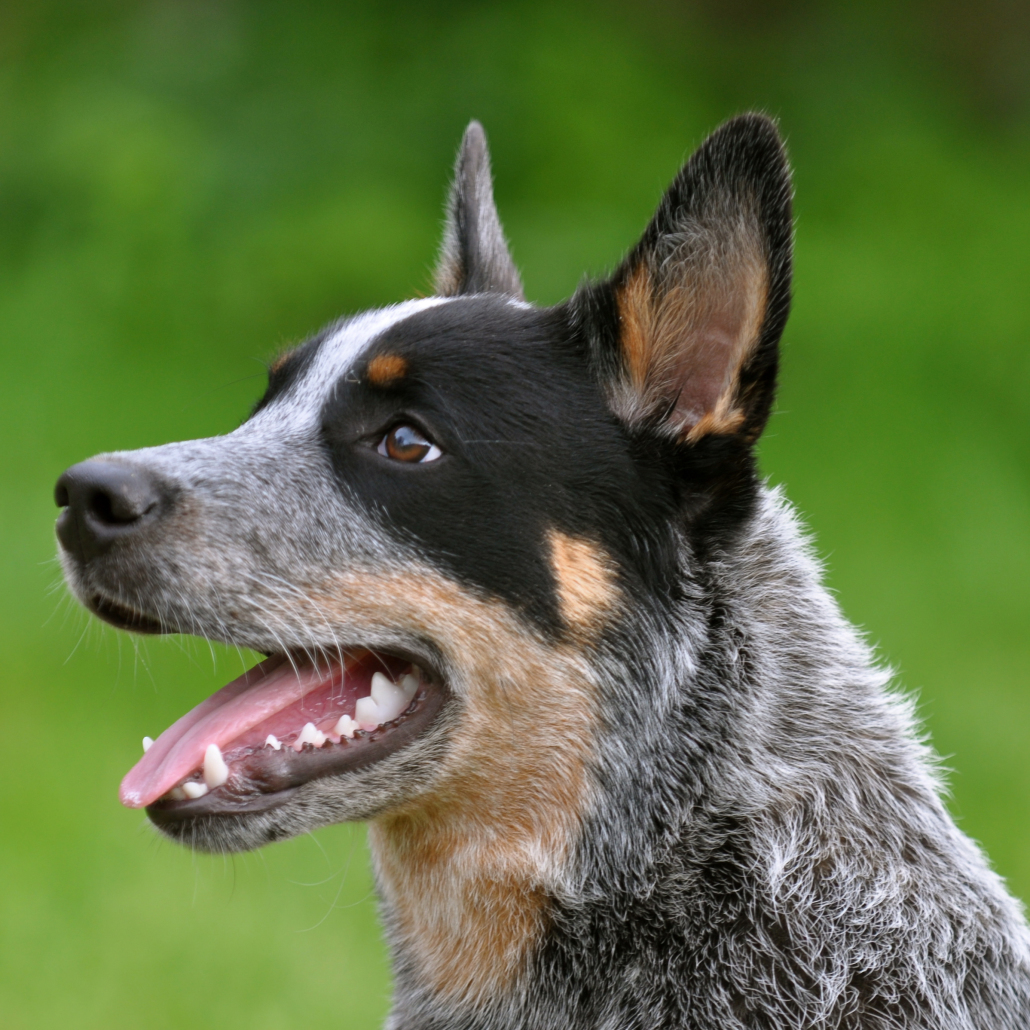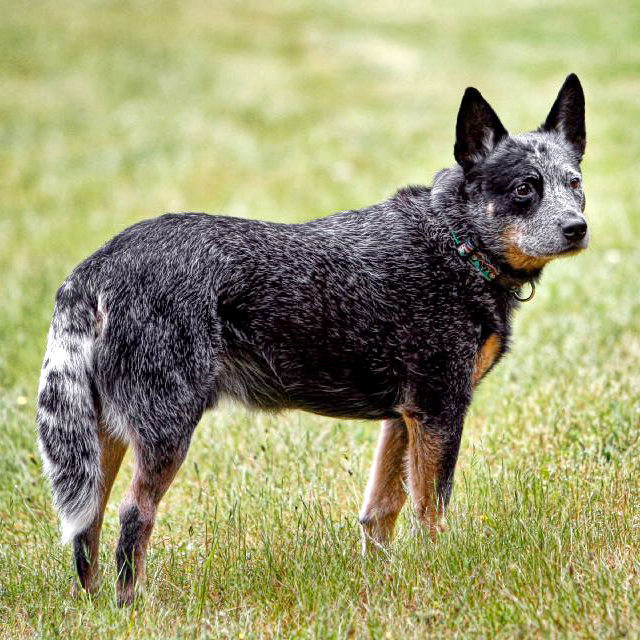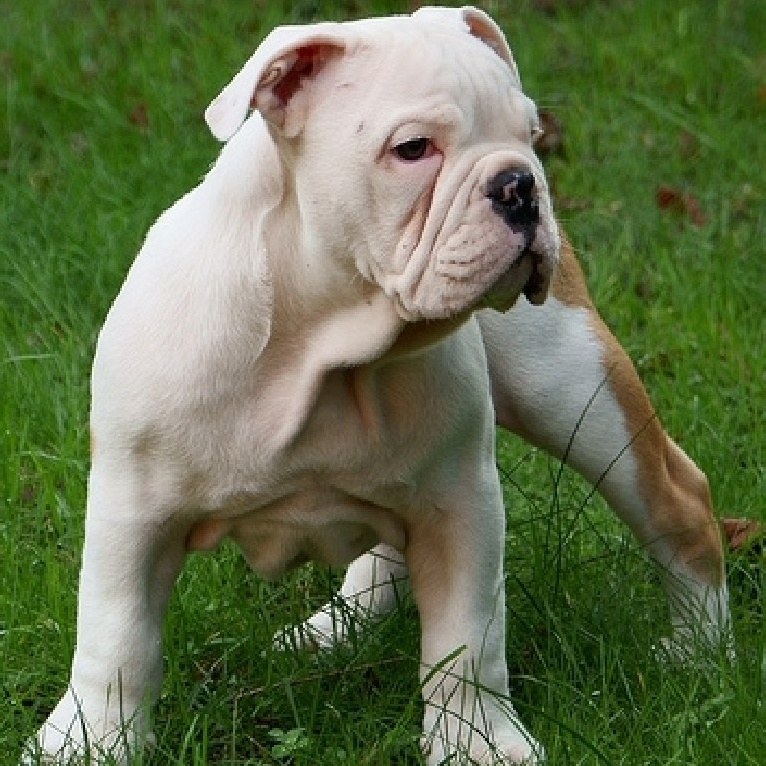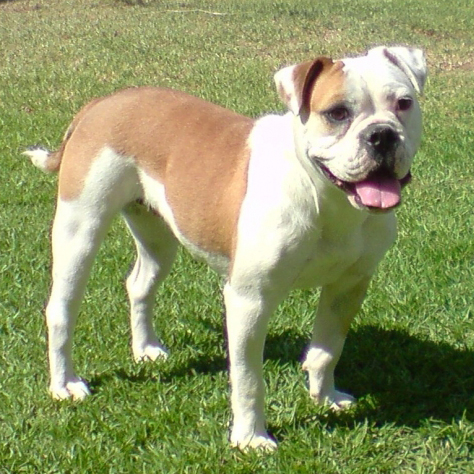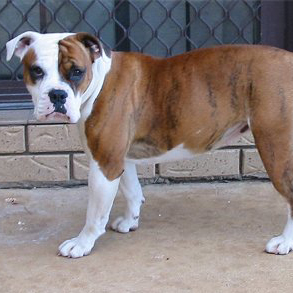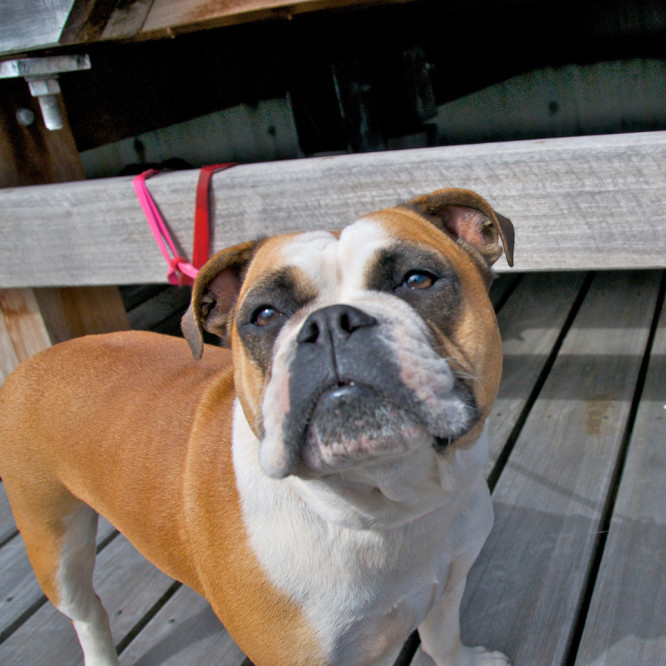
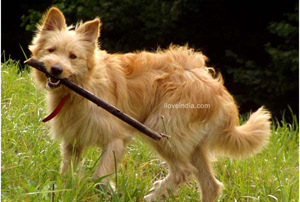
Basque Shepherd

Basque Shepherd Dog – Territorial Herding Dog
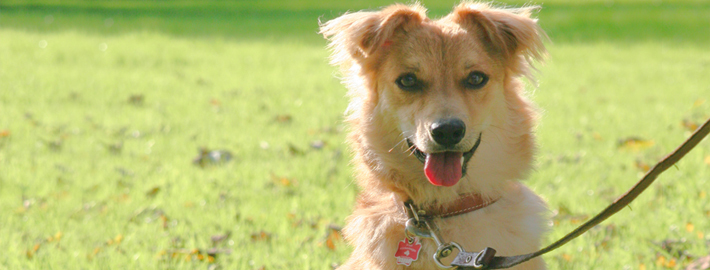

What makes the Basque Shepherd Dog Unique?


These dogs are intelligent animals with strong instincts and very loyal companions. As one of the most suitable breed for a family background, they are gentle and playful and are very good around small children as well as elders. Their guarding instincts are strong. They can be comfortable with strangers once they are introduced to them.

SnapShot

Size: Males – 52 to 58 cm (20 to 23 inches)Females – 46 to 53 cm (18 to 21 inches)
Weight: Males – 18 to 36 kg (39.7 to 79.4 pounds)Females – 17 to 29 kg (37.5 to 63.9 pounds)
Origin: France and Spain
Life Span: 12 – 15 Years
Colour: Gold, Copper; Mahogany Merle, Red Merle, Blue Merle, Solid Mahogany, Solid Black and Solid Red
Litter Size: 6 to 9 puppies, 7 being the most common

Is the Basque Shepherd Dog Right For You?


Basque Shepherd Dog, a medium sized dog with strong body requires an extensive amount of exercise to keep their energy down and avoid developing a destructive behavior. Their guarding instincts are strong as they can become territorial. They are very suitable as family dogs since they are loyal, playful yet gentle which makes them good around small children and elders. This dog would be a delight in any household as long as you keep them happy and content with proper leadership.

This dog is highly active and needs loads of exercise daily to drain their energy. They rarely tire and can continue to play all day long. They swim well and do not shy away from water but they are not very well developed for swimming. They can live in a country or in a town as long as the family has a yard and they receive enough exercise every day. They do not do well if they are kept indoors for too long due to being highly energetic. If you live in a small space, keep their energy drained by taking them out for long walks or jogs.

In 5 Words


  • Friendly
  • Calm
  • Sociable
  • Playful
  • Lively

Fun Fact

THE BASQUE SHEPHERD DOG (BASQUE: EUSKAL ARTZAIN TXAKURRA) IS A BREED OF DOG ORIGINATING IN THE BASQUE COUNTRY AND TRADITIONALLY USED BY THE LOCAL SHEPHERDS TO HELP THEM TAKE CARE OF THEIR CATTLE AND SHEEP.

Characteristics


Exercise
Friendliness
Trainability
Watchdog
Health Issues

Learn About the Basque Shepherd Dog


Description

Description

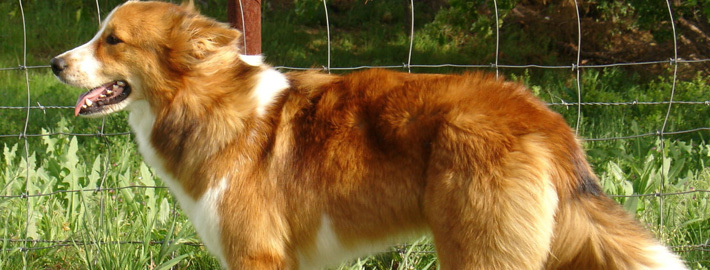
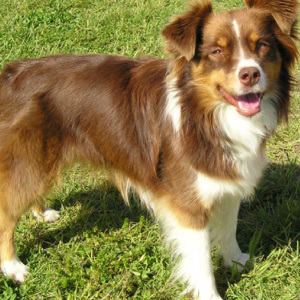
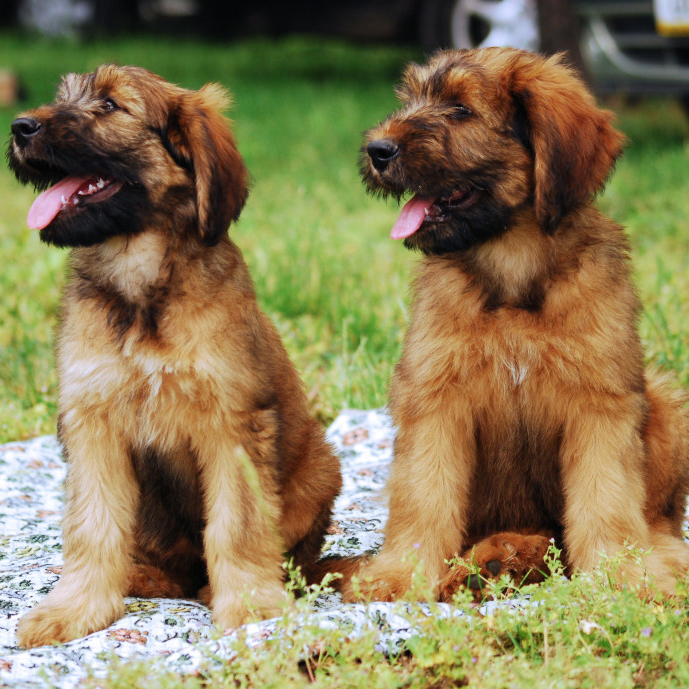
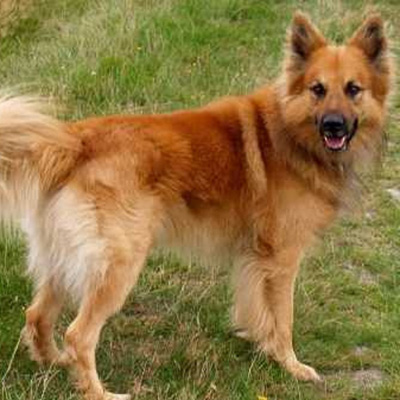
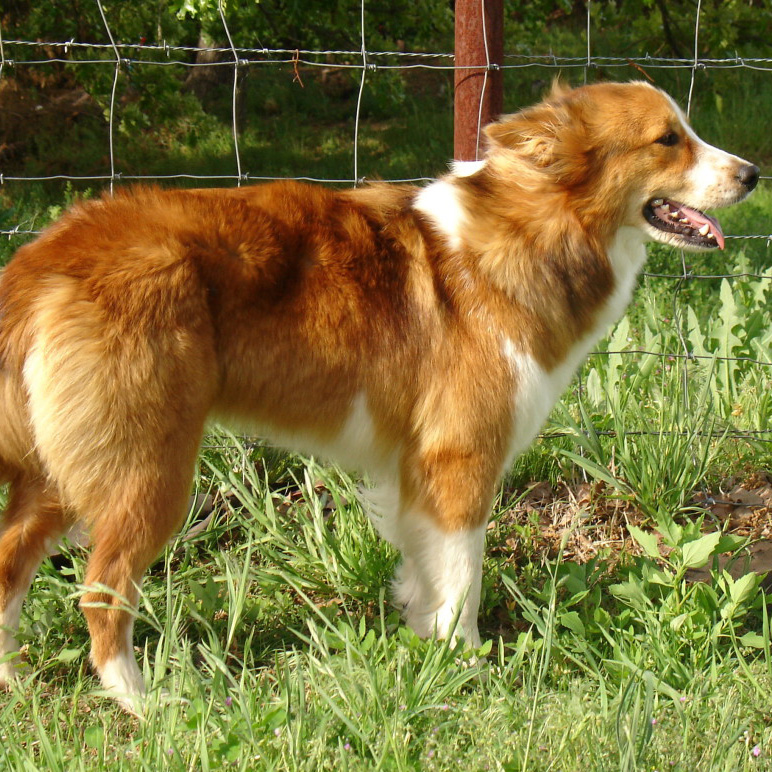
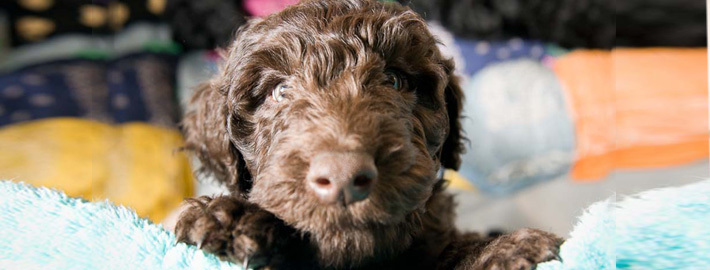
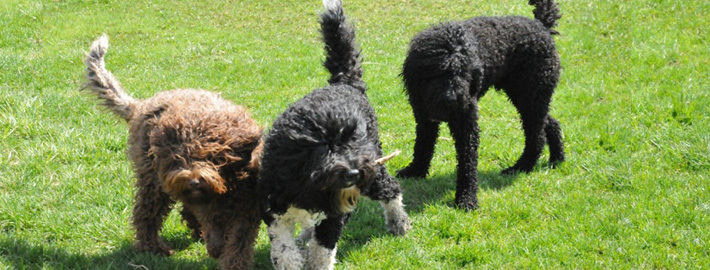
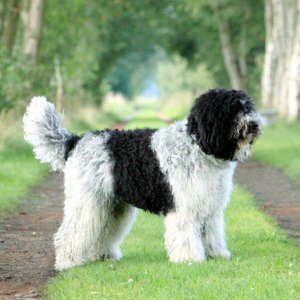
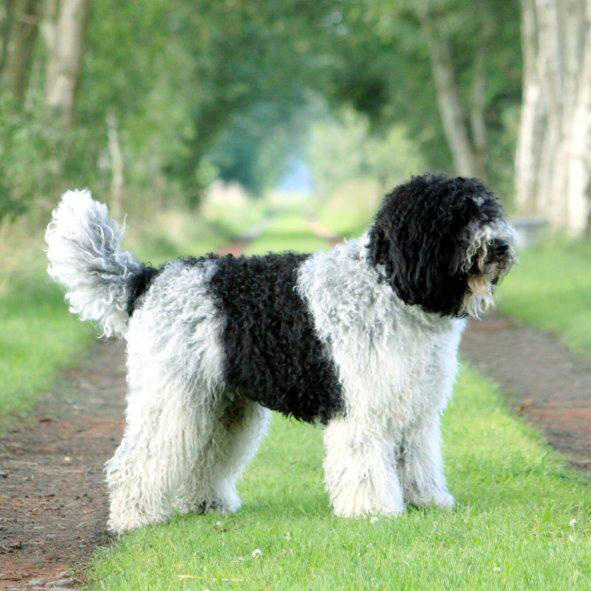
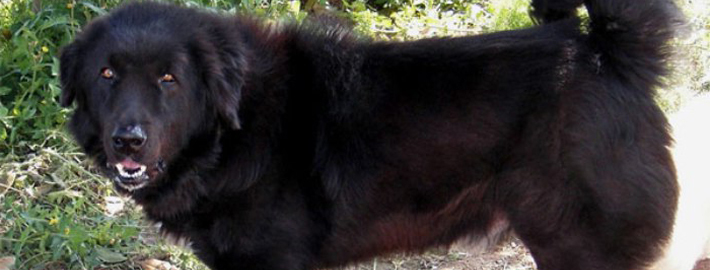
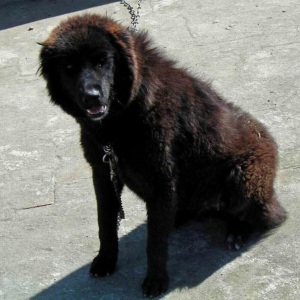
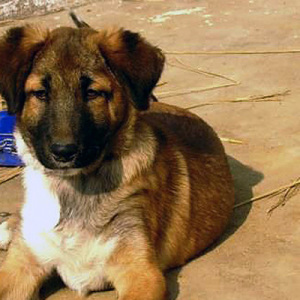
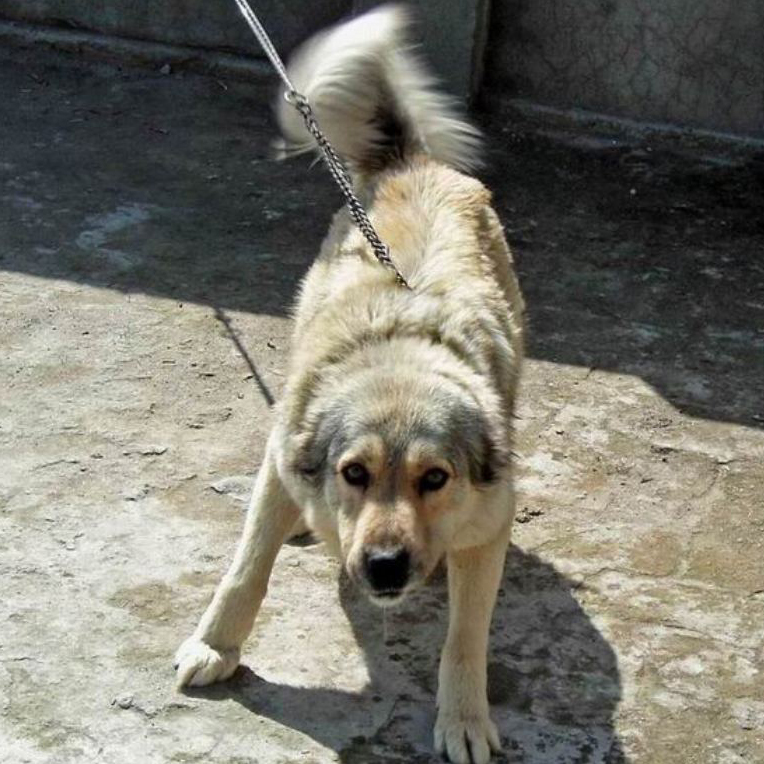
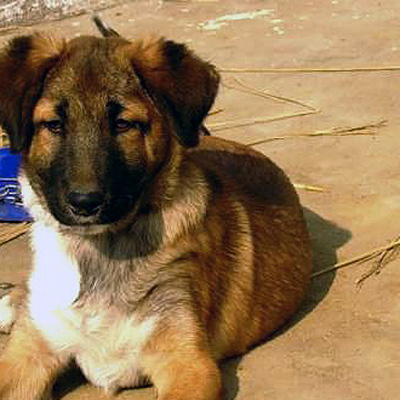
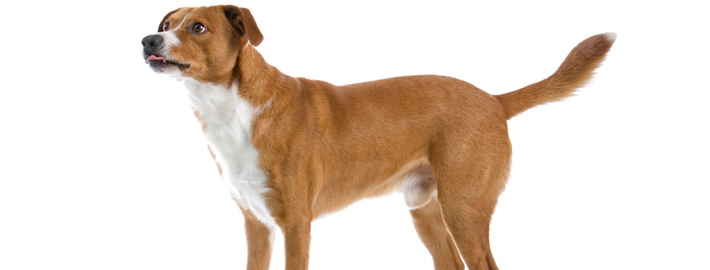
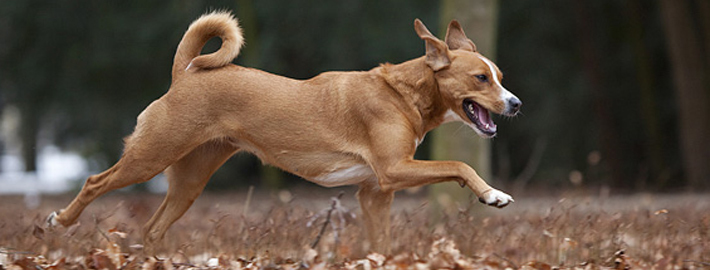
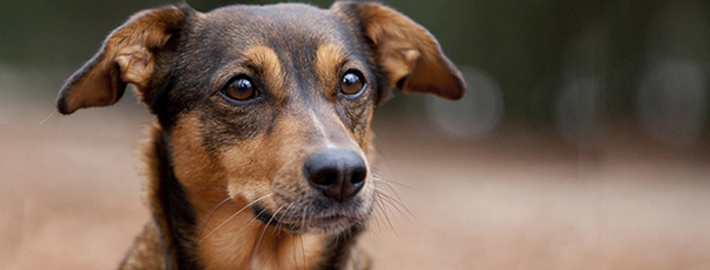
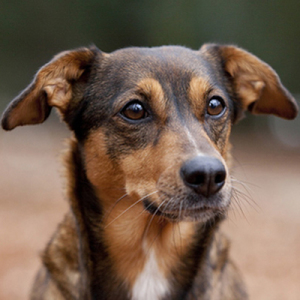
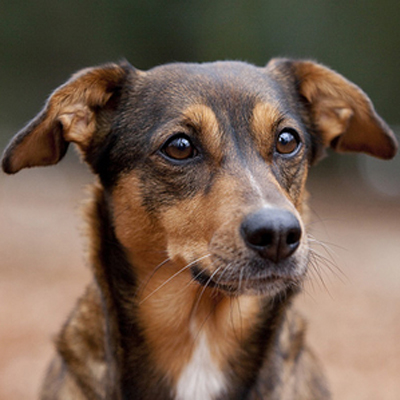
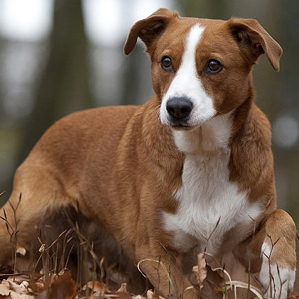
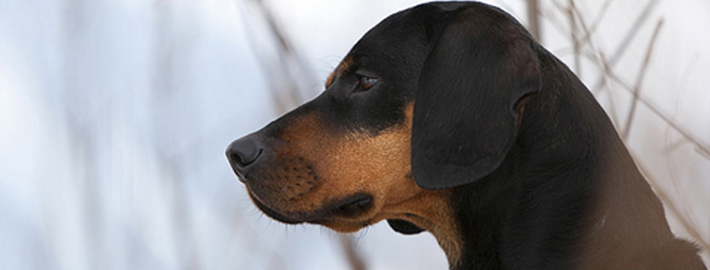
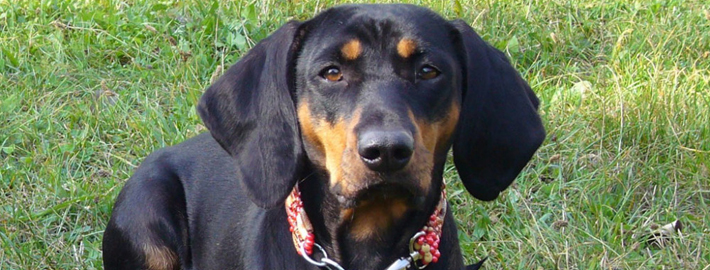
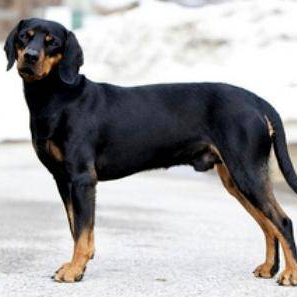
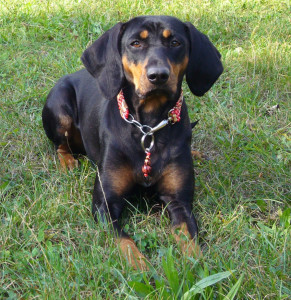
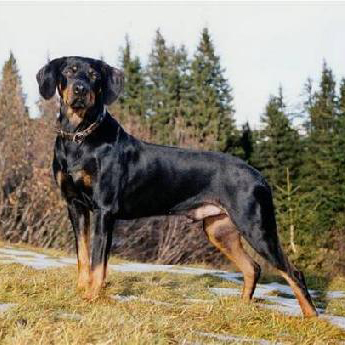
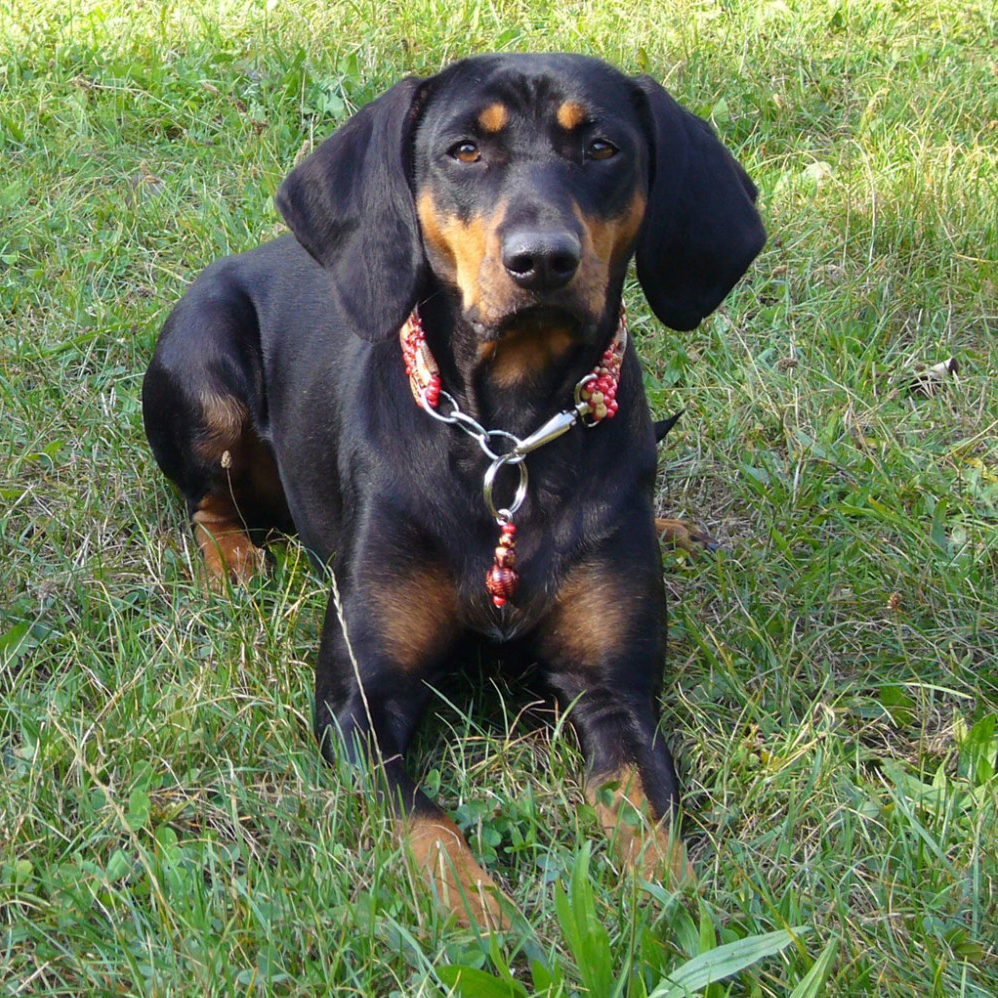
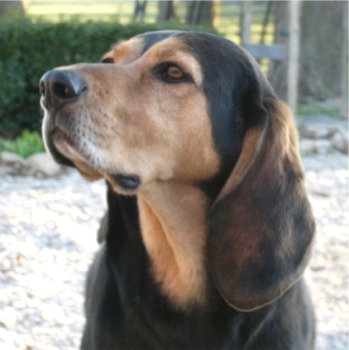
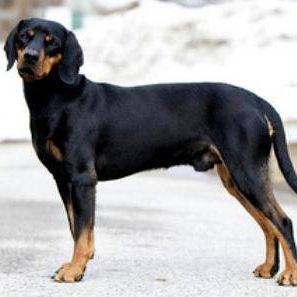
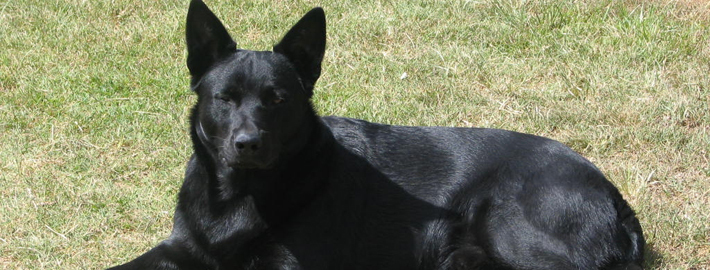
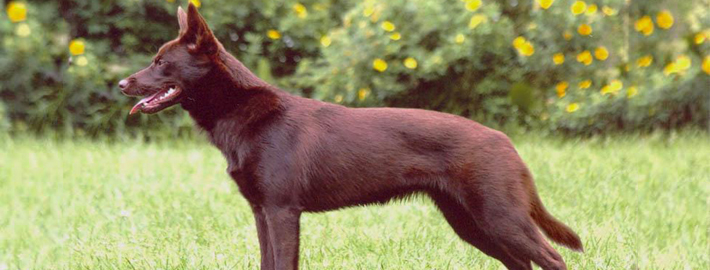
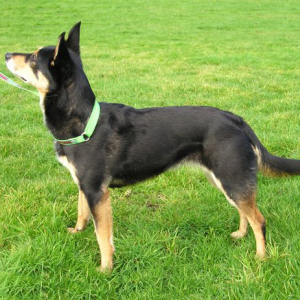
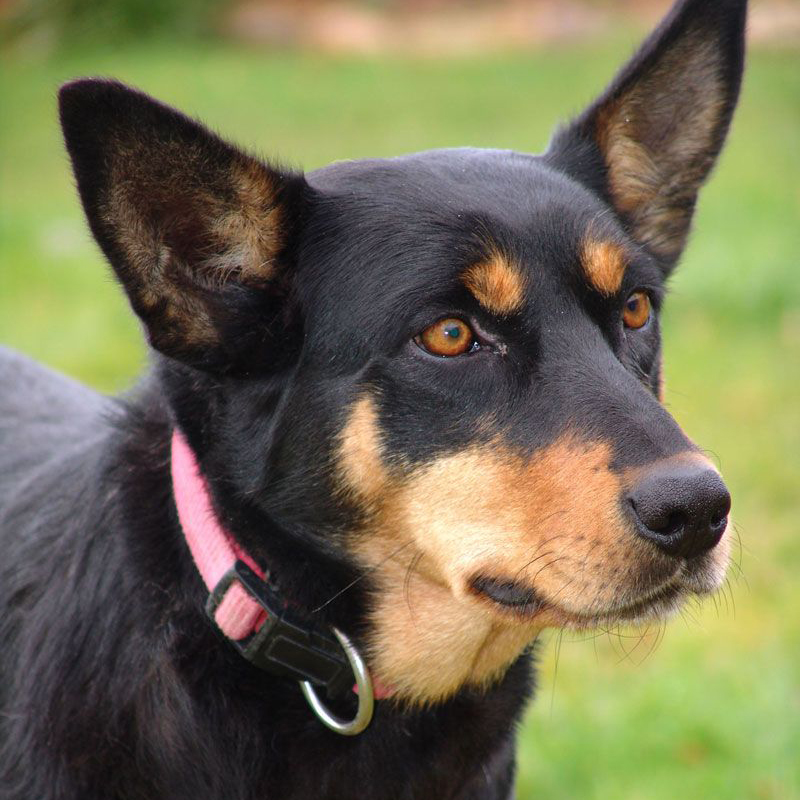
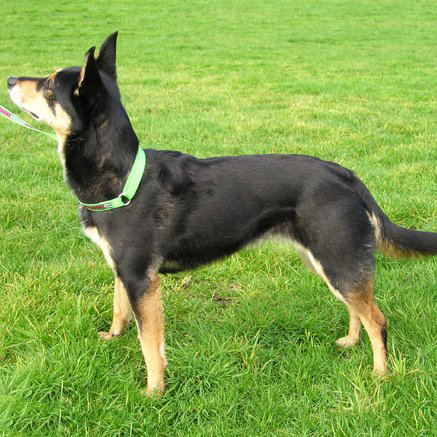
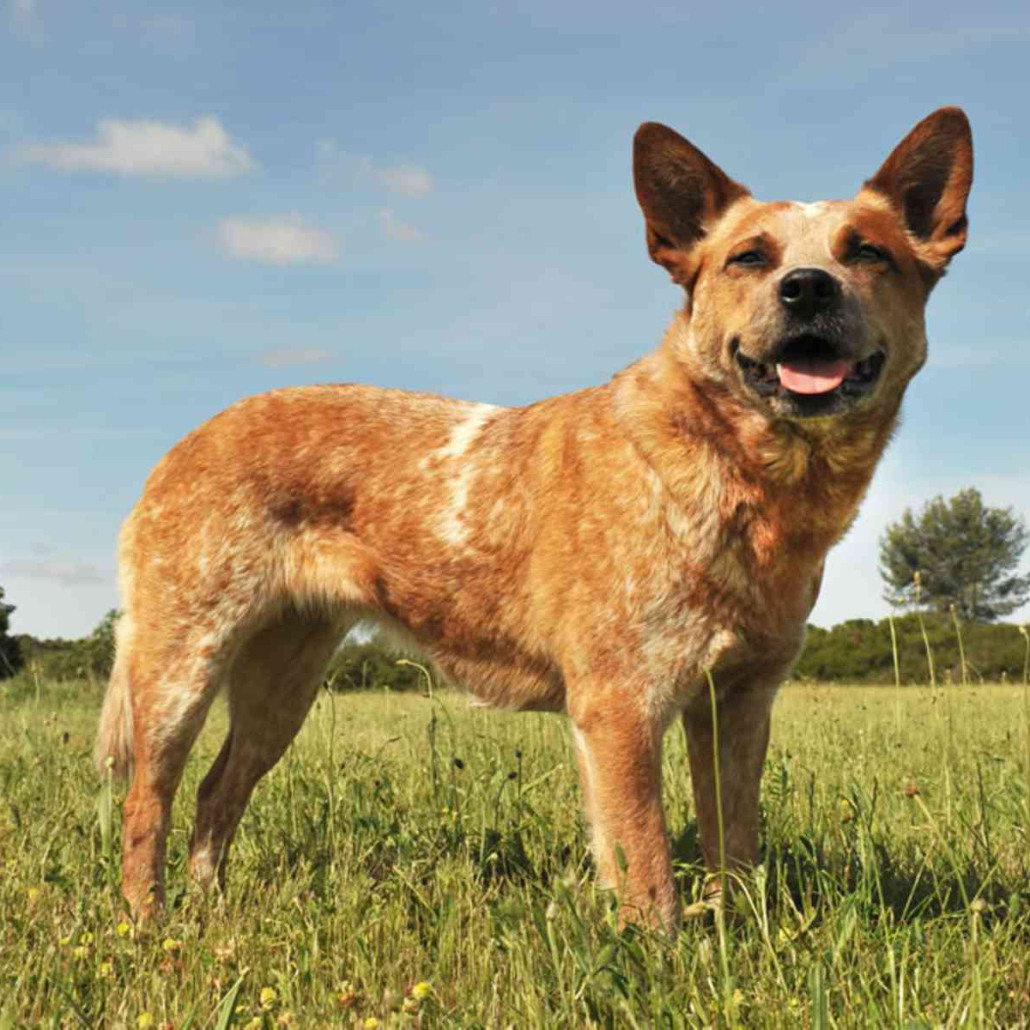
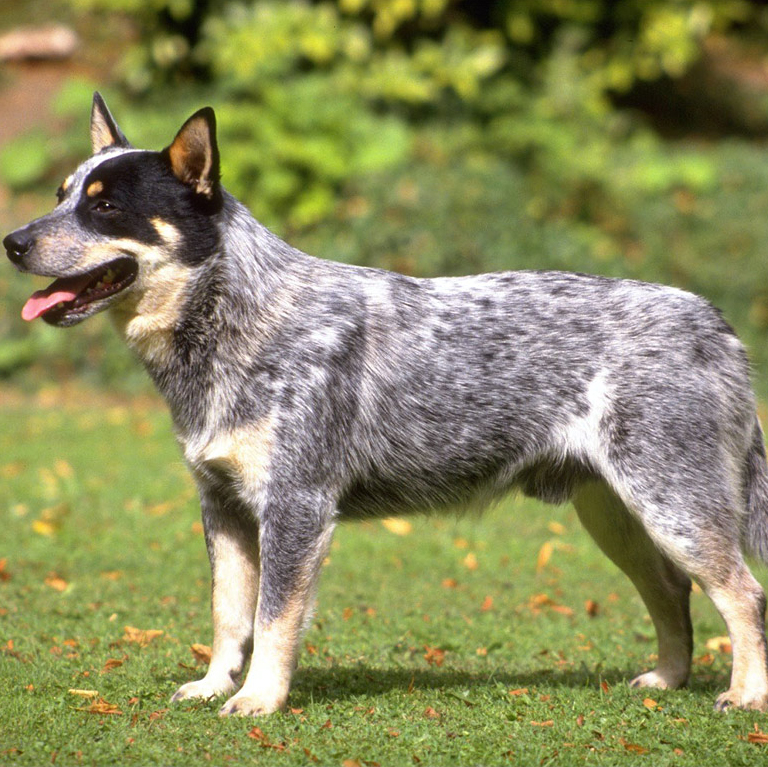
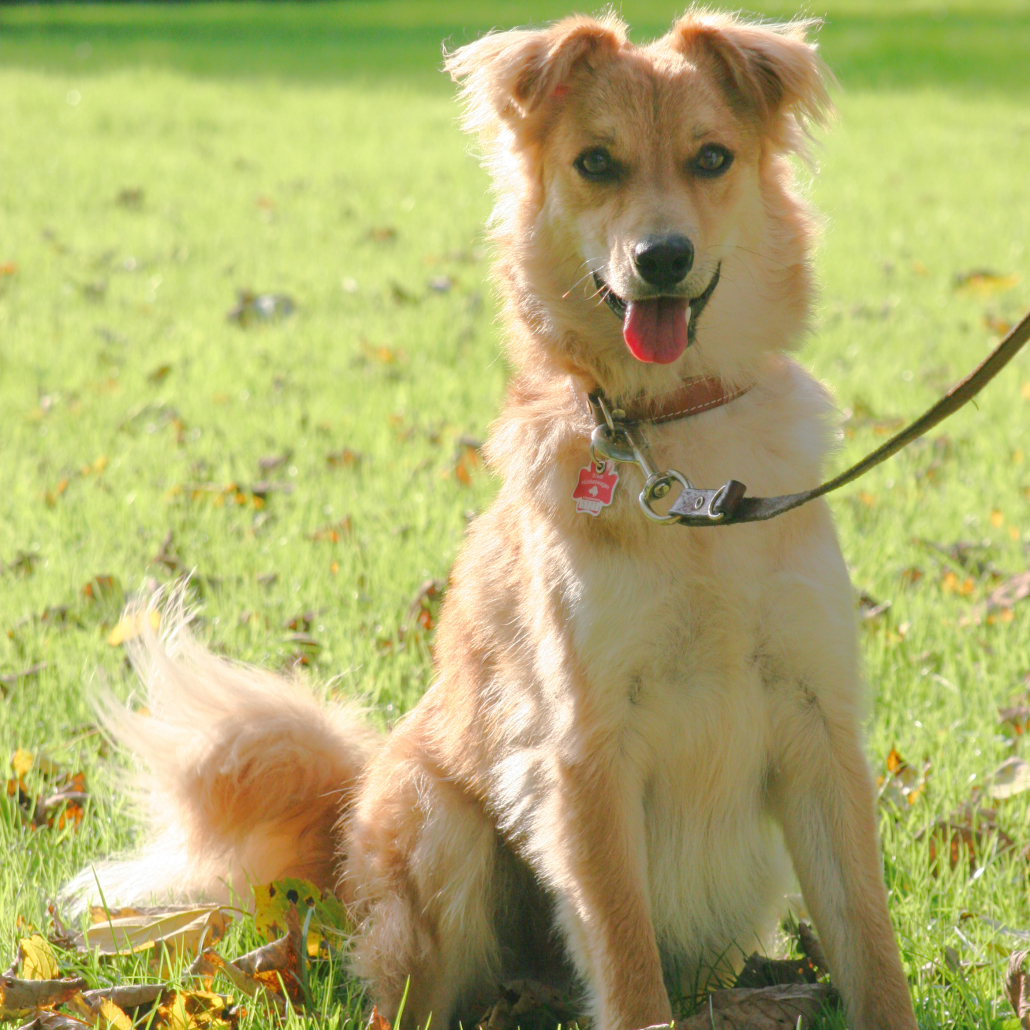
These dogs are well proportioned, with strong, rectangular bodies and trotter features. Their eyes are oval and are brown or amber. Their ears are medium sized, triangular and sometimes show folds. The vivid yellow medium length rough coat is longer over the trunk than over the head and is shorter on the face, but does not hide the eyes. The head is rather light relative to the trunk, which is attached by a short neck and muscular. Of the two distinct types of Basque Shepherd Dog, the more outgoing Gorbeikoa is the more pure and ancient of the two. It is recognized by the distinct cinnamon colored moderate length hair coat.

Short History

Short History of the Basque Shepherd Dog

This sheepdog is one of the oldest dog breeds. Skeletal remains were found in Neolithic caves dated to 12,000 years ago. They are interpreted as demonstrating that the people living in the area of what is now Basque Country were shepherds. In frescoes and paintings of the sixteenth century there are representations of the Basque Shepherd Dog. Nevertheless, their recognition has required extensive research on records from throughout the Basque Country. Only after demonstrating their differences from other breeds such as the Pyrenean Shepherd and the Catalan sheepdog, did the Royal Canine Society of Spain recognize the Basque Shepherd Dog as a breed with two varieties: Iletsua and Gorbeikoa, in January 1996.

Temperament

Temperament

Basque shepherd dog is one of the most suited family dogs in the world, which goes nicely with every family member, irrespective of age. It is usually a tireless worker which enable it to perform throughout the day. However, it needs enough space to roam around. Basque shepherd dogs always prefer to remain near to the family, owing to their herding instincts. They possess a sense of territory, which is evident in their regular circling of their area. They do so to command its their more than the area.


Caring for Your Basque Shepherd Dog


Health

General Health

While the Basque Shepherd Dog is typically known as a healthy and hearty breed, they do suffer from a few health problems, including: hip dysplasia, likeliness to develop cancer, congenital heart defects, primary lens luxation – dislocation of the lens, cataracts, chronic ear infection, and bloat.

Grooming & Bathing

Grooming & Bathing

The Basque Shepherd’s coat is very good. It is lush and long with either straight or slightly wavy and of medium length. Their rough coat is longer over the entire trunk but it becomes short over the head while shorter on the face avoiding their eyes. Its coat is of medium-length and rough and relatively easy to groom.

Regular grooming for the Basque Shepherd Dog should be done to maintain their coat’s wavy nature. Grooming will also prevent fleas and dog hair shedding in your house. Daily brushing including a weekly bath will keep the coat smooth and shiny. Avoid frequent baths as their skin’s natural oils will dry out from too much exposure to water and shampoo.

Exercise & Training

Exercise & Training

The Basque Shepherd Dog is a sheepdog who needs room to roam. A farm or similar running room is more appropriate for this breed verses an apartment, condominium or small home. This breed is also intelligent so mental stimulation is important.

This dog is highly active and needs loads of exercise daily to drain their energy. They rarely tire and can continue to play all day long. They swim well and do not shy away from water but they are not very well developed for swimming. They can live in a country or in a town as long as the family has a yard and they receive enough exercise every day. They do not do well if they are kept indoors for too long due to being highly energetic. If you live in a small space, keep their energy drained by taking them out for long walks or jogs.

Basque Shepherd Dog Picture Gallery

Barbet

Barbet – The Mud Dog


What makes the Barbet Unique?

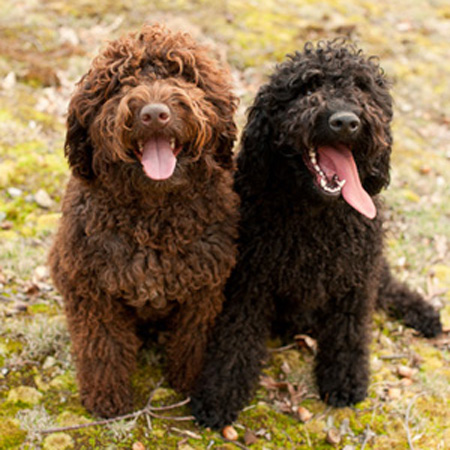
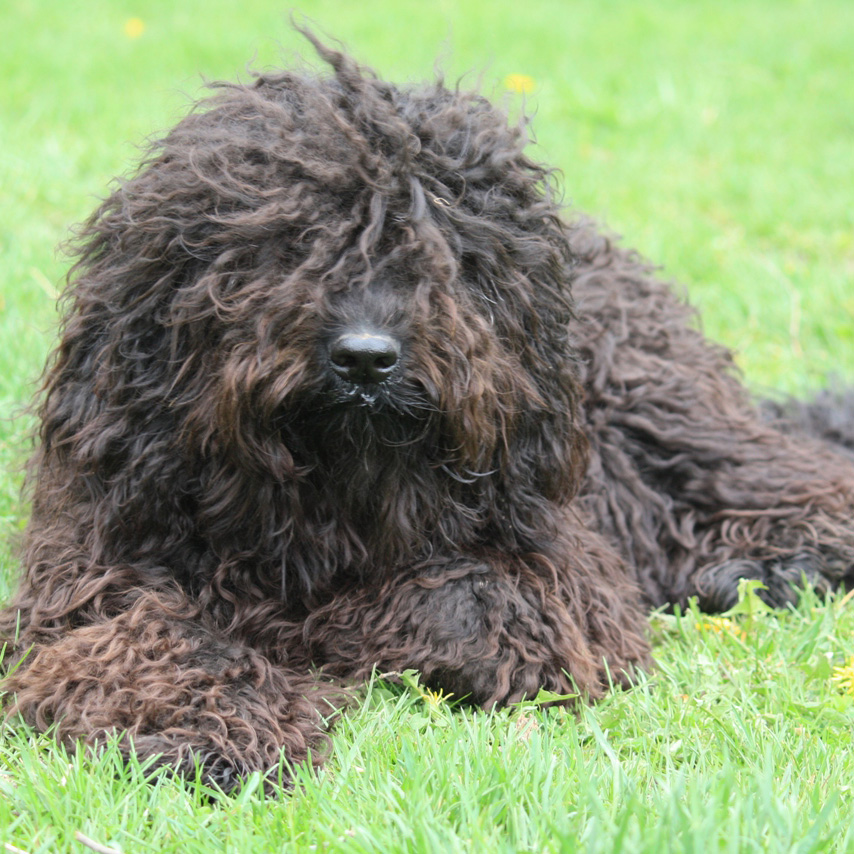
The Barbet is a rare breed. Most Barbet, especially those shown in conformation shows, are entirely black, black and white, or brown. It is common to see white chest spots and white paws or legs on black or brown coated dogs. Parti, Creme, and Pied variations are being born but in very limited numbers. The Barbet is a breed of dog; it is a medium-sized French water dog.

SnapShot

Size: Males – 57 to 66 cm (22 to 26 inches)
Females – 52 to 62 cm (20 to 24 inches)
Weight: Males – 17– to 28 kg (37.5 to 61.7 pounds)
Females – 17– to 28 kg (37.5 to 61.7 pounds)
Origin: France
Life Span: 13 – 15 Years
Colour: Grey, Fawn, Brown, Black, White
Litter Size: 6 to 9 puppies, 8 is being common

Is the Barbet Right For You?

Around the home, the Barbet enjoys the company of its family. It is probably best suited to living in a home with a large, fenced yard, but it can handle living in close quarters as long as it gets plenty of vigorous, outdoor exercise. If you live near a lake or stream, consider getting a Barbet—it loves splashing around in the water.


In 5 Words

  • Obedient
  • Companionable
  • Intelligent
  • Joyful
  • Graceful
Fun Fact

HE `GRAND BARBET` DEPICTED IN COUNT GEORGE LOUIS BUFFON’S BOOK `HISTOIRE NATURELLE’ (1750) IS THOUGHT TO BE THE ORIGINAL SOURCE OF THE VARIOUS WATER DOG BREEDS.

Characteristics


Exercise
Friendliness
Trainability
Watchdog
Health Issues

Learn About the Barbet


Description

General Description

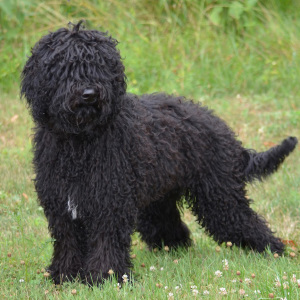
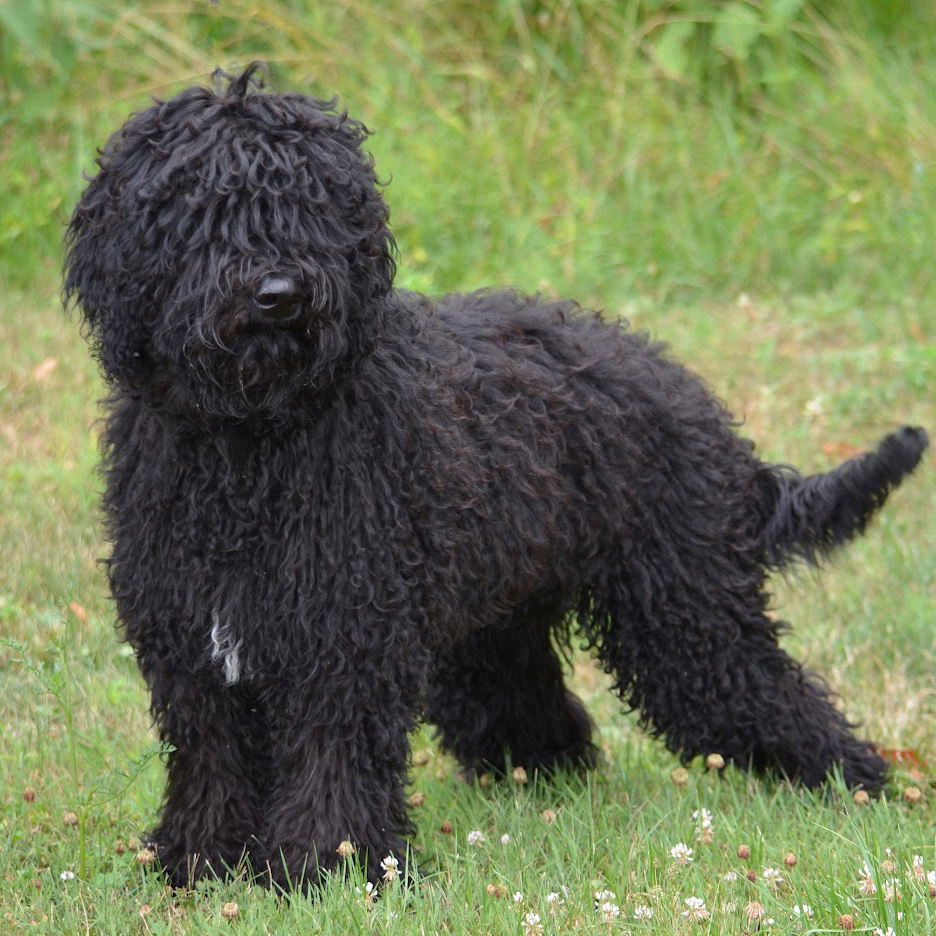
The barbet is a mid size dog with a long, woolly and curly coat. Their coats grow long and must be groomed regularly. The barbet does not shed, its coat grows continuously. Most barbet, are entirely black, black and white or chestnut brown. It is common to see white chest spots and white paws or legs on black or brown coated dogs. Grey, fawn and white are extremely rare.The breed stands 58 to 65 cms (20.5-25.5 inches) for the males in height, 53 to 61 for the females with a tolerance of 1 cm (FCI 2006, CKC 2009).

History

Short History of the Barbet

The Barbet breed is an integral part of dog history, and many familiar breeds have Barbet in their ancestry. Depending on geography and necessity, the Barbet connected through the centuries in various capacities, and as a companion dog, but more as an all-around working dog. The name Barbet became throughout centuries a “generic” name for a dog with a long, curly, woolly coat.

The `Grand Barbet` depicted in Count George Louis Buffon’s book `Histoire Naturelle’ (1750) is thought to be the original source of the various water dog breeds (Poodle, Portuguese Water Dog, American Water Spaniel, and so on). Its actual origin is lost in antiquity but probably stems from corded herding stock.

The Barbet is a French water dog and the breed’s name “Barbet” comes from the French word barbe, which means beard. The Barbet has also worked as sailor’s assistants, much like the Portuguese Water Dog. It was best known for being a waterfowl retriever in the marshes, wetlands and estuaries of France which is where the expression “muddy as a barbet” came from in the 19th century. Between the late 18th to early 19th century the same dog was known as the barbet in France, the barbone in Italy, and the pudel in Germany; for almost a hundred years the barbet and poodle were considered one and the same. With the advent of dog shows and selective breeding based purely on aesthetics the poodle was developed to be more elegant and of a solid colour to distinguish it from its more common past. The versatile nature of the Barbet has meant its survival, and many of today’s Barbet still have the assets attributed to them from the past and the Barbet origins and bloodlines can be traced back to the writing of the first standard in 1891.

Temperament

Temperament

The barbet’s personality is described as companionable, joyful, obedient and intelligent. They are quick to learn and excell in conformation, obedience and agility. They are great with children, families, and the elderly. They enjoy being with their human companion. They need exercise daily to keep the dog in a healthy state of mind and body.


Caring for Your Barbet


Health

General Health

Due to the extremely low number of Barbets in the world, little is known about long term health issues. Some issues that have exhibited themselves are ear infections, hip dysplasia, hernias, undescended testicles, undershot/overshot bites, and epilepsy. However, a study has just begun in France about health issues in the Barbet as several breeds have recently “contributed” to the Barbet. Most breeders today hipscore the parents before any matings and A, B, and C hipscores can be used.

The most common of these issues are ear infections, a problem in most water dog varieties. Ear problems can be minimized by proper ear care. A veterinarian should be consulted if the dog shows signs of an ear infection.The ear should always be clear of any hair, and inspected very regularly.

Grooming & Bathing

Grooming & Bathing

Daily brushing and combing is a must to prevent mats from forming. The coat readily picks up burrs, twigs, and leaves, so you may want to have those daily grooming sessions after walks. Some owners clip the coat short to make it easier to maintain. The breed sheds little, and may be a good choice for those with allergies.

Exercise & Training

Exercise & Training

They are quick to learn and need lifelong obedience training. With a quick wit and intelligence, the Barbet can learn commands quickly and perform at a high level. If you’re interested in agility competitions, you might look for a Barbet.

Barbet Picture Gallery


Bakharwal

Bakharwal – Ferocious Protector


What makes the Bakharwal Unique?

The breed is known as a very active one. It is necessary that they are trained well from their childhood. The Bakharwal dog is very playful and it is also protective. It needs its share of standard exercise and play. The dog is sociable and does not thoughts crowds. this can be simply because they are brought up in places with lots of people. The breed is also very aggressive when it comes to their area. They are protective of their turf and will react typically of a shield dog when confronted. Hence they are well suited as shield dogs for huge properties. They will be very happy in these situations. these days they are also utilized in their role as a shepherd dog to great advantage.

SnapShot

Size: Males – 61 to 76 cm (24 to 30 inches)

Females – 61 to 76 cm (24 to 30 inches)

Weight: Males – 29 to 36 kg (64 to 79 pounds)

Females – 29 to 36 kg (64 to 79 pounds)

Origin: India
Life Span: 10-12 Years
Colour: Tri-color, Black & Tan, Piebald
Litter Size: 3 to 6 puppies

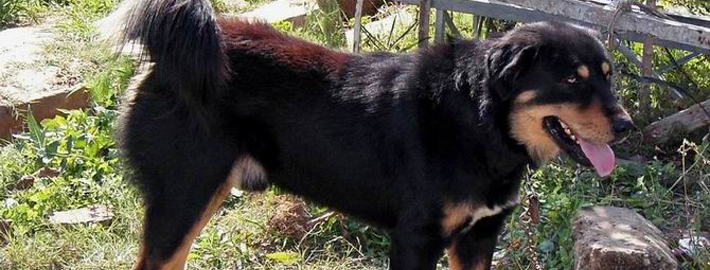
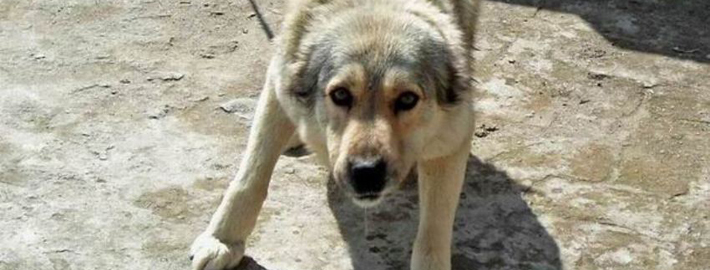
The Bakharwal Dog is an ancient working breed of dog found in the Pir Panjal mountain range of the Kashmir Himalayas, where it has been bred for many centuries by the Guijar nomadic tribes as a livestock guardian dog and settlement protector. A recent study says that this species of dog is in danger. They have been trained to be shield dogs for the tribe as well as specifically for cattle. The Bakharwal dog is known to be a very muscular and well structured dog. It is tall and powerful. One of the most recognizable features of the dog is its fluffy and rough coat. The dog has powerful solid shoulders having a powerful neck and head.

In 5 Words

  • Ferocious
  • Protective
  • Serious
  • Loyal
  • Rugged
Fun Fact

BAKHARWAL DOG IS AN ANCIENT WORKING BREED OF DOG FOUND IN THE PIR PANJAL MOUNTAIN RANGE OF THE KASHMIR HIMALAYAS.

Characteristics

Exercise
Friendliness
Trainability
Watchdog
Health Issues

Learn About the Bakharwal


Description

Description

Deep-chested, muscular and agile, the Kashmiri Sheepdog has a directly back, broad shoulders and long legs. The entire body is strongly boned, having a powerful neck and big head. The medium-length flat coat is very thick and densely undercoated, providing suitable security from your harsh climate in the area, as well as from predators. The most common and valued colouring is dark and tan, but some tricoloured and piebald examples might be found, too. a number of sizes might be encountered, from specimens that are 24 inches tall to those exceeding 30 inches in the withers.

Short History

Short History of the Bakharwal

Belonging to a leaner variety of Asian Molossers, the Kashmiri Sheepdog is related to some types of the Tibetan Mastiff and dogs of Central Asia, but is claimed by the Gujjar herdsmen to be much older than any other breed of the region. While this is debatable, the black-and-tan colouring and physical build of the Bakarwal Mastiff have led some authorities to link a number of old Molosser to this dog, namely the Hyrcanian Mastiff, the Molossos tis Epirou, the Sylvan, the Tuvan Sheepdog, and the Siah Sag variety of the Iranian Sage Mazandarani, as well as the European descendants of these breeds.

Temperament

Temperament

These dogs have a serious deposition that makes them more than enough suited to be a working dog. They get along great with other animals and small children. When working on a farm, they have a high sense of protection for livestock and other farm animals. They do not fear larger animals then themselves and have been known to fend off bears and tigers because of their strong will. Because of their strong and courageous personality, it makes them one of the best companions for a human, although their stubborn nature can make them a tad difficult to train.


Caring for Your Bakharwal


Health

General Health

The Bakharwal Dog is a robust and healthy breed. Rarely suffering from common canine health disorders, the Bakharwal Dog enjoys a lifespan that averages between 10 and 12 years. The breed generally resists infection and sickness, overall not suffering many illnesses.

While the Bakharwal Dog is typically known as a healthy and hearty breed, they do suffer from a few health problems, including: hip dysplasia, patellar luxation – dislocation of the knee, cryptorchidism – failure of one of both of the testicles to fully descend, obesity, and bloat.

Grooming & Bathing

Grooming & Bathing

The coat of the Bakharwal Dog is medium length and flat, making it relatively low maintenance. Brushing through the dog’s coat once or twice a week should be sufficient to maintain the cleanliness and appearance of the Bakharwal Dog.

The breed sports a dense double coat, so some trimming may be required to maintain its good condition. As with all dog breeds, special grooming and care should be given to certain areas. The eyes, ears, teeth, and nails of the Bakharwal Dog should be examined regularly to ensure that they are clean and healthy, and to prevent any injury or health problems from developing.

Exercise & Training

Exercise & Training

The Bakharwal Dog was, and is still today mainly used as a working dog and livestock or property guardian, the breed has an independent nature that has been perfected over the course of time and through its working development. Obedience training is therefore, a challenge with the Bakharwal Dog breed. Often this dog, while working in the field, would be required to make decisions individually, and separately from its master. This type of development creates a dog that is an independent thinker and a creative problem solver; not one to take to training and the performance of parlor tricks lightly.

Bakharwal Picture Gallery


Azawakh

Azawakh –


What makes the Azawakh Unique?


A dog breed named for the Azawakh Valley in the Sahara desert where he originated, this is a lean and swift hunter with a regal presence. He’s proud but loyal, and protective of his home and family.

SnapShot

Size: Males – 61 to 74 cm (24 to 29 inches)Females – 58 to 74 cm (23 to 29 inches)
Weight: Males – 15 to 25 (33 to 55 pounds)Females – 17 to 25 kg (37 to 55 pounds)
Origin: Mali, Niger and Burkino Faso
Life Span: 10 – 12 Years
Colour: Dark Fawn, Clear Sand, Blue Fawn, Brindle, Grizzle, Black
Litter Size: 4 to 6 puppies

Is the Azawakh Right For You?


Although extremely loyal and deeply affectionate with its family, the Azawakh has the sharpest temperament of all the sighthound breeds. Azawakhs are fiercely protective of their people and territory. When properly introduced to strangers, the Azawakh’s initial reaction may range from accepting, indifferent or avoidant to friendly and affectionate. The Azawakh is extremely intelligent and possesses great independence, so training and socialization must start early. The Azawakh is a keen and willing companion that adapts easily to disciplines such as obedience, freestyle and agility training. As with all sighthounds, training for the breed should be positive and reward based. Harsh treatment or punishment based training will inevitably destroy the Azawakh spirit and cause mistrust, fear or aggression. This active dog has strong guarding and hunting instincts, and requires daily exercise for both mind and body fitness. The short coat needs minimal upkeep.

In 5 Words


  • Refined
  • Aloof
  • Rugged
  • Fierce
  • Attentive

Fun Fact

RESEMBLING A RUNWAY MODEL, THE LEGGY AND ELEGANT AZAWAKH COMES TO US FROM THE SAHEL REGION OF AFRICA, WHICH TOUCHES MALI, NIGER AND BURKINA FASO.

Characteristics


Exercise
Friendliness
Trainability
Watchdog
Health Issues

Learn About the Azawakh


Description

Description

General Description

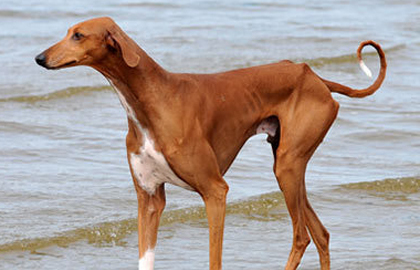
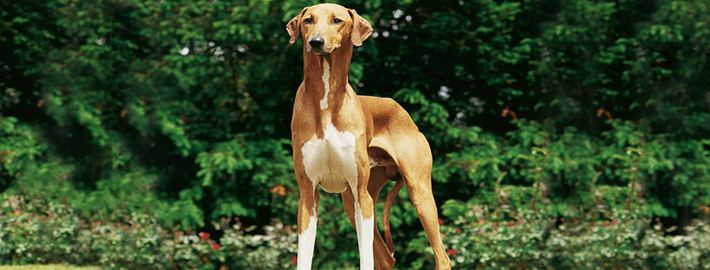
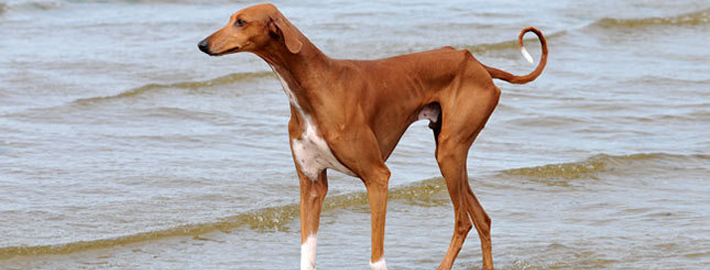
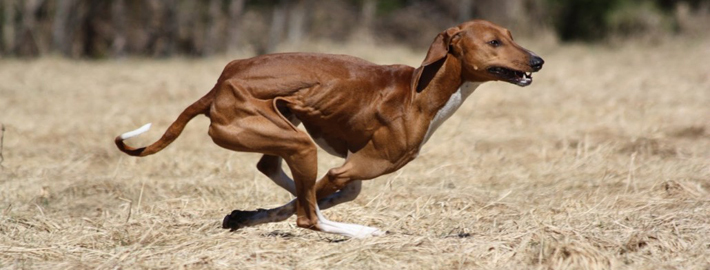
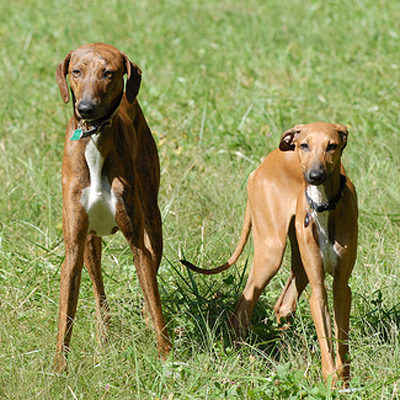
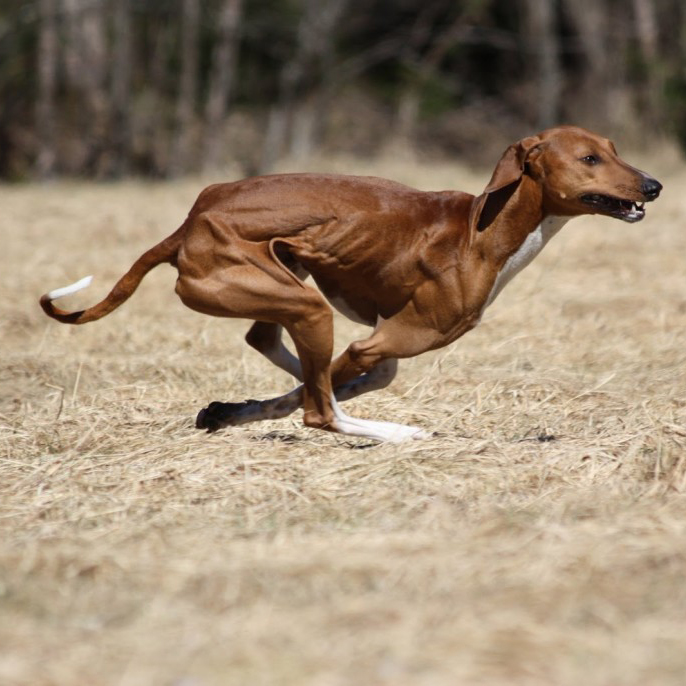
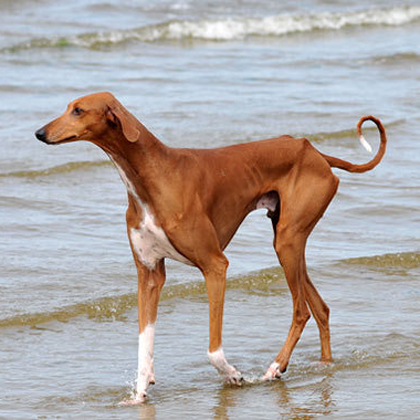
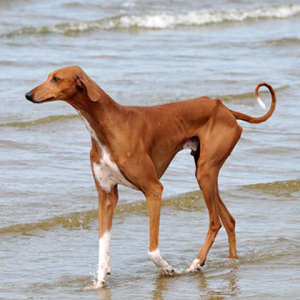
Particularly leggy and elegant, the Azawakh sighthound gives a general impression of great fineness. His bone structure and musculature is transparent beneath fine and lean tissues (skin). This sighthound presents itself as a rangy dog whose body fits into a rectangle with Its longer sides in vertical position. The Azawakh’s skin is fine, tight over the whole of the body. The hair is short, fine, down to none on the belly. Coat colors come in fawn with flecking limited to the extremities. All shades are admitted from light sable to dark fawn. The head may or may not have a black mask and the blaze is very inconsistent. The coat has a white bib and a white brush at the tip of the tail. Each of the four limbs must have compulsorily a white “stocking”, at least in shape of a trace on the feet. The black brindleing is admitted.

Short History

Short History of the Azawakh

The Azawakh has lived for thousands of years with the nomadic Tuareg Tribesmen, who probably migrated from the Sahel in the Southern region of the Sahara. The function of the Azawakh is that of a guard and a hunting dog. He will protect the camp from intruders and go hunting in a pack working with other Azawakhs in relays to bring down the prey. A versatile Hound that gives protection to his family and also supplies them with food.

The Azawakh covers a wide area lying in the Niger Basin which included the Azawakh valley. Niger, Burkina Faso and Mali.

Temperament

Temperament

Unlike other sighthounds, the primary function of the Azawakh in its native land is that of protector. It develops an intense bond with his owner, yet can perform independently from its master. With those they accept, Azawakh are gentle and extremely affectionate. With strangers many are reserved and prefer not to be touched, but are not inherently aggressive. Although raised to protect livestock, they do not have innate aggression toward canine nor human unless they are threatened.

Azawakh have high energy and tremendous endurance. They are excellent training companions for runners and are nearly impervious to heat. They will happily run in weather over 100 degrees Fahrenheit that would kill a Greyhound. They often dig holes in the garden.

Many Azawakh dislike rain and cold weather.

Azawakh are pack oriented and form complex social hierarchies. They have tremendous memories and are able to recognize each other after long periods of separation. They can often be found sleeping on top of each other for warmth and companionship.


Caring for Your Azawakh


Health

General Health

Azawakhs are an incredibly sound coursing hound. Serious coursing injuries are rare. The dogs heal very quickly from injury.

Azawakh have no known incidence of hip dysplasia. There is a small occurrence of adult-onset idiopathic epilepsy in the breed. Wobbler disease, or cervical vertebral instability, does rarely occur. Some breeders believe this is largely a developmental problem where puppies grow too quickly due to a high-protein Western diet.

Grooming & Bathing

Grooming & Bathing

A once-over with a hound glove should keep your Azawakh’s coat looking good. Regular shampooing isn’t necessary, but when you do give them a bath, use a mild, hypoallergenic shampoo as they tend to have sensitive skin.

Exercise & Training

Exercise & Training

The Azawakh will do okay in an apartment if they get enough exercise. They are relatively inactive indoors and a small yard will do. Azawakhs are sensitive to the cold but do well in cold climates as long as they wear a coat outside.

Azawakh Picture Gallery


Austrian Pinscher

Austrian Pinscher – Dedicated Guard Dog


What makes the Austrian Pinscher Unique?

Austrian Pinschers are assertive and attentive, lively and playful dogs that are especially devoted and friendly to people they know. Distrustful of strangers and incorruptible as guard dogs, they have little in the way of a hunting instinct, as their main task has been protecting people and property for a very long time.

SnapShot

Size: Males – 44 to 50 cm (17 to 20 inches)
Females – 42 to 48 cm (17 to 19 inches)
Weight: Males – 12 to 18 kg (26.5 to 39.7 pounds)
Females – 12 to 18 kg (26.5 to 39.7 pounds)
Origin: Austria
Life Span: 12 – 14 Years
Colour: Black & Tan, Brownish-yellow, Russet, Stag Red
Litter Size: 3 to 6

Is the Austrian Pinscher Right For You?

The Austrian Pinscher is a medium-sized versatile breed originating in Austria and it has been developed by crossing German Pinschers with dogs native to Austria. Initially regarded as a trustworthy working dog around the Austrian farms and bred solely for this purpose, this rugged, even-tempered and highly intelligent breed is nowadays used as a vigilant watchdog, a fearless and reliable guard dog, a high performance livestock herder and pest-destroyer as well as a loving and affectionate family companion.

The Austrian Pinscher is generally even-tempered. It is very energetic, active, friendly, alert yet docile and it thrives on plenty of regular activity to maintain its health. Its playful and gentle temperament is best exhibited when this dog is in the company of children. Although it is equally loyal, devoted and affectionate towards all family members, it loves children and it is fiercely protective of them.

The best condition to have for an Austrian Pinscher would be a farm, however a large yard will do.


In 5 Words

  • Lively
  • Playful
  • Friendly
  • Devoted
  • Alert
Fun Fact

Austrian Pinschers are more powerful than their German cousins. They are also much rarer and the population is mostly concentrated in Austria.

Characteristics


Exercise
Friendliness
Trainability
Watchdog
Health Issues

Learn About the Austrian Pinscher


Description

Description

It is a medium-sized dog with the short body, cobby, brawny. The head has conical shape with a short snout and strong. The eyes are round, big and have dark colour. The ears has the proper size and are folded along the head. The neck is short and strong. The tail is quite short and carried turned backwards or can be cut short and carried upped. The fur has a short hair, brawny, well adhered to the body, yellow coloured in different shades, brown-striped.

Short History

Short History of the Austrian Pinscher

Paintings exist from the 18th century that show dogs almost identical to today’s Austrian Pinscher. They are likely descended from these dogs and were developed as an all-purpose farm dog, used for driving and guarding of livestock, and also as rat catchers. Select breeding did not begin until 1921, when these dogs were still plentiful in Austria, and they were first recognized by the Federation Cynologique Internationale (FCI) in 1928. Having never gained popularity outside of farm life, today the Austrian Pinscher is becoming an increasingly rare breed, even in its homeland.

Temperament

Temperament

This breed can actually be a bit high strung if they are not giving the workload they are used to and bred for. These dogs find comfort in guarding livestock and helping around the farm. These dog was bred to be on the farmlands and is an attentive protector with a loud and rough bark, making him not so suited for urban and suburban areas, they are better off in a rural town. They can be calm and adoring to their masters and family, but they need to be socialized with other animals or else they might attack and hurt them severely. Since they feel as though they are the leader of their house, proper training must undergo so their master takes the top slot.


Caring for Your Austrian Pinscher


Health

General Health

While the Austrian Pinscher is typically known as a healthy and hearty breed, they do suffer from a few health problems, including: elbow dysplasia, likeliness to develop cancer, primary lens luxation – dislocation of the lens, progressive retinal atrophy, entropian – folding inward of the eye lid, ectropian-folding outward of the eye lid, obesity, and bloat.

Grooming & Bathing

Grooming & Bathing

Austrian Pinschers are easy to take care of – all that is needed to keep the coat in good condition is to brush if from time to time to remove any loose and dead hairs.

Exercise & Training

Exercise & Training

Austrian pinschers thrive when they have large yards or fields in which they can race around for hours. Even with plenty of exercise, they don’t do well in apartments, condos or other small spaces. If you have a small yard, take your Austrian pinscher on long walks at least daily. Then, when he’s tired and happy, take him inside to hang out with you and your partner, where he’ll revel in his status as a member of the family.

Austrian Pinscher Picture Gallery


Austrian Black & Tan Hound

Austrian Black & Tan Hound – Outgoing Hunter


What makes the Austrian Black & Tan Hound Unique?


The Austrian Black Tan hound is an exquisite breed of scent hounds, native to Austria. A descendant of the Celtic hounds, bloodhounds, and foxhounds, this dog breed is not only large, but has also acquired an excellent scent trailing ability, making it one of the best game tracking dogs, even at high altitudes.

SnapShot

Size: Males – 50 to 56 cm (20 to 22 inches)

Females – 48 to 54 cm (19 to 21 inches)

Weight: Males – 16 to 27 kg (35.3 to 59.5 pounds)

Females – 16 to 27 kg (35.3 to 59.5 pounds)

Origin: Austria
Life Span: 12 – 14 Years
Colour: Fawn & Black
Litter Size: up to 12 puppies

Is the Austrian Black and Tan Hound Right For You?

Austrian black and tan hounds have high energy levels. The can become stressed easily when confined to a tiny space and stray for miles away from home when they discover an interesting trail. Keep your dog healthy and happy by exercising him or her regularly. If you are at home, keep the dog in a fenced backyard during the day and bring him or her indoors at night. Even though black and tan Austrian hounds are generally healthy dogs, they common suffer from hip dysplasia, a hereditary condition affecting the hip-joint, and arthritis, as they grow old. Giving your dog a low-calorie diet and keeping him or her in a safe environment will keep your dog healthy for long. Australian black and tan hounds have characteristic odor, shed heavily, and drool excessively when hot. While it is advisable that you groom your dog’s coat only once a week to minimize shedding, trim nails, and clean his or her ears often to prevent infections.

In 5 Words

  • Elegant
  • Good-Natured
  • Keen
  • Agreeable
  • Outgoing
Fun Fact

THE TRUE DESCENDANT OF THE ORIGINAL CELTIC HOUND, ALTHOUGH THERE IS NO KNOWN HISTORY OF THE AUSTRIAN BLACK AND TAN HOUND.

Characteristics

Exercise
Friendliness
Trainability
Watchdog
Health Issues

Learn About the Austrian Black and Tan Hound


Description

Description

General Description

The head is broad, with a well defined occiput. With a straight nasal bridge, the muzzle is strapping, and well built, close fitting, lips are darkly pigmented. Nose of breed is black. Teeth meet in scissor bite. Eyes are dark brown but clear. High set ears are medium in length and not too long and broad and also rounded at tips, flatly hanging. Free, dewlap neck is very strong and medium in length. The shoulders are brawly and well relaxed. Forelegs are strong and straight too. The upper thighs of rear legs are slander and fairly developed somewhat longer. The chest is deep and broad, withers meet in well defined condition with a long backside, loin of breed is slightly arched and croup falls away a bit. Gradually tapering tail is long and a bit bent. It possesses a fine short coat that is dense and silky in texture. The coat of breed comes in black color with light little well clear light to dark fawn markings; the couple of marking of tan color will be present above the eyes. Any other color of the breed is disqualification.

Size

The Austrian Black and tan hound for medium size is 15 to 35 and for large size 35 to 55 pounds and height is 19 to 22 inches.

Short History

Short History of the Australian Black and Tan Hound

The Australian Black and Tan Hound also known as the Brandlbracke originated in Austria. The same with any other ancient breeds of dogs the Brandlbracke’s origin is kind of cloudy given that no record of the authentic history of the breed exists. However it is believed that this Austrian hunting hound has descended from the Keltenbracke or the ancient Celtic Hounds. These Celtic Hounds have a rich history. These ancestors of the Brandlbracke were favored by warrior as they were used as war dogs. These dogs also became the favorite of royalty.

In 1884, the Australian Black and Tan Hound was recognized as a distinct breed. This breed is believed to be closely related to the Begian St. Hubert and the Jura Hounds that originated from Switzerland. The Brandlebracke, named so because of the fire red markings all over the dog’s coat was primarily used to hunt hare and foxes and to trail wounded game in the high altitude of the Austrian Mountains. These dogs are quiet hunters. They would trail a prey stealthily. The Austrian Black and Tan Hound is still considered to be a rare breed, unknown outside its country of origin in spite of the fact that it is already recognized by FCI.

Temperament

Temperament

Austrian Black and Tan Hounds are scenthounds that are almost exclusively kept for hunting hare and fox. This breed is almost never kept as solely as a pet, their homes are found with hunters who prize them for their silent trailing and ability to work with cold scents. The Austrian Black and Tan Hound is most often used for hunting in the mountains.


Caring for Your Austrian Black and Tan Hound


Health

General Health

This breed is known to be particularly healthy and there are no special health concerns. However, one should take into consideration that dogs of this breed, just like any other dogs, need their regular coat brushing an occasional bath, every now and then. Their diet should be a balanced one and they should be fed dog food, not human food. Spicy food can destroy their sense of smell, while sugar can get them diabetes. Making sure that they get enough exercise is very important, as otherwise they could get too fat.

Grooming & Bathing

Grooming & Bathing

Austrian black and tan hounds are easy to care for. Unlike long haired breeds, these dogs do not require much grooming. Once-a-week brushing is enough and bathing is to be done only when required. The nails should be trimmed regularly and the ear flaps are to be cleaned on a regular basis, to avoid the development of any ear infections.

Exercise & Training

Exercise & Training

This breed wants a considerable amount of exercise, a minimum of an hour of vigorous activity each day. That’s solely the minimum, however, and one in every of these dogs can gladly opt for as long as its owner can allow it. This breed is thought to be very ill-suited for life in urban surroundings. Austrian Black and Tan Hounds do far better with a large courtyard, ideally expanse, because it craves the chance to break out leash.

Vigorous daily exercise is needed, which includes a long walk each day. Does best with an active family. Will do well with a job to do.

Austrian Black and Tan Hound Picture Gallery


Australian Stumpy Tail Cattle Dog

Australian Stumpy Tail Cattle Dog – ALERT AND RESOURCEFUL


What makes the Australian Stumpy Tail Cattle Dog Unique?


Australian Stumpy Tail Cattle Dogs are high-energy, intelligent and active. Not content with sitting around the house for hours on end, these dogs will encourage you to take them outside for exercise, play and work. Being herders, Australian Stumpy Tail Cattle Dogs can be one-person dogs, cautious and wary of strangers—qualities that make them excellent watchdogs.

SnapShot

Size: Males – 46 to 51 cm (18 to 20 inches)
Females – 43 to 48 cm (17–19 inches)
Weight: Males – 16 – 23 kg (35 – 50 pounds)
Females – 16 – 23 kg (35 – 50 pounds)
Origin: Australia
Life Span: 12 – 14 Years
Colour: Blue & Black, Blue, Red speckle
Litter Size: 4 to 6 puppies

Is the Australian Stumpy Tail Cattle Dog Right For You?


The Australian Stumpy Tail Cattle Dogs are very independent and do not require much in the way of cuddling or affection. Though tough and resolute, they will definitely appreciate praise and good treatment. Sometimes their herding instincts come into play at home. They may “herd” family members or nip lightly at heels if they want something. Not particularly loud, they are still very protective of the home.

It possesses a great working ability to control cattle. It loves to work and is very attentive to its owners’ commands. It is an intelligent cattle dog that can become easily bored, leading to serious behavior problems. It is not the type to sit around the house or be tied up in the backyard all day doing nothing. It needs a firm, confident, consistent pack leader, who will give it rules to follow and limits as to what it is and is not allowed to do. This highly intelligent working dog needs to be part of the action and will thrive if you give it a job to do. Some tend to nip at people’s heels in an attempt to herd them. Will be good with kids if you make him clearly see humans are his pack leader.

In 5 Words


  • Devoted
  • Alert
  • Obedient
  • Loyal
  • Intelligent

Fun Fact

THE AUSTRALIAN CATTLE DOG WAS FIRST KNOWN AS THE AUSTRALIAN HEELER, AND HE IS STILL SOMETIMES CALLED THE BLUE OR QUEENSLAND HEELER TODAY.

Characteristics


Exercise
Friendliness
Trainability
Watchdog
Health Issues

Learn About the Australian Stumpy Tail Cattle Dog


Description

Description

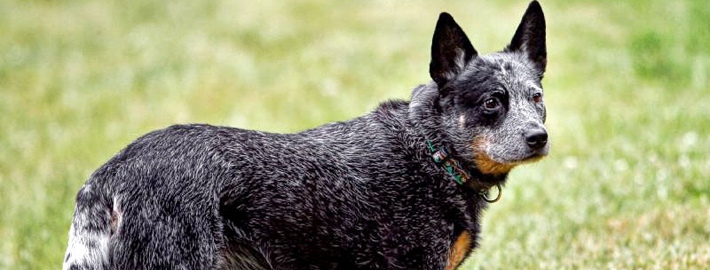
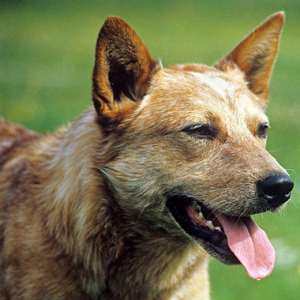
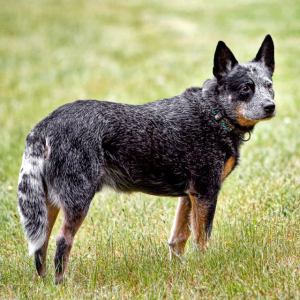
The Stumpy Tail Cattle Dog is a normally proportioned, rugged dog with pricked (standing up) ears and long legs. The breed’s most distinctive feature, for which the breed is named, is the frequent lack of a tail. When there is a tail, it is quite short, no longer than 10 cm (4 ins), and never docked. The coat is medium length to short, straight, dense and harsh. The coat color is a speckled red or speckled blue. Size is 46-51 cms (18-20 ins) at the withers for dogs, with females slightly smaller. The Australian Cattle Dog is a related breed (with a long tail) that is similar in appearance to the Stumpy, but the Australian Cattle Dog is proportionally heavier and less leggy. The Australian Stumpy Tail Cattle Dog also does not have the tan color seen in the Australian Cattle Dog. See the article Dog terminology for an explanation of terms.

Short History

The Stumpy Tail Cattle Dog breed began evolving in the early 1830s because of the need for a dog that could work cattle in Australia’s very harsh environment. The breed that we see today is the result of many years of careful thought and selective breeding by dedicated people. Three breeds of dog went into the making of the “Stumpy”. First there was the crossing of the Dingo with an English breed of dog called the Smithfield (these dogs were naturally bob-tailed) which is where the gene comes from that is still present in the Stumpy today. Then the progeny from these matings were crossed with the smooth coated blue merle Collie (commonly referred to today as the German Coolie) and so a breed of dog was born that cattlemen, then and today, swear is the best working dog in the world.

Temperament

Temperament

The Australian Stumpy Tail Cattle Dog is very alert, watchful and obedient, affectionate and responsive to its owner, but reserved towards strangers.

The Australian Stumpy Tail Cattle Dog is one of the most driven and energetic of all working dogs, along with being extremely heat tolerant. This breed has been bred almost exclusively as a working dog for almost two hundred years, and is still primarily kept for this purpose. This dog is extremely devoted to its own family, with whom it forms very close attachments. While this breed prefers to be in the presence of its family, it is an independent dog that would probably rather be in the same room as its owners than on their laps. Although rarely fawningly affectionate, this breed will show affectionate to those it knows best.


Caring for Your Australian Stumpy Tail Cattle Dog


Health

General Health

While there are some hereditary disease in the ‘Stumpy” there are DNA tests for prcd-PRA and testing for hearing ( BAER) and hip and elbows. Overall the breed is an extremely hardy , active and healthy breed. A good balanced diet includes fresh meat, chicken, dry food, vegetables, rice and pasta, and readily available fresh water. See your vet for more information.

Grooming & Bathing

Grooming & Bathing

As mentioned, the Stumpy requires little grooming but loves a bath or swim. The Stumpy can cope well in small backyard as long as it gets plenty of physical and mental exercise, affection and stimulation. The Stumpy’s intelligence and willingness to follow orders also makes obedience training a wise and fun idea.

Stumpy Tails are one of the easiest dogs to maintain, they have a weather proof coat that will wash the rain right off of them since being an outdoor dog for many years. They only need to be washed every two months and groomed once a week at best.

Exercise & Training

Exercise & Training

These animals have incredible stamina and will enjoy all the activity you can give them. Exercise is of paramount importance—without enough they can become bored and destructive. They need to be taken on long daily walks.

Australian Stumpy Tail Cattle Dog Picture Gallery

Australian Kelpie

Australian Kelpie – The Quick Thinker


What makes the Australian Kelpie Unique?


A compact, robust, enthusiastic and tireless working dog. Excellent at herding, the Australian Kelpie is the most popular and successful working dog. Kelpies are devoted one-man dogs but far too work-oriented and energetic for a couch dog or apartment existence. Their easy trainability and keenness on the job make them a fundamental component of the Australian workforce. They are ready to respond immediately to any signal given by their masters, even from a great distance. They are good with children when they are raised with them from puppy hood and /or properly socialized.

SnapShot

Size: Males – 46 to 51 cm (18 to 20 inches)

Females – 43 to 48 cm (17 to 19 inches)

Weight: Males – 14 to 21 kg (30.9 to 46.3 pounds)

Females – 14 to 21 kg (30.9 to 46.3 pounds)

Origin: Australia
Life Span: 12 – 15 Years
Colour: Fawn, Black & Tan, Blue, Brown, Black, Chocolate
Litter Size:  4 to 7 puppies

Is the Australian Kelpie Right For You?

Australian Kelpies have great personalities, especially when they have “tasks” to accomplish or animals to herd. When the mood strikes, they may even herd people around—in a friendly way, of course. If you’re a jogger or long-distance runner, you’re in luck: Australian Kelpies have incredible stamina.

In 5 Words

  • Alert
  • Energetic
  • Loyal
  • Friendly
  • Eager
Fun Fact

THOUSANDS OF KELPIES ARE EMPLOYED HERDING LIVESTOCK EVERY DAY IN THEIR HOMELAND OF AUSTRALIA.

Characteristics

Exercise
Friendliness
Trainability
Watchdog
Health Issues

Learn About the Australian Kelpie


Description

Description

General Description

The Australian Kelpie has a compact body and well-developed limbs. Slightly longer than he is tall, the Kelpie has a broad chest and firm hind quarters that contribute to his flexible, energized appearance. The head is long and narrow. The medium length tail is low set. The short, compact feet have well arched toes. The double coat consists of a short and dense undercoat and a hard, straight and weather-repellent outer coat. Color possibilities include black and red, each with or without out tan; and fawn, chocolate and blue. Kelpie owners are more interested in the breed’s working ability then their appearance.

Short History

Short History of the Australian Kelpie

The Australian Kelpie (known since 1870) has a really interesting background. Many believe the Kelpie, because of its distinctive face and eyes, is the result of a Dingo crossed with a Border Collie. The Dingo is thought to be the ancestor of all dog breeds – the base stock. The name Kelpie actually comes from the water kelpie in Robert Louis Stevenson’s novel Kidnapped.

Their actual origin is that they were developed from English North Country Collies of the Rutherford strain. Working dogs, they were imported to Australia in the late 19th century. Currently there are roughly 100,000 Kelpies in service in Australia. They have no limitations and can work reindeer, poultry, goats and cattle. Outstanding in obedience competitions.

This breed has actually been separated into two groups: the Show Kelpie and the Working Kelpie. The Show Kelpie is seen at conformation shows and has almost no herding instict. Working Kelpies are bred for their herding instincts.

Temperament

Temperament

The Kelpie is extremely alert, eager and highly intelligent, with a mild, tractable disposition and an almost inexhaustible energy, with marked loyalty and devotion to duty. It has a natural instinct and aptitude in the working of sheep, both in open country and in the yard. Any defect of structure or temperament foreign to a working dog must be regarded as uncharacteristic.


Caring for Your Australian Kelpie


Health

General Health

Kelpies are a hardy breed with few health problems, but they are susceptible to disorders common to all breeds, like cryptorchidism, hip dysplasia, cerebellar abiotrophy and luxating patella. Current research is underway to find the genetic marker for cerebellar abiotrophy in the breed.

Deworming

Worm your Kelpie every three months with a good quality worming product – it is always a good idea to discuss worming, heartworm and flea rinses with your own vet.

Feeding

Feed your Kelpie a balanced diet of fresh meat, bones, chicken and a quality dry food and even try fresh fruit and vegetables in the blender. Also a dessert spoon of fresh yoghurt each day on their food is very good for them. If your dog cannot eat bones then try giving them a whole carrot or an apple to chew.

Grooming & Bathing

Grooming & Bathing

The Kelpie coat is a double coat with a short dense undercoat. As with all dogs they need to be brushed and bathed regularly. Kelpies have two good coat drops each year – Summer and Winter. To groom your Kelpie regularly will keep their coat in top condition and will remove any dead hair. A good quality shampoo, with a flea rinse if required, will keep the coat healthy.

Exercise & Training

Exercise & Training

The Australian Kelpie is a working dog that demands a great deal of exercise, preferably with some kind of job to do. Their energy levels are extremely high!! They are workaholics and will run until they drop!! They need to be taken on long daily walks. Makes an excellent jogging companion. Do not allow this dog to walk ahead of you on the walks. He needs to be beside or behind you to re-enforce the human is alpha.

Australian Kelpie Picture Gallery


Australian Cattle Dog

Australian Cattle Dog – The Independent Herder


What makes the Australian Cattle Dog Unique?


Able to herd even the most reluctant cow, the Australian Cattle Dog is an excellent breed of working dog. These dogs perform well even in hot climates and on rough terrain.

SnapShot

Size: Males – 46 to 51 cm (18 to 20 inches)
Females – 43 to 48 cm cm (17 to 19 inches)
Weight: Males – 15 to 16 kg (33.1 to 35.3 pounds)
Females – 14 to 15 kg (30.9 to 35.3 pounds)
Origin: Australia
Life Span: 13 – 15 Years
Colour: Red and Blue
Litter Size: 1 to 7 puppies, 5 being the most common

Is the Australian Cattle Dog Right For You?


These dogs are devoted to their human family members and tend to follow them around when possible. Australian Cattle Dogs generally get along well with children as long as the dogs are taught that they should not nip at youngsters in attempt to herd them.

These dogs are intelligent but they can also be very stubborn. Australian Cattle Dogs are known to start testing their limits once they leave puppyhood behind. Therefore, they are probably not a good choice for first time pet owners or individuals who want a dog that is eager to please

In 5 Words

  • Protective
  • Cautious
  • Obedient
  • Loyal
  • Energetic
Fun Fact

THE AUSTRALIAN CATTLE DOG, SOMETIMES KNOWN AS A BLUE HEELER OR QUEENSLAND HEELER.

Characteristics


Exercise
Friendliness
Trainability
Watchdog
Health Issues

Learn About the Australian Cattle Dog


Description

Description

General Description

Australian Cattle Dogs are medium-sized canines with compact bodies, strong limbs, and an athletic build. These factors enable them to be agile in the course of their duties. Members of this breed are also somewhat longer than they are tall. These dogs additionally possess wide skulls, strong heads, muscular necks, and level backs. Their average sized ears are set far apart and perk up when the dog’s attention is captured by something. Australian Cattle Dogs have black noses and dark brown eyes. Their teeth typically meet in a scissors bite. Low-set, curved tails are yet another feature of this breed.

Size

Australian Cattle Dogs of both genders weigh between 33 and 49 pounds (15 and 22 kilograms). Male dogs stand slightly taller than their female counterparts at 18 to 20 inches tall (46 to 51 centimeters), while the females average between 17 and 19 inches (43 and 48 centimeters) in height.

Coat

Members of this breed possess a glossy double coat that is relatively waterproof. Although puppies are born white due to earlier crossbreeding with Dalmatians, their eventual color can sometimes be determined by looking at the pads of their paws. Adult dogs come in red mottled, red speckled, blue speckled, blue mottled, or plain blue varieties. Some dogs will have markings on their bodies that should be tan, red, or black and tan according to American Kennel Club breed standards.

Short History

Short History of the Australian Cattle Dog

During the early portion of the 19th century, the citizens of Sydney began progressing westward across the open plains to new grazing pastures that had recently become available. Ranchers that moved their cattle out to the region found the animals becoming obstinate and unmanageable in their new home. As a result, they started to import skilled herding dogs from elsewhere to combat the problem but these breeds were poorly suited to the local environment. While the imported dogs were effective at using their loud barks to control sheep, this trait only served to startle the half wild cows. It wasn’t too long before the ranchers decided to create a breed of their own. These dogs would be able to withstand the heat, work long hours, and quietly manage the obstinate cattle. Thus, the Australian Cattle Dog came into being. By the early 20th century, a standard had been adopted by breed enthusiasts. Australian Cattle Dogs were eventually recognized by the American Kennel Club in 1980.

Temperament

Temperament

These dogs are devoted to their human family members and tend to follow them around when possible. Australian Cattle Dogs generally get along well with children as long as the dogs are taught that they should not nip at youngsters in attempt to herd them. Members of this breed tend to be suspicious of strangers but they are not usually hostile towards outsiders. However, Australian Cattle Dogs have been known to defend their territory if they feel the occasion calls for it, so early socialization is recommended to keep problems from arising in later years.

Members of this breed are not suitable for apartment life because they react badly to being cooped up. Anyone that considers adopting an Australian Cattle Dog should be an active individual rather than couch potato, because folks that own one of these dogs will have to keep up with a pet that has a copious need for exercise and mental stimulation. After all, this breed was created to be a working dog and their energy levels reflect that fact.


Caring for Your Australian Cattle Dog


Health

General Health

Australian Cattle Dogs do not have a lot of health problems but they are prone to genetic defects that can sometimes cause deafness, blindness, or paralysis. Reproductive issues, joint problems, and musculoskeletal ailments have likewise been reported in members of this breed on occasion. However, Australian Cattle Dogs seem more likely to wind up at the vet’s over minor injuries that occur they are working such as torn ligaments and fractures.

Care

Daily

Australian Cattle dogs need lots of exercise on a daily basis, much more than a simple 15 minute stroll around the block. Adult members of this breed will enjoy activities such as jogging, accompanying bicyclists, playing fetch, and going on long walks if they are not to be working animals.

Weekly

To prevent tooth decay and foul breath, pet owners will want to brush their dog’s teeth on a regular basis.

Monthly

Parasite prevention medication should be given to dogs to keep them healthy. Most of these products will need to be administered once per month in order to obtain adequate results.

Grooming & Bathing

Grooming & Bathing

Australian Cattle Dogs are an extremely low maintenance breed. Individuals that live outside don’t have to be groomed at all, but dogs that sleep indoors may benefit from being brushed a few times per week to keep the loose hairs down to a minimum. These dogs only need to be bathed once a year unless they get especially dirty. As with most breeds, owners will need to keep their dog’s toenails trimmed to prevent injuries from occurring.

Australian Cattle Dogs are an extremely low maintenance breed. Individuals that live outside don’t have to be groomed at all, but dogs that sleep indoors may benefit from being brushed a few times per week to keep the loose hairs down to a minimum. These dogs only need to be bathed once a year unless they get especially dirty. As with most breeds, owners will need to keep their dog’s toenails trimmed to prevent injuries from occurring.

Exercise & Training

Exercise & Training

These dogs are intelligent but they can also be very stubborn. Australian Cattle Dogs are known to start testing their limits once they leave puppyhood behind. Therefore, they are probably not a good choice for first time pet owners or individuals who want a dog that is eager to please. Australian Cattle Dogs need a firm hand and consistent rules in order to function at their highest levels. They also require an outlet for their abundant energy as well as plenty of mental exercise. Otherwise, seriously undesirable behaviors such as destructive chewing, excessive barking, and copious digging will be the result. It is perfectly fine to let members of this breed live in the backyard, but they nonetheless benefit from regular interaction and grow quite attached to their human family members. As a result, members of this breed should probably sleep indoors with their owners unless they are needed to keep an eye on the livestock during the night.

Australian Cattle Dog Picture Gallery

Australian Bulldog

Australian Bulldog – The Easygoing


What makes the Australian Bulldog Unique?


Australian Bulldogs are a loving and loyal breed that enjoys spending time with their family. They love to play and they get along well with children. Because of their high intelligence, Australian Bulldogs respond well to obedience training. They are also a very easy breed to train from home. The Australian Bulldog is genuinely good-natured and loyal with a stable, kind temperament. They are alert and will make good watchdogs, but they are not guard dogs. Australian Bulldogs aren’t aggressive towards people, animals, or other dogs. They seek affection and comfort from their owners, and they have a personable demeanor. Without proper training, Australian Bulldogs can become a bit rambunctious.
SnapShot

Size: Male – 46–51 cm (18–20 inches)Female – 44–48 cm (17–19 inches)
Weight: Males –28 to 35 kg (67 to 77 pounds)Females – 28 to 35 kg (67 to 77 pounds)
Origin: Australia
Life Span: 8 -10 years
Colour: Fawn, Brindle, Red, Apricot, Orange, Mahogany
Litter Size: 4 to 8 puppies

Is the Australian Bulldog Right For You?


A proud looking dog when viewed with expression. Great family companion enjoying affection from its owners. Should not show aggression towards people. Lay back easy going nature, while having good watch dog abilities. Very stable in nature with a predictable character. Enjoys playing in the water. Best to start obedience training and socialization at an early age. Aussie Bulldog lifespan if on a good diet and exercised regularly should live to 10 or more years.
In 5 Words


  • Loyal
  • Fierce in appearance
  • Extremely outgoing
  • Affectionate
  • Predictable

Fun Fact

VERY STABLE AND PREDICTABLE. ENJOYS ACTIVITY, HOWEVER A LOT OF EXERCISE IS NOT NECESSARY FOR HEALTH AND MENTAL STABILITY.

Characteristics


Exercise
Friendliness
Trainability
Watchdog
Health Issues

Learn About the Australian Bulldog


Description

Description

The body Structure overall should be one of great strength with good thickness of bone with males being Solid and compact with good muscle tone.

Nice long Bodies on the females is preferred as a rule due to being better whelpers than a short bodied female. Preferred a nice level top line with tail cartridge straight off the back being docked or not. Moderate turn of stifle and hock angulations.

Chest area should be broad with the brisket well let down. Front to be straight with good shoulder placement. Body coat preferred short & smooth, not thick or rough.

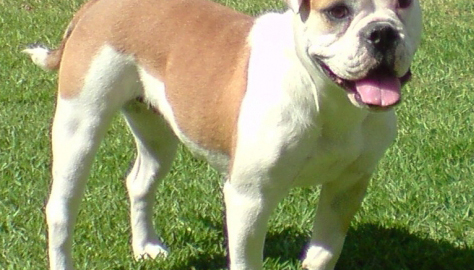
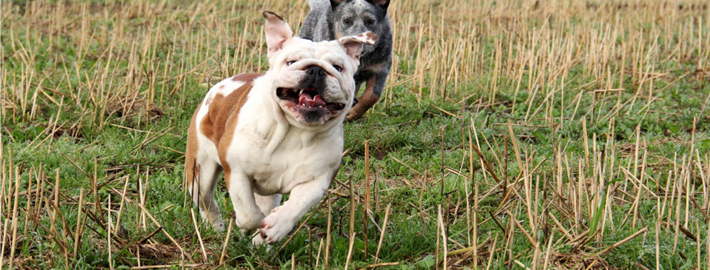
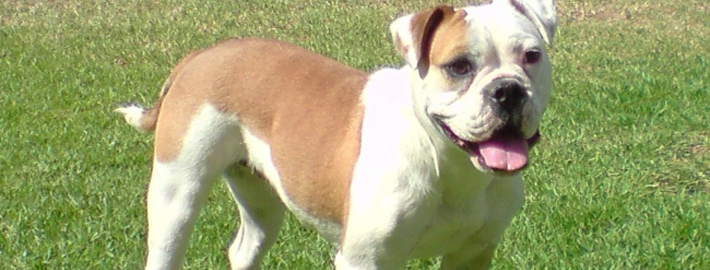
The Head structure of an Aussie Bulldog is one of its main attributes being very strong and square in appearance having good depth and width of muzzle with a pronounced stop between the eyes and have 1/3 folds of wrinkle across the nose.
Eye placement to be wide apart being large & clean in appearance. Mouth to be up to 1/4 inch undershot but breeding towards a near level bite preferred.

Teeth to be of good size and well placed within the mouth. Jaw structure preferred wide and square top and bottom. The Aussie Bulldog comes in a variation of wonderful colors.

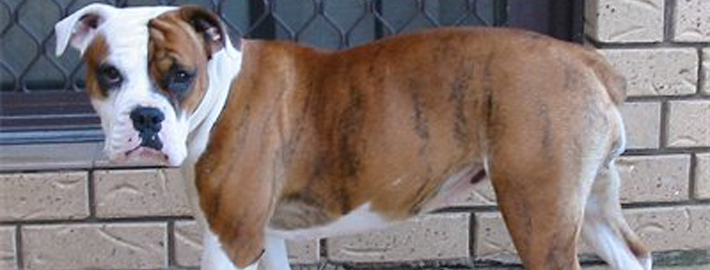
Being in shades of fawn, apricot, orange, red, mahogany, white and being at least 5 shades of brindle including, red brindle, fawn brindle, black brindle, mahogany brindle, silver brindle. Aussies also come in pied coloring with pied being one color more dominant than the other, with an arrangement of patches on the body that is quite appealing.

Short History
Short History of the Australian Bulldog
The Australian Bulldog, originally known as the Aussie Bulldog, is a developing dog breed from Australia. Selective breeding was begun in the 1990s by breeders who wished to create a dog with the look of a Bulldog without that breed’s inherent health problems. There were two independent breeding programs, one by Noel and Tina Green (the JAG line) and a separate program by Pip Nobes (the Nobes Australian Bulldog/ Wingara lines). Each has its own separate registries.

he only incorporated and constituted body for the breed is the Australian Bulldog Society or A.B.S, founded by Pip Nobes. The A.B.S will only register Australian Bulldog over Australian Bulldog litters, they are currently conducting its first 5 year census, working toward the A.B.S Australian Bulldogs being recognised by the ANKC as a breed. The United Aussie Bulldog Association U.A.B.A(formed in 2003) is run by Noel and Tina Green, this registry is still actively registering British Bulldog over Aussie Bulldog litters.

Temperament

Temperament

Loyal, fierce in appearance, but extremely outgoing and affectionate in nature. Very stable and predictable. Enjoys activity, however a lot of exercise is not necessary for health and mental stability. The breed craves human attention. Some may not tolerate aggressive overtures by other dogs.


Caring for Your Australian Bulldog


Health

General Health

Although breeders have produced an even tempered, loyal and affectionate dog, other health and breeding related issues have been ignored. Many dogs still being bred today have difficulties related to breathing, eye irritation, bad knee, hip and elbow joints, eczema, heart problems and breeding difficulties. Quite a list considering the one dog may suffer every one of those conditions.

The original intention of the breeder was to eliminate defects seen in many Bulldogs, such as breathing difficulties due to an elongated soft palate, skin fold eczema, and caesarean births. The first crosses between Bulldogs and Boxers or Bull Terriers have seen most defects eliminated but in the long term, genetically, these could return if matings are not carefully monitored.

Grooming & Bathing

Grooming & Bathing

Low maintenance is among the plus aspects in owning an Australian Bulldog. This breed’s smooth short coat is uncomplicated to maintain. No professional grooming will be essential for this breed. The Australian Bulldog is an average shedder. A firm bristled brushed used two to three occasions every week will be sufficient to sustain the good problem of the hair. Bathing ought to be on a essential time frame only. However, the folds about the skin color of the puppy should be wiped clean daily to eliminate accumulated moisture that can cause infection. This breed is delicate to heat as well. The puppy should not be kept for long in the hot Australian sun.

Exercise & Training

Exercise & Training

An average backyard should be suitable. The Aussie Bulldog should be able to take as much exercise as you like. Regular walks would be recommended to keep weight down.

Australian Bulldog Picture Gallery