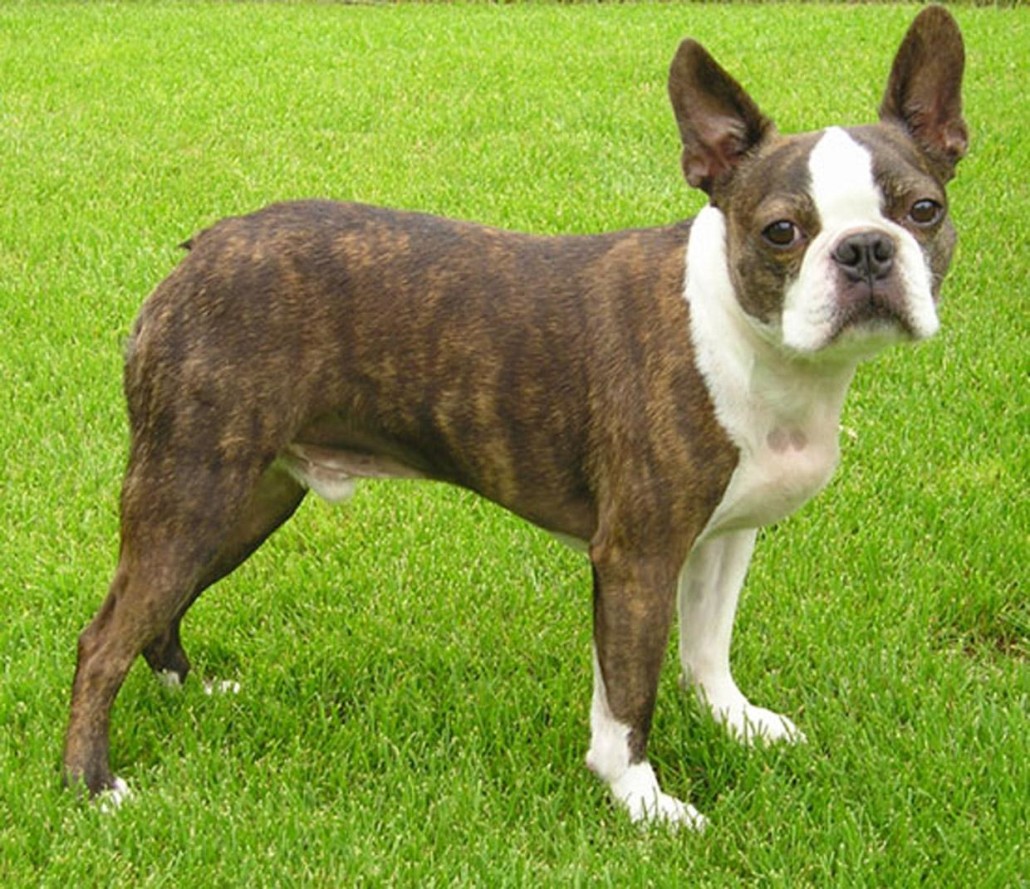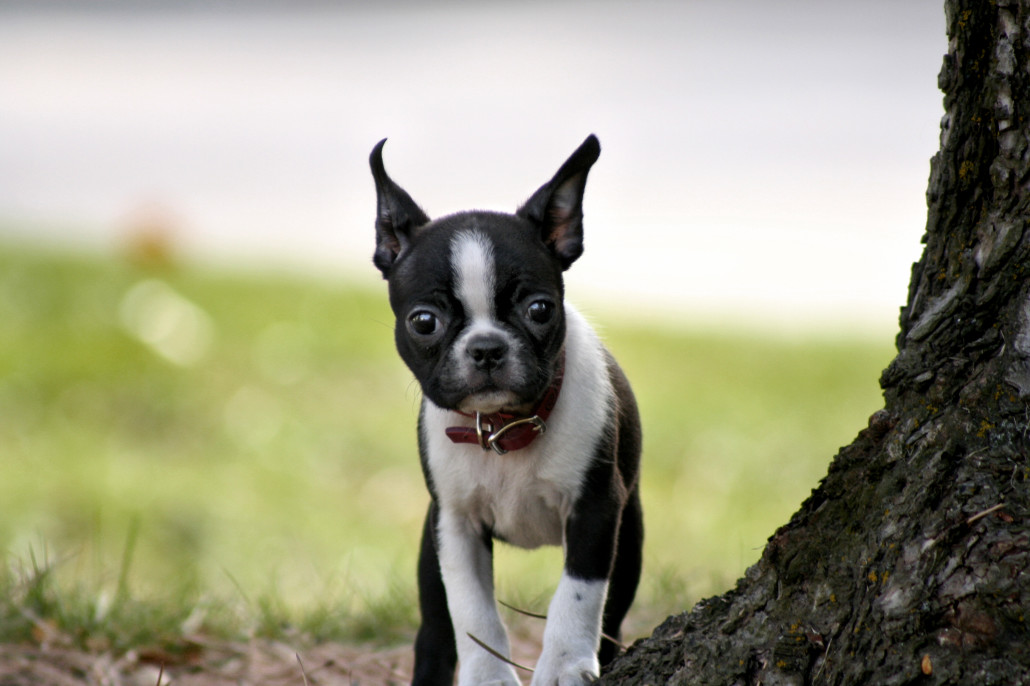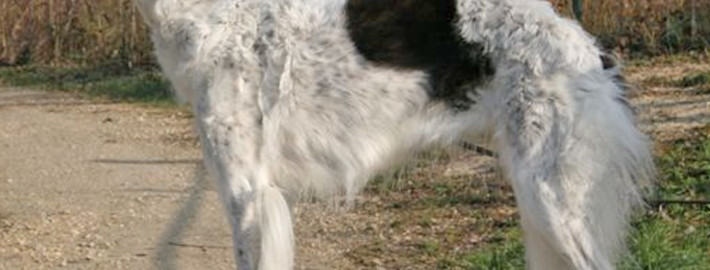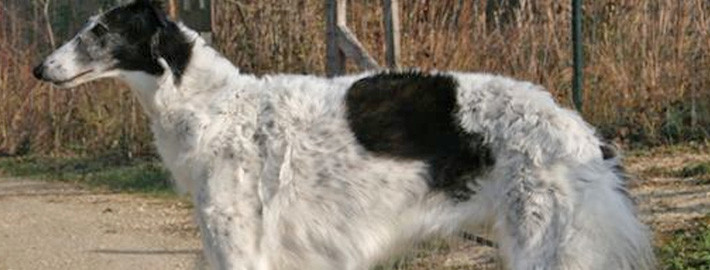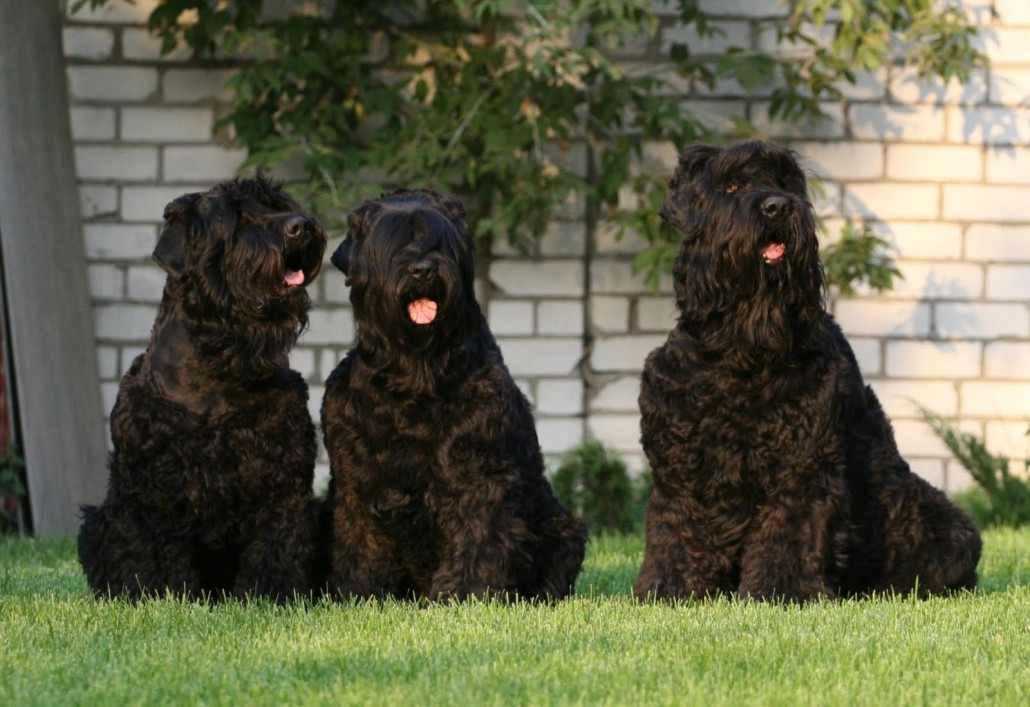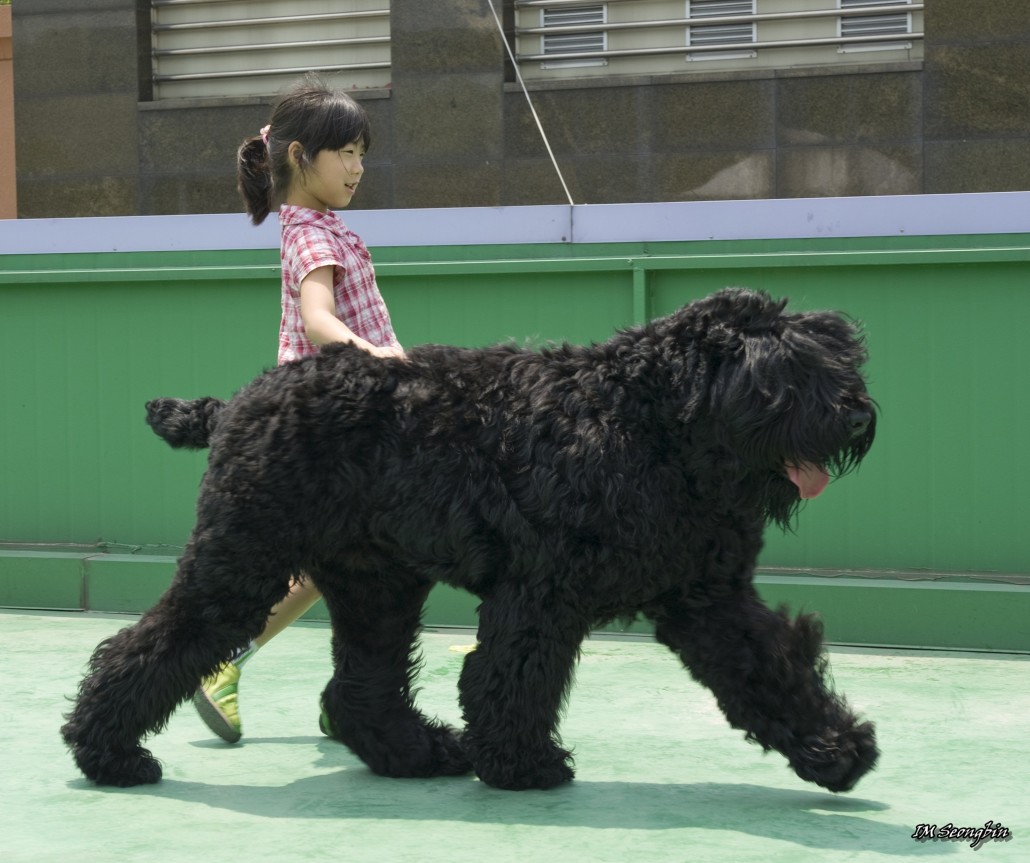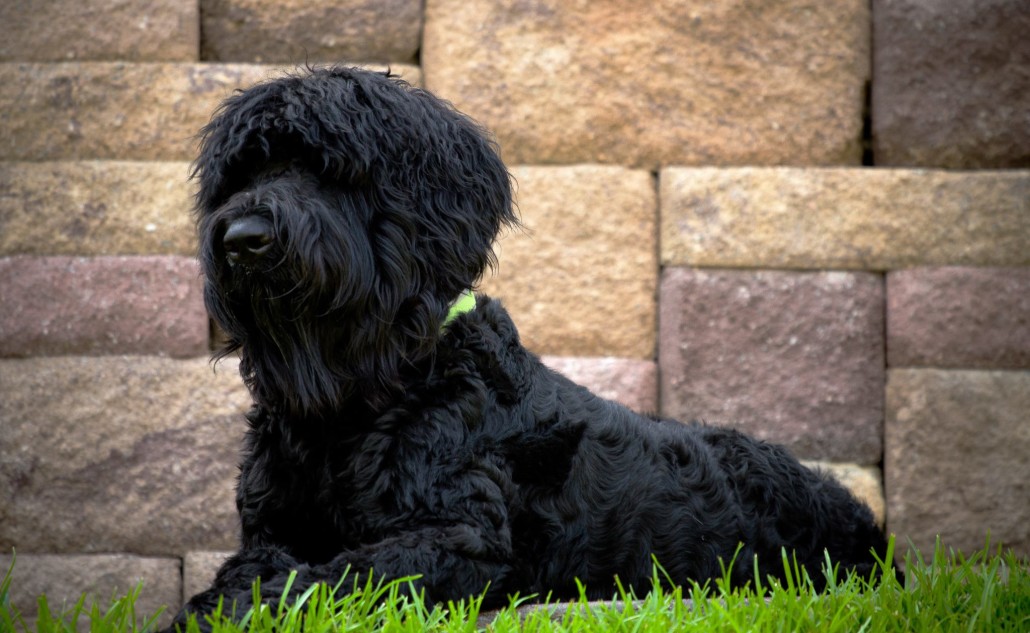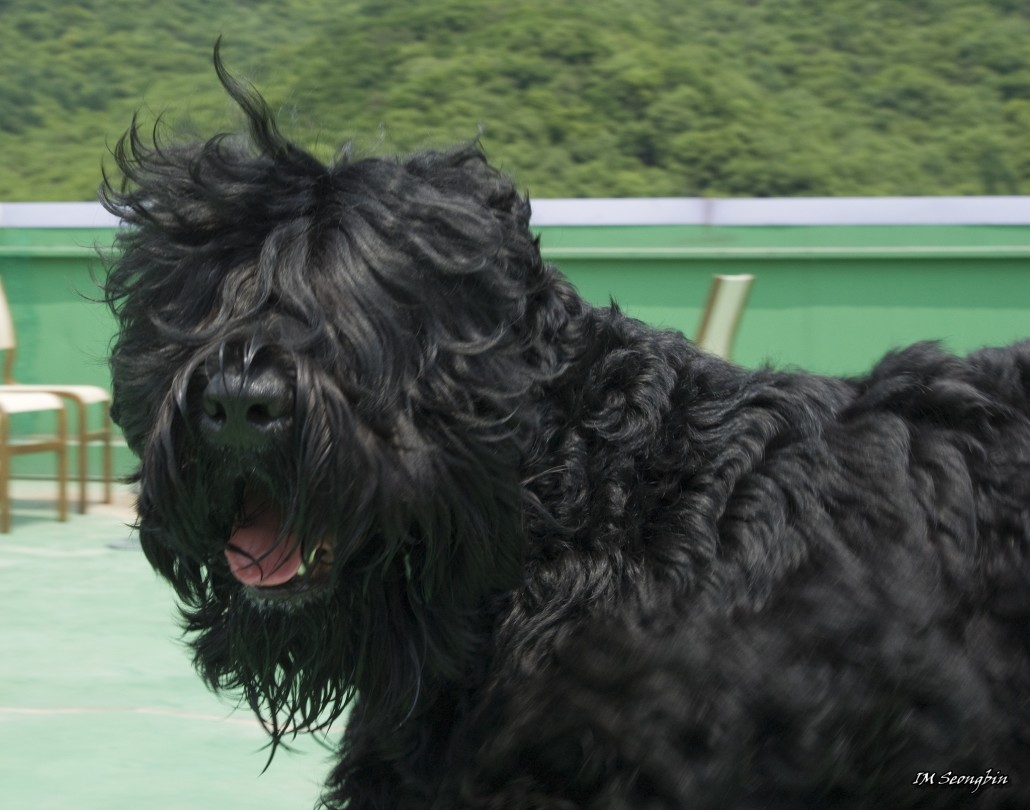
Boxer Dog

BOXER – Ground-Covering


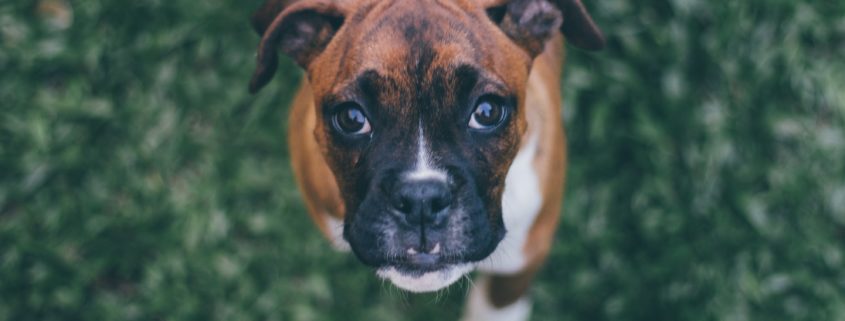
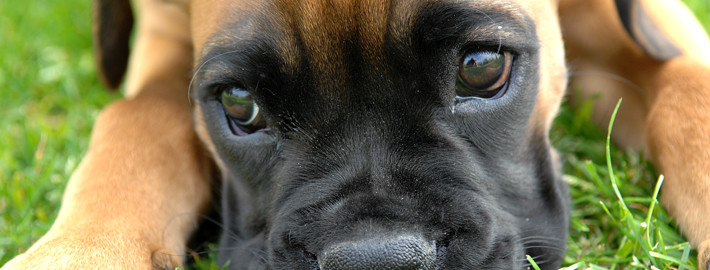
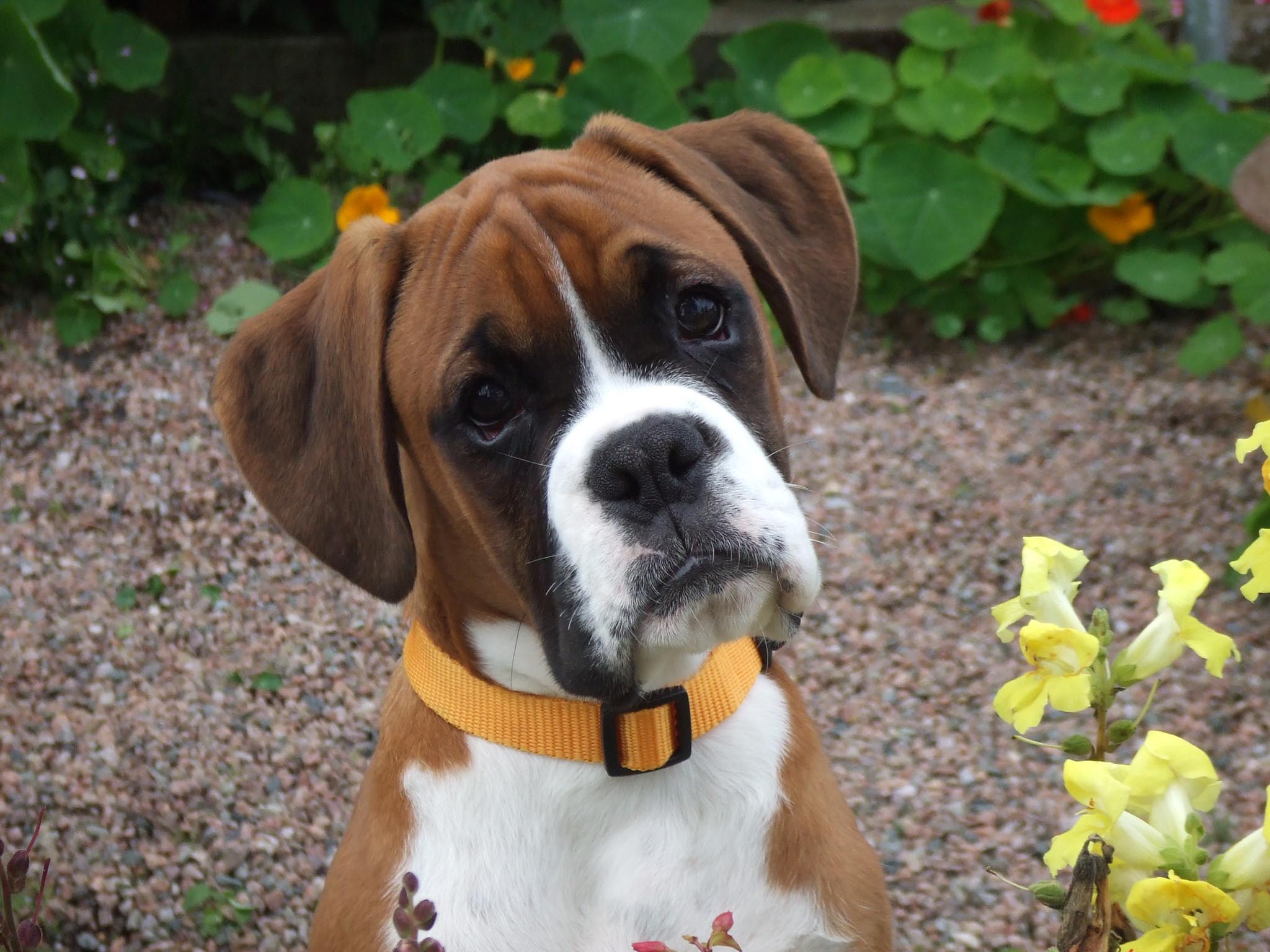
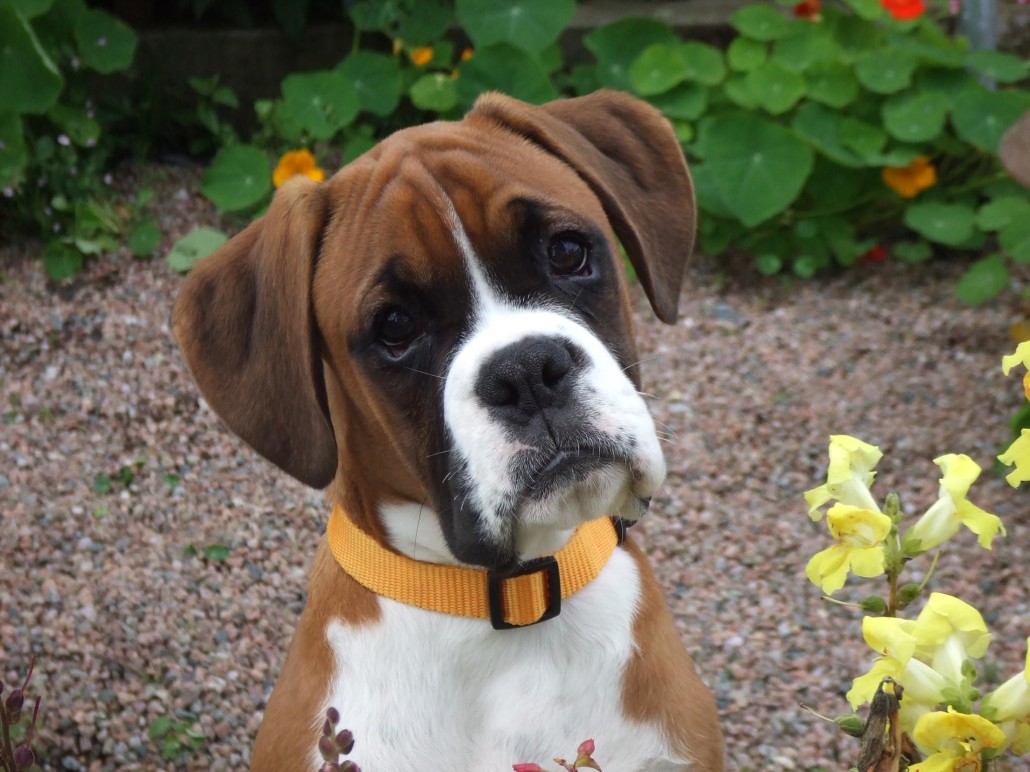
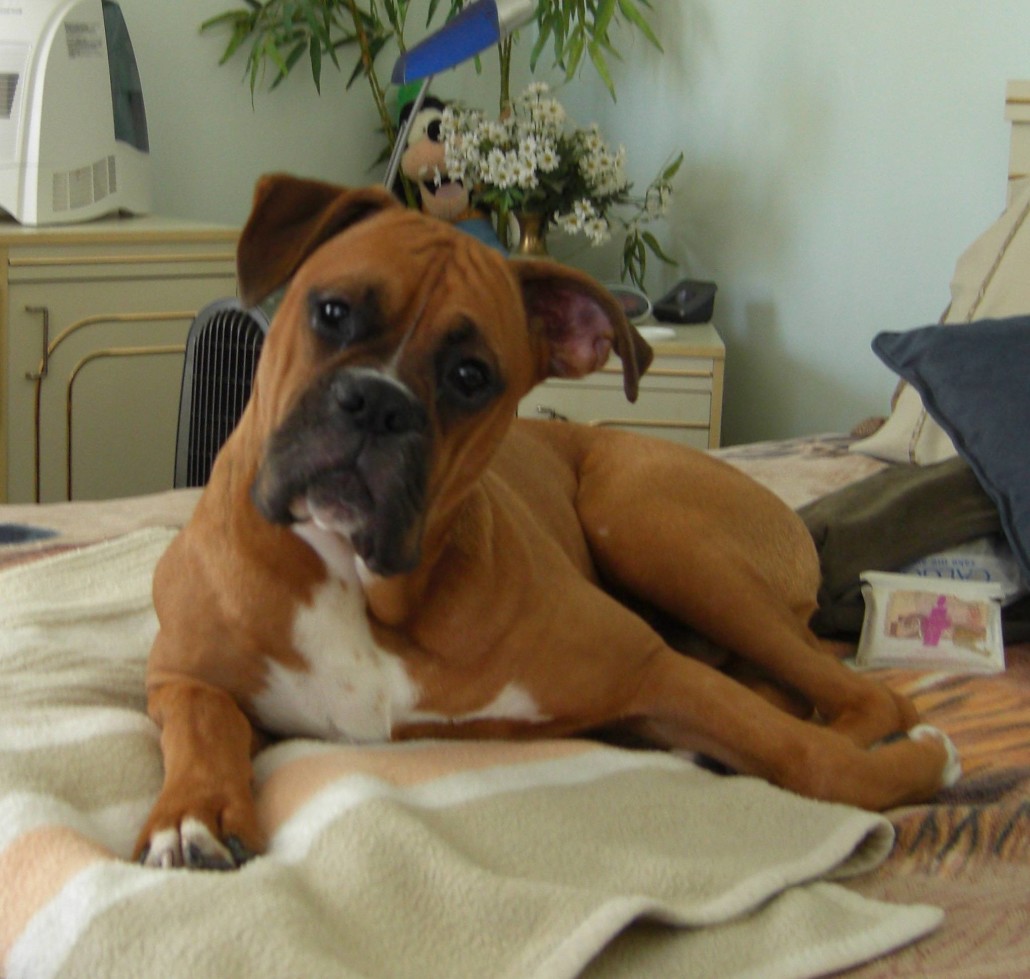
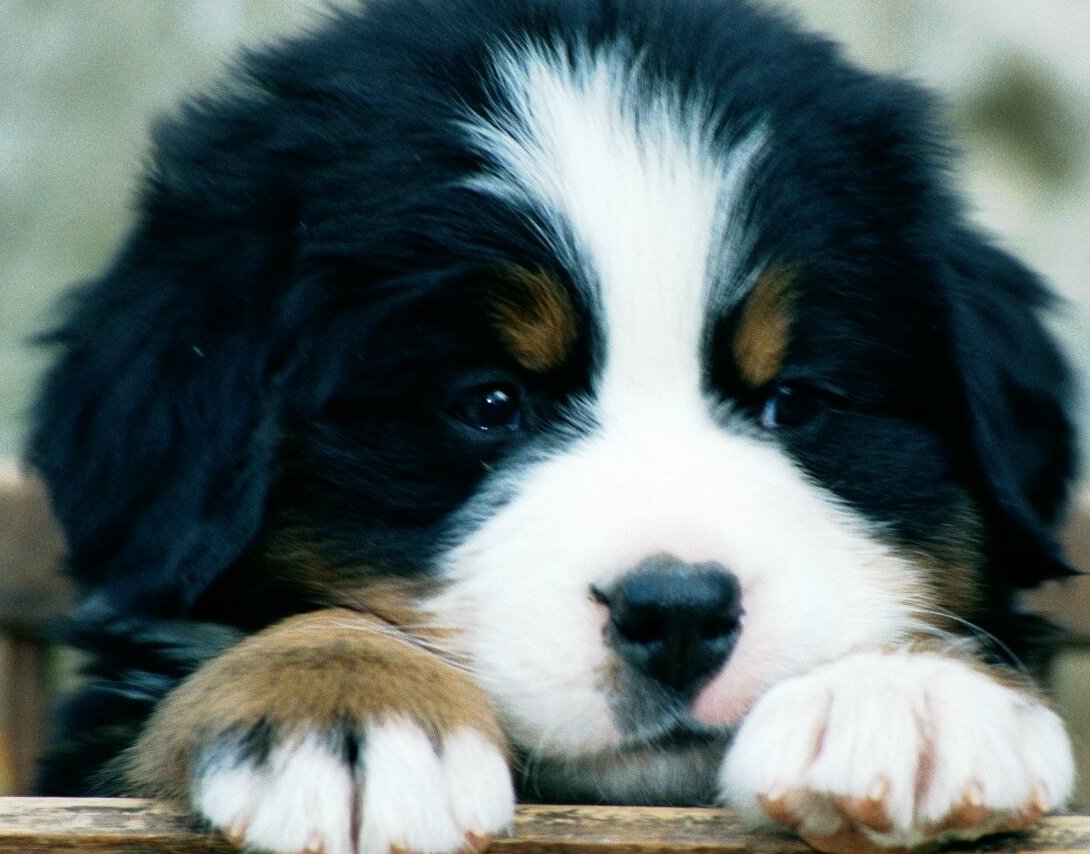
  • Boxer pup looking at camera

What makes the Boxer Unique?

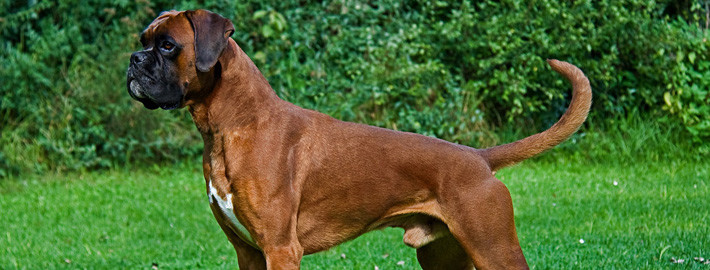
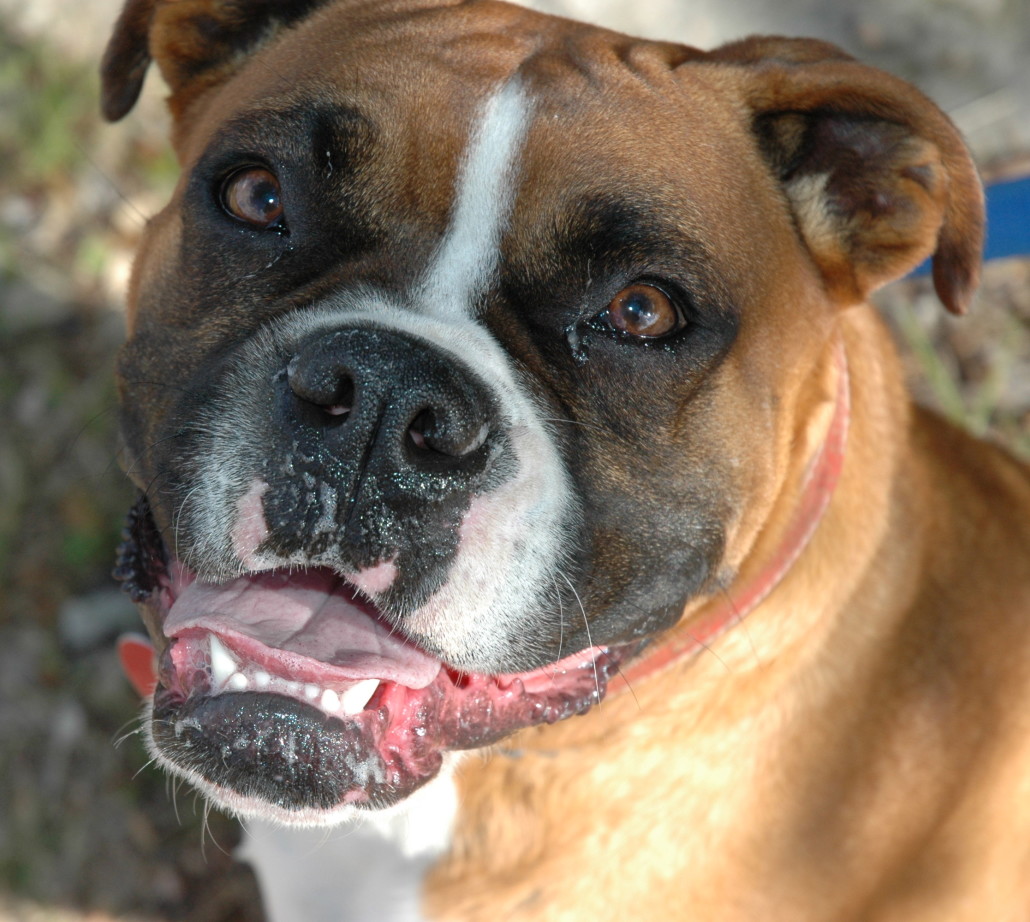
The boxer is exemplary in its combination of stylish elegance with strength and agility. It is square-proportioned with good substance and musculature. Its stride is free and ground-covering, with proud carriage. Its head is distinctive, with a broad, blunt muzzle and alert expression. Its coat is short and shiny. It is perfectly suited to serve as a working watchdog.

The boxer is playful, exuberant, inquisitive, attentive, demonstrative, devoted and outgoing; it is a perfect companion for an active family. It can be stubborn, but it is sensitive and responsive to commands. It may be aggressive toward strange dogs, but it is generally good with other household dogs and pets.

SnapShot

Size: Males – 57 – 63 cm (22 to 24 inches)
Females – 53 – 60 cm (20 to 23 inches)
Weight: Males – 30 – 32 kg (66 to 70 pounds)
Females – 25 – 27 kg (55 to 59 pounds)
Origin: Germany
Life Span: 9-10 Years
Colour: Fawn, Brindle, White
Litter Size: 8 to 12 puppies

Fun Fact

THE BOXER WAS BRED FROM THE OLD ENGLISH BULLDOG.

Is the Boxer Right For You?

The boxer is exemplary in its combination of stylish elegance with strength and agility. It is square-proportioned with good substance and musculature. Its stride is free and ground-covering, with proud carriage. Its head is distinctive, with a broad, blunt muzzle and alert expression. Its coat is short and shiny. It is perfectly suited to serve as a working watchdog.

Developed in 19th century Germany from German Mastiffs and English Bulldogs, the Boxer was used as a hunting, fighting and working dog, prized for its tenacity, strength and obedience. Later used as cattle dogs, they also made a name for themselves as circus performers. In the early 1900s, the Deutscher Boxer Club established a breed standard for Boxers, and the AKC approved them in 1904

In 5 Words

  • Playful
  • Devoted
  • Bright
  • Loyal
  • Energetic

Characteristics

Exercise
Friendliness
Trainability
Watchdog
Health Issues

Learn About the Boxer


Description

Description

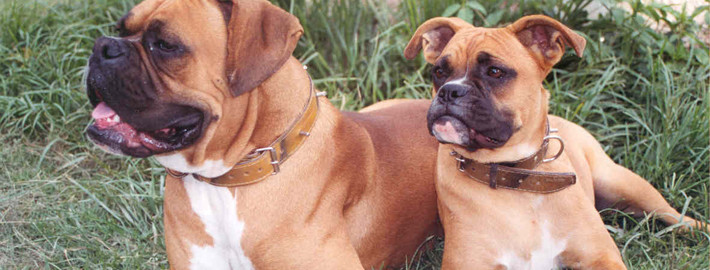
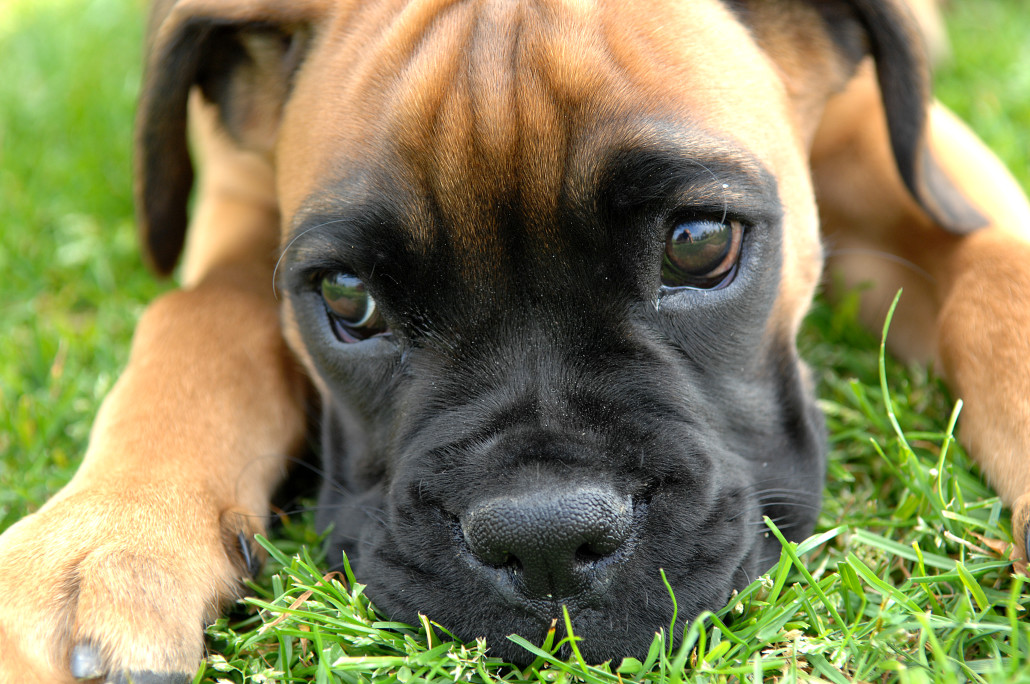
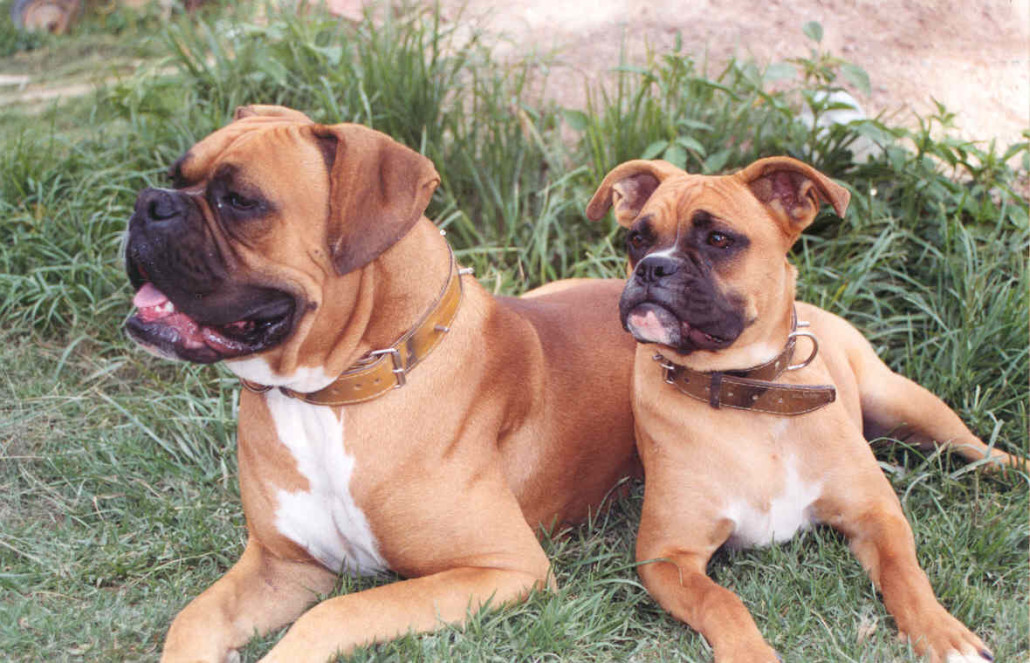
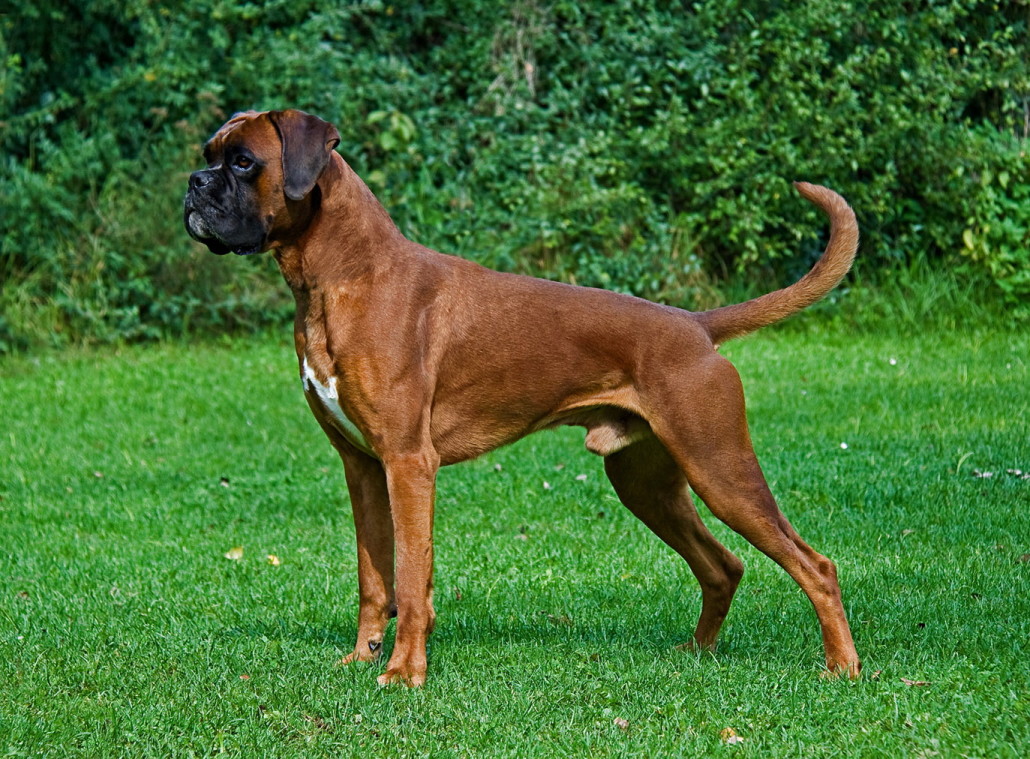
The Boxer’s body is compact and powerful. The head is in proportion with the body. The muzzle is short and blunt with a distinct stop. The nose is large and black with very open nostrils. The jaw has an under bite. The eyes are dark brown. The ears are set high, either cropped or kept natural. When cropped they are trained to stand up on the head, tapering to a point. When left natural the ears are thin, falling forward, laying close to the head. The neck should be round, strong, and muscular, a without dewlap. The muscular, front legs are straight and parallel when viewed from the front. The back legs are well muscled. The tail is set high and usually docked. The AKC severely penalizes a natural tail, while most of Europe has outlawed this practice. Dewclaws are usually removed. The short, smooth, close-fitting coat comes in, fawn, brindle, tan, mahogany, black often with white markings. Boxers also come in a white coat that cannot be registered with some clubs.

Short History

Short History of the Boxer

Developed in 19th century Germany from German Mastiffs and English Bulldogs, the Boxer was used as a hunting, fighting and working dog, prized for its tenacity, strength and obedience. Later used as cattle dogs, they also made a name for themselves as circus performers. In the early 1900s, the Deutscher Boxer Club established a breed standard for Boxers, and the AKC approved them in 1904. Decades later, American soldiers brought them home after World War II, and they quickly became popular in the U.S.

Temperament

Temperament

Boxers may look like imposing figures from afar, but up close and personal they are playful and loving family companions. Often dubbed the Peter Pan of dogs, Boxers are highly energetic, and as they grow into adulthood, they never lose the desire to romp and play like a puppy. Perpetual cuddle bugs, Boxers will try to wriggle into even the smallest spaces possible to get close to the ones they love. They love to be the center of attention and make a sound unique to their breed that some owners call a “Woo Woo.” When they want something they will make this “woo woo” sound to attract an audience.

Protective of their family, Boxers are alert and reliable watchdogs, sounding the alarm that strangers are approaching. Their menacing, muscular appearance will deter anyone whose intent is not above board. Boxers get along well with other pets, including cats and make a loving and loyal addition to any active family.


Caring for Your Boxer


Health

General Health

Leading health issues to which Boxers are prone include cancers, heart conditions such as Aortic Stenosis and Arrhythmogenic Right Ventricular Cardiomyopathy (the so-called “Boxer Cardiomyopathy”), hypothyroidism, hip dysplasia, and degenerative myelopathy and epilepsy; other conditions that may be seen are gastric dilatation and torsion (bloat), intestinal problems, and allergies (although these may be more related to diet than breed).Entropion, a malformation of the eyelid requiring surgical correction, is occasionally seen, and some lines have a tendency toward spondylosis deformans, a fusing of the spine, or dystocia.Other conditions that are less common but occur more often in Boxers than other breeds are hystiocytic ulcerative colitis (sometimes called Boxer colitis), an invasive E. coli infection,[28] and indolent corneal ulcers, often called Boxer eye ulcers.

According to a UK Kennel Club health survey, cancer accounts for 38.5% of Boxer deaths, followed by old age (21.5%), cardiac (6.9%) and gastrointestinal (6.9%) related issues. Average age of death was 9 years and 8 months. Responsible breeders use available tests to screen their breeding stock before breeding, and in some cases throughout the life of the dog, in an attempt to minimize the occurrence of these diseases in future generations.

Boxers are known to be very sensitive to the hypotensive and bradycardiac effects of a commonly-used veterinary sedative, acepromazine. It is recommended that the drug be avoided in the Boxer breed.

As an athletic breed, proper exercise and conditioning is important for the continued health and longevity of the Boxer. Care must be taken not to over-exercise young dogs, as this may damage growing bones; however once mature Boxers can be excellent jogging or running companions. Because of their brachycephalic head, they do not do well with high heat or humidity, and common sense should prevail when exercising a Boxer in these conditions.

Grooming & Bathing

Grooming & Bathing

The Boxer’s smooth, short-haired coat is easy to groom. Brush with a firm bristle brush, and bathe only when necessary, for it removes the natural oils from the skin. Some Boxers try and keep themselves clean, grooming themselves like a cat, although some cannot resist rolling in another animals poop, which calls for a bath. This breed is an average shedder.

Exercise & Training

Exercise & Training

Boxer dog training is a great way to physically and mentally stimulate your Boxer puppy. Plus the added bonus is that it’s the best way to strengthen the bond you share with your Boxer. Boxers are very intelligent and usually highly enthusiastic obedience training students. They respond best to positive reward based training methods which rely on encouragement, consistency, praise and repetition. They are not a breed that requires any harsh corrections or forceful methods.

Boxer Picture Gallery

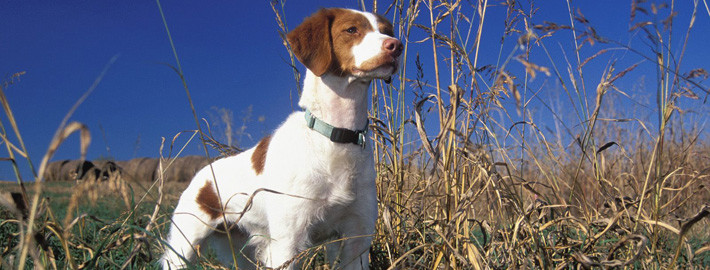
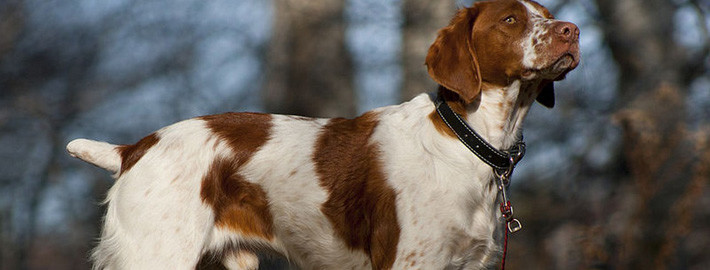
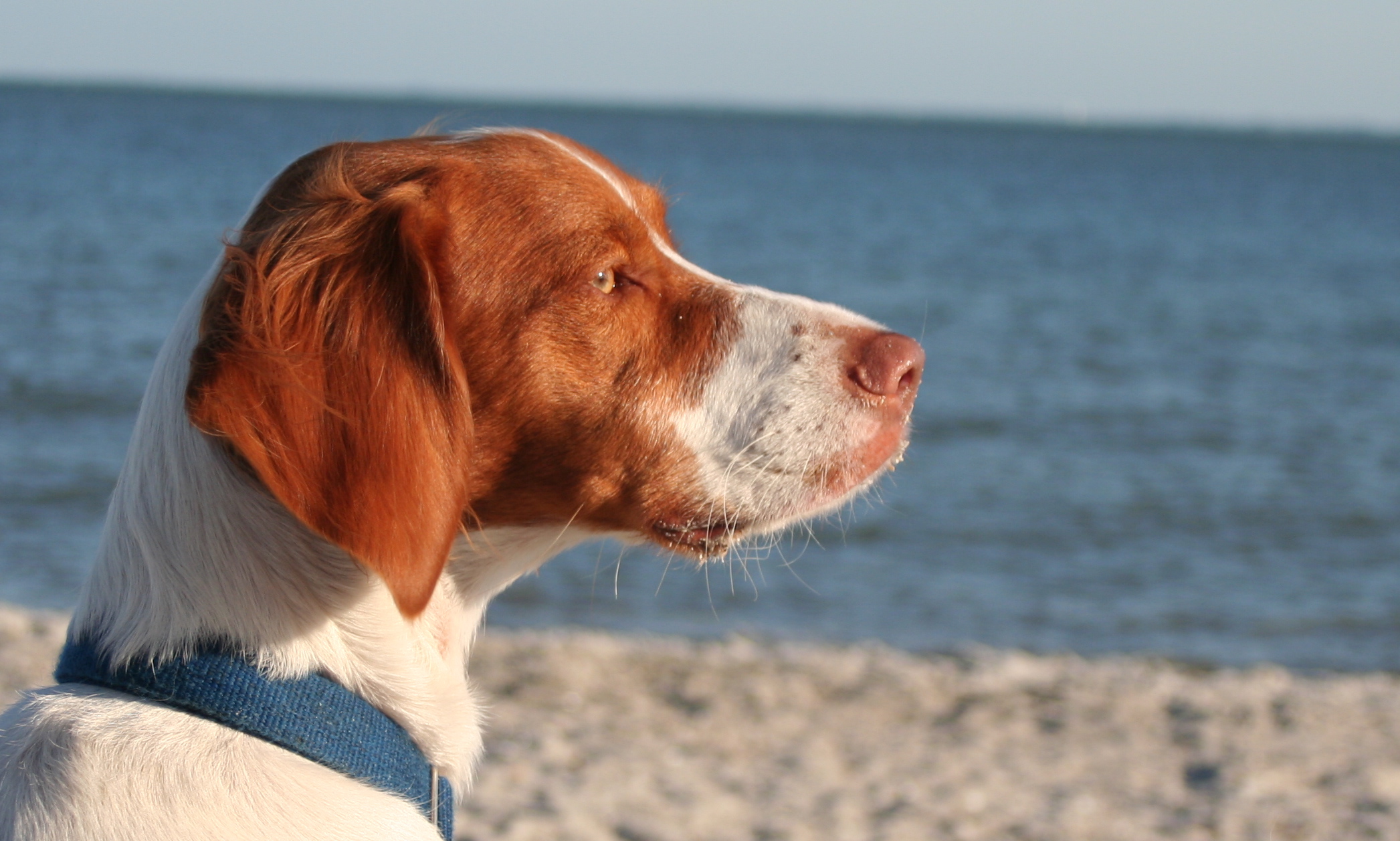
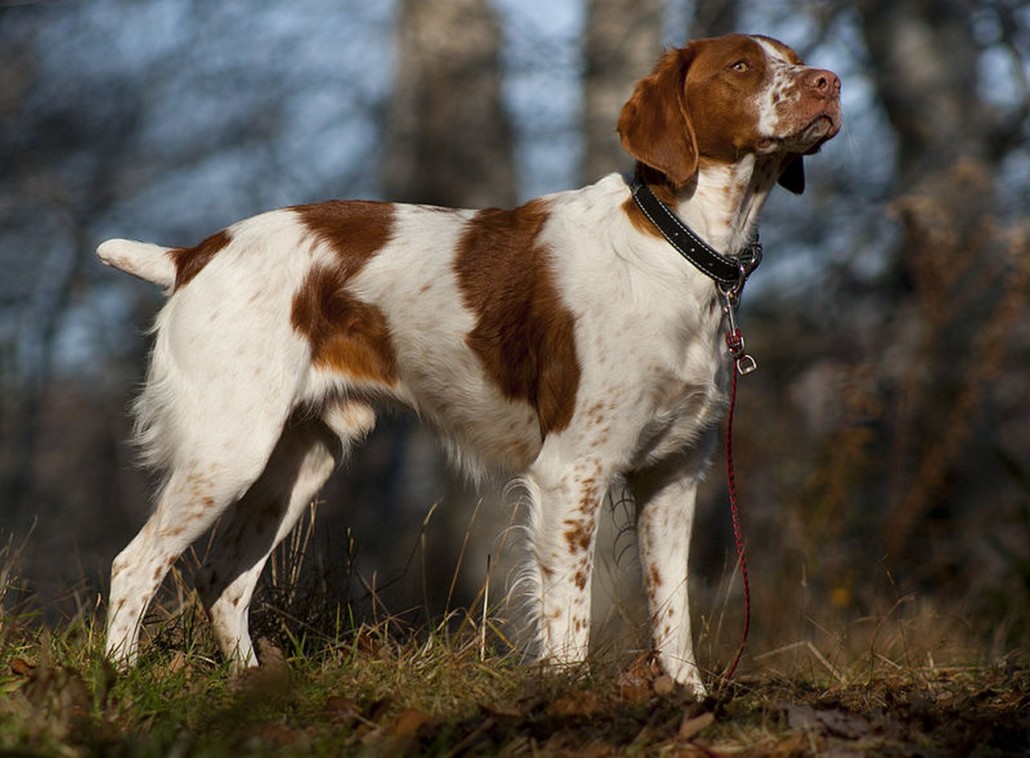
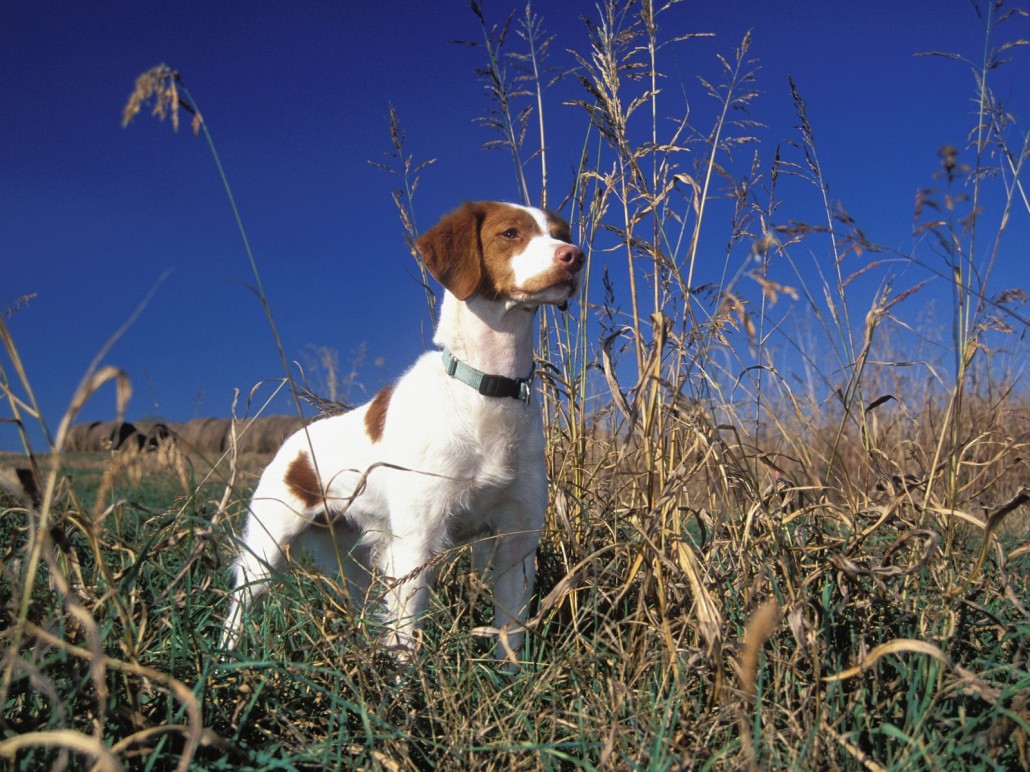
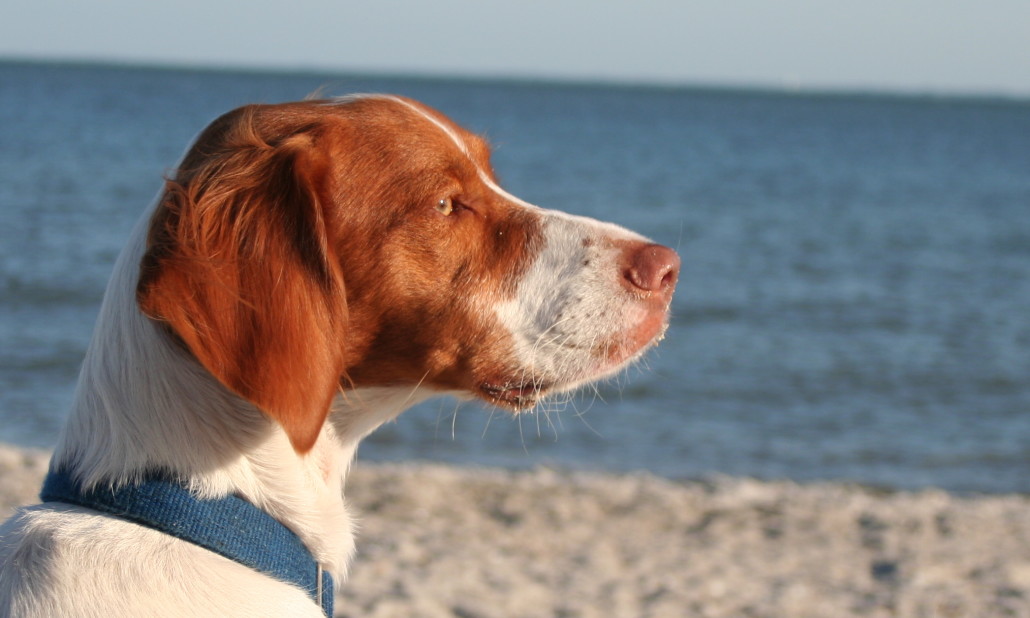
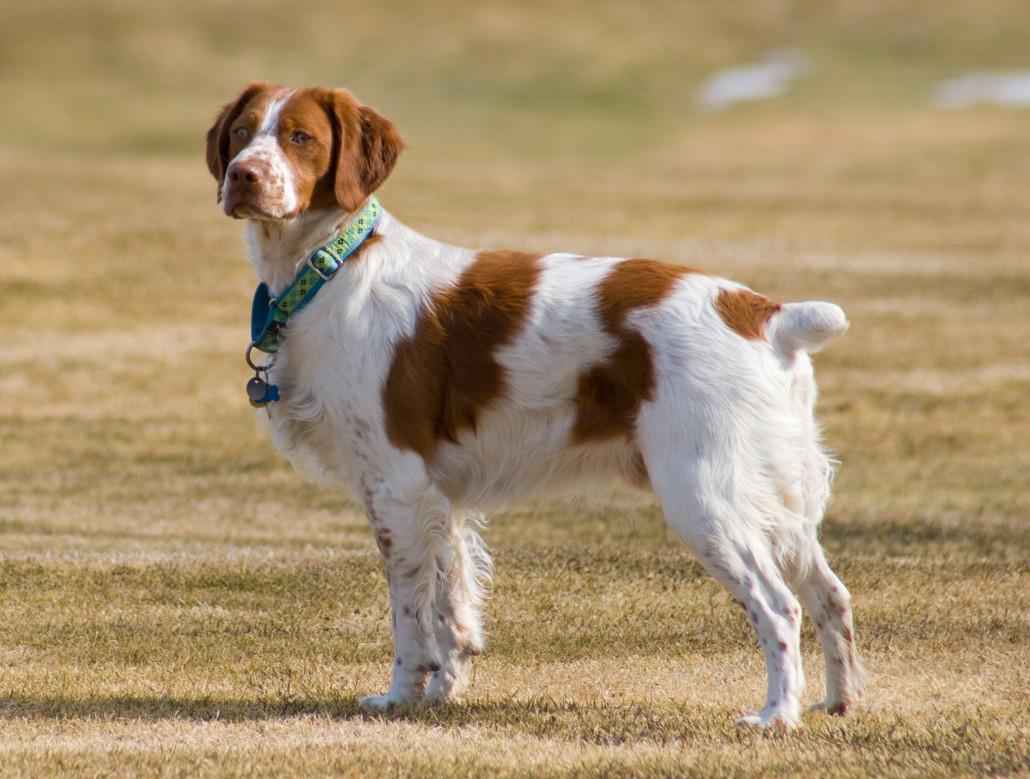
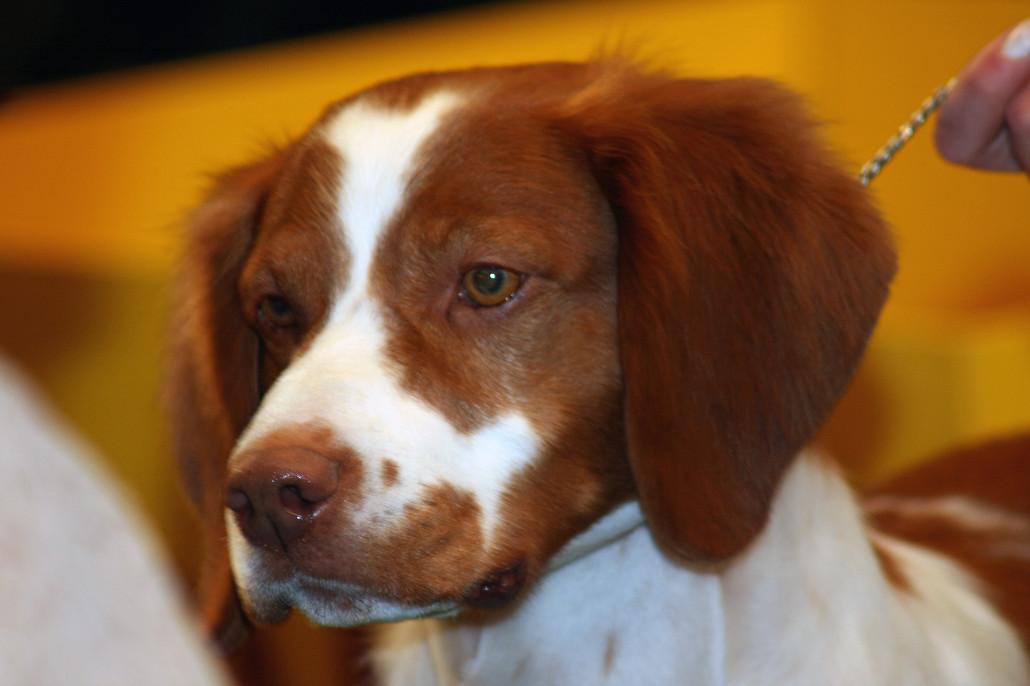
Brittany

BRITTANY – Tail Docked


What makes the Brittany Unique?


Although they were historically used for hunting game, Brittany dogs are also quite sociable and they make excellent companions.

SnapShot

Size: Males – 44.4 to 52.1 cm (17 to 20 inches)
Females – 43.2 to 52.1 cm (17 to 20 inches)
Weight: Males – 20 to 23 kg (160 to 200 pounds)
Females – 16 to 19 kg (140 to180 pounds)
Origin: France
Life Span:  14 – 15 Years
Colour:  range & White, Roan, Liver & White, Tri-color, Black & White, Piebald
Litter Size: 1 to 11 puppies

Fun Fact

THE BRITTANY IS A BREED OF GUN DOG BRED PRIMARILY FOR BIRD HUNTING.

Is the Brittany Right For You?


Brittanys are a loyal breed with a strong desire to please their owners. Despite having an independent disposition, these dogs respond well to commands. In fact, these affable creatures thrive on human interaction and are typically jovial companions.

They like just about everyone including strangers. Brittanys that were raised around children are said to very tolerant of youngsters as are those that have been properly socialized. Other canines in the house likewise have nothing to fear from members of this breed. However, these are not as friendly towards smaller pets and may only tolerate cats if they were raised around them.

Brittanys are also quite energetic and enjoy having a task to perform. They can nonetheless be good house pets if given ample amounts of both exercise and mental stimulation. Otherwise, these dogs may become destructive.


In 5 Words

  • Adaptable
  • Agile
  • Quick
  • Happy
  • Attentive

Characteristics


Exercise
Friendliness
Trainability
Watchdog
Health Issues

Learn About the Brittany


Description

Description

General Description

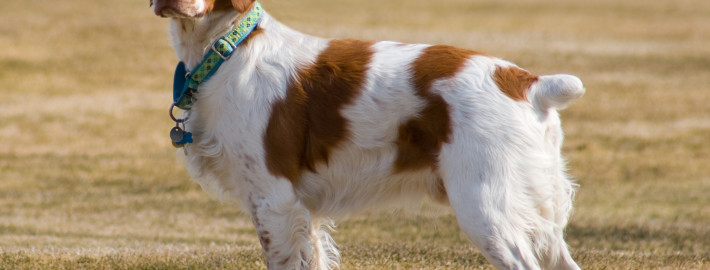
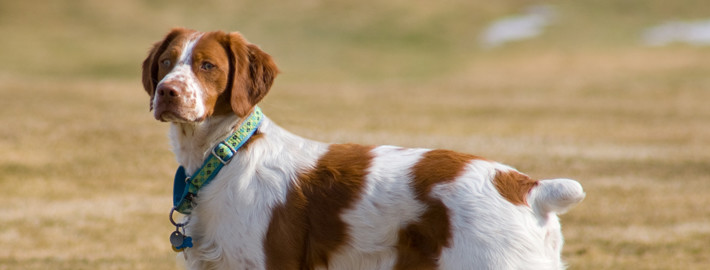
These square shaped dogs are proportionate. Their rumps are somewhat lower to the ground than their withers. They are long legged and light boned, which allows them to move about easily and speedily. Brittany dogs are also well known for their trotting gait and their high levels of endurance. Members of this breed can be born without a tail but those that possess such an appendage at birth may have it shortened to be about 4 inches long. They have heavy eyebrows that are located above their ever alert eyes.

Size

American Kennel Club breed standards state that these dogs should stand between 17.5 and 20.5 inches (44.5 and 52 centimeters) at their withers or their shoulder blades. Being taller or shorter than the breed standard will result in an individual dog’s immediate disqualification at any show event. Brittany dogs also have an average weight of 35 pounds (16 kilograms). Their medium size has made them a popular breed with hunters because they are easy to transport from place to place.

Coat

Brittanys are allowed to have coats that may be either wavy or flat. Coats that are too thick are judged a fault in the show ring and may also be problematic for working dogs in the field. Standard colorations for the breed include white in combination with orange, liver, or both. Orange and liver roan patterns are also considered to be typical of this breed. Alternate colorations include black in combination with orange, white, or both. There is also a black roan version of the Brittany available. Spotted and ticked dogs are also accepted under the American Kennel Club standards.

Short History

Short History of the Brittany

This breed of dog derives its’ name from the region of France in which it originated. The ancestors of the Brittany dog are thought to have lived there as early as the first century. However, paintings and tapestries from the 1600s provided the earliest depictions of the breed.

The tailless version of the Brittany is thought to be native to the village of Pontou where it emerged in the 1850s, but those dogs that were born with tails often had them docked by their owners. Around the same time, a learned gentleman named Reverend Davies wrote a book on hunting breeds. He included a description of bobtailed pointers that were also adroit at retrieving game. The dogs he mentioned in his work have been verified as being the precursors to the modern Brittany breed.

Although examples of the aforementioned variety were first shown at the 1900 Paris Dog Show, these dogs had clearly been around for many hundreds of years. In 1907, a set of breed standards were drawn up and official recognition was granted to a male dog named Boy. By the early 1930s, these dogs had made their way to America. They were awarded official status by the American Kennel Club later in the same decade. Although these dogs had previously been known as Brittany Spaniels, the latter portion of their name was removed in the 1980s so that they currently are just called “Brittanys”.

Temperament

Temperament

Brittanys are a loyal breed with a strong desire to please their owners. Despite having an independent disposition, these dogs respond well to commands. In fact, these affable creatures thrive on human interaction and are typically jovial companions.
They like just about everyone including strangers. Brittanys that were raised around children are said to very tolerant of youngsters as are those that have been properly socialized. Other canines in the house likewise have nothing to fear from members of this breed. However, these are not as friendly towards smaller pets and may only tolerate cats if they were raised around them.

Brittanys are also quite energetic and enjoy having a task to perform. They can nonetheless be good house pets if given ample amounts of both exercise and mental stimulation. Otherwise, these dogs may become destructive.


Caring for Your Brittany


Health

General Health

There are a few health problems that are known to frequently occur in this breed. Epilepsy, cataracts, and cleft palates are not uncommon. Hip dysplasia, a joint malfunction that may require corrective surgery, can also be problematic. Another ailment that is often seen in Brittanys is hypothyroidism, a condition that is brought about by malfunctioning thyroid glands.

Care

Daily

When they are not hunting, these dogs need to be taken out for exercise on a daily basis. At least one hour of activity per day is recommended in order to keep Brittanys from becoming hyperactive or otherwise poorly behaved.

Weekly

These dogs need to be combed at least once or twice per week.

Monthly

Once a month owners will need to administer medications for the prevention of heartworms, fleas, and ticks.

Grooming & Bathing

Grooming & Bathing

These dogs should have their toenails trimmed and their teeth brushed on a regular basis. Brittanys will only need to be bathed if they get especially grimy.

Exercise & Training

Exercise & Training

Members of this breed are obedient and easy to train with gentle, corrective methods. They need consistent leadership and clearly defined rules to follow. Shyness and neurotic behavior can arise in dogs that do not understand their place in the family. Early socialization is recommended for Brittanys so that they don’t fall prey to such undesirable traits. It is very important that these dogs get adequate amounts of regular exercise to keep them from indulging in destructive behaviors, which can easily become a bad habit.

Brittanys need briskly paced activity to keep them entertained. They may enjoy lively games of fetch, jogging around the local park, and swimming at nearby beach areas. They will even retrieve balls that are thrown in the water. Members of this breed can easily fulfill their traditional role as a gun dog but they also excel at various types of dog sports. Due to their pronounced hunting instincts, Brittanys should not be allowed to wander around off their leashes unless they are in a secure location where they are being closely supervised.

Brittany Picture Gallery


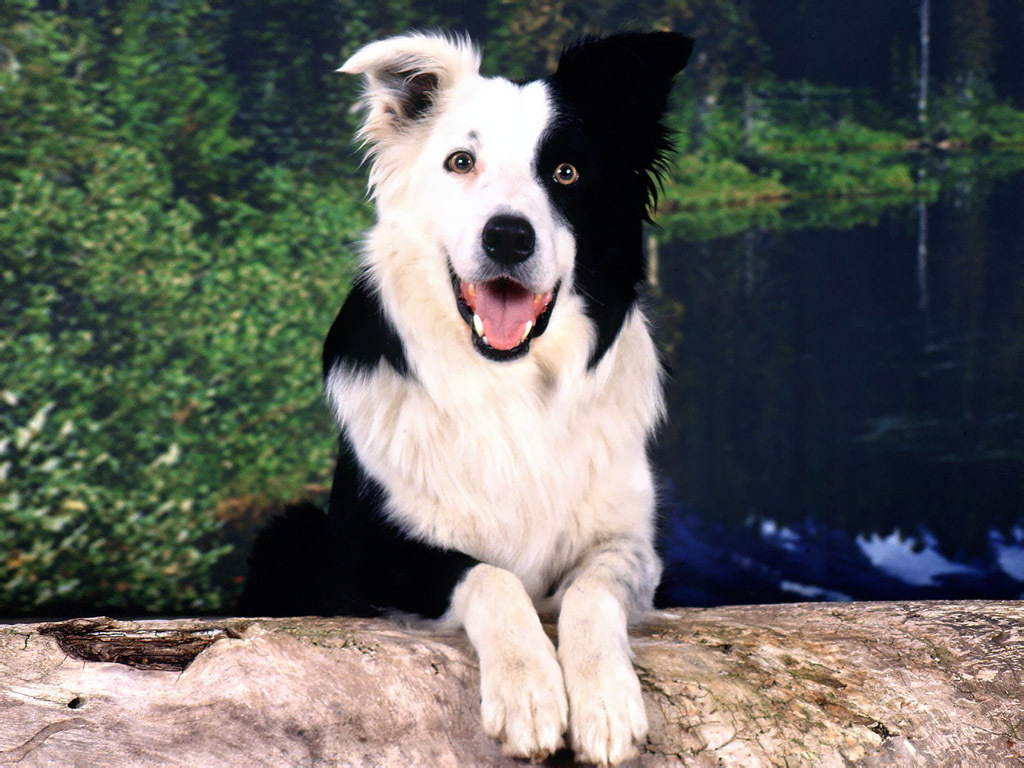
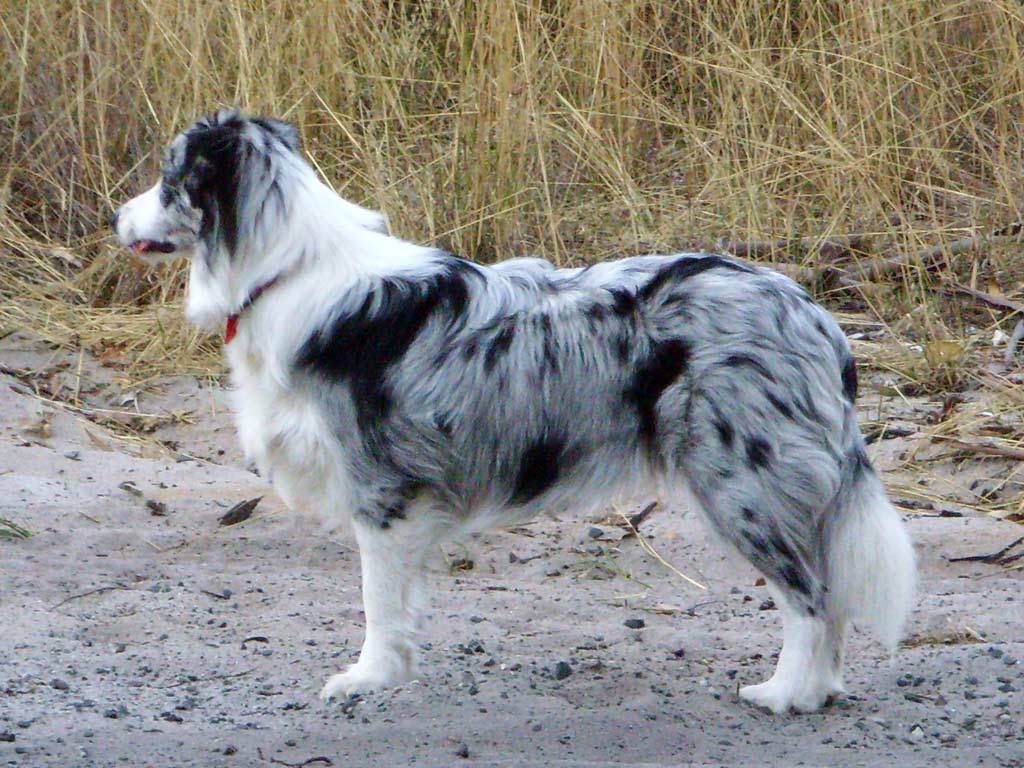
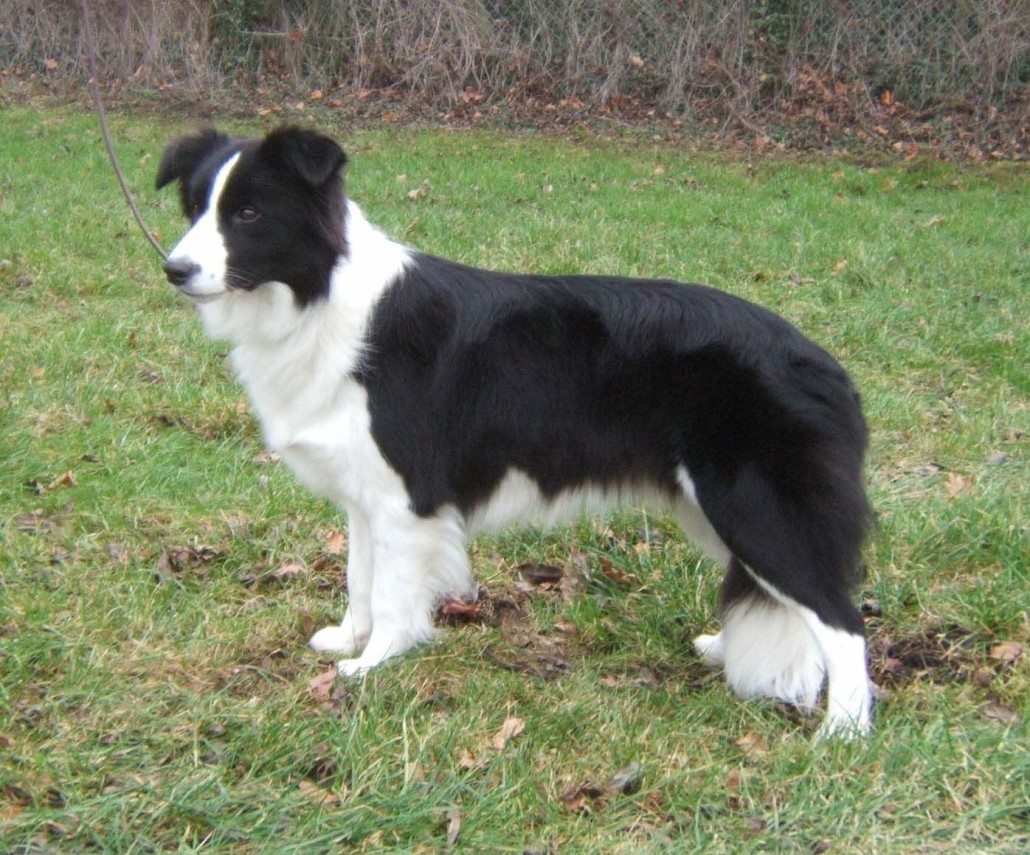
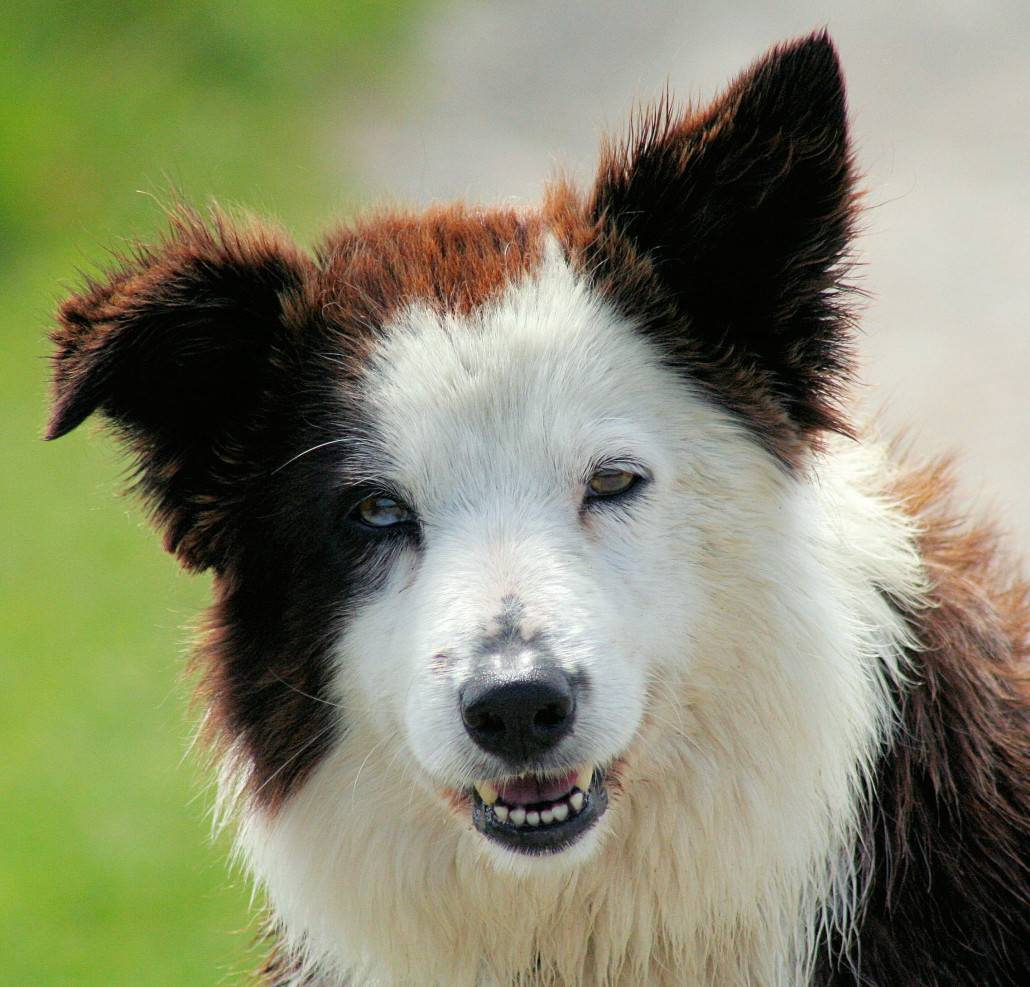
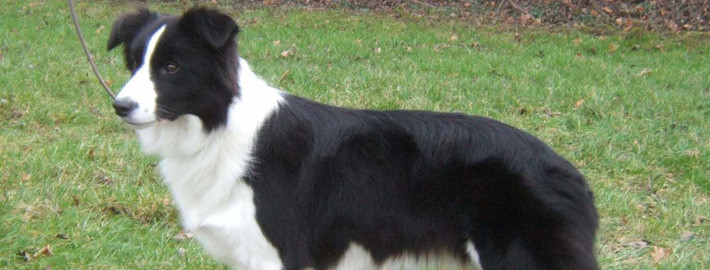
Border Collie

Border Collie – The Workaholic


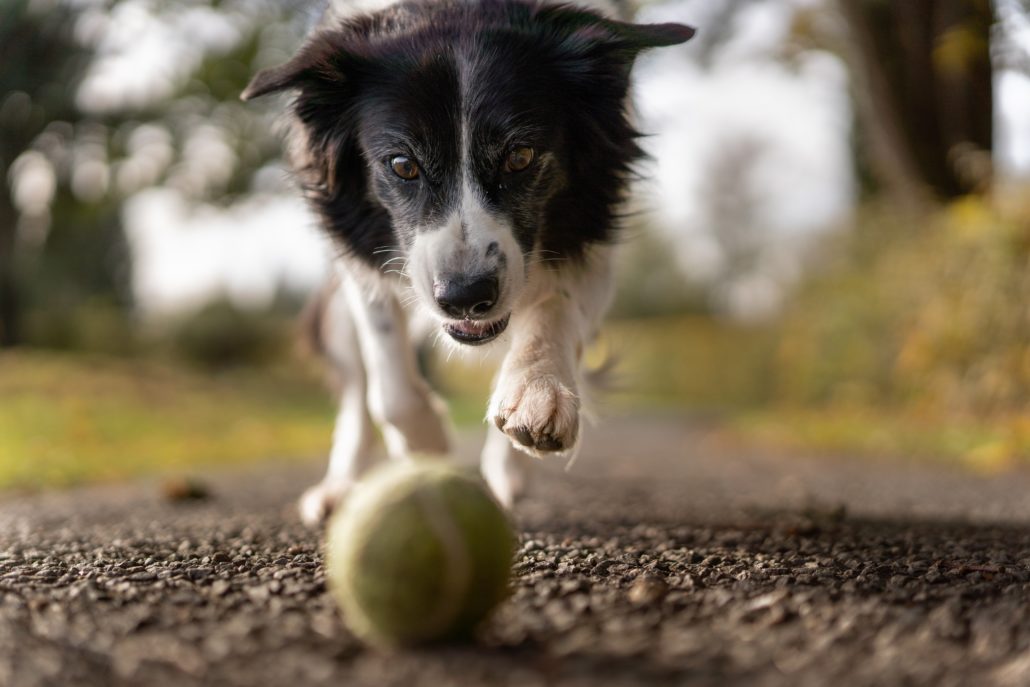
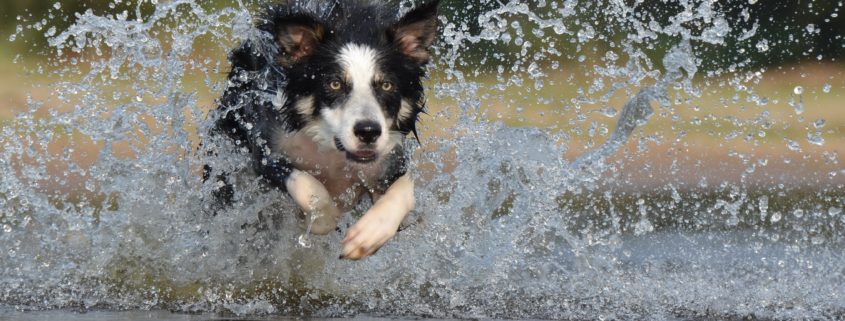
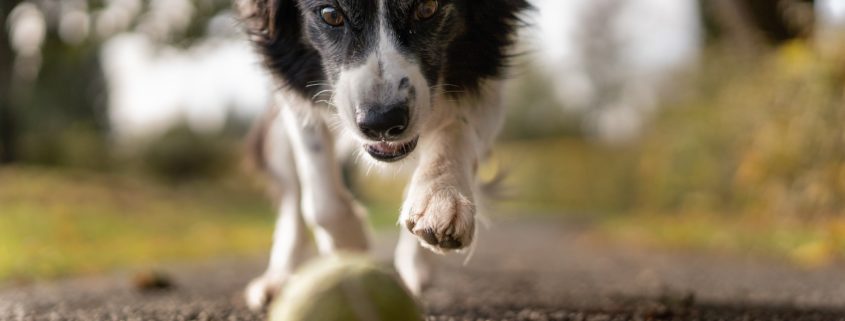
  • Border collie is hunting something
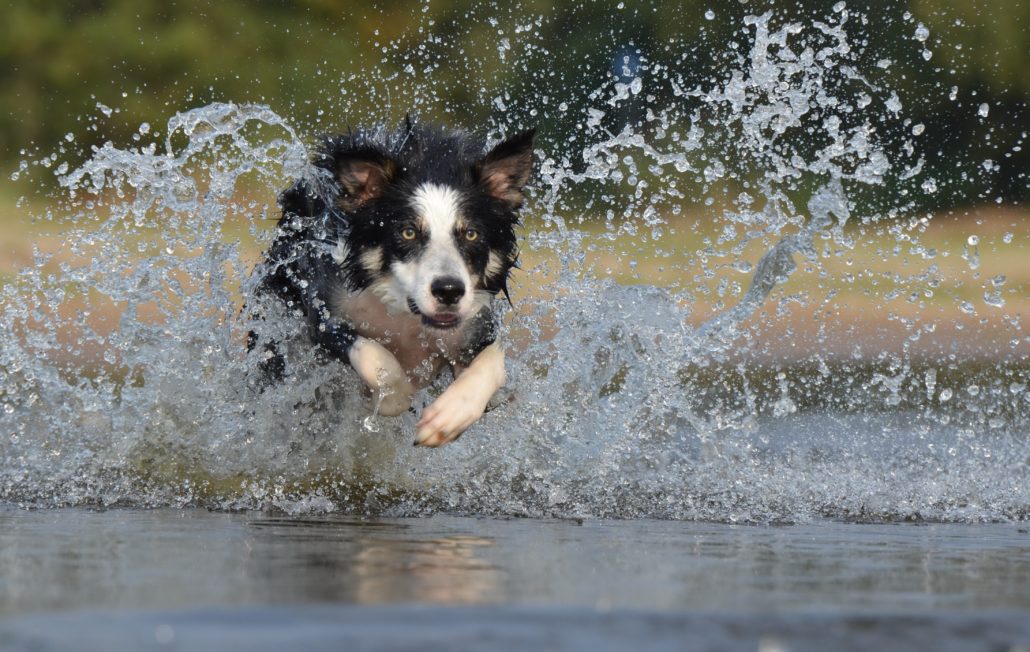
  • Border Collie running through water

What makes the Border Collie Unique?

Although Border Collies are well-known for being beautiful enough to appear on the silver screen, they are also active and intelligent dogs. These lovable animals have boundless energy and are ideally suited to active, country dwelling families with older children.

SnapShot

Size: Males – 48 to 56 cm (19 to 22 inches)
Females – 46 to 53 cm (18 to 21 inches)
Weight: Males – 13.6 to 20.4 kg (30 to 45 pounds)
Females – 12.2 to 19   kg (26.9 to 41.9 pounds)
Origin: Great Britain, United Kingdom
Life Span: 13 – 16 Years
Colour: Red Merle, Gold, White, Blue, Sable Merle, Red, Chocolate, Brindle, Lilac, Sable, Liver, Blue Merle, Black
Litter Size: Up to 10 puppies

Is the Border Collie Right For You?

This guy wants a job, yep uhuh yep job please. In fact this guy neeeeeds a job. The workaholic of the dog world, if you are thinking of getting a border collie do not expect a cuddly, couch potato of a dog thats for sure.

They need more then just a walk around the block, you might think their energy is endless and it just might be! Herding is built into their very fabric and whether its sheep, squirrels, children (basically anything that moves) they will put that built in instinct to work. An extremely intelligent & sensitive dog you will be rewarded with a faithful companion that has the uncanny knack of knowing what you want before you make a movement.

The Border Collie would be a great match for someone who is willing to be as active as he is. They are interested in putting in the training and willing to get involved in activities including tracking, dog sports, obedience training, flying disc and others that involve agility and co-ordination.


In 5 Words

  • Alert
  • Energetic
  • Tenacious
  • Responsive
  • Intelligent
Fun Fact

BORDER COLLIES ARE KNOWN AS HERDING DOGS, BUT A BC CURRENTLY HOLDS THE GUINNESS WORLD RECORD FOR FASTEST CAR WINDOW OPENED BY A DOG.

Characteristics


Exercise
Friendliness
Trainability
Watchdog
Health Issues

Learn About the Border Collie


Description

Description

General Description

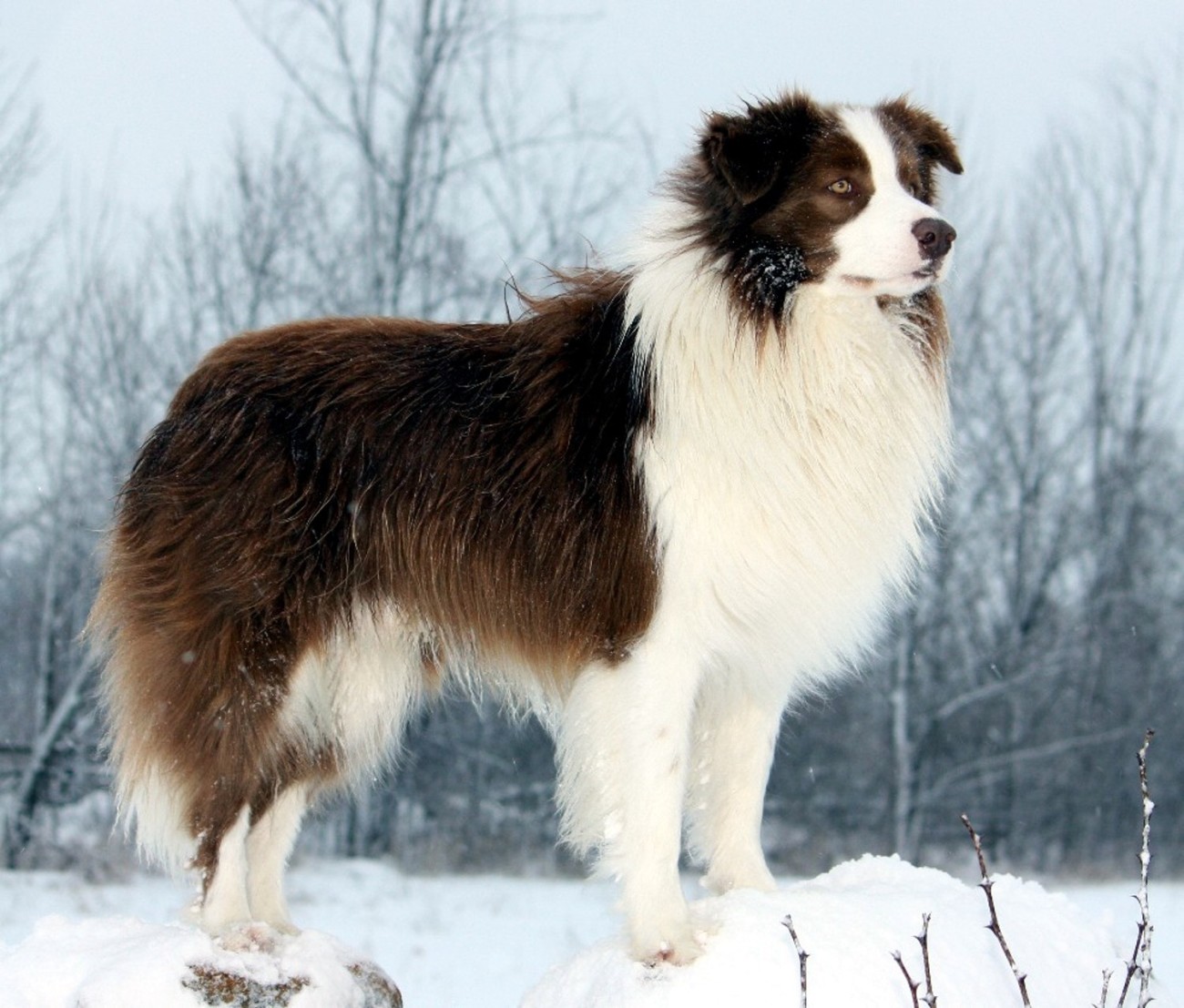
Border Collies that were bred for the show rings are generally stocky, medium-sized dogs. However, there is more variation in size and build among the working lines. Both lines are well proportioned and have a muscular appearance.
The dogs should have tipped erect or semi-erect ears, a tapered muzzle, and teeth that meet in a scissors bite. Their low carried tails should only have a slight curl at the end when the dog is focusing on a particular task. Border Collies tend to trot when walking and should move at moderate speeds when being shown in competitions.
This breed is known for having an intense gaze that they use to control disobedient livestock. As a result, these dogs should have an alert expression in their brown eyes. While Border Collies with blue eyes are accepted in the show ring, this characteristic is not preferred.

Size

On average, these dogs measure between 18 and 22 inches (46 to 56 centimeters) at shoulder and weigh between 30 and 45 pounds. (12-20 kilograms). The ideal size for male Border Collies is 19 to 22 inches (48 to 56 centimeters) in height and female dogs should be slightly shorter at between 18 and 21 inches (46 to 53 centimeters) tall. Female Border Collies should also weigh slightly less than their male counterparts at between 27 and 42 pounds (12 to 19 kilograms) each, while males of this breed should ideally weigh around 35 to 45 pounds (14 to 20 kilograms).

Coat

Coats on Border Collie can be either rough or smooth, but neither is more desirable than the other according to the breed standards. Smooth coat types are naturally short, with feathering on the dog’s legs. Rough coated collies have flat to wavy hair that is much longer. This breed comes in all colors as well as variety of color combinations and markings. White markings are most common.

Short History

Short History of the Border Collie

Unlike some breeds whose origins are shrouded in mystery, the Border Collie is known to have begun its history in the Scottish and English borderlands shortly after the Roman occupation. This breed was responsible for herding sheep and sometimes livestock in this mountainous region. Today, a number of Border Collies still work on ranches and farms.

These dogs were an especial favorite of Queen Victoria, who had become familiar with the breed on her annual trips to Scotland. In 1876, the first sheepdog trials took place. The breed that eventually became the modern Border Collie proved themselves able to successfully herd and capture 100 wild Welsh sheep. The working lines for this breed are still among the world’s best herding dogs.

The Border Collie breed split around 1995 when they were admitted into the American Kennel Club (AKC). There currently are both working and show lines of this breed, so be potential owners should be sure to choose a dog from the lineage that is appropriate to their own purposes.

Temperament

Temperament

These intelligent dogs make good pets for active families with older children. Border Collies tend to be dogs who stay so close to their owners that they are often underfoot. As a rule, this breed is somewhat wary of strangers but those dogs that have been properly socialized are generally friendly. Their tolerance for other animals varies on an individual basis.

True to their breed instincts, these dogs will herd anything that they can including young children and other pets. While the Border Collie is rarely aggressive towards other animals, how well additional pets tolerate being herded is another matter entirely. There are some dogs of this breed with exceptionally strong prey drives that will compulsively chase after cats. Therefore, adult collies which have proven themselves cat-friendly are a safer option than puppies for prospective owners that already have felines in their homes.

Owners should be aware that Border Collies will also attempt to herd bicycles and cars, so it is not a good idea to let them off their leash in city environments. As a breed, these dogs may suffer from quirky borderline obsessive tendencies that vary between animals. However, if a dog is prone to a great many obsessive behaviors, it may be bored and owners should proceed with caution.
Border Collies have a capacity for great destruction when they aren’t mentally stimulated on a regular basis. This breed is also prone to becoming boredom barkers. It goes without saying that Border Collies will do best in rural areas, but they can withstand apartment life if properly exercised. These are not couch potato dogs.


Caring for Your Border Collie


Health

General Health

This breed is especially prone to epilepsy, hip dysplasia, PRA (Collie Eye Anomaly) and deafness. The coloration gene is linked to the same one that causes hearing loss and dogs with a large percentage of white fur in their coats are more at risk than others for deafness. Border Collies also are quite often allergic to fleas. Owners of dogs with this condition should be more vigilant than others about making sure their pet is given a monthly flea and tick preventative. During the summer months when fleas are most prevalent, these Border Collies should be bathed on a more regular basis to help prevent infestations and alleviate itching from any insect bites they may have received.
In addition to the aforementioned health risks, some herding lines of Border Collies carry the MDR1 gene, which makes them sensitive to certain drugs that may be safely given to other dogs. Testing can and should be done for this gene, because otherwise these dogs may inadvertently be given medications that could prove deadly.
However, owners of this breed should not be overly concerned with health issues when considering a Border Collie. Cancer and old age are the leading causes of death for the breed and most Border Collies tend to live between 12 and 13 years on average.

Care

Daily

Although energy levels vary on an individual basis, all Border Collies require regular exercise. An hour long walk or time spent in an enclosed back yard is sufficient on a daily basis. This activity period can be broken up into intervals as required by the owner. Some people take their pets out several times a day for short breaks, but others only have time for one lengthy walk per day. Border Collies also benefit from daily human interaction, even if it is only for short period of time. They tire more easily from mental stimulation such as learning new tricks rather than going for long walks, so potential owners should be aware of that fact.

Weekly

Border Collies should be brushed two to three times per week, and more often when the dog is shedding. It is also a good idea to brush a dog’s teeth on a regular basis to prevent bad breath and periodontal disease. A Border Collie’s ears and coat should be regularly checked in order to prevent ticks.

Monthly

As with any breed, monthly heartworm, flea, and tick prevention medicine is recommended.
.

Grooming & Bathing

Grooming & Bathing

The Border Collie needs regular grooming, with extra attention given during times it is shedding. These dogs should be bathed only when necessary.

Exercise & Training

Exercise & Training

Widely regarded as one of the most intelligent breeds, Border Collies like to keep busy. These energetic dogs benefit greatly from regular physical exercise. They additionally excel in dog sports such as flyball and agility competitions. Border Collies will also do well in obedience classes, because they are smart and willing to please their owners.

Border Collie Picture Gallery


Bloodhound

BLOODHOUND – Steadfast Trailer


What makes the Bloodhound Unique?


Bloodhounds have a lengthy history as tracking dogs and have been useful to law enforcement official over the centuries. Members of this breed excel at finding lost criminals, people, and pets.

SnapShot

Size: Males – 63 to 69 cm (25 to 27 inches)

Females – 58 to 63 cm (23 to 25 inches)

Weight: Males –  41 to 50 kg (90 to 110 lb)

Females – 36 to 45 kg (80 to 100 lb)

Origin: Belgium/France or England/Scotland
Life Span: 10 – 12 Years
Colour: Deep hazel to yellow
Litter Size: 8 to 10 puppies

Fun Fact

THE NAME “BLOODHOUND” DOES NOT COME FROM THIS DOG’S ABILITY TO TRACK GAME AND PEOPLE, BUT FROM A LONG HISTORY OF CAREFULLY RECORDED BLOOD LINES.

Is the Bloodhound Right For You?


Despite the fact that they are often called upon to track human beings and are wary of strangers, Bloodhounds have very docile temperament. According to the American Kennel Club’s breed standards these dogs should be “extremely affectionate” and not “quarrelsome with companions or with other dogs.” Bloodhounds are likewise good with children. Although they do not have incredibly high activity levels, they nonetheless make great playtime companions and good family pets. As is the case with any large dog, Bloodhounds will need to be supervised when they are around younger children to prevent any accidental injuries from occurring.

Bloodhounds don’t always do well in traditional obedience classes. Yet they are sensitive dogs and need patient training in order for them to succeed at any task. Owners should also note that Bloodhounds’ heightened tracking instincts make it incredibly easy for them to learn how to trail things.

In 5 Words


  • Kind
  • Patient
  • Noble
  • Mild-mannered
  • Gentle

Characteristics


Exercise
Friendliness
Trainability
Watchdog
Health Issues

Learn About the Bloodhound


Description

Description

General Description

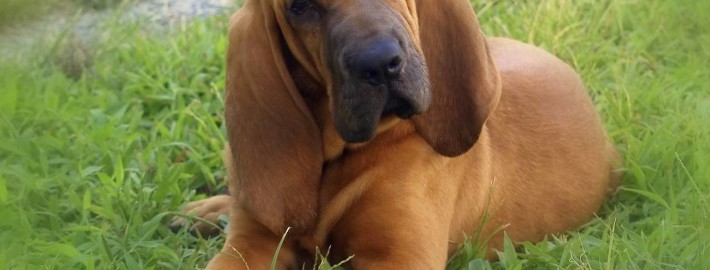
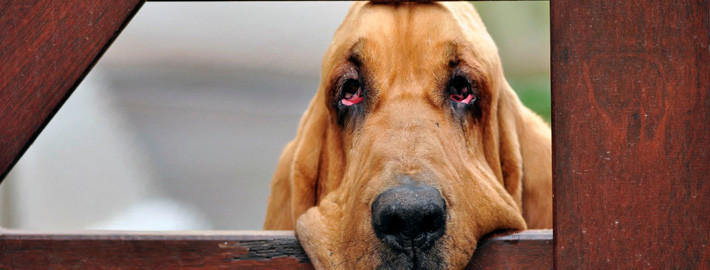
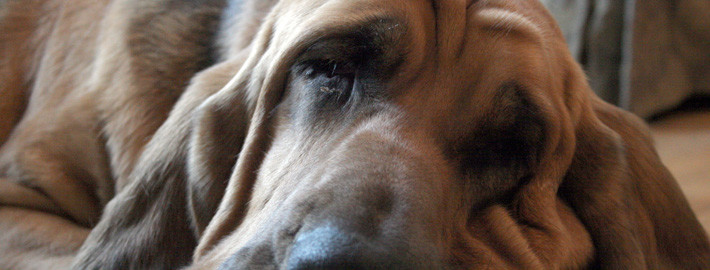
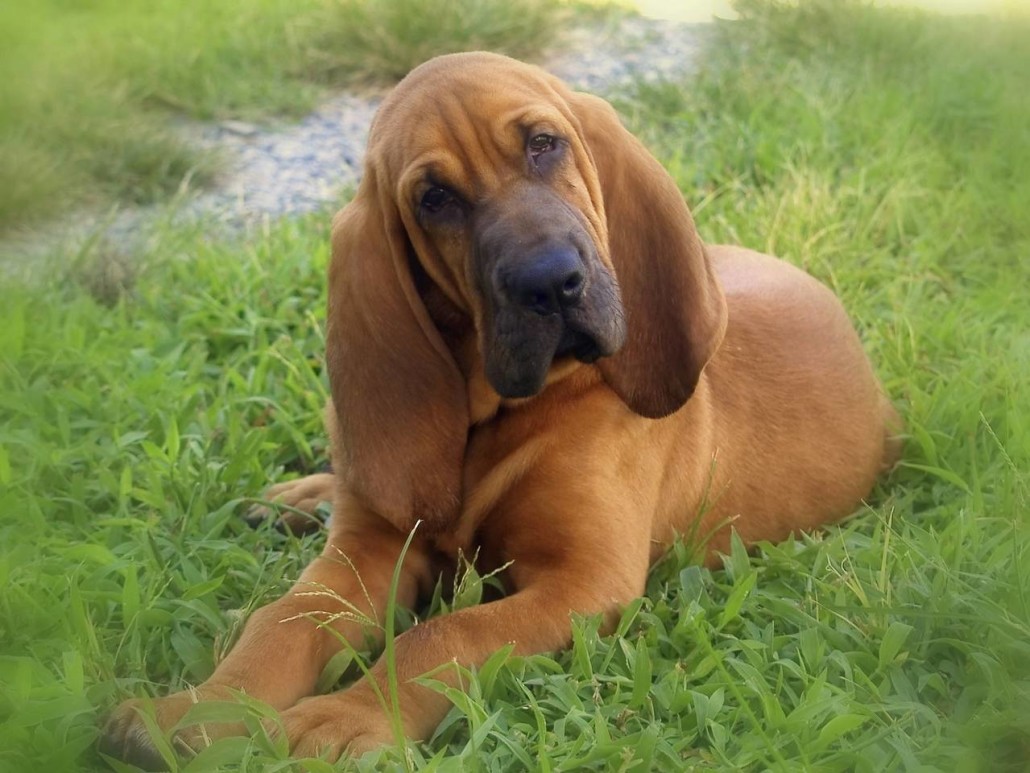
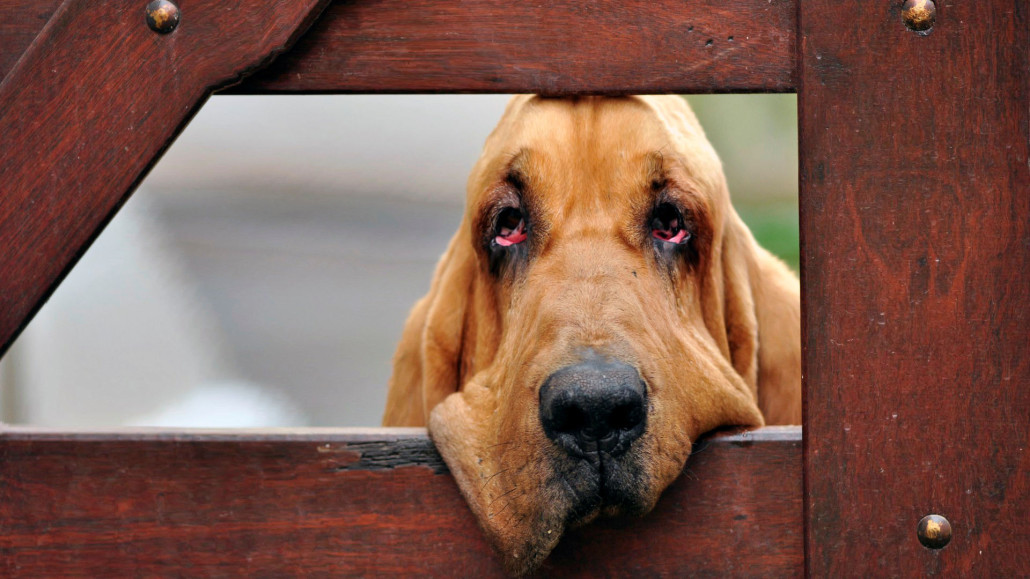
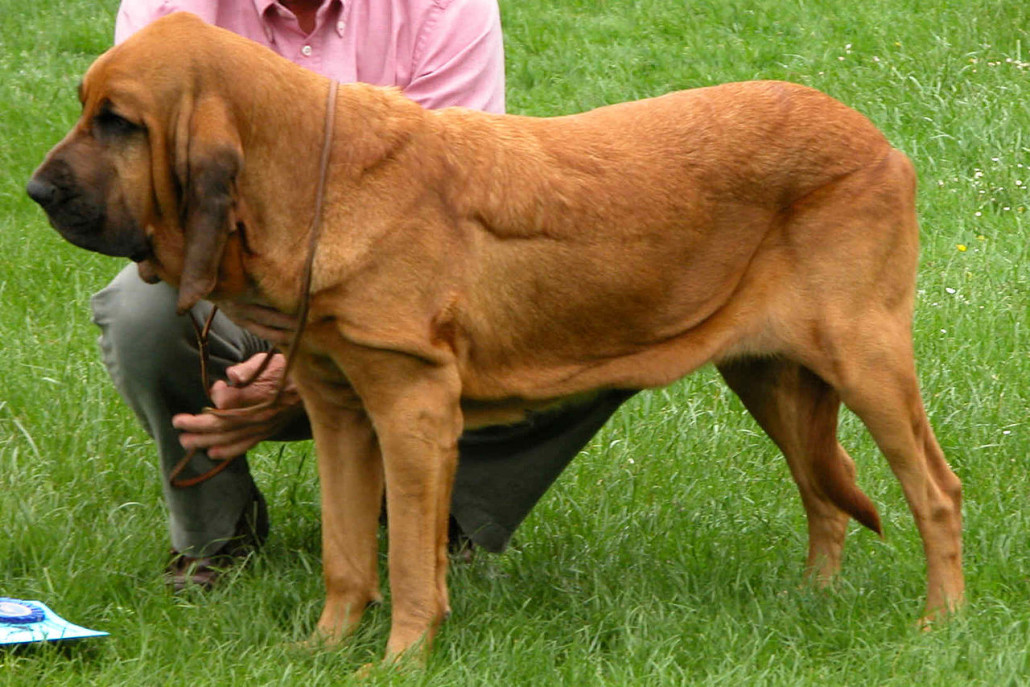
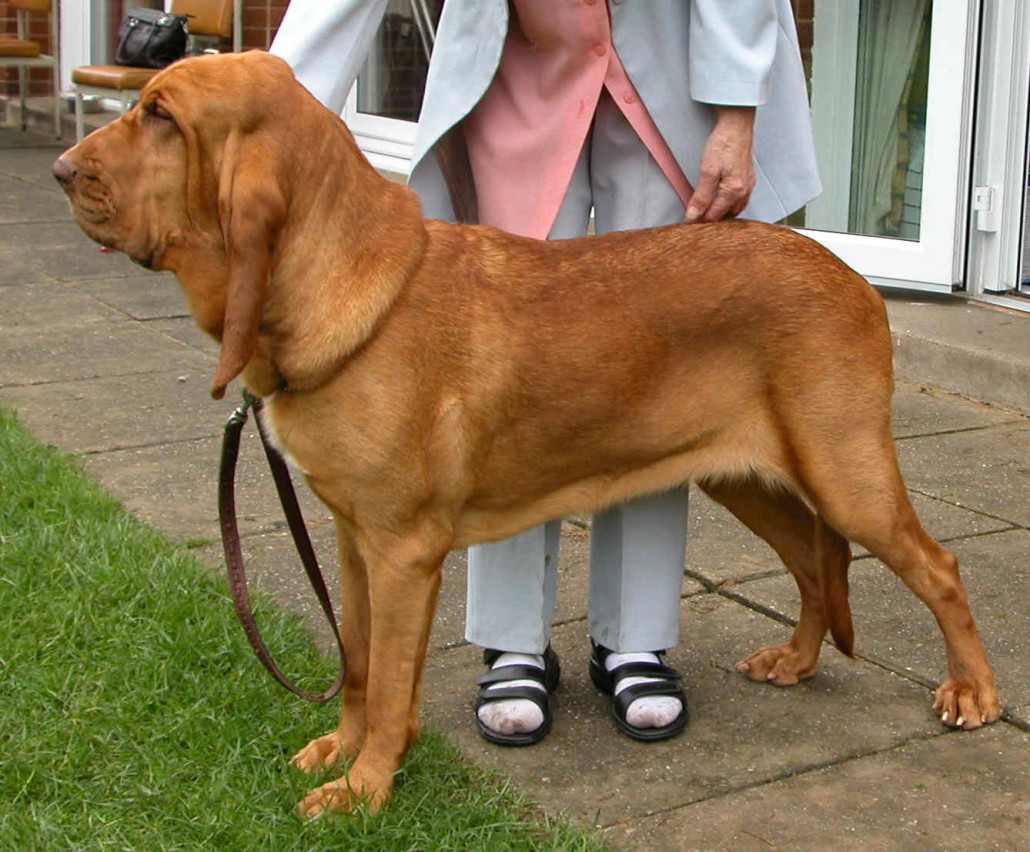
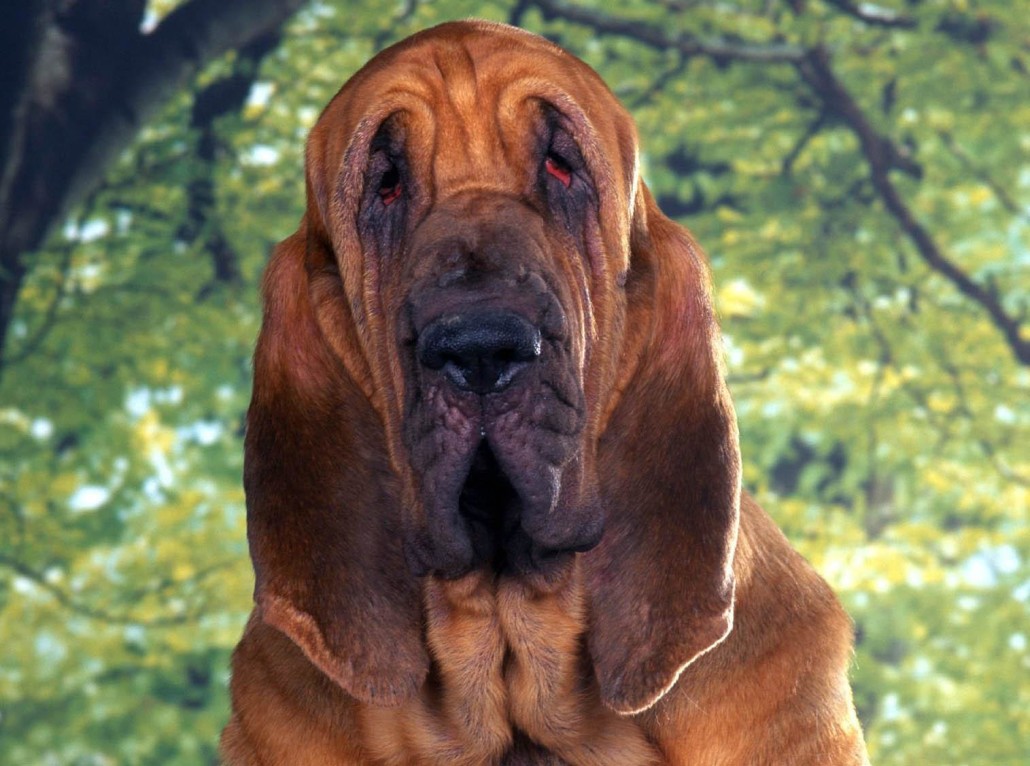
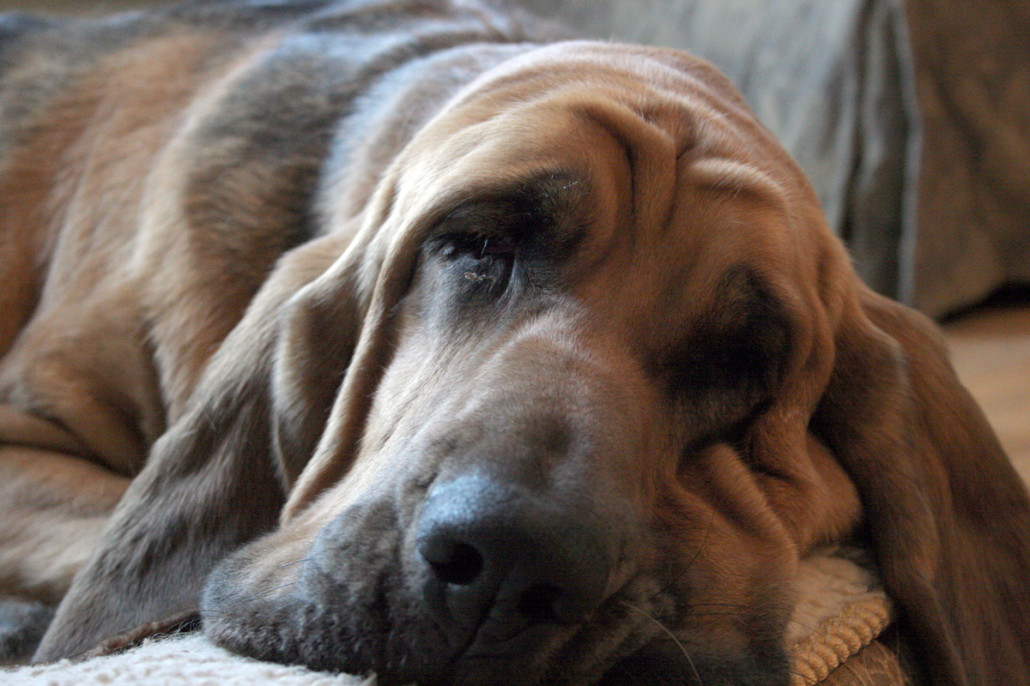
Bloodhounds were developed for endurance and not speed. These tracking dogs have thick bones and a large skeletal system. They also feature loose, wrinkly skin around their necks and heads. Long ears are another breed feature and these appendages are thought to stir up latent odors as they trail across the ground. The Bloodhound has a thick coat that keeps them from getting injured when trekking through thick underbrush. These have a dignified expression and, though they are not breed for speed, they are capable of moving quickly.

Size

Bloodhounds typically weigh between 80 and 110 pounds (33 and 50 kilograms). However, individual dogs weighing up to 160 pounds (72 kilogram) are not unknown and the American Kennel Club judges prefer larger animals. Both male and female members of this breed stand 23 to 27 inches (58 to 69 centimeters) tall at their shoulder blades, or at the withers.

Coat

Bloodhounds come in red, tan, black, and liver variations. Saddle-shaped markings may also be present and white patches are permissible in various locations. Historically, a lot of other colors were available but breed standardization has reduced the occurrence of other hues.

Short History

Short History of the Bloodhound

These dogs came about as part of a breeding program set up by the Abbey of Saint Hubert in the 13th century. These monks would annually send a pair of their hounds to the French Kings. Some monarch didn’t always appreciate the dogs that were sent to them and Charles IX in particular wrote that the Saint Hubert’s Hounds were suitable for following prey but not actively hunting it. His contemporary, author Jacques du Fouilloux, agreed that the breed seemed to only be useful as tracking dogs. Saint Hubert’s Hounds were somewhat better regarded by Henry IV, who sent a number of the breed as gifts to his fellow monarch James I of England.

However, by the time the so-called “Sun king” Louis XIV came into power, Bloodhounds had grown rare and the master of the royal hounds rarely kept those that were sent to the king as a gift. After the French Revolution got underway, the absence of a king meant that the monk had nowhere to send their dogs. Besides, the country itself was in turmoil. Hunting with dogs was no longer a prime sport and this continued until the Napoleonic wars were over.

When game hunting became popular again in the 1800s, Saint Hubert’s Hounds were not highly regarded by most sportsmen. Baron Le Couteulx de Canteleu was one rare exception, yet he was discouraged to learn that there were only a few members of this breed left in France and those in the mountainous regions had been heavily crossed with other dog varieties.

Although the original strain died out around that time, the Bloodhound is widely considered to be a noteworthy modern descendant from that same historical lineage. The breed makes its own appearance as early as the 1300s in England where they were used to track game before the pack hounds were then released. These dogs were also utilized in Scotland for tracking people that the English rulers considered criminals such as William Wallace and Robert the Bruce.

The Victorians also put their Bloodhounds to work tracking people and it wasn’t too long before these dogs had found themselves a place as valued members of the local police force. Members of this breed continue to work in the same capacity to this day and any evidence these dogs find is considered acceptable in court.

Temperament

Temperament

Despite the fact that they are often called upon to track human beings and are wary of strangers, Bloodhounds have very docile temperament. According to the American Kennel Club’s breed standards these dogs should be “extremely affectionate” and not “quarrelsome with companions or with other dogs.” Bloodhounds are likewise good with children. Although they do not have incredibly high activity levels, they nonetheless make great playtime companions and good family pets. As is the case with any large dog, Bloodhounds will need to be supervised when they are around younger children to prevent any accidental injuries from occurring. Members of this breed also tend to enjoy chewing on things.


Caring for Your Bloodhound


Health

General Health

Bloodhounds typically live between 9 and 11 years. However, the main health concern in this breed is bloat. Owners can prevent problems from arising by feeding their dogs small portions of food two or three times per day rather than giving them their daily ration all at once. Another way to keep difficulties from occurring is to refrain from exercising Bloodhounds right after they have eaten. It is further recommended that owners purchase padded bedding for their dogs to keep them from having calluses on their joints. Other minor health concerns in this breed include hip dysplasia, ear infections, and entropion.

Care

Daily

Bloodhounds are energetic dogs that enjoy a nice long walk or run every day but care should be taken to keep them from overexerting themselves. It is also a good idea to clean their faces regularly. Depending on the individual dog, this procedure will need to take place as often as several times per day or as infrequently as once or twice per week.

Weekly

Brushing a dog’s teeth on a regular basis prevents not only bad breath but also the buildup of tartar. Bloodhounds also need to be brushed once or twice per week to keep loose fur from getting everywhere as they are modest shedders. Rubbing these dogs down with a chamois cloth will additionally keep their coats shiny.

Monthly

Most dogs require heartworm, flea, and tick prevention medications on a monthly basis.

Grooming & Bathing

Grooming & Bathing

Although Bloodhounds have a distinctive doggy aroma, they do not have to be bathed regularly. However, their floppy ears should be cleansed and checked for debris every so often. Their nails will also need to be kept trimmed.

Exercise & Training

Exercise & Training

Due to their stubborn natures, Bloodhounds don’t always do well in traditional obedience classes. Yet they are sensitive dogs and need patient training in order for them to succeed at any task. Owners should also note that Bloodhounds’ heightened tracking instincts make it incredibly easy for them to learn how to trail things. These dogs won’t stop following an interesting scent despite any environmental dangers that might arise so members of this breed should not be allowed to roam about freely.

Bloodhound Picture Gallery


Boston Terrier

BOSTON TERRIER – Devoted Companion


What makes the Boston Terrier Unique?

Among the most instantly recognizable dog breeds, the Boston Terrier makes a great pet for apartment and city dwellers alike. These friendly creatures do not need a lot of exercise and they gets along well with a wide variety of people and animals. Needless to say, these small to medium sized dogs make wonderful companions for anyone seeking a new pet

SnapShot

Size: Males – 38.1 to 43 cm (15 to 17 inches)
Females – 38.1 to 43 cm (15 to 17 inches)
Weight: Males – 4.5 to 11.3 kg (10 to 25 pounds)
Females – 4.5 to 11.3 kg (10 to 25 pounds)
Origin:  United States
Life Span: 11 – 15 Years
Colour: White in proportion to either black, brindle, seal, or a combination of the three
Litter Size: 4 to 6 puppies

Fun Fact

BOSTON TERRIERS WERE BRED IN BOSTON, MASS., AND ALL DESCEND FROM A DOG NAME JUDGE. THEY WERE FIRST KNOWN AS ROUND HEADS, BULLET HEADS OR BULL TERRIERS, BUT IN 1889 THEY OFFICIALLY TOOK THE NAME BOSTON TERRIER..

Is the Boston Terrier Right For You?

The Boston Terrier breed originated around 1870, when Robert C. Hooper of Boston purchased a dog known as Hooper’s Judge, who was of a Bull and Terrier type lineage. Judge’s specific lineage is unknown; however, Hooper’s Judge is either directly related to the original Bull and Terrier breeds of the 18th and early 19th centuries, or Judge is the result of modern English Bulldogs being crossed into terriers created in the 1860s for show purposes, like the White English Terrier. Judge weighed over 27.5 pounds (13.5 kilos). Their offspring interbred with one or more French Bulldogs, providing the foundation for the Boston Terrier. Bred down in size from pit-fighting dogs of the Bull and Terrier types, the Boston Terrier originally weighed up to 44 pounds (20 kg.) (Olde Boston Bulldogge).

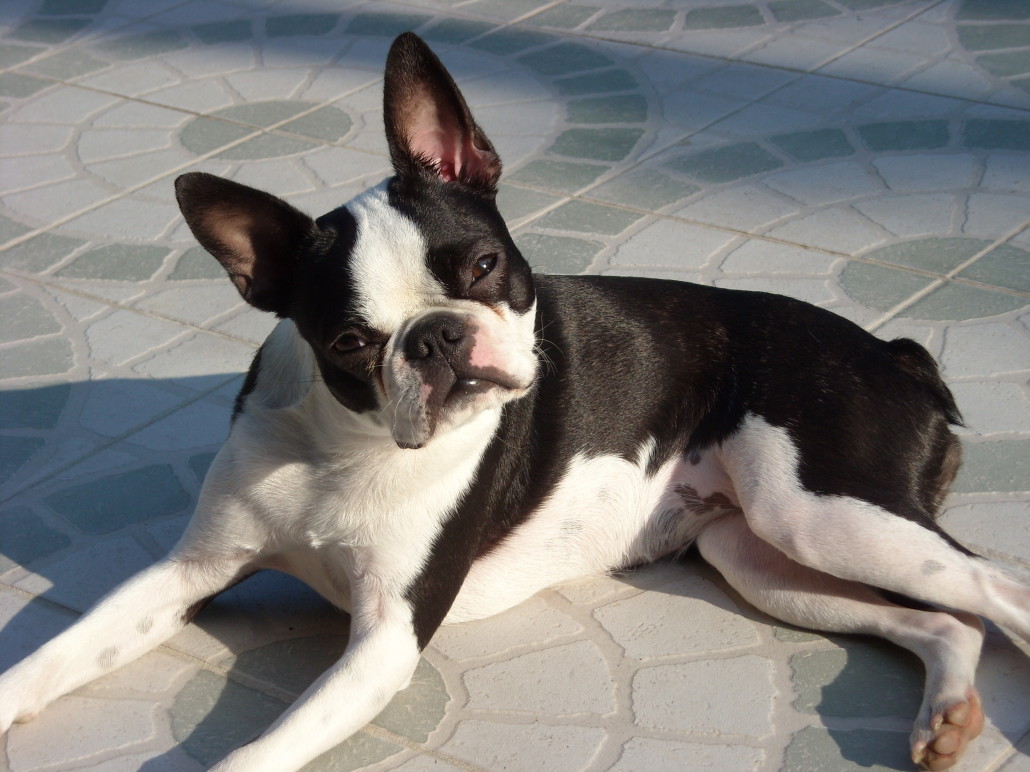
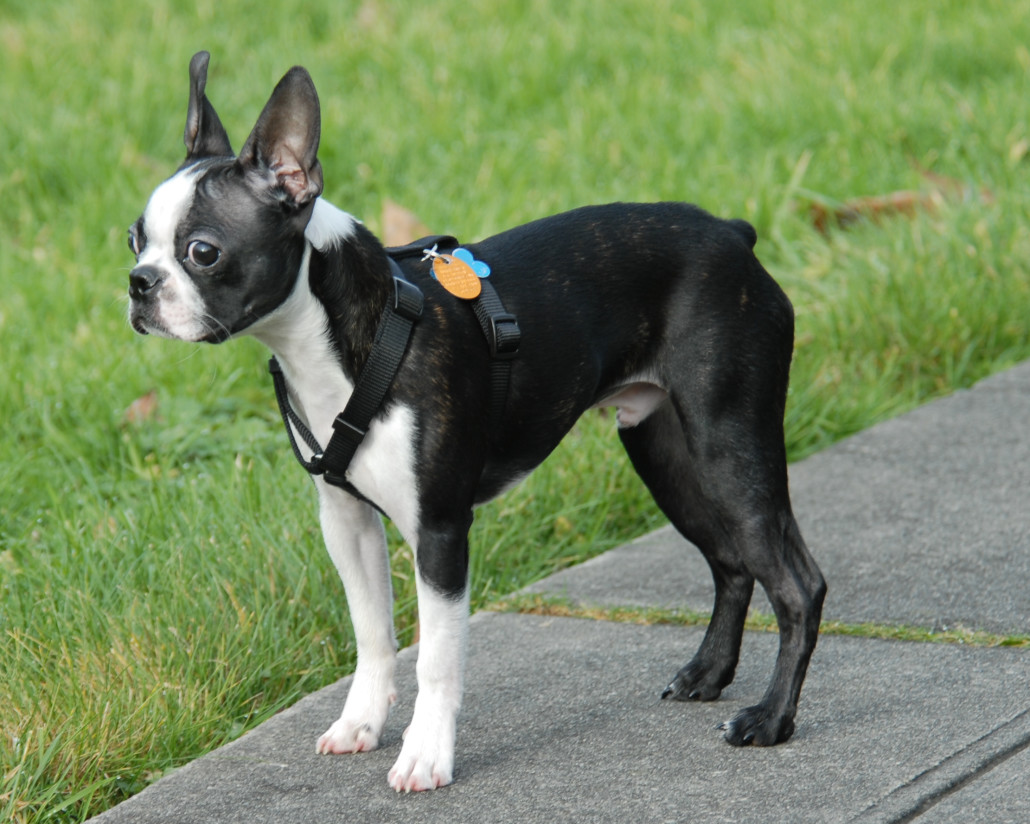
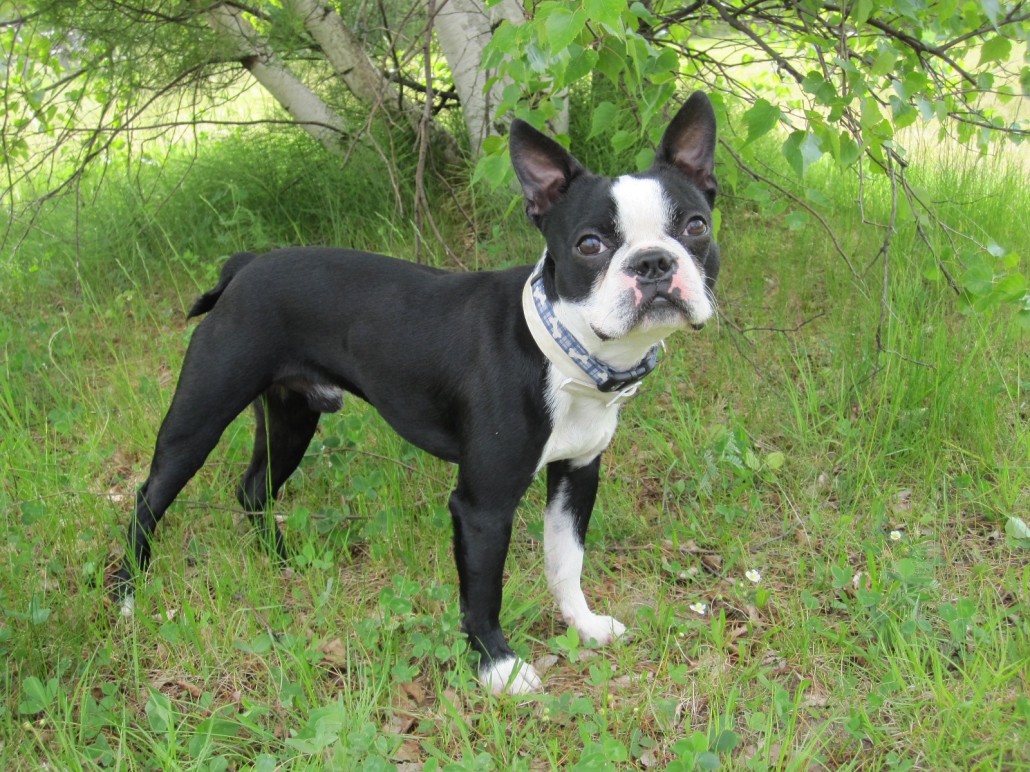
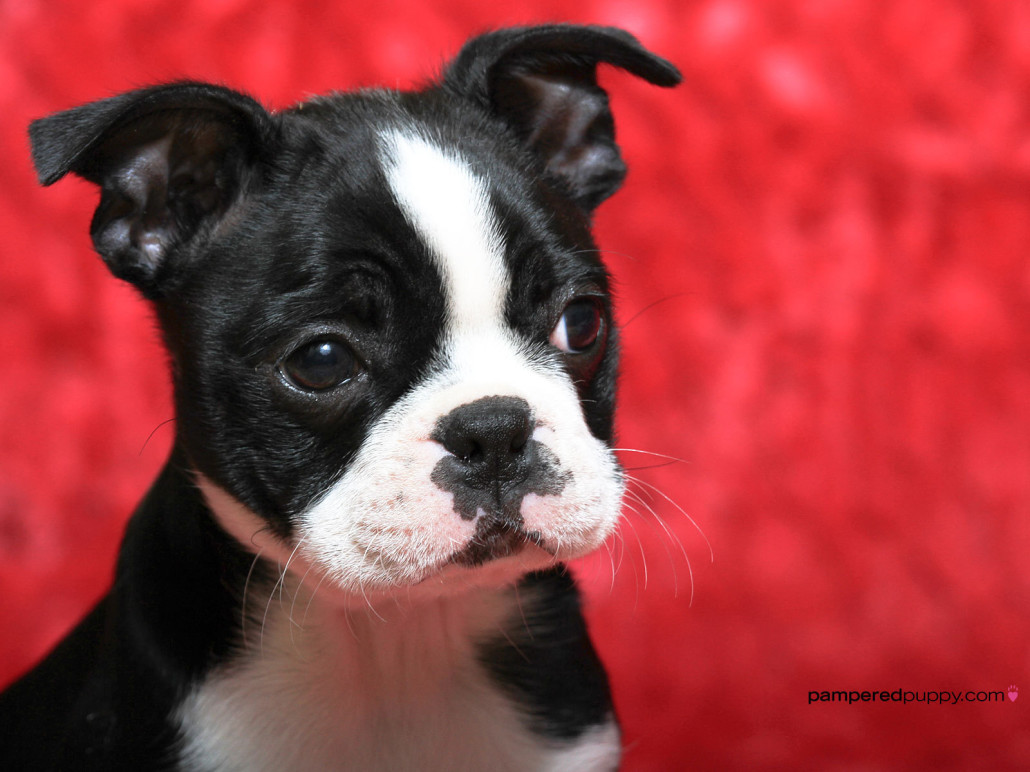
Boston Terriers, also called the Boston bull, are compact and well-muscled dogs. The body is short with a square appearance. The square looking head is flat on the top and in proportion to the rest of the body. The deep, wide, short muzzle is in proportion with the head. The nose is black. The stop is well defined. The bite is either even or slightly undershot giving the muzzle the square look. The large, round dark eyes are wide-set. The erect ears are small and either cropped or left natural.

In 5 Words

  • Lively
  • Friendly
  • Intelligent
  • Happy-go-lucky
  • Gentle

Characteristics


Exercise
Friendliness
Trainability
Watchdog
Health Issues

Learn About the Boston Terrier


Description

General Description

Boston Terriers have compact, well-muscled bodies that are both short and square. However, this breed’s distinctive markings and elegant carriage set it apart from the crowd. It greatly resembles a small bulldog in most respects. These dogs have a flat, square shaped head that is in proportion to their bodies and straight limbs. They have a broad chest and wide-set legs.

They have a black nose at the end of their square muzzle, which is both short and wide with a well-defined stop. Their bites may be even or slightly undershot. Boston Terriers have large, round eyes that are dark in color. Blue eyes are a disqualifying fault in show ring dogs. The ears on this breed can be left natural or cropped as their owner’s desire. Their tapered tails are low-set and short. A dog’s tail can be screw shaped or straight, but should not be docked as this is another disqualifying fault.

Size

A Boston Terrier should weigh between 10 and 25 pounds. There are three different weight classes acknowledged by the American Kennel Club (AKC): under 15 pounds, 15 to 20 pounds, and 20 to 25 pounds. These dogs should stand between 15 and 17 inches (38 and 43 centimeters) at the withers, or the shoulder blades.

Coat

The short, finely textured coat on this breed comes in seal, brindle and white, as well as black and white. While other colorations do exist, they are frowned upon as being undesirable by the American Kennel Association.  & white.

Short History

Short History of the Boston Terrier

The Boston Terrier’s ancestors were  pit fighting bull and terrier types that had been sized down to become more manageable pets. Initially, the breed known as Olde Boston Bulldogges weighed up to 44 pounds (22 kilograms). They were later bred to French Bulldogs in order to reduce their size and, as a result, the modern breed ended up being much smaller.

This breed got its definitive start when Robert C. Hooper of Boston purchased a dog of mixed bull and terrier lineage around 1870. This dog, known as Judge, would go on to become the ancestor of all modern Boston Terriers. The first member of this breed was shown in 1870.  Nineteen years later, the American Bull Terrier Club was formed by breed advocates.

There was some dispute about the name until a noted writer by the name of James Watson suggested that the club changed its name to the Boston Terrier Club. In 1893, the Boston Terrier was admitted to membership in the American Kennel Club with the distinction of having been the first breed originating in the United States to be recognized officially. It also was the first non-sporting dog bred in the US. Although coloration and markings were not important characteristics of earlier dogs, by the 20th century these features became part of the breed standards and are subsequently considered to be essential.

Temperament

Temperament

This friendly, lively, and intelligent breed greatly enjoys the company of humans. Boston Terriers also have a generally sweet disposition that makes them good companions.  This breed is well attuned to their owner’s moods and wishes. Though they are well behaved when indoors, Boston Terriers enjoy chasing balls and playing with their human families whenever the opportunity presents itself. They are also good with children and felines, but can be reserved around strangers. Unfamiliar dogs can also prove problematic because they may be perceived as a threat. Some Boston Terriers have a tendency to bark a lot and prospective owners should definitely be aware of this fact.


Caring for Your Boston Terrier


Health

General Health

Due to their shortened muzzles, Boston Terriers are sensitive to weather extremes on both ends of the spectrum. As a result, they cannot live outdoors. Demanding exercise in conjunction with especially warm or chilly weather can harm these dogs so owners should be cautious when taking their pets outdoors at such times.

Some Boston Terriers have additionally been known to wheeze and snore because of the way their noses are shaped.  A lack of a proper diet can result in flatulence, but some dogs may suffer this condition even when they are well-fed.

More serious health concerns in the breed include cataracts, cherry eye, luxating patellas, deafness, heart murmur, and allergies. A back curvature known as roaching can be caused by rear leg patella problems. This can cause a hunched over posture, with dogs who suffer from this ailment leaning heavily on their forelegs.

Grooming & Bathing

Grooming & Bathing

A bath once every few month will suit a Boston Terrier perfectly fine, unless it gets especially dirty or encounters a skunk. Their toenails should also be trimmed regularly.

Care

Daily

Boston Terriers are lively and require daily exercise as well as human interaction.  Most of their exercise requirements can be met with a short leashed walk or play session. These dogs are especially fond of games.

Weekly

A once weekly brushing with a hound mitt in order to remove dead hairs is perfectly adequate. Brushing their teeth once or twice a week also helps prevent gum disease and bad breath.

Monthly

Boston Terriers require flea, heartworm, and tick prevention medication on a monthly basis.

Exercise & Training

Exercise & Training

Boston Terriers can be easily carted around and it is fine to do so because they do not require much exercise in order to stay in shape. As with most breeds, these dogs benefit from some obedience training. Positive reinforcement is always best but motivation may vary on an individual basis. Some Boston Terriers will react well to praise but others may require a more tangible reward such as treats or toys. Multiple daily training sessions of five minutes or less are recommended for this breed. Boston Terriers are good at sports such as flyball and agility but they also make excellent therapy dogs.

Sources: Previously written materials, AKC online, Vetstreet, Wikipedia

Boston Terrier Picture Gallery

Borzoi

BORZOI – Russian wolfhound


What makes the Borzoi Unique?


These dogs draw their name from the Russian word for “swift” and this regal breed is certainly that. Although they are ill-suited for city life, Borzois make great pets for families dwelling in rural areas that have older children.

Breed Groups

  • Hound Dog Breeds
  • Larger Size

SnapShot

Size: Males – 71 cm (28 inches)

Females – 66 cm (26 inches)

Weight: Males – 25 to 40 kg (55.1 to 88.2 pounds)

Females – 34 to 47 kg (75 to 103.6 pounds)

Origin: Russia
Life Span: 7 – 10 years
Colour: Red, Fawn, Brindle, Cream, Black, White
Litter Size: 1 to 11 puppies, 7 being the most common

Fun Fact

THE BORZOI WAS BRED IN RUSSIA TO COURSE WOLVES AND OTHER GAME ACROSS OPEN FIELDS AND, IF NECESSARY, TO CAPTURE AND HOLD IT UNTIL THE ARRIVAL OF THE HUNTSMAN.

Is the Borzoi Right For You?

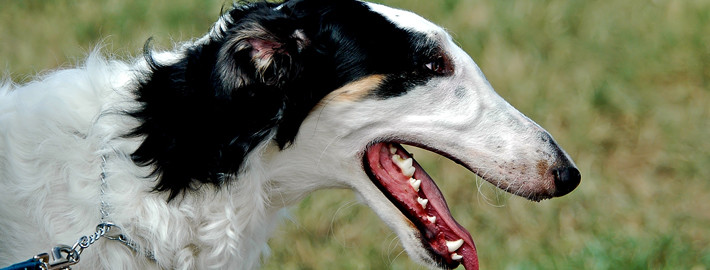
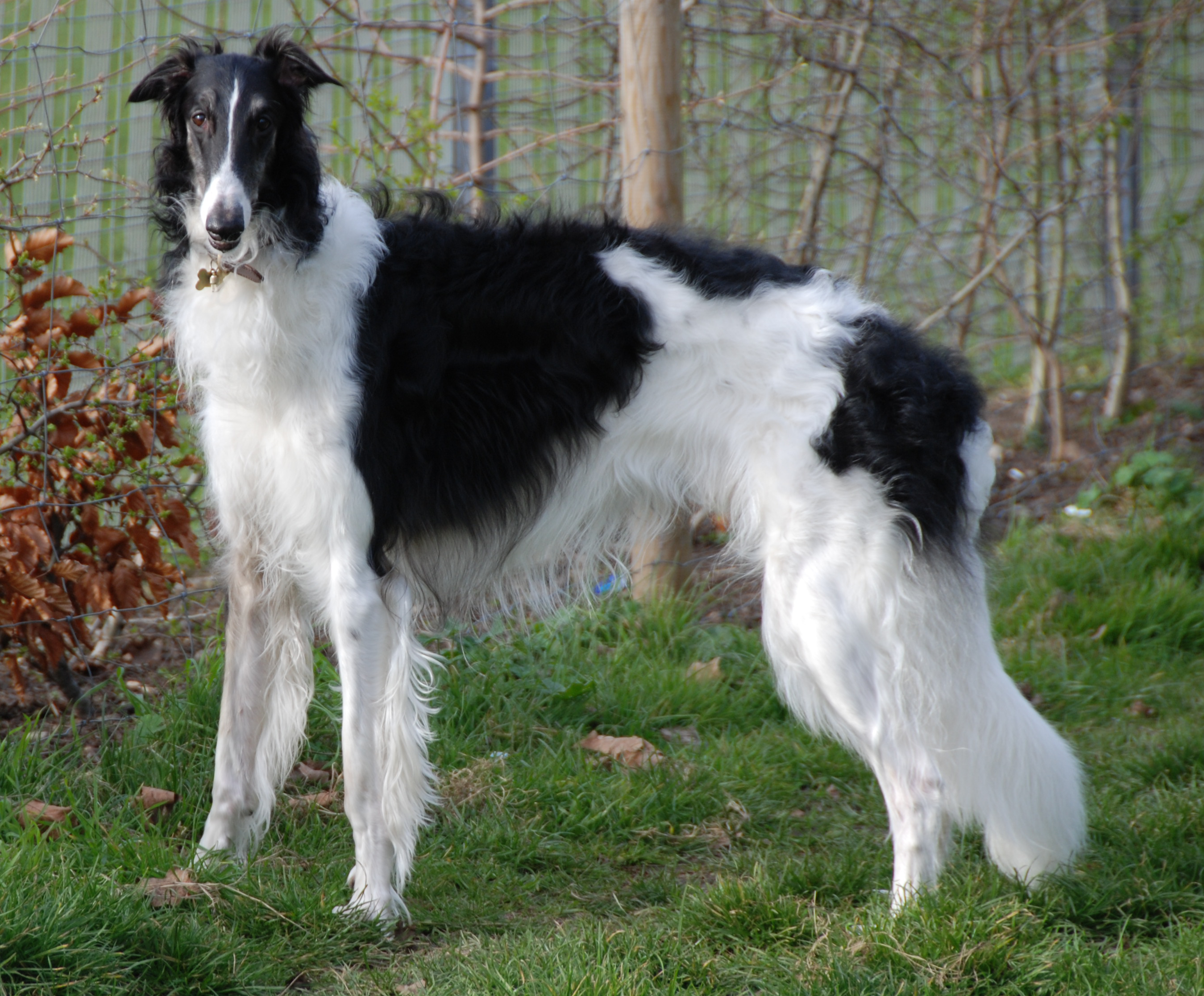
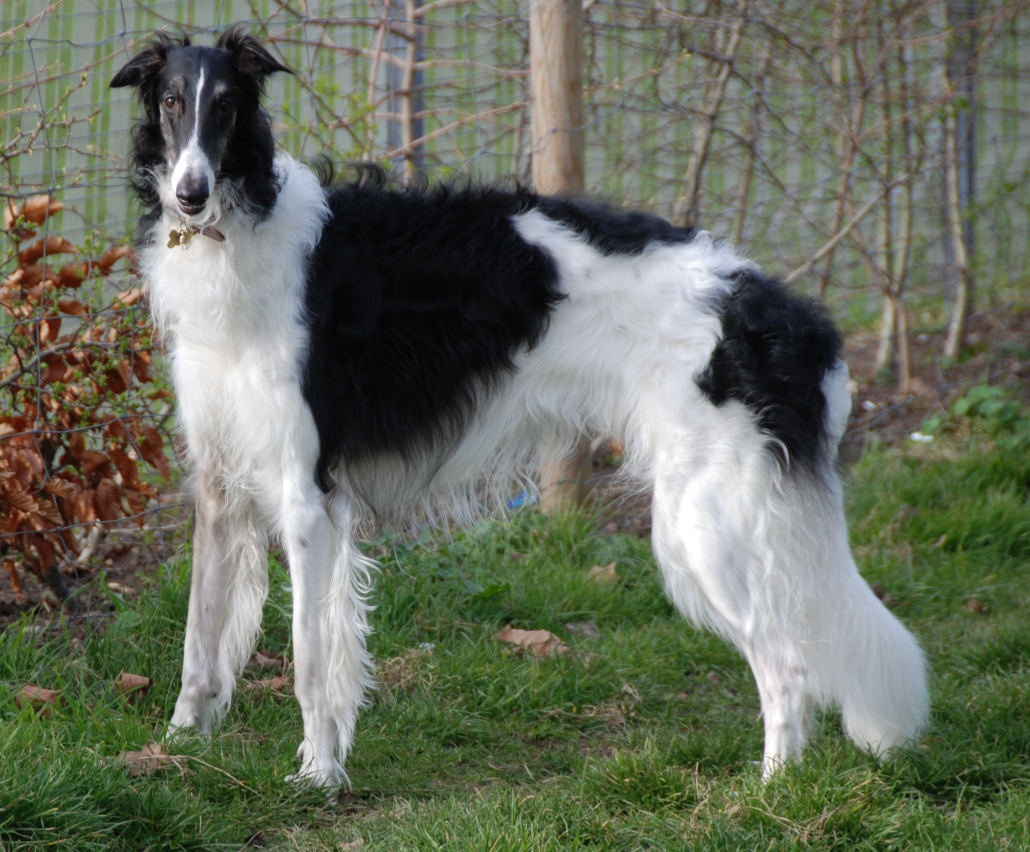
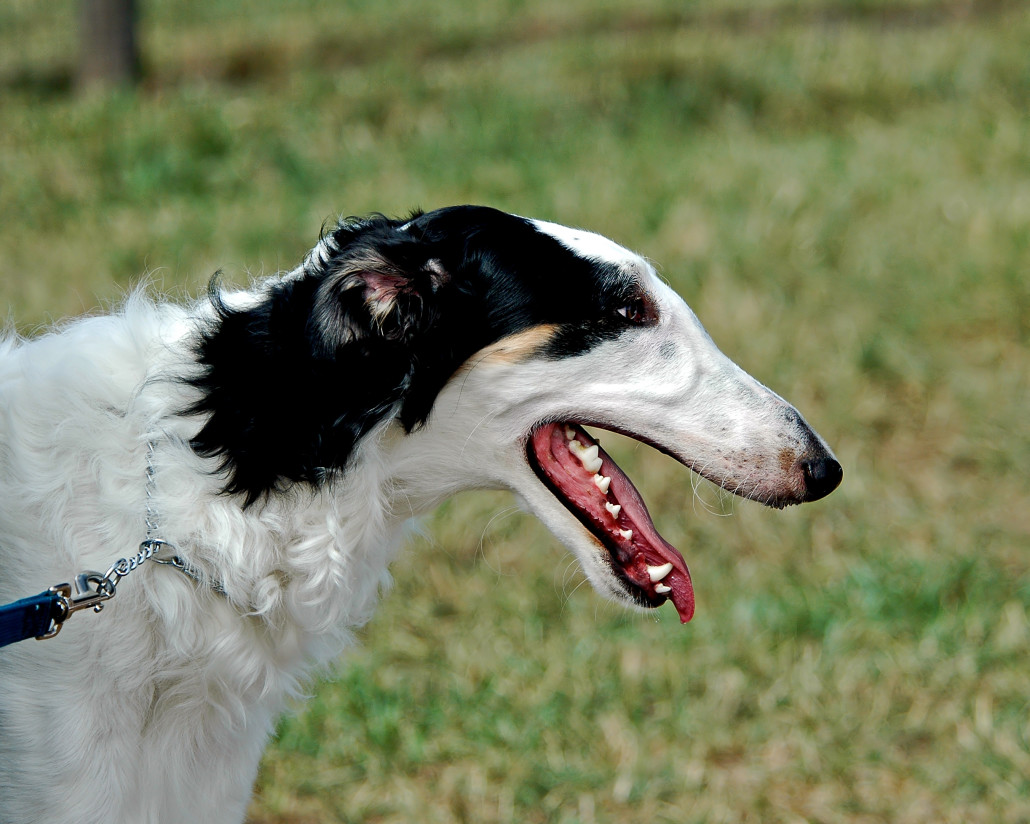
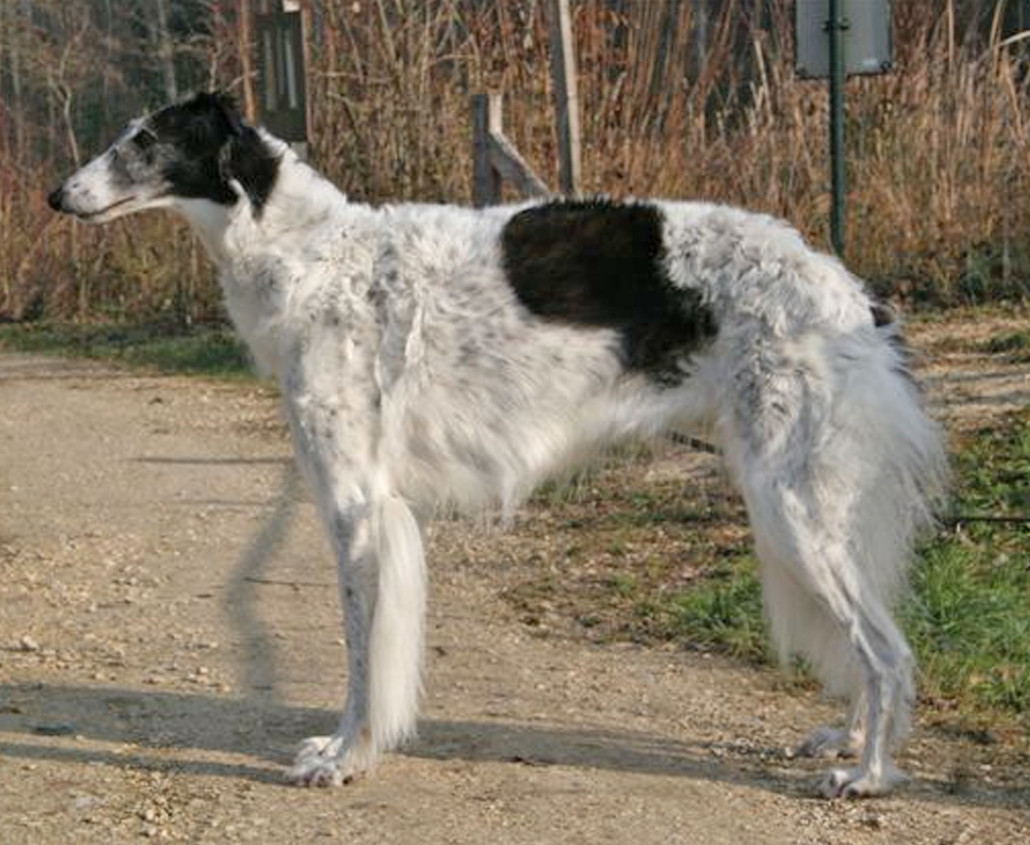
The Borzoi is similar in shape to the greyhound. It has a narrow, slightly domed head, with almost no stop. The long muzzle is slightly arched. The teeth meet in a level or scissors bite. The large nose is black. The dark eyes have a slant to them. The small ears lay back on the head. The back line is arched slightly upward and the chest is narrow, but deep. The front legs are straight. The tail is set low with a curve. The coat is long, silky, flat, or wavy.

Borzois are active outdoors, quiet indoors. They are intelligent, sensitive, and reserved around strangers. They will chase small animals or big animals, and care must be taken to make sure they are trained. Some say they are generally good with children, but precaution should be taken as many sources indicate they do not take kindly to teasing.

In 5 Words

  • Athletic
  • Gentle
  • Quiet
  • Respectful
  • Intelligent

Characteristics


Exercise
Friendliness
Trainability
Watchdog
Health Issues

Learn About the Borzoi


Description

General Description

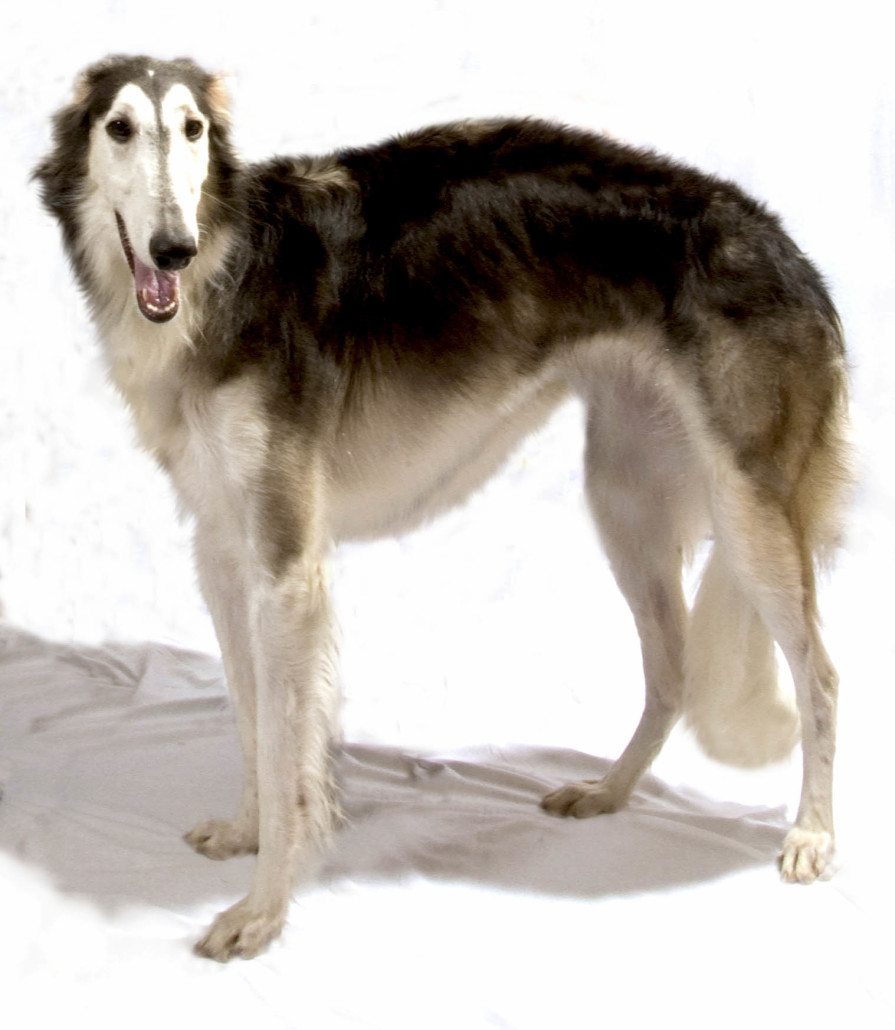
These dogs are built rather like greyhounds with slightly arched backs and deep, narrow chests but this breed is much larger and stronger overall. They have a narrow, slightly domed head that has almost no stop. Their long, slightly arched muzzles have teeth that meet in a level or scissors bite. Borzois have black noses and dark slanted eyes. Their small ears lay back on their heads.  Their curved tails are carried low. When standing still or in motion, the breed should be elegant and graceful, with nicely flowing lines.

Size

Males of this breed average slightly less than 28 inches in height and have a weight between 75 and 100 pounds. Female Borzois are slightly smaller. On average, they weight between 60 and 85 pounds. They are also generally stand about 26 inches high at the withers.

Coat

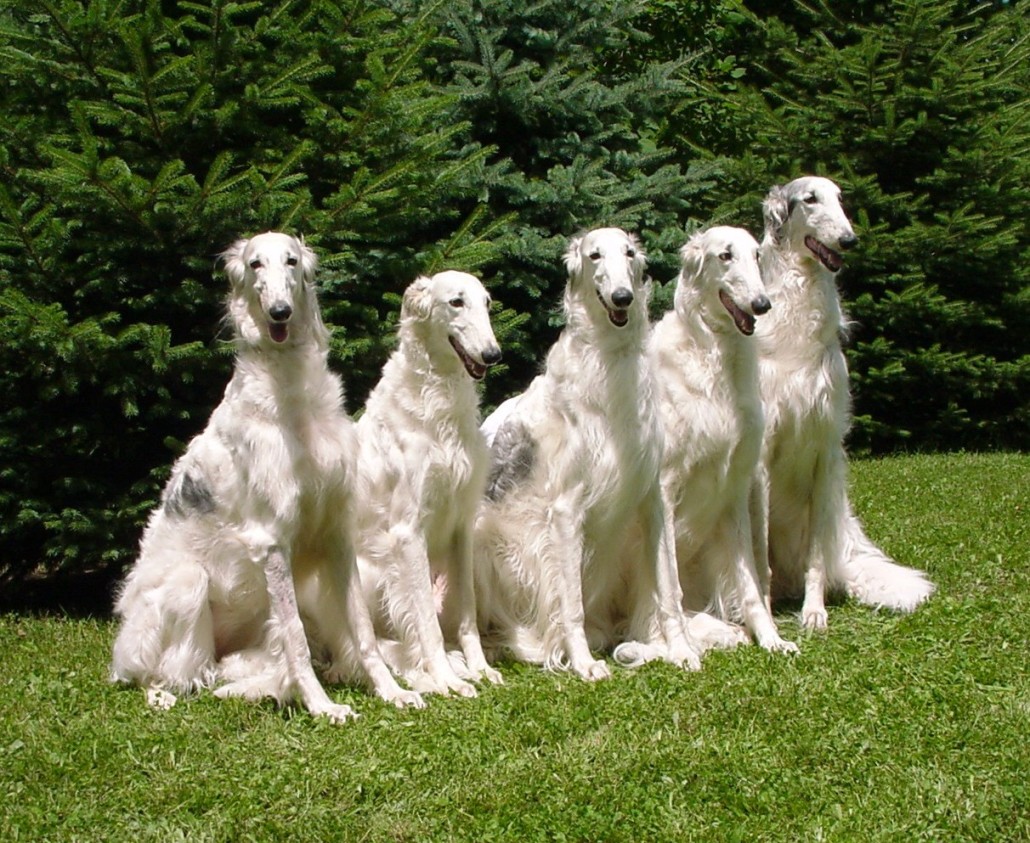
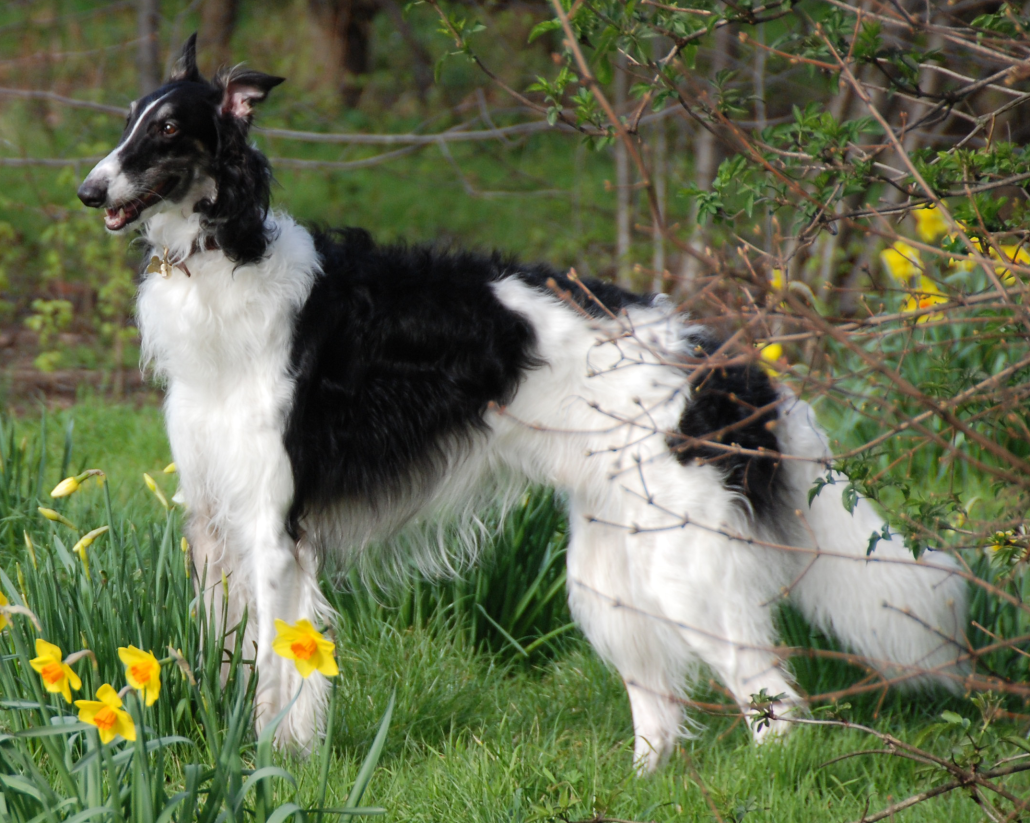
These dogs have a long, thick coat that can be silky, flat, or wavy. This provides them with protection against the frigid Russian winters. They have hair on their tails, necks, and hindquarters that is lengthier than that on the rest of their bodies. Borzois also come in a variety of colors. White, tan, black, grey, and golden hues are all common colorations. This breed can have black or golden markings. Mixed colorations are also permitted.

Short History

Short History of the Borzoi

The Borzoi breed has been in existence since the 1500s, if not before then. The breed had a curious beginning. A notable story involves a Russian duke tried to import several Arabian sight hounds, but the cold weather proved hazardous to the health of these breeds. He then began crossing the Arabian breeds with native long legged shepherd dogs and Tartar coursing hounds to produce the cold-resistant dogs that are now known as the Borzoi.  These dogs may share ancestors with the Greyhounds and the Lapp sled dogs. In the beginning there were several different Borzoi strains such as the Borzoi Tartar, the Sudanese Borzoi, and the Turkoman Borzoi.

These dogs had been bred by the Russian aristocracy for the purpose of hunting wolves and could hunt in packs that numbered as many as a hundred dogs. It was more typical for Borzoi to track their prey in groups of three. The trio would simultaneously attack and thrown down a wolf so that their owners could either dispatch or release the animal, as they saw fit. Borzois were usually given away as gifts by the Russian who tended to keep them as pet and they were also popular with the Imperial family as well. Around the1850s, the breed made its way to Britain. By the 1890s, this breed had found a home in the United States as well. In 1981, Borzois were officially recognized by the American Kennel Club (AKC).

During the 1917 Russian Revolution, this breed almost became extinct because these were seen as a royal icon and subsequently killed. The exported Borzois were the reason the breed survives to this very day. In the early Hollywood era, these dogs became known for being the glamourous pets of movie stars but today Borzois are more commonly lure coursing contestants or show dogs. However, they may also be used to control coyote populations in the American West and other areas.

Temperament

Temperament

Borzois are generally well-manned dogs indoors, but will chase anything that runs when they are outside. Therefore, they are not recommended for families with cats or other small animals. This breed will also pursue large animals so caution should be exercised if the dogs are going to be around cattle and/or sheep. This breed is said to be generally good with children but they may not be playful enough to suit some families. Borzois do not handle roughhousing or teasing well so owners should also be aware of this fact.  Most of these dogs are also aloof around strangers. However, Borzois are known to be affectionate towards their families.


Caring for Your Borzoi


Health

General Health

These dogs generally live between 10 and 12 years in good health. However, this breed is prone to bloat. Large meals should be avoided, but rather should have small meals two or three times a day and exercise after meals should be avoided. These dogs are additionally sensitive to drugs, especially anesthesia. Gastric torsion is a major problem for Borzois. These dogs are also not recommended for owners who live in warm climates as they respond badly to the heat. Owners may also want to serve food to their pet in a raised dish to prevent these tall dogs from  having to bend down far to reach their meals.

Grooming & Bathing

Grooming & Bathing

These dogs should be either dry shampooed or bathed on a regular basis but are typically considered a clean breed. Borzois may also need their toenails clipped and the hair that grows on their feet trimmed every so often.

Care

Daily

This breed needs plenty of exercise. Long daily walks are recommended and Borzois should not be allowed off the leash but these dogs will chase small animals if given the opportunity to do so. They will also need ample playtime in a large, fenced-in area every day.

Weekly

Their coats should be brushed regularly two to three times a week to keep them from shedding everywhere. It is recommended that owners use a sturdy bristle or pin brush while grooming their dogs and check for mats that may have formed at the leg joints or behind the ears. These should be snipped free when noticed. Owners may also want to brush their pet’s teeth regularly to prevent bad breath and the onset of periodontal disease.

Monthly

All dogs require flea, heartworm and tick medications on a monthly basis.

Exercise & Training

Exercise & Training

It is recommended that owners start training their dogs when they are young to prevent them from indulging in destructive behaviors. These dogs are not considered difficult to housebreak and can be easily taught basic indoor manners. Training can be a challenge after that, though, if owners don’t exert any effort in making learning fun for their dogs. Reward based training is an effective method with this breed. Yet these independent dogs respond badly to harsh punishments because they tend to be quite sensitive and some are incredibly timid. Yelling at them will only make the situation worse. Of course, Borzois are very active animals and need a lot of exercise to be content in their environment. They can happily live outdoors in temperate environments if they have other pets for company. Otherwise, these dogs should sleep indoors with their human families.

Sources: Previously written materials, Animal Planet, American Kennel Club, WOOF-pedia, VetStreet

Borzoi Picture Gallery


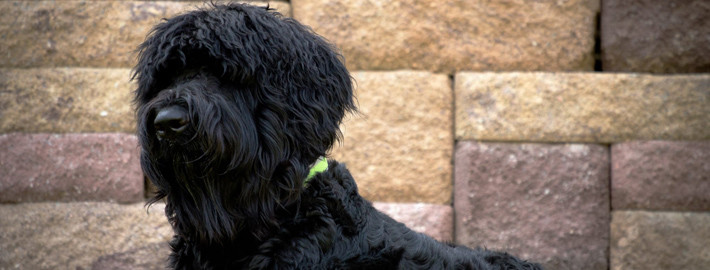
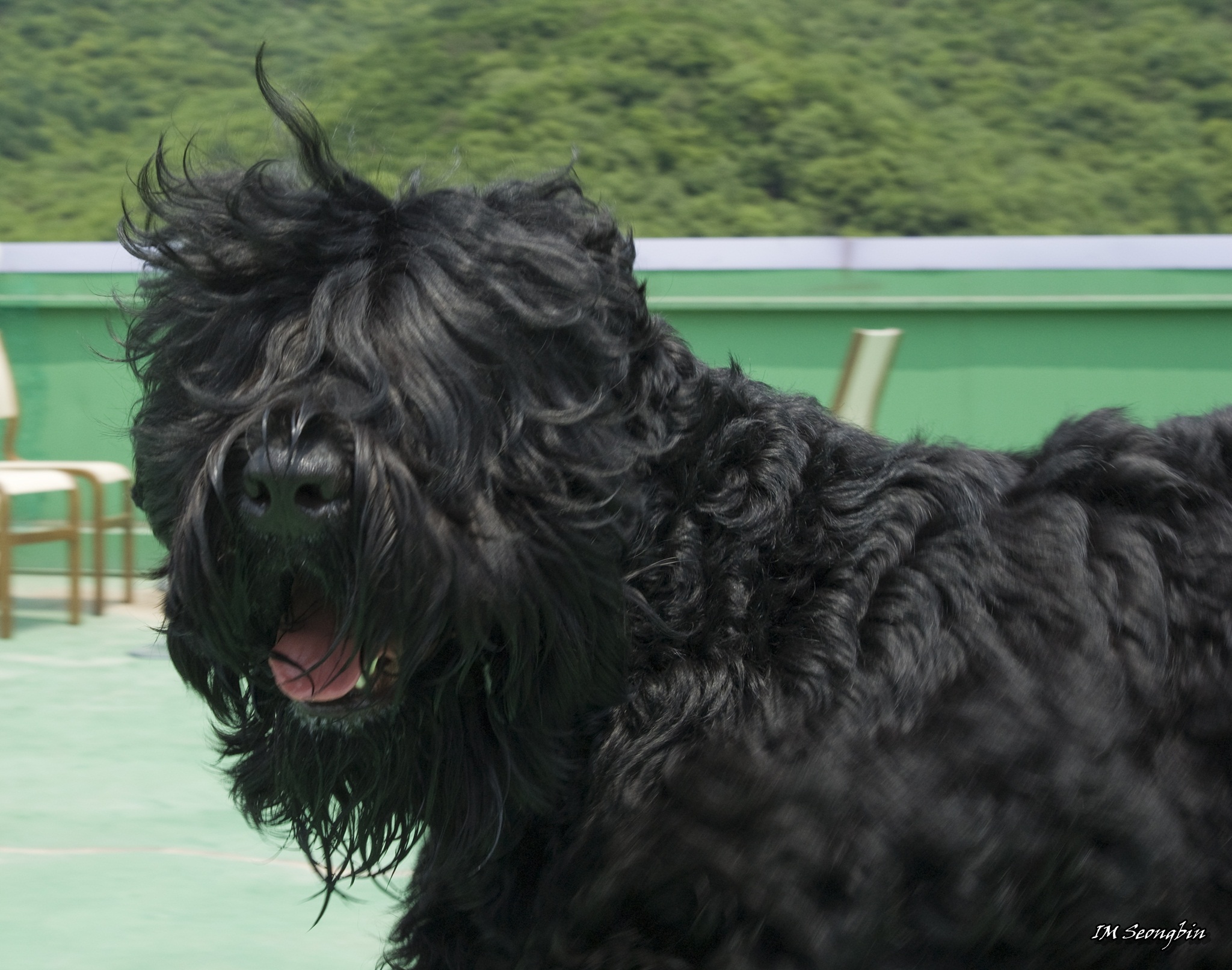
Black Russian Terrier

BLACK RUSSAIN TERRIER – Canine Housemates


What makes the Black Russian Terrier Unique?


Although these intelligent dogs were originally bred for police work, Black Russian Terriers make wonderful family pets. Members of this breed are easily trained and great with children. Their placid temperaments and hardworking natures have won these dogs many admirers throughout the world.

Breed Groups

  • Working Dog Breed
  • Larger Size

SnapShot

Size: Males – 66 to 72 cm (26 to 28 inches)
Females – 64 to 70 cm (25 to 28 inches)
Weight: Males – 36.3 to 59 kg (100.1 to 149.9 pounds)
Females – 45.4 to 68 kg (80 to 130.1 pounds))
Origin: Russia
Life Span: 10 – 11 Years
Colour: Salt & Pepper, Black
Litter Size: 6 to 12 puppies

Fun Fact

DESPITE THE WORD TERRIER IN HIS NAME, THE BLACK RUSSIAN TERRIER IS A MEMBER OF THE AMERICAN KENNEL CLUB’S WORKING GROUP.

Is the Black Russian Terrier Right For You?

BRTs can be wonderful dogs with children. They can be very gentle and quite  tolerant of children. They will protect their children. But you must  remember that your BRT will outweigh most children, play roughly, and could injure a small child  just with rough play. Please make sure  that you supervise and train your children to respect and treat the dog well.  If you have very small children  who are just learning to walk, you may want to wait until they are older before  getting a BRT.

BRTs are territorial dogs.  They are dogs that can be good with other dogs and with cats as long as they have had good experiences with them, but even training and socialization will not guarantee  their acceptance of other animals. Do not get this dog assuming that it will fit  in with an existing group of dogs.  Many of them  will, but some are dog aggressive. If you have an adult male dog already and you  are getting a new puppy, you should consider a female BRT and vice versa. This is  not to say that two males cannot get along but males especially have a tendency  to want to dominate each other. We do not recommend placing two males together who are close in age.   We also suggest that if you have existing pets in the family that you bring a puppy into the home rather than an adult.


In 5 Words

  • Lively
  • Energetic
  • Confident
  • Stable
  • Brave

Characteristics


Exercise
Friendliness
Trainability
Watchdog
Health Issues

Learn About the Black Russian Terrier


Description

General Description

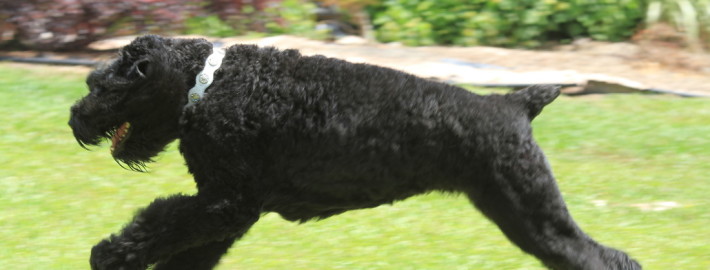
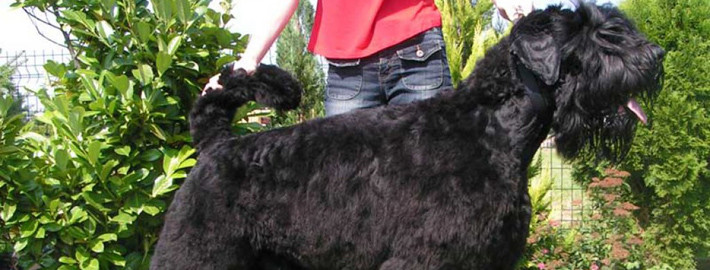
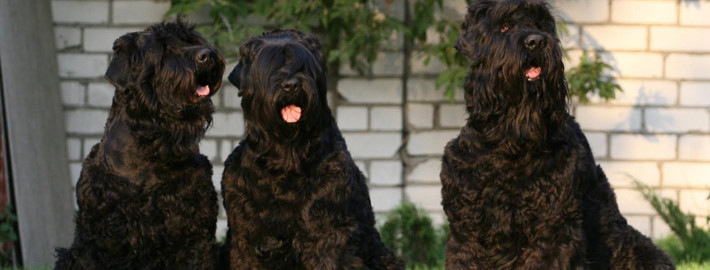
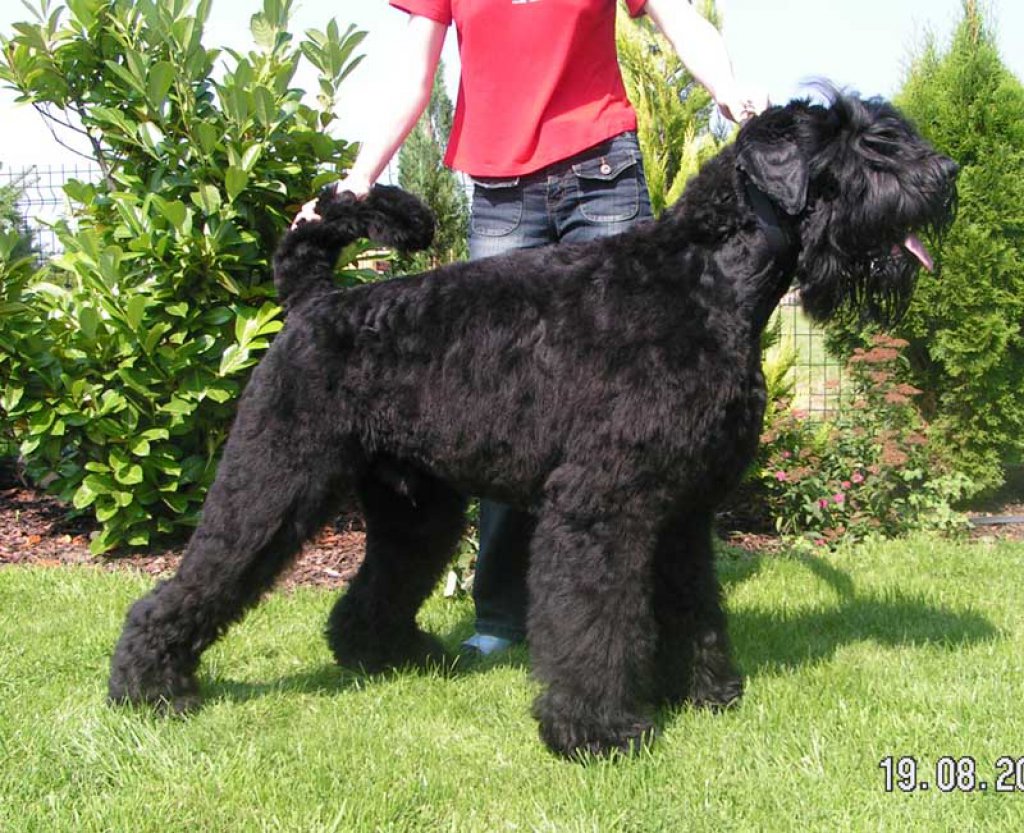
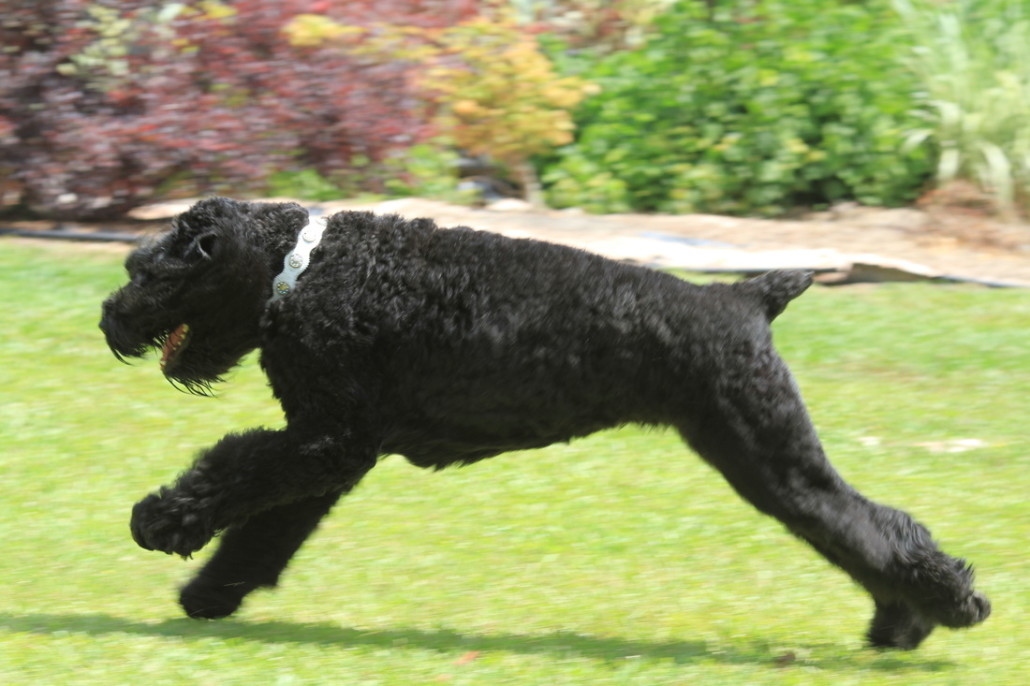
These robust dogs are large, powerful, and athletic. Black Russian Terriers should be slightly longer than they are tall and well muscled. These dogs should have wide-set black eyes and a strong, tapered muzzle with a black nose. Black Russian Terriers have high set, triangular ears. Their heads should be in proportion to their bodies and their teeth should meet in a scissors bite. These dogs have thick necks, strong bodies, and dense double coats. Thier tails are carried somewhat high at a 45 degree angle.

Size

Male dogs can measure between 27 and 30 inches at the withers. However, the ideal height for show dogs is between 27 and 29 inches. Female dogs can similarly be up to 29 inches tall, but the preferred height for show dogs is between 26 and 28 inches.

Coat

Black Russian Terriers come with coats that are either black or salt and pepper in color. Their coats should vary from 1.5 to 4 inches in length because longer fur can inhibit the breed’s working ability. These dogs also have a waterproof outer coat that will repel water and an undercoat that serves to protect them from the cold.

Short History

Short History of the Black Russian Terrier

Despite the fact that the first World War and the Russian Revolution had depleted Russia’s stock of purebred dogs, there was nonetheless a desire for animals that could be part of the nation’s security forces. In the 1930s, the Red Star Kennel near Moscow began trying to breed dogs to fulfil this growing need. The program really got underway once World War II was over.

A total of 17 different breeds were used in the creation of the Black Russian Terrier, including Giant Schnauzers, Rottweilers, Airedales, and Newfoundlands. The Black Russian breed was created to be large, reliable, and resistant to the harsh Russian winters. Initially, these dogs were used by military police for various purposes.

Around 1956, these dogs began breeding true to type and were therefore released to the public. Two years later, a breed standard was developed by the Red Army and it went through many different revisions as time progressed. Black Russian Terriers were officially recognized by the Federation Cynologique Internationale (FCI) in 1984, though the Russian Ministry of Agriculture had given them official status three years prior.

By the 1980s, the Black Russian Terriers had made their way to the United States. This breed was admitted to the American Kennel Club (AKC)’s Miscellaneous Class in 2001. Three years later, the Black Russian Terrier was accepted by the same organization as a working breed.

Temperament

Temperament

Black Russian Terriers are alert, responsive, and courageous. These calm creatures are incredibly loyal and have the endearing habit of shadowing their family members. These dogs are also especially good with children. However, due their large size, Black Russian Terriers are not recommended for families with toddlers or small children because the dogs may accidentally knock the youngsters over.

This breed tends to be wary of strangers.  Black Russian Terriers will need proper socialization from an early age so that they are accurately able to determine what is a threat and what is not. As a general rule, these dogs tend to be accepting of their family’s smaller dogs and cats but may not behave kindly towards strange animals. Some Black Russian Terriers are nonetheless dog aggressive. To avoid future difficulties, prospective owners who already have other pets should adopt a puppy that is the opposite gender of their alpha dog.


Caring for Your Black Russian Terrier


Health

General Health

The Black Russian Terriers are generally healthy dogs but, as with any other breed, there are a number of health concerns of which prospective owners need to be aware.  Black Russian Terriers are prone to hip dysplasia, elbow dysplasia, hyperuricosuria, and progressive retinal atrophy (PRA). In order to avoid these problems, it is best to purchase puppies from reputable breeders.

Grooming & Bathing

Grooming & Bathing

These dogs should be bathed once every two to three months to keep them looking their best. They will also need two to three haircuts per year.

Care

Daily

This highly active and athletic breed needs two 20 minute walks per day. These dogs enjoy walking at a brisk pace but will happily jog or run alongside their owners. Black Russian Terriers will greatly benefit from participation in dog sports such as agility, obedience, rally, or tracking. A fenced in area for the dogs to play in is also recommended.  The fence will need to be at least six feet in height to keep this breed from escaping. Electronic fences are not recommended for Black Russian Terriers.

Weekly

Black Russian Terriers should be brushed at least once a week to keep shedding down to a minimum. It is also important to cut the hairs under their paws and remove the hairs from their ear ducts on a regular basis. Owners may additionally want to brush their pet’s teeth a few times a week in order to reduce bad breath and prevent periodontal disease.

Monthly

All dogs require heartworm, flea and tick prevention medication on a monthly basis. Black Russian Terriers should  additionally have their nails trimmed once a month.

Exercise & Training

Exercise & Training

These dogs generally excel at learning basic commands and they are fairly easy to housebreak.  Black Russian Terriers will greatly benefit from early socialization and training programs. They also do well with rewards based training.  This breed should be allowed to earn treats and new toys rather than being given these things outright, because this will help them learn correct behavior.

Black Russian Terriers nonetheless require strong, consistent leadership from adult members of their human families. These dogs must not be allowed to think they are in charge. They will also need to trust whoever is training them. It is further recommended that Black Russian Terrier owners have previous experience with large breeds.

Information Sources: Previously written materials, Vetstreet, American Kennel Club website

Black Russian Terrier Picture Gallery

Bichon Frise

Bichon Frise – Powder Puff


What makes the Bichon Frise Unique?


Bichon Frises are energetic balls of white fur that love to cuddle and play with their human families. These happy-go-lucky creatures make good companions for other animals. They are also wonderful with children.

SnapShot

Size: Males – 23 to 30 cm (9 to 12 inches)
Females – 23 to 28 cm (9 to 11 inches)
Weight: Males – 3 to 5 kg ( 6.6 to 11 pounds)
Females – 3 to 5 kg ( 6.6 to 11 pounds)
Origin:  France, Canada, Belgium, Spain
Life Span: 12 to 15 years
Colour: White
Litter Size: 1 to 6 puppies, 5 is being common

Fun Fact

IN 2001, A BICHON NAMED JR (FULL NAME: CHAMPION SPECIAL TIMES JUST RIGHT) WAS NAMED BEST IN SHOW AT THE WESTMINSTER KENNEL CLUB DOG SHOW AT NEW YORK CITY’S MADISON SQUARE GARDEN.

Is the Bichon Frise Right For You?

Originating in the Mediterranean, the Bichon Frise descended from a mixture of Poodles and Water Spaniels. It is believed that Spanish and Italian sailors discovered these dogs and carried them around the world on their voyages, sometimes using them to barter for other goods. European nobility caught the fever, and eventually Bichon Frises were appearing in Renaissance paintings alongside their royal owners. During the late 1800s .

Perky, bouncy and playful, the bichon frise’s happy-go-lucky outlook endears it to all. It is friendly toward strangers and other dogs and pets, and it is very good with children. It is sensitive, responsive and affectionate, as eager to cuddle as it is to play. It can bark a lot.

In 5 Words

  • Playful
  • Feisty
  • Gentle
  • Cheerfu
  • Affectionate

Characteristics


Exercise
Friendliness
Trainability
Watchdog
Health Issues

Learn About the Bichon Frise


Description

Description

General Description

Although the main characteristic of this breed is its fluffy coat, there are a number of other standards that need to be kept in mind. The Bichon should be longer than it is tall. This breed has slightly rounded skulls set with dark round eyes that often show an inquisitive expression. Their noses should be black and their muzzles should not be pointed. On Bichons, both their ears and tails should be in their natural form rather than being docked or cropped. The long, curly tail on this breed is carried over their backs. These dogs should have heads and legs that are in proportion with the rest of their frame. They should be agile and trot effortlessly.

Size

Bichon Frises are small dogs. Most weight between 5 and 10 kilograms (10 and 20 pounds). Dogs of this breed measure about 23 to 30 centimeters (9 to 12 inches) at the withers or shoulder blades. Somewhat larger dogs are not uncommon, however.

Coat

This breed has a double-coat of solid apricot, grey, or white but white is the preferred color in the show ring. The undercoat is soft, while the curly, coarse outer coat stands off from the body. The fur of a Bichon may spring back when it is handled. Some have curlier coats than others do. By comparison, the undercoat is silky and dense. Markings in apricot, cream, or buff shades are allowed on dogs’ paws, snout, ears, and/or body. These areas should account for less than 10% of a dog’s fur. Bichons often have their coats trimmed so that their coat seems an even length.

Short History

Short History of the Bichon Frise

Originating from a cross between Poodles and Water Spaniels, the Bichon Frise breed comes from the Mediterranean. It is thought that these good natured dogs were often bartered for goods by sailors on both Spanish and Italian ships. Eventually the Bichons caught the interest of European nobility, catching even the interest of the royal courts. Their popularity waned temporarily during the 1800s as they became common as show dogs. However, after being recognized by the French Kennel Club in 1934, the Bichon Frises returned to popularity.

Temperament

Temperament

These dogs are incredibly affectionate and require human interaction to be happy. Bichons are at their best when they are included in an active family that lets them tag along on outings. They are tolerant of other animals and fine in the company of strangers. Nonetheless, this breed also makes a good watchdog and is prone to boredom barking if left to its own devices. These dogs are reasonably obedient but are prone to behavior issues if they are not properly trained to regard their owners as being in charge.


Caring for Your Bichon Frise


Health

General Health

    Bichon Frises are prone to bladder problems such as infections and stones. To prevent bladder stones from forming their diets should be carefully monitored. Bladder infections are indicated by frequent urination, bloody urine, or difficulty in urinating. Loss of appetite can also occur. Both problems should be treated by qualified veterinarians.

Another problem for this breed is allergies. While food and contact allergies are the norm, Bichons may also be allergic to flea bites. Scratching, face rubbing, and paw licking are signals that a dog is allergic to something and one’s vet is a good source for figuring out what that is. In a similar vein, a number of Bichons suffer from vaccination sensitivity. This condition may result in hives, lethargy, soreness and facial swelling. Owners should keep an eye on their pets after any vaccinations and call the vet immediately if they notice any of the aforementioned symptoms.

Joint problems are yet another concern. Bichon Frises are prone to patellar luxation or dislocation of the knee cap. The condition ranges from serious to mild, depending on the dog. They are also prone to hip dysplasia, a condition in which the hip and thigh do not fit together properly. This ailment can be a precursor to arthritis, but can cause a number of other problems.

Puppies should be tested for hip dysplasia prior to being sent home with their new owners. These pups should also come from breeding stock that has been certified by the Canine Eye Registration Foundation (CERF). This preventative measure will help owners avoid dogs that might have juvenile cataracts, a condition thought to be hereditary.

Care

Daily

A Bichon Frise will need a short daily walk in order to avoid weight gain and prevent boredom. Playing games with these dogs and teaching them tricks are other good ways for them to get their exercise. This breed also requires a daily brushing.

Weekly

In order to prevent the onset of periodontal disease, it is a good idea for pet owners to brush their dog’s teeth on a regular basis. There a number of products currently on the market for pets.

Monthly

These dogs require professional grooming from time to time in order to prevent matted fur. All dogs require flea, tick and heartworm prevention medication on a monthly basis.

Juvenile Cataracts

Cataracts sometimes develop in relatively young (less than six years old) Bichons. This is thought to be hereditary. When buying a Bichon puppy, be sure to ask if the breeder her breeding stock is certified by the Canine Eye Registration Foundation (CERF), and ask to see the certificates yourself.

Grooming & Bathing

Grooming & Bathing

Although they do not really need regular brushing as puppies, it is a good idea nonetheless to get these dogs accustomed to the procedure so grooming does not become difficult once the Bichon Frise reaches the age it is needed. This breed is prone to rust colored tear stains around their eyes, which can have various causes. Hair should be clipped out of the dog’s eyes to prevent this condition from occurring but, even so, it may be caused by allergies. Eye drops that are not medicated can be used regularly to prevent tear stains. Bichons should have their nails trimmed and ears cleaned out on an as needed basis.

Exercise & Training

Exercise & Training

Although they can be somewhat hard to housebreak, Bichons will greatly benefit from basic obedience training at an early age. These intelligent, sensitive dogs learn quickly but do best with positive reinforcement training methods. Praise and treats work very well as rewards for this breed. Bichons react badly to harsh verbal or physical discipline. When exposed to such methods, these dogs may refuse to do anything at all rather than get themselves in trouble.

Bichon Frise Picture Gallery

Bernese Mountain Dog

BERNESE MOUNTAIN DOG – Alpine Pasture


What makes the Bernese Mountain Dog Unique?

The Bernese mountain dog is slightly longer than tall, though it appears square. It is a sturdy, large, hardy dog capable of both draft and droving work. This requires a combination of strength, speed and agility. Its natural working gait is a slow trot, but with good reach and drive. Its thick coat is moderately long, and slightly wavy or straight, providing insulation from the cold. Its expression is gentle, and its coloring is striking.

The Bernese mountain dog is an easygoing, calm family companion (that is, after it leaves its adolescent stage). It is sensitive, loyal and extremely devoted. It is gentle with children and often reserved with strangers. It generally gets along well with other dogs and pets.

SnapShot

Size: Males – 64 to 70 cm (25 to 28 inches)
Females – 58 to 66 cm (23 to 26 inches)
Weight: Males – 39 to 50 kg (86 to 110.2 pounds)
Females – 36 to 48 kg (79.4 to 105.8 pounds)
Origin: Switzerland
Life Span:  7 to 8 years
Colour: Tricolor (black, rust, and white)
Litter Size: 1 to 14  puppies, 8 is being common

Fun Fact

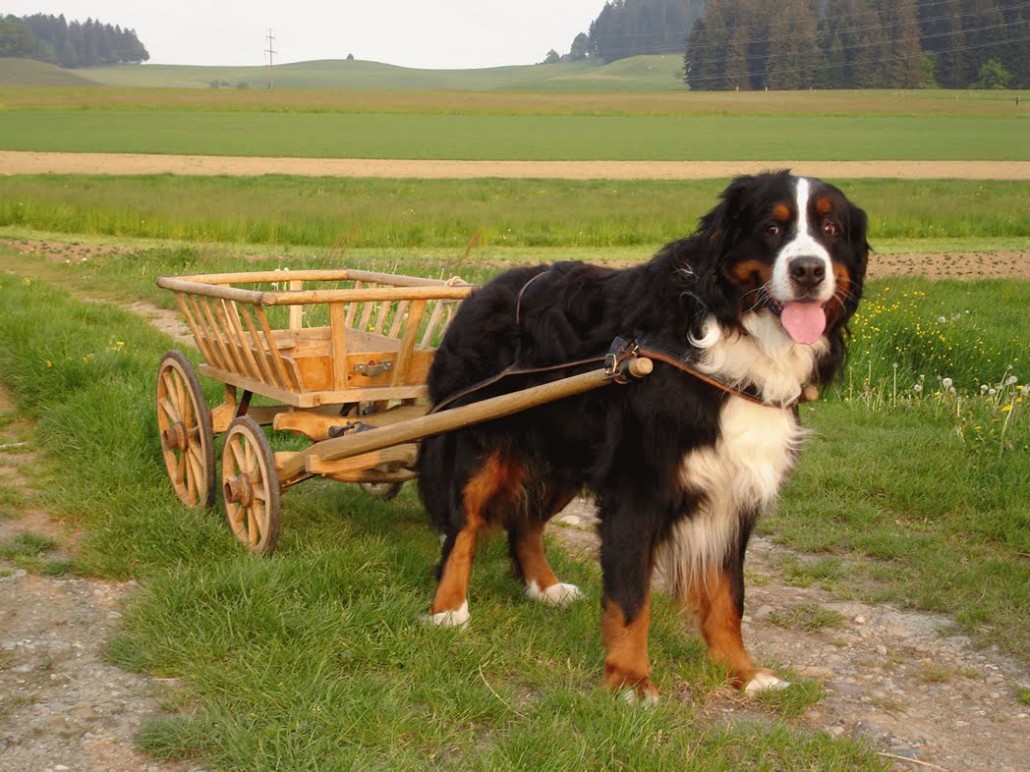
HE’S NOT A BERNICE MOUNTAIN DOG OR A BURMESE MOUNTAIN DOG. HE TAKES HIS NAME FROM THE SWISS CANTON OF BERN, WHERE HE WAS A VALUED FARM DOG WHO EXCELLED AT PULLING CARTS.

Is the Bernese Mountain Dog Right For You?

The Bernese Mountain Dog, like every dog, is descended from the wolf. Historically, in some locales at least, the breed was called a Dürrbachhund . the breed was used as an all purpose farm dog for guarding property and to drive dairy cattle long distances from the farm to the alpine pastures. The type was originally called the Dürrbächler, for a small town (Dürrbach) where the large dogs were especially frequent.

The Bernese mountain dog is an easygoing, calm family companion (that is, after it leaves its adolescent stage). It is sensitive, loyal and extremely devoted. It is gentle with children and often reserved with strangers. It generally gets along well with other dogs and pets.

In 5 Words

  • Loyal
  • Faithful
  • Intelligent
  • Affectionate
  • Loving

Characteristics

Exercise
Friendliness
Trainability
Watchdog
Health Issues

Learn About the Bernese Mountain Dog


Description

Description

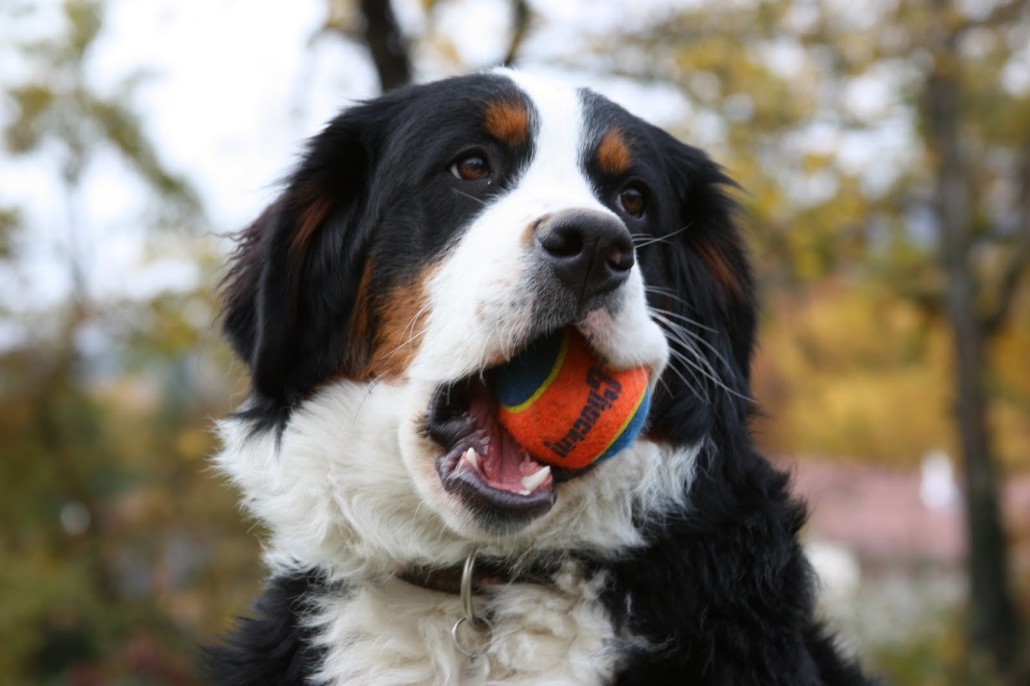
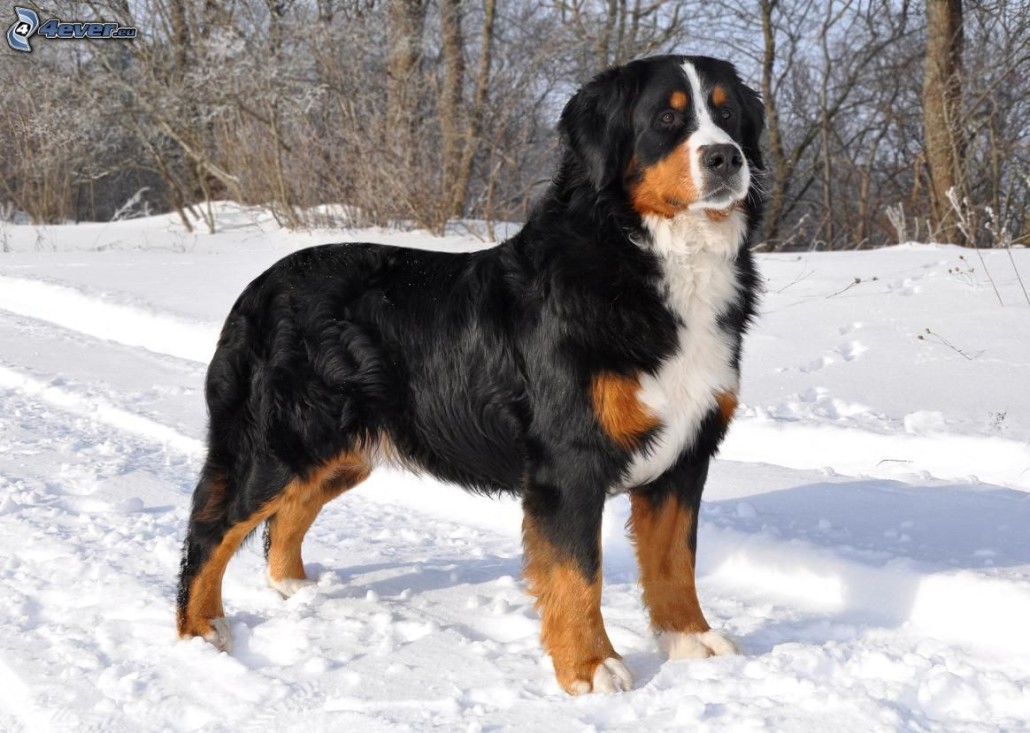
The Bernese Mountain Dog is a large, strong, sturdy, agile dog. The body is slightly longer than it is tall. The broad head is flat on the top with a moderate stop. The muzzle is strong and straight. The teeth meet in a scissors bite. The medium-sized, triangular ears are set high and rounded at the tip. The straight legs are strong. The bushy tail is carried low. Dewclaws are often removed. The feet are round with arched toes. The weather-resistant coat is moderately long, thick and slightly wavy or straight. The dog is tricolor with symmetrical markings of black, rust and white. The base of the dog is black. The dog has a white blaze on the chest, and white on the head, toes and tip of the tail. Rust is on the cheeks reaching to the corners of the mouth, over each eye, on each side of the chest, on all four legs and underneath the tail.

Short History

Short History of the Bernese Mountain Dog

The Bernese Mountain Dog, like every dog, is descended from the wolf. Historically, in some locales at least, the breed was called a Dürrbachhunde.

The breed was used as an all purpose farm dog for guarding property and to drive dairy cattle long distances from the farm to the alpine pastures. The type was originally called the Dürrbächler, for a small town (Dürrbach) where the large dogs were especially frequent. In the early 1900s, fanciers exhibited the few examples of the large dogs at shows in Berne, and in 1907 a few breeders from the Burgdorf region founded the first breed club, the “Schweizerische Dürrbach-Klub”, and wrote the first Standard which defined the dogs as a separate breed.

By 1910, there were already 107 registered members of the breed. There is a photo of a working Bernese Mountain Dog, dated 1905 at the Fumee Fall rest area in Quinnesec, MI.

Temperament

The temperament is self-confident, alert and good-natured, never sharp or shy. The Bernese Mountain Dog should stand steady, though may remain aloof to the attentions of strangers.

The Bernese Mountain Dog is a moderately active breed. He isn’t hyper, but because of his working background he does need some focused daily exercise for about 30 minutes. He also loves the outdoors, and makes an excellent hiking or camping companion.

Bernese Mountain Dogs also get along very well with most other animals, including other dogs and cats. As with any dog though it is important to make sure a puppy is well socialized and exposed to other pets in a positive environment.


Caring for Your Bernese Mountain Dog


Health

General Health

The Swiss say: “Three years a young dog, three years a good dog, and three years an old dog…all else, a gift from God.” [Quoted from the BMDCSEW Puppy Buyer’s Guide.] Some of the health issues affecting this breed include hip and elbow dysplasia, cancer, bloat, sub-aortic stenosis, autoimmune diseases, thyroid disorders, eye diseases, and skin and coat problems.

If you are considering the adoption of a Bernese Mountain Dog puppy, or any breed, it is very important to be selective in choosing a responsible and reputable breeder. Ensure that the prospective puppy’s parents have all health clearances. This should include, among others, hip and elbow x-rays to exclude hip and elbow dysplasia and eyes should be checked to see that they are normal and PRA clear.

Grooming & Bathing

Grooming & Bathing

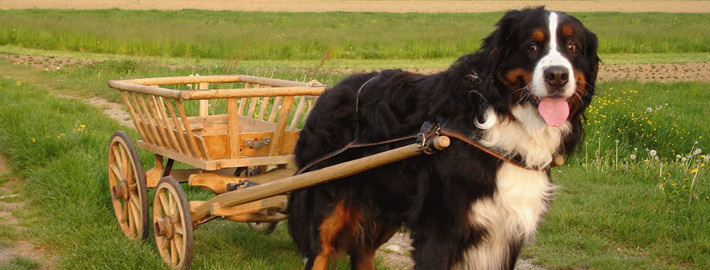
The Bernese calm temperament makes them a natural for pulling small carts or wagons, a task they originally performed in Switzerland. With proper training they enjoy giving children rides in a cart or participating in a parade. The Bernese Mountain Dog Club of America offers drafting trials open to all breeds; dogs can earn eight different titles — four as individual dogs (Novice Draft Dog, Advanced Novice Draft Dog, Draft Dog, and Master Draft Dog) and four brace titles, in which two dogs work one cart together. Regional Bernese clubs often offer carting workshops.

On July 1, 2010 the Bernese Mountain Dog became eligible to compete in AKC Herding Events. Herding instincts and trainability can be measured at noncompetitive herding tests. Berners exhibiting basic herding instincts can be trained to compete in herding trials.

Exercise & Training

Exercise & Training

Large active dogs such as these need regular exercise, which includes a long daily walk. It needs daily but moderate exercise, either a good hike or a walk on leash. It enjoys pulling. Although it can physically live outdoors in temperate to cold climates, it is so in tune with its human family that it cannot be relegated to life alone in the yard.

.

Bernese Mountain Dog Picture Gallery

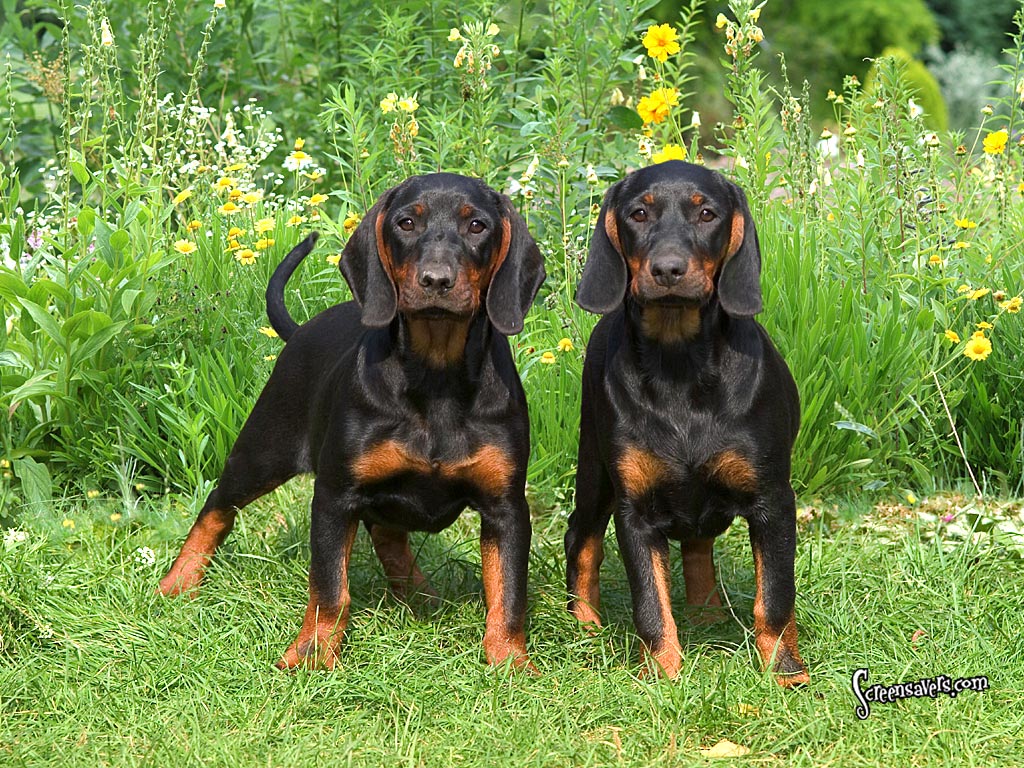
Black and Tan Coonhound

BLACK and TAN COONHOUND – Exemplary Pet


What makes the Black and Tan Coonhound Unique?


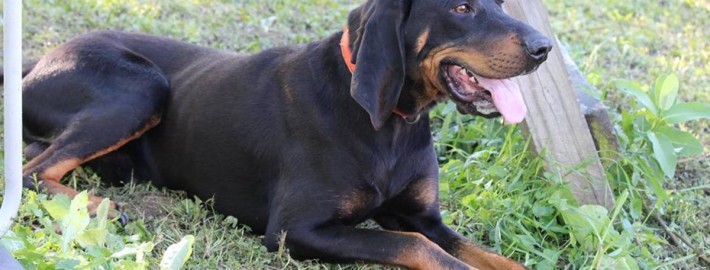
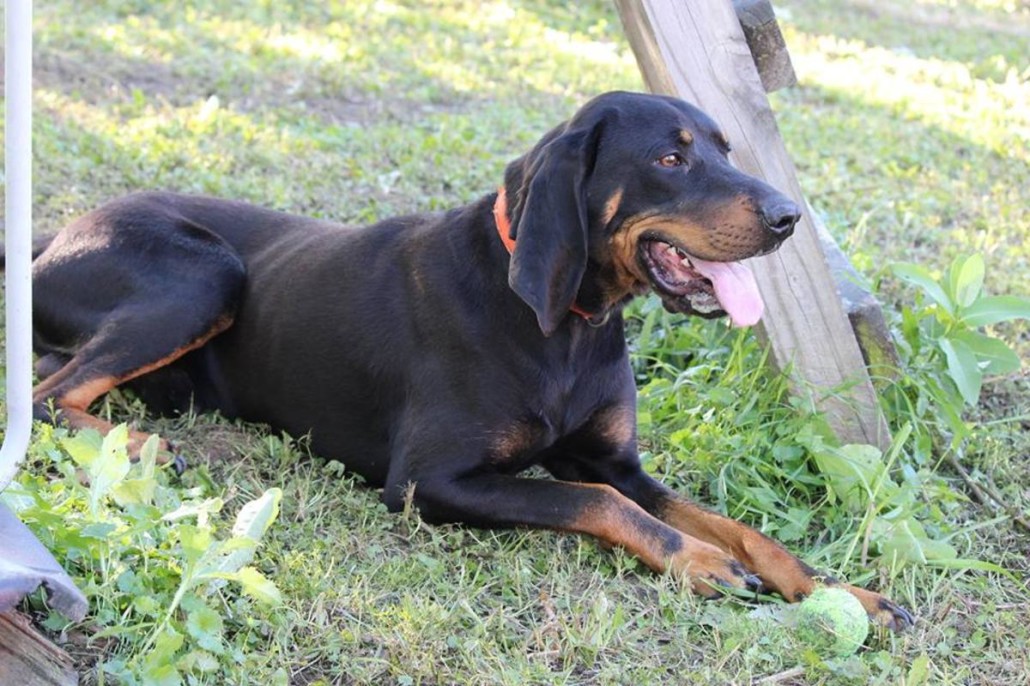
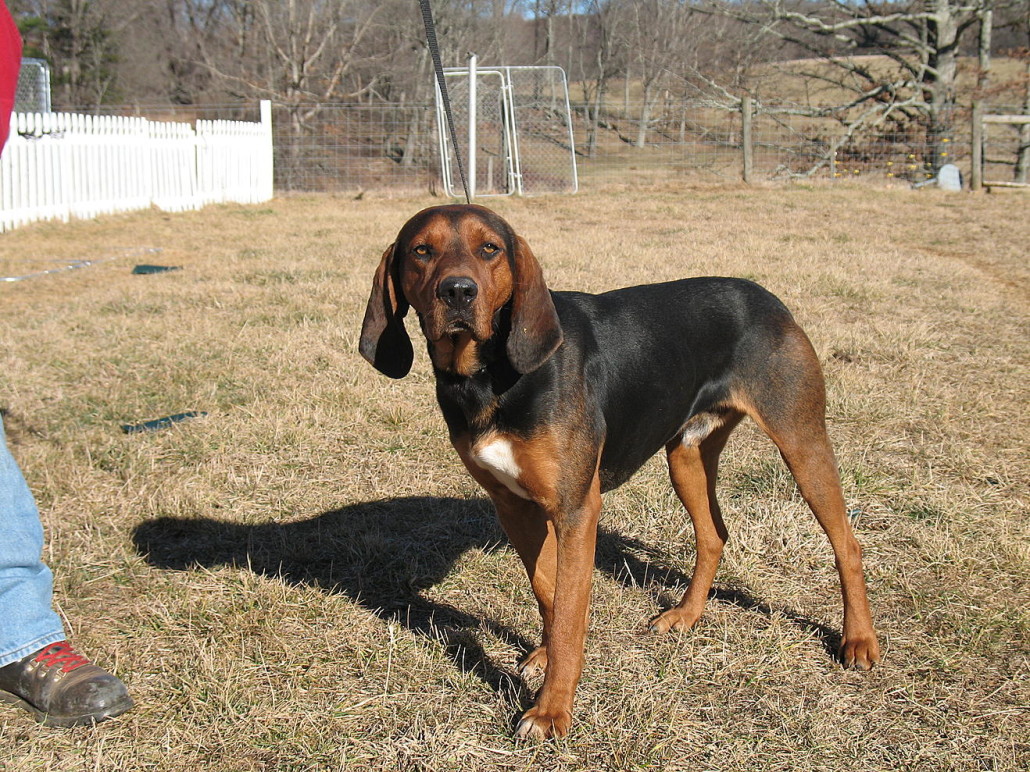
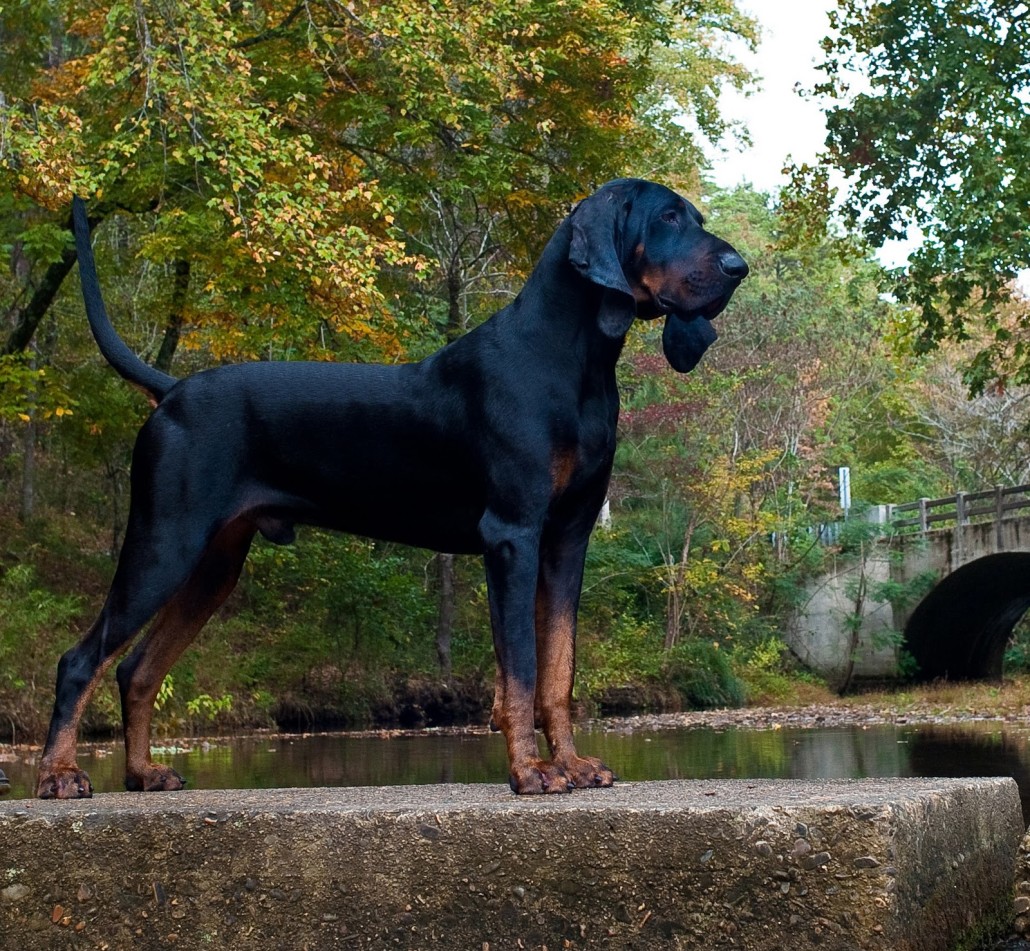
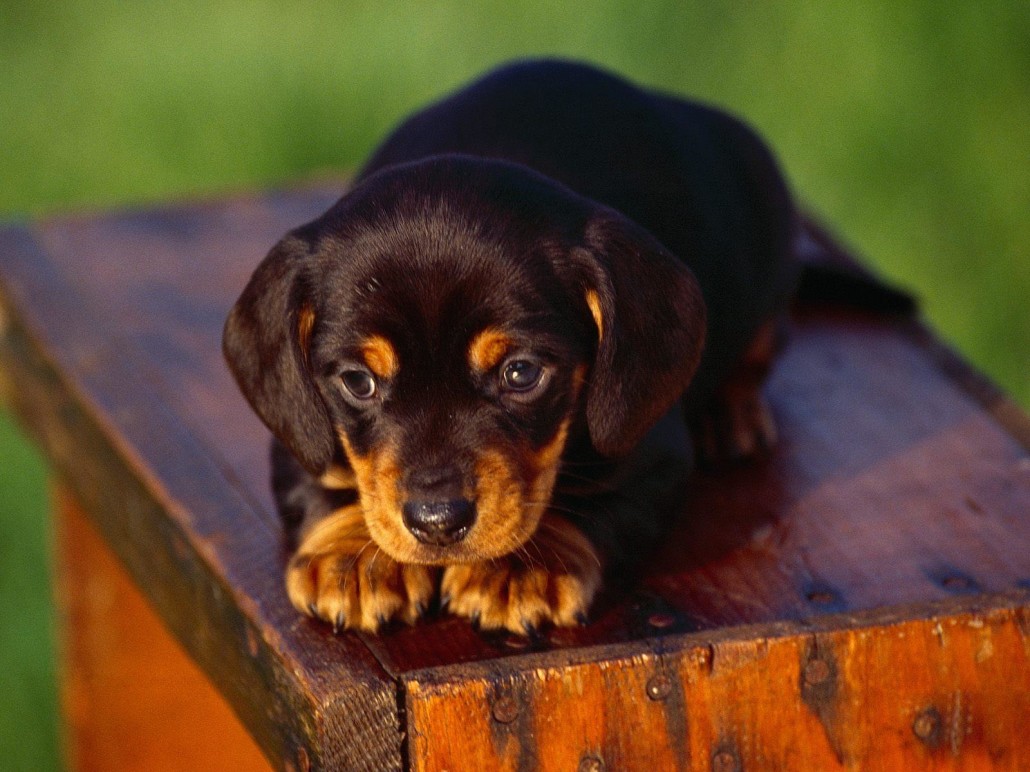
The black and tan coonhound’s moderate build gives it a blend of strength, speed and agility. It is square or slightly longer than tall, with moderate bone. Its long ears may help stir up ground scents. Its deep muzzle allows room for olfactory apparatus. Its deep voice enables the hunter to locate the dog when it has treed its quarry. Its hair is short but dense, providing an all-weather-protective coat. Its expression is alert, friendly and eager. Its stride is easy and graceful, with head and tail held high.

Not the prototypical house dog, the black and tan coonhound, nonetheless, makes an exemplary pet. It is mellow, amiable, calm and unobtrusive indoors. Outdoors, its strong hunting instincts take over, and it can be difficult, if not impossible, to turn from a track after it starts trailing. As befitting a dog with its heritage, the black and tan is strong, independent and stubborn. It is gentle and tolerant with children, but it may be too independent to satisfy a playful child. It is reserved with strangers. It may bay and howl.

Breed Groups
  • Hound Dog Breeds
  • Large Size

SnapShot

Size: Males – 58 to 64 cm (25 to 27 inches)

Females – 64 to 69 cm (23 to 25 inches)

Weight: Males – 29.5 to 34 kg (65 to 75 pounds)

Females – 24.9 to 31.8 kg (54.9 to 70.1 pounds)

Origin: United States of America
Life Span: 10 – 12 years
Colour: Black and Tan
Litter Size: 8 puppies

Fun Fact

ALTHOUGH THEY’RE CALLED COONHOUNDS, BLACK AND TANS CAN ALSO HUNT OTHER GAME, INCLUDING DEER, MOUNTAIN LIONS AND BEAR.

Is the Black and Tan Coonhound Right For You?

The black and tan coonhound’s moderate build gives it a blend of strength, speed and agility. It is square or slightly longer than tall, with moderate bone. Its long ears may help stir up ground scents. Its deep muzzle allows room for olfactory apparatus. Its deep voice enables the hunter to locate the dog when it has treed its quarry. Its hair is short but dense, providing an all-weather-protective coat.

Even temperament, outgoing and friendly. As a working scent hound, must be able to work in close contact with other hounds. Some may be reserved but never shy or vicious. Aggression toward people or other dogs is most undesirable.

In 5 Words

  • Even Tempered
  • Easygoing
  • Adaptable
  • Gentle
  • Lovable

Characteristics

Exercise
Friendliness
Trainability
Watchdog
Health Issues

Learn About the Black and Tan Coonhound


Description

Description

  • Eyes are hazel to brown
  • Ears are extremely long, wide, and thin, set low and far back on the dog’s head, hanging well down the neck.
  • Their black and tan markings are similar to the Doberman and the Rottweiler but have key distinguishing differences from these breeds. The most prominent are the long tails and ears, and their loud, baying bark.
  • Legs are long in proportion to the body length, muscular and finely modelled.
  • The tail is set slightly below the natural line of the back, strongly tapered, and carried at a right angle, when the dog is alert or excited.
  • 23 to 27 inches (58 to 69 cm) at the shoulder
  • 8 to 10 inches (20 to 25 cm) head (back of skull to tip of nose)
  • 65 to 130 pounds (29 to 59 kg)
  • Males are typically larger and heavier boned than females.

Short History

Short History of the Black and Tan Coonhound

The Black and Tan Coonhounds have evolved from the Bloodhound, Irish Kerry Beagle and the foxhound (in particular the Virginia Foxhound of the 1700s). It is also thought that Black and Tan Coonhounds are related to the 12th century Talbot Hound. This breed is best known for it’s raccoon hunting skills, but has also been successful hunting other types of game such as stag, bear, opossum, mountain lion and deer. The Black and Tan Coonhound was officially recognized in 1945.

Temperament

Temperament

Even temperament, outgoing and friendly. As a working scent hound, must be able to work in close contact with other hounds. Some may be reserved but never shy or vicious. Aggression toward people or other dogs is most undesirable.


Caring for Your Black and Tan Coonhound


Health

General Health

Hip Dysplasia (HD): This is a heritable condition in which the thighbone doesn’t fit snugly into the hip joint. Some dogs show pain and lameness on one or both rear legs, but you may not notice any signs of discomfort in a dog with hip dysplasia. As the dog ages, arthritis can develop. X-ray screening for hip dysplasia is done by the Orthopedic Foundation for Animals or the University of Pennsylvania Hip Improvement Program (PennHIP). Dogs with hip dysplasia should not be bred. Hip dysplasia is hereditary, but it can be worsened by environmental factors, such as rapid growth from a high-calorie diet or injuries incurred from jumping or falling on slick floors.

Cataracts. A cataract is an opacity on the lens of the eye that causes difficulty in seeing. The eye(s) of the dog will have a cloudy appearance. Cataracts usually occur in old age and sometimes can be surgically removed to improve the dog’s vision.

Grooming & Bathing

Grooming & Bathing

Weekly brushing is necessary to keep the coat looking healthy and shiny. Black and Tan Coonhounds need to have their long ears checked regularly and kept clean.

Exercise & Training

Exercise & Training

Black and Tan coonhounds have high amounts of energy and thus need a lot of exercise and activity. Daily exercise including walks and runs are highly recommended. The Black and Tan coonhound, bred as a working dog, cannot lie still for a long time. They can learn new commands very quickly which makes them quite easy to train. Usually they enjoy any type of activity so training will not be a problem for them. In fact it can be something that they will really enjoy.
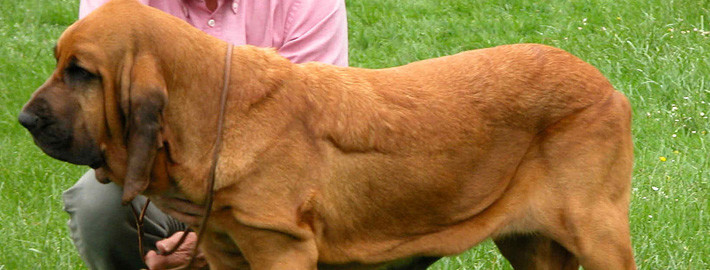
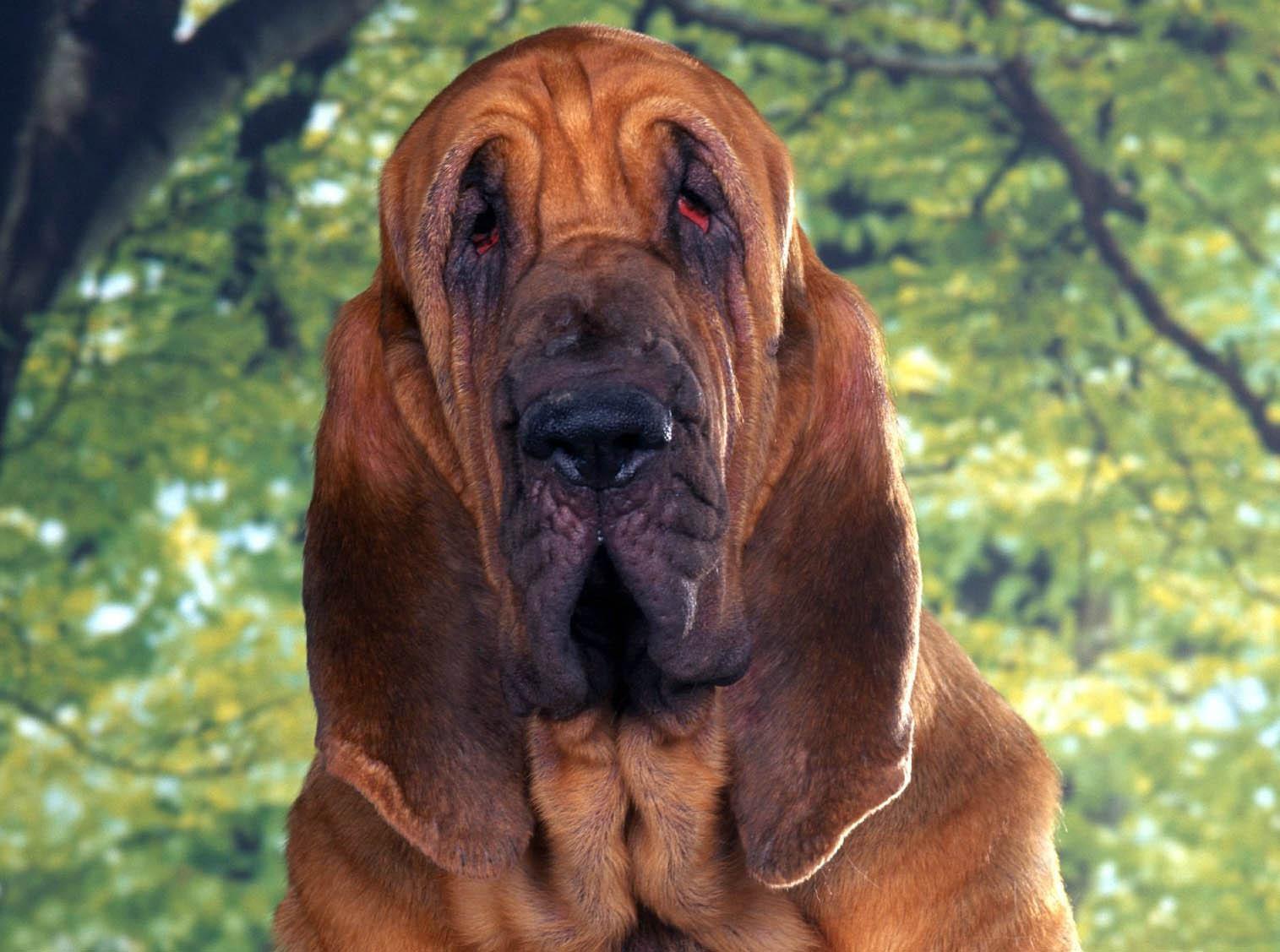
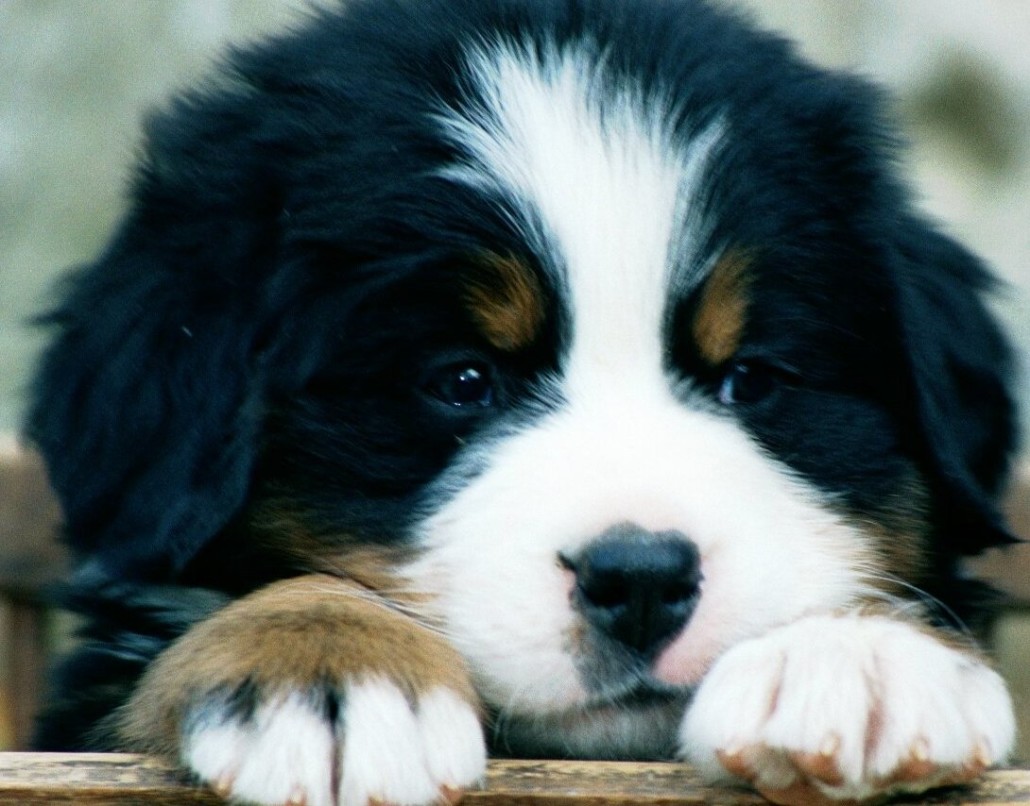
Black and Tan Coonhound Picture Gallery