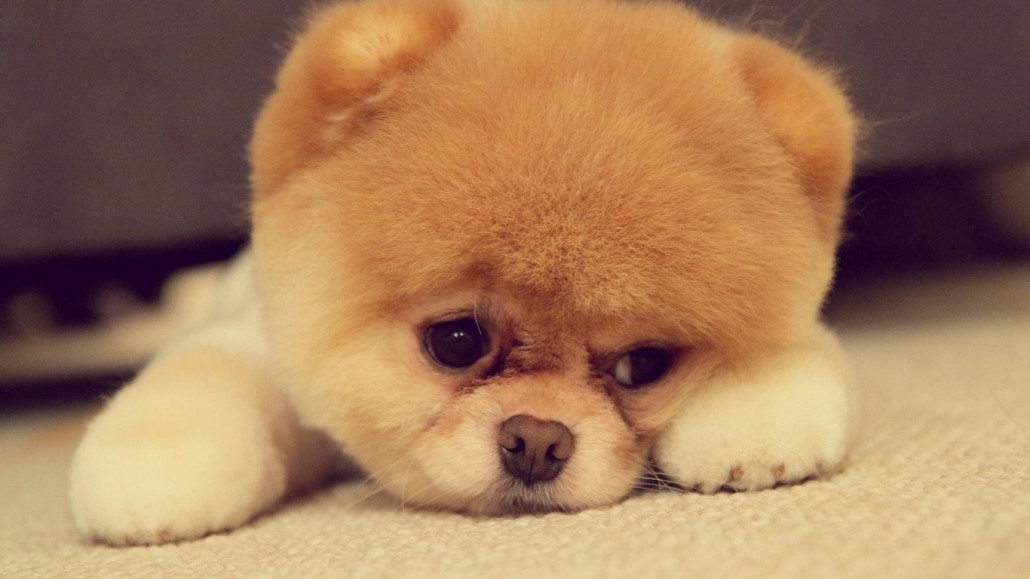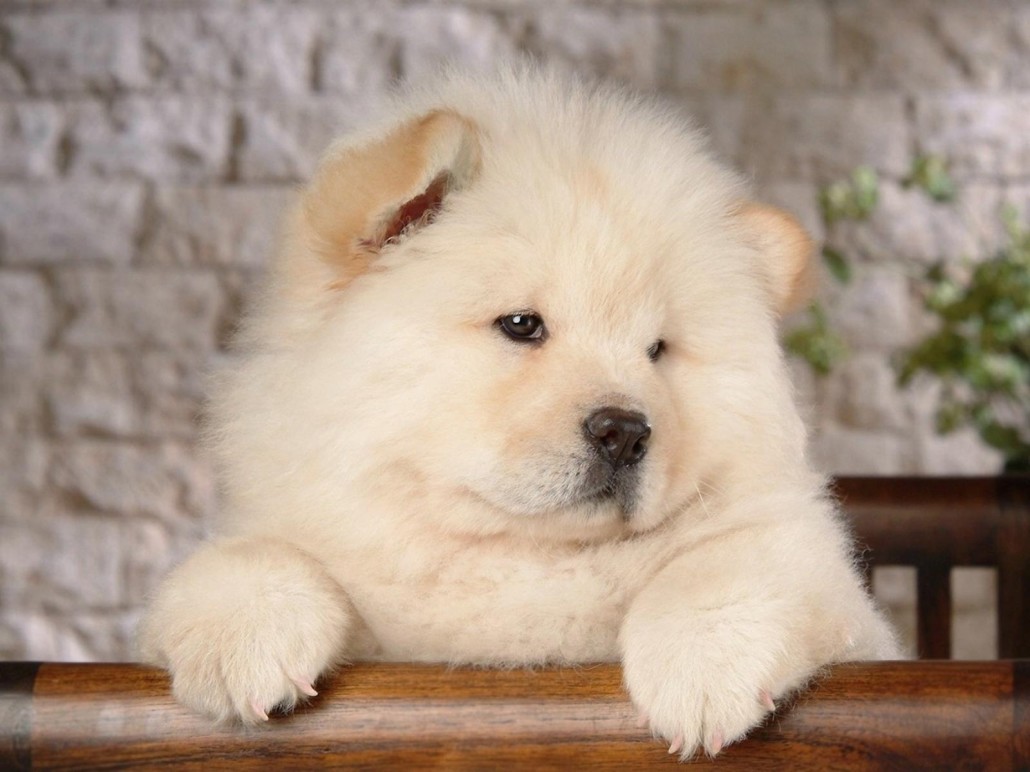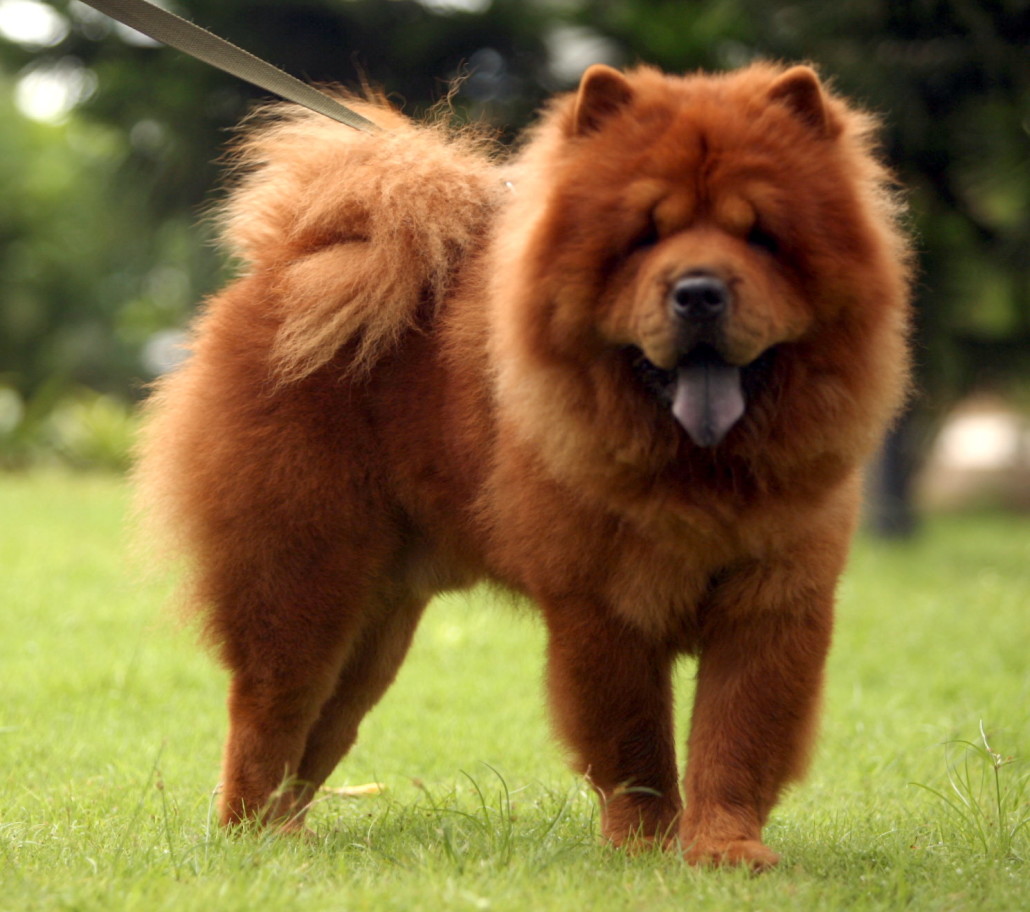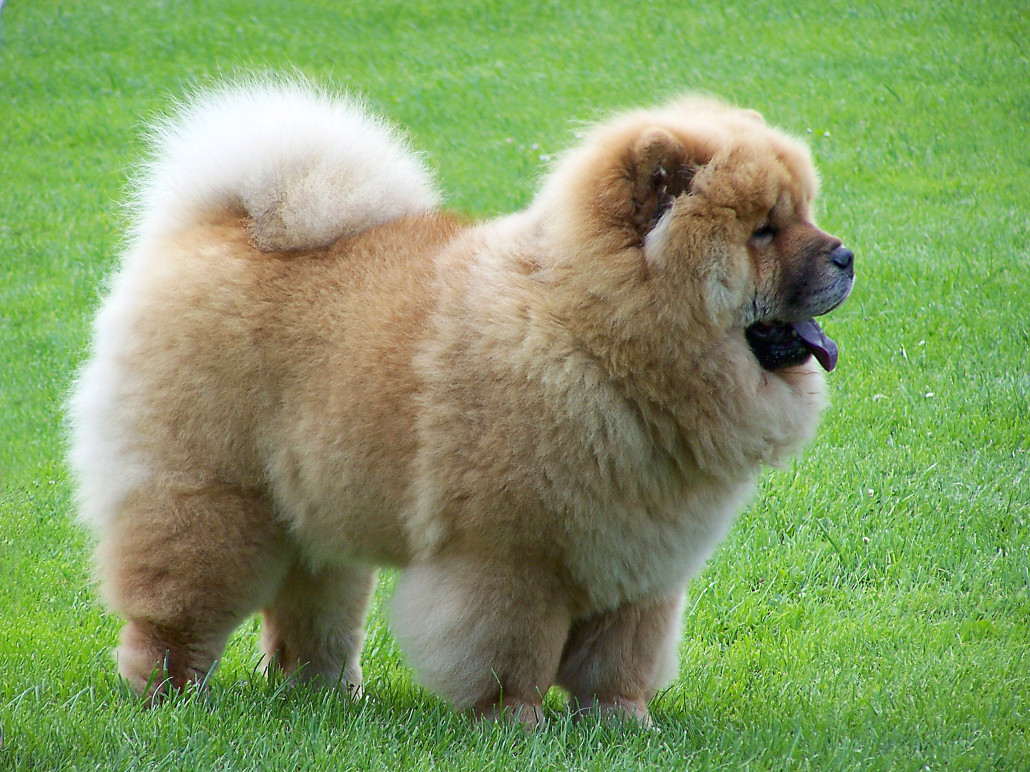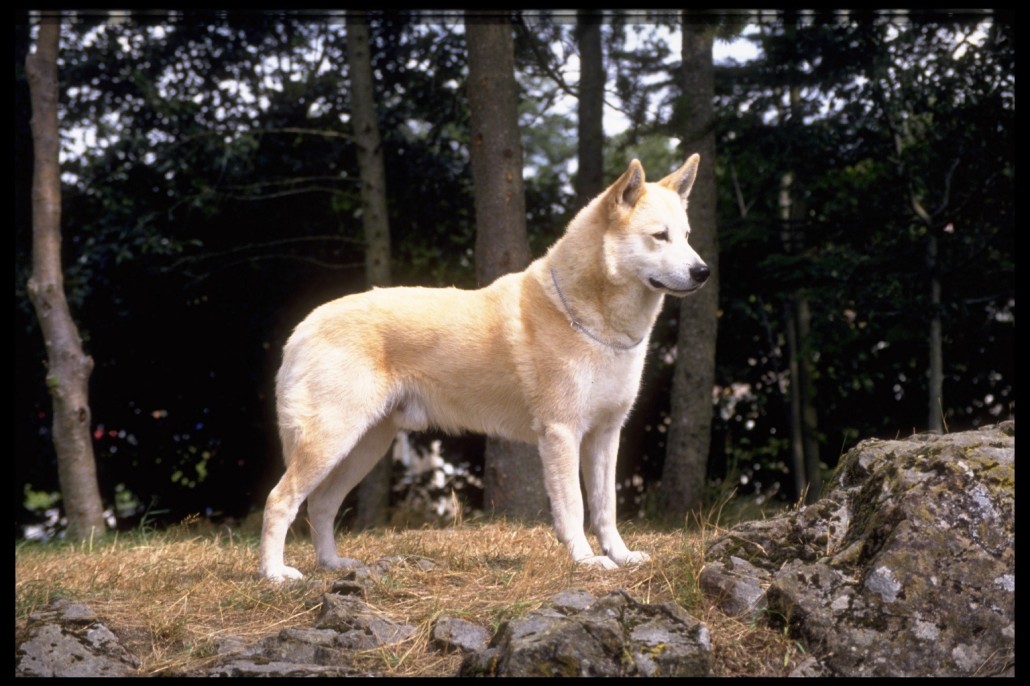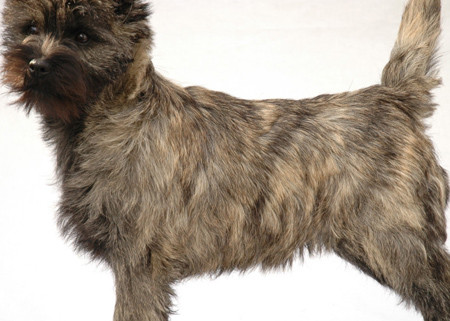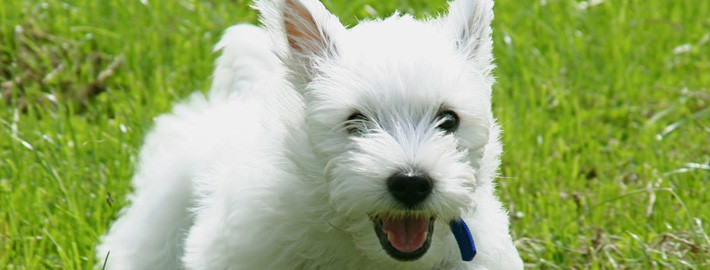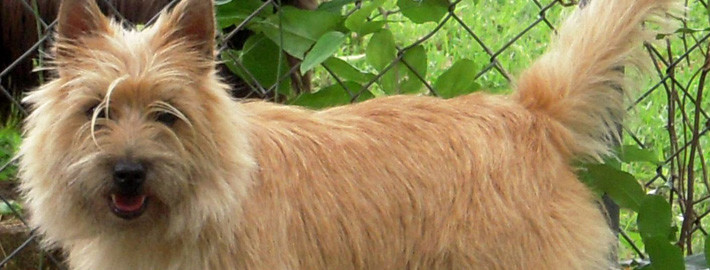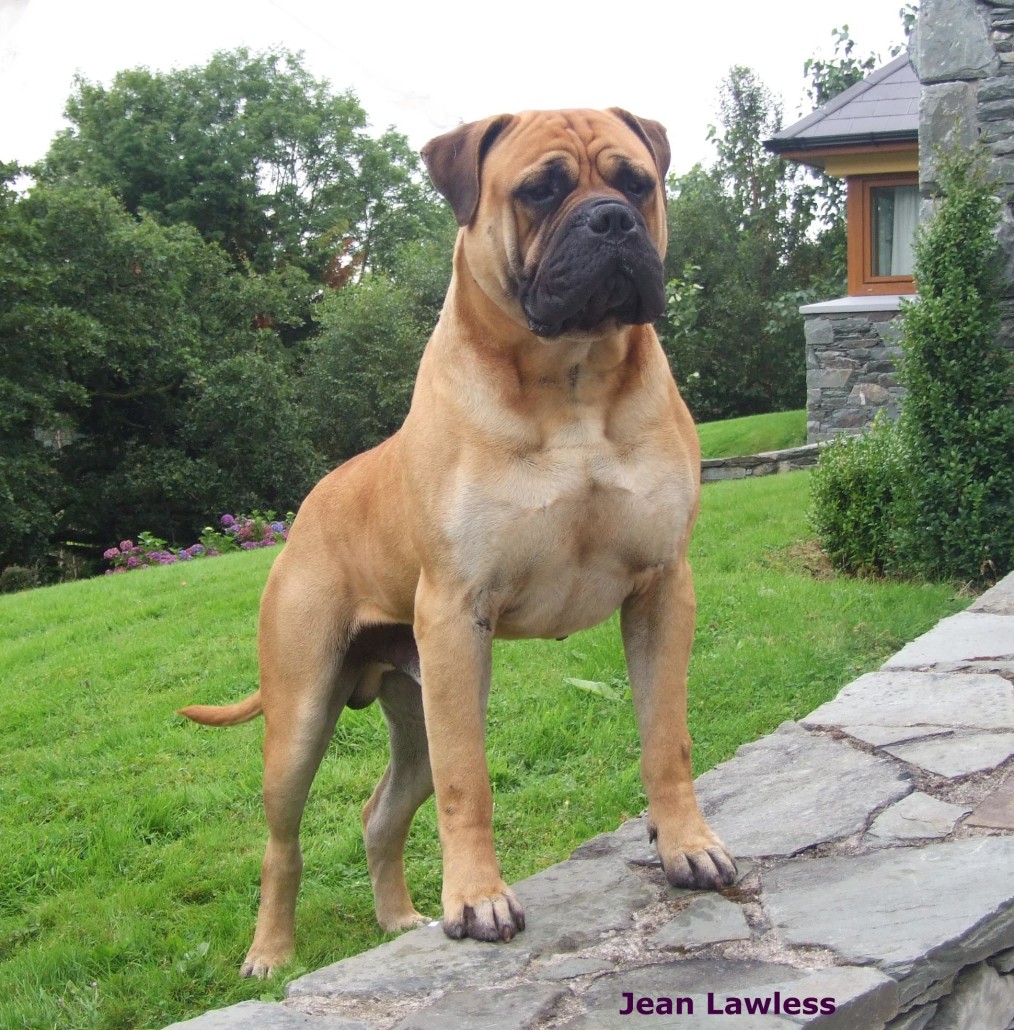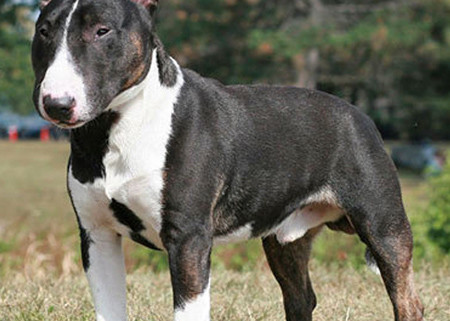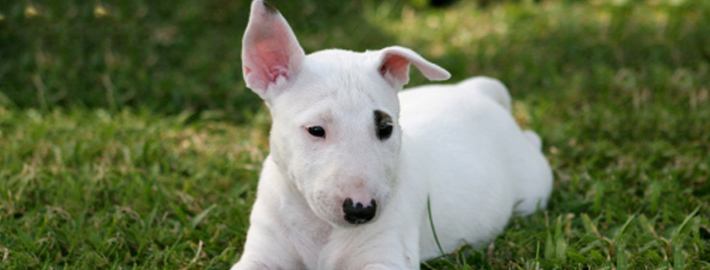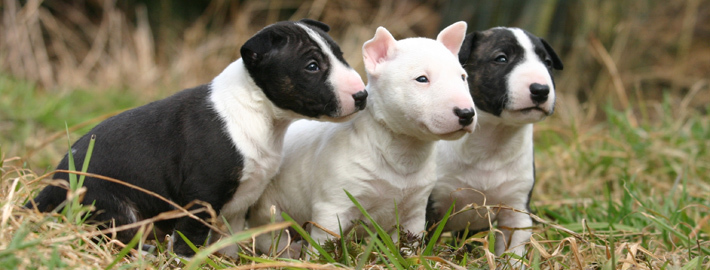
Chow Chow

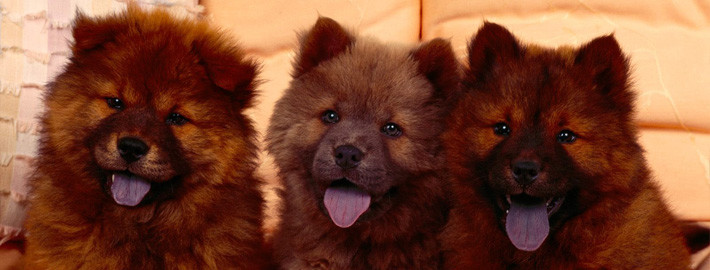
CHOW CHOW – Scowling Expression

What makes the Chow Chow Unique?

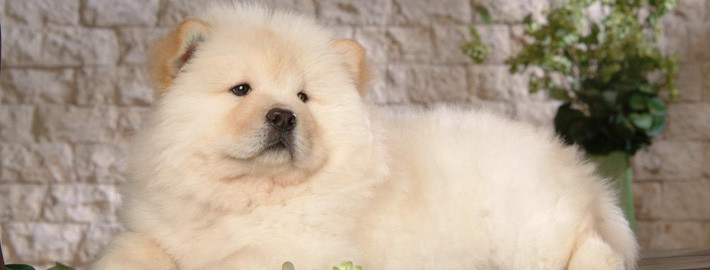
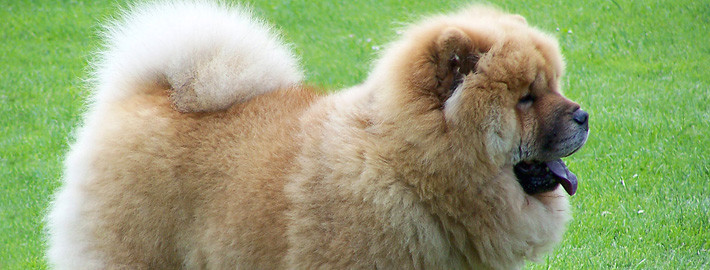
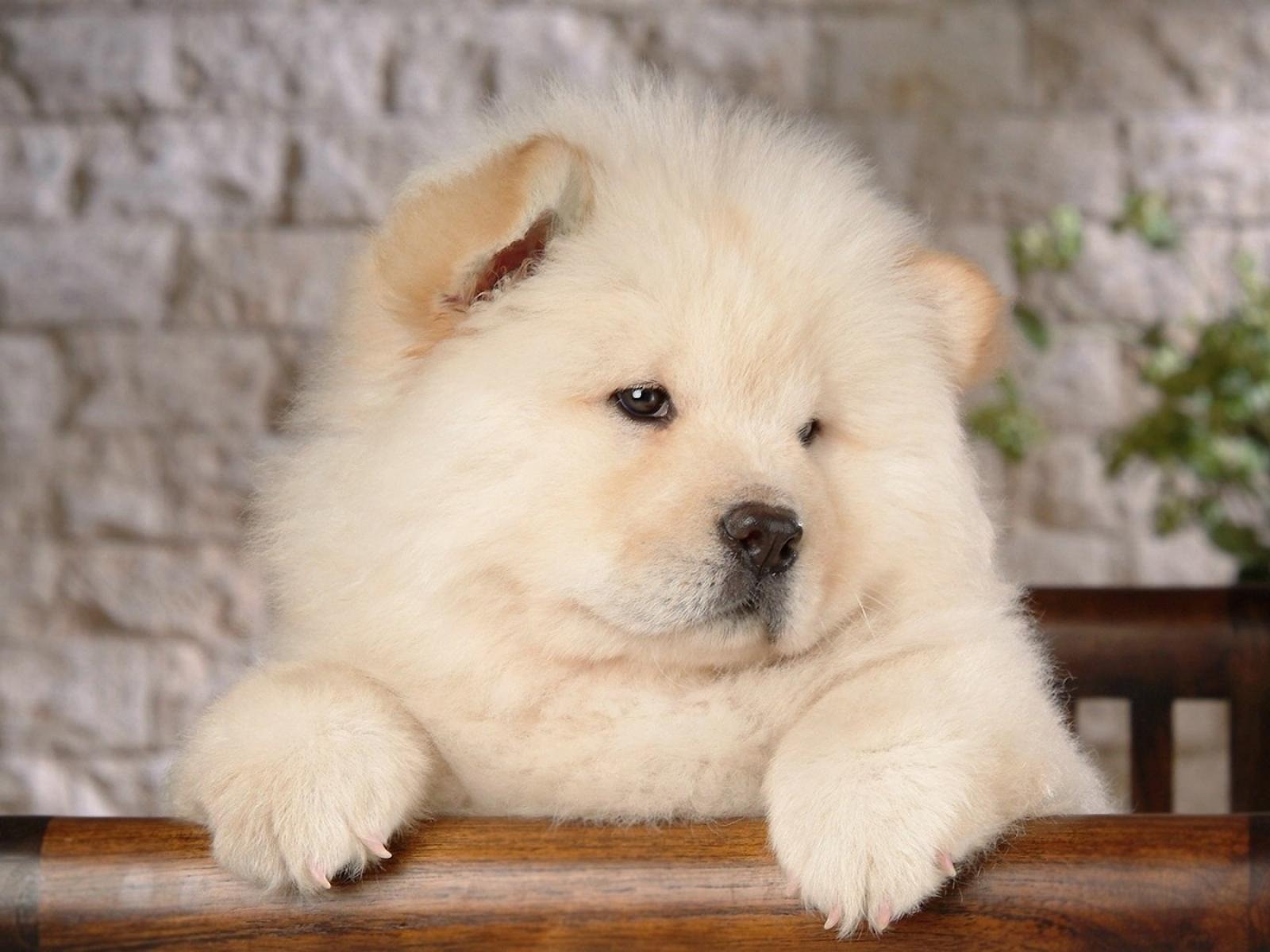
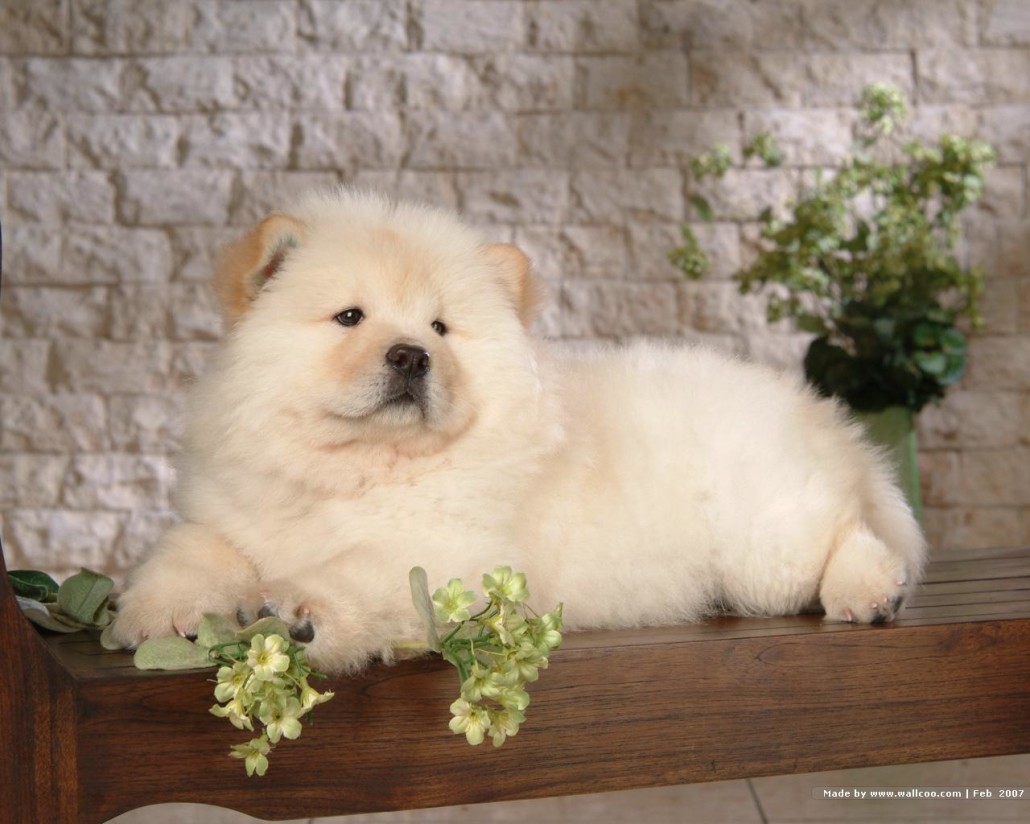
The chow is an Arctic-type dog, powerful, squarely built and sturdy with heavy bone and strong muscular development. It is a breed suited for a number of tasks, rather than specializing in one, and its build reflects its ability to hunt, herd, pull and protect. It can have either a rough coat, which is straight and off-standing or a smooth coat, which is hard and smooth; both coat types have wooly undercoats, providing ample insulation from the cold. The characteristic straight angulation of the hind legs produces a short, stilted gait unique to the breed. The scowling expression and black tongue are essential components of breed type.

Dignified, even lordly, the chow chow conducts itself with reserve. It is not very demonstrative, even with its family, and is somewhat suspicious of strangers. It is independent and stubborn. It can be aggressive toward other dogs but is generally good with other household pets. It is serious and protective, devoted to its family.

SnapShot

Size: Males – 48 to 56 cm (19 to 22 inches)

Females – 46 to 51 cm (18 to 20 inches)

Weight: Males – 25 to 32 kg (55.1 to 70.5 pounds)

Females – 20 to 27 kg (44.1 to 59.5 pounds)

Origin: China
Life Span: 9 to 12 years
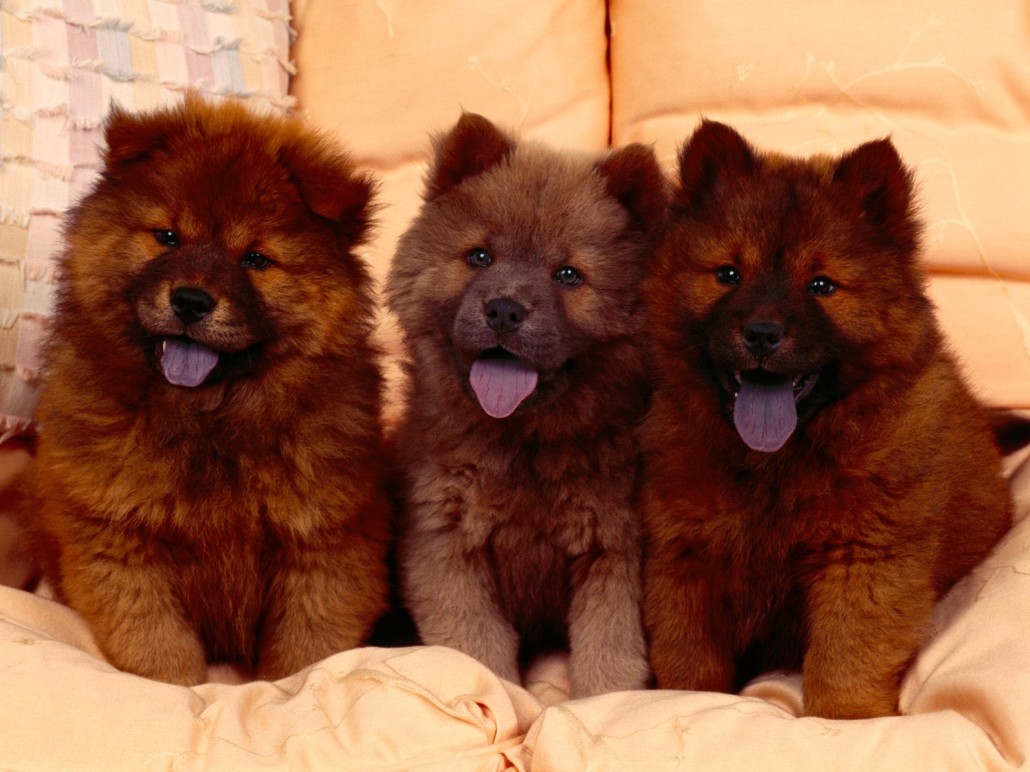
Colour: Red, Fawn, Cream, Black
Litter Size: 3 to 6 puppies

Fun Fact

A BLUE-BLACK TONGUE IS ONE OF THE CHOW’S MOST DISTINCTIVE PHYSICAL TRAITS.

Is the Chow Chow Right For You?

The chow is an Arctic-type dog, powerful, squarely built and sturdy with heavy bone and strong muscular development. It is a breed suited for a number of tasks, rather than specializing in one, and its build reflects its ability to hunt, herd, pull and protect. It can have either a rough coat, which is straight and off-standing or a smooth coat, which is hard and smooth; both coat types have wooly undercoats, providing ample insulation from the cold.

This is an alert breed that needs regular, but not strenuous, outdoor activity. It does not do well in hot humid weather. Its needs are best met with casual morning or evening walks in warm weather or several short play sessions throughout the day.

In 5 Words

  • Aloof
  • Loyal
  • Quiet
  • Independent
  • Protective

Characteristics

Exercise
Friendliness
Trainability
Watchdog
Health Issues

Learn About the Chow Chow


Description

Description

The Chow Chow can have one of two different types of coat; either rough or smooth. The most common coat is the long-haired or rough, which has an outer coat containing long, straight, coarse guard hairs which do not mat or tangle as easily as the soft, thick undercoat.

The Chow Chow is a large, stocky dog. The two most distinctive features of the Chow Chow are its blue-black tongue and its almost straight hind legs, which makes it walk rather stilted. The head is large and broad with a flat skull. The muzzle is broad and deep. There is a huge ruff behind the head, which gives it a lion-like appearance.

Short History

Short History of the chow chow

The Chow Chow is more than 2,000 years old as a breed and many authorities believe it may date back much farther. The breed probably originated, as one popular theory states, as a result of crossing the old Mastiff of Tibet and the Samoyed, a breed originating from the northern parts of Siberia. There is however another school of thought which believes that the Chow did not originate from China, barbarian ancestors of the Monguls used enormous dogs with features like a lion and black tongues, when they went to war against the Chinese 3,000 years ago. Originally, the Chow Chow is believed to have been kept as a hunting and guard dog by warring Mongolian tribes, however the breed was also used as a source of food and fur when necessary.

Temperament

Temperament

The Chow Chow is a well-mannered dog. Quite good with children. If they get to know cats and other household animals when they are young, they will get along with them when they are adults. Should be thoroughly socialized preferably when they are young. They are Loyal, Intelligent, Aggressive, Independent and Detached.


Caring for Your Chow Chow


Health

General Health

Chow Chow has some health issues like Eye Problems, Bone & Joint Problems and Cancer. Ask your vet about this health issues. But these are not alarming because it is the nature of the Chow Chow Dog Breeds.

Grooming & Bathing

Grooming & Bathing

Regular grooming with the correct tool is important. You will need steel toothed comb with teeth spaced about an eighth of an inch apart. Stand the Chow on a sturdy, non slip table. They also do not have to be bathed often. Twice or thrice a year will do.

Chow-chows are territorial. When somebody unfamiliar crosses their territory, they immediately respond to be able to protect their masters. That said, they may not be friendly to strangers but if you will train them while they are still young, they may get used to socializing.

After the Chows is at least a year old it is fine for them to eat one meal a day. Although many choose to feed them twice a day. The feeding time should be consistent as much as possible to maintain proper health.

Exercise & Training

Exercise & Training

Its needs are best met with casual morning or evening walks in warm weather or several short play sessions throughout the day. It can live outdoors in temperate or cool weather, but it is best allowed to stay inside during warm weather

Chow Chow Picture Gallery

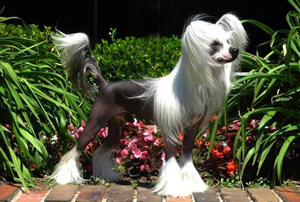
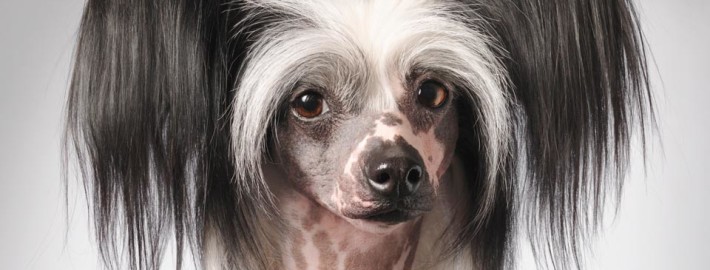
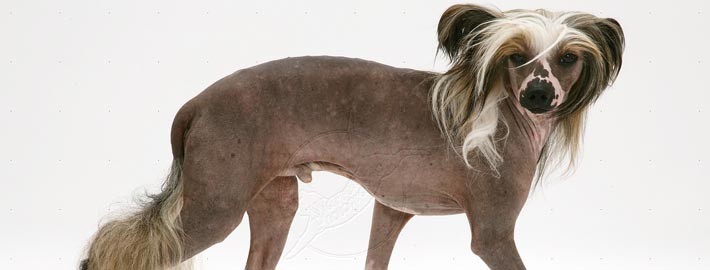
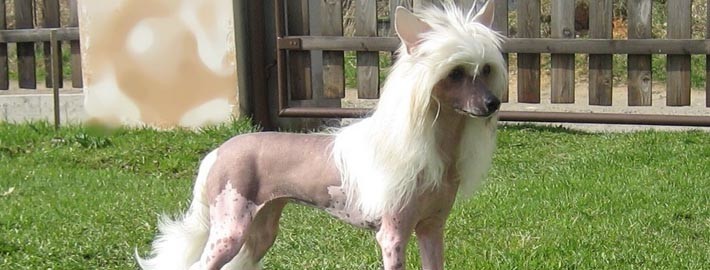
Chinese Crested

CHINESE CRESTED – Fine Boned


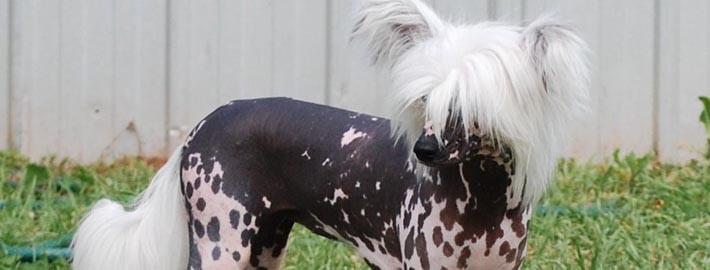
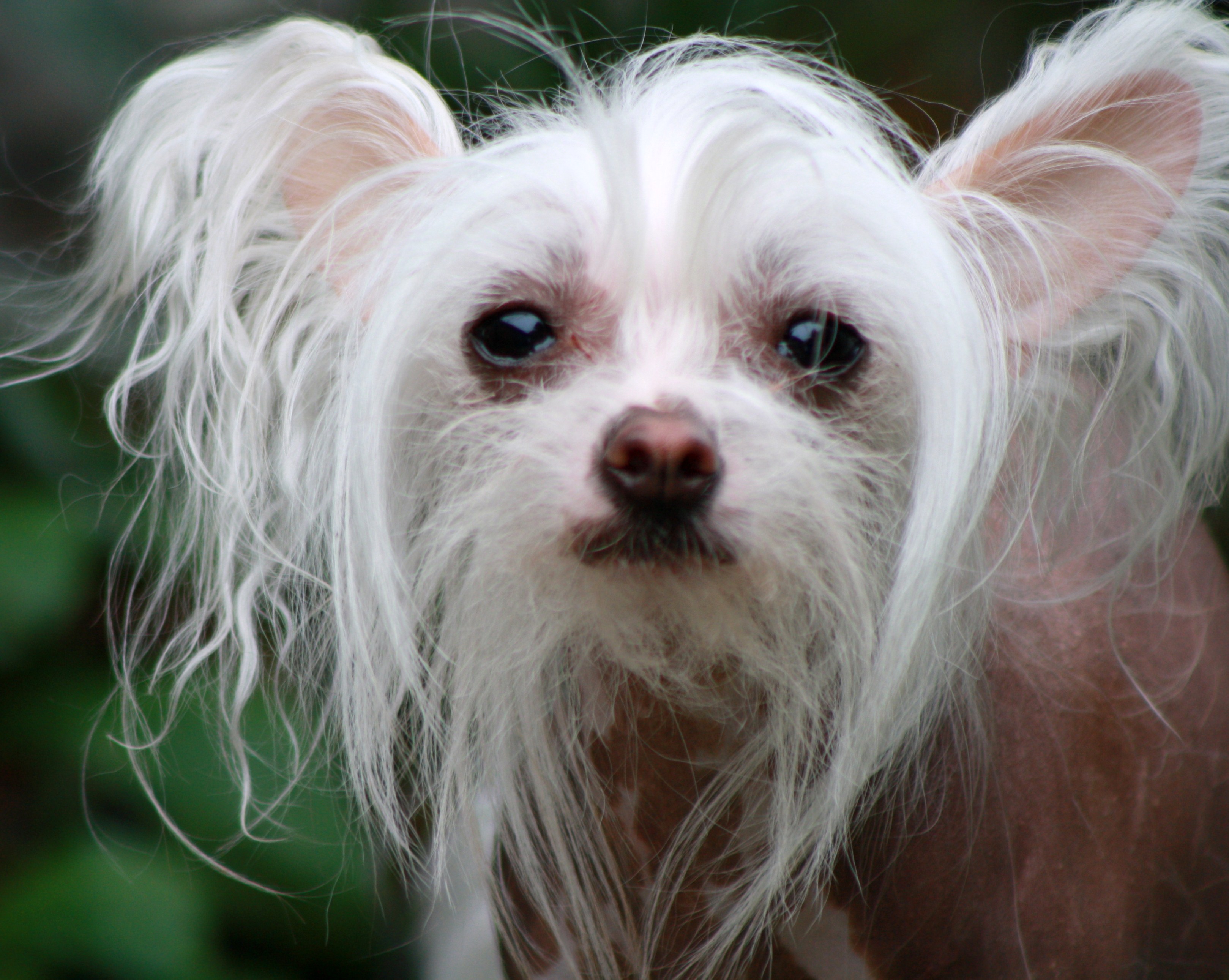
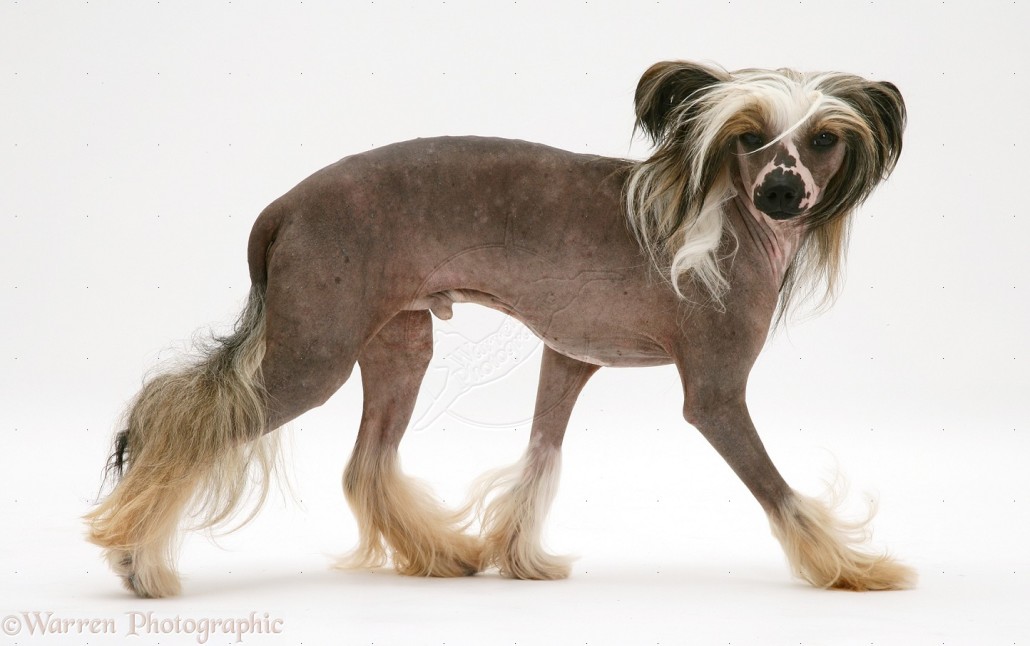
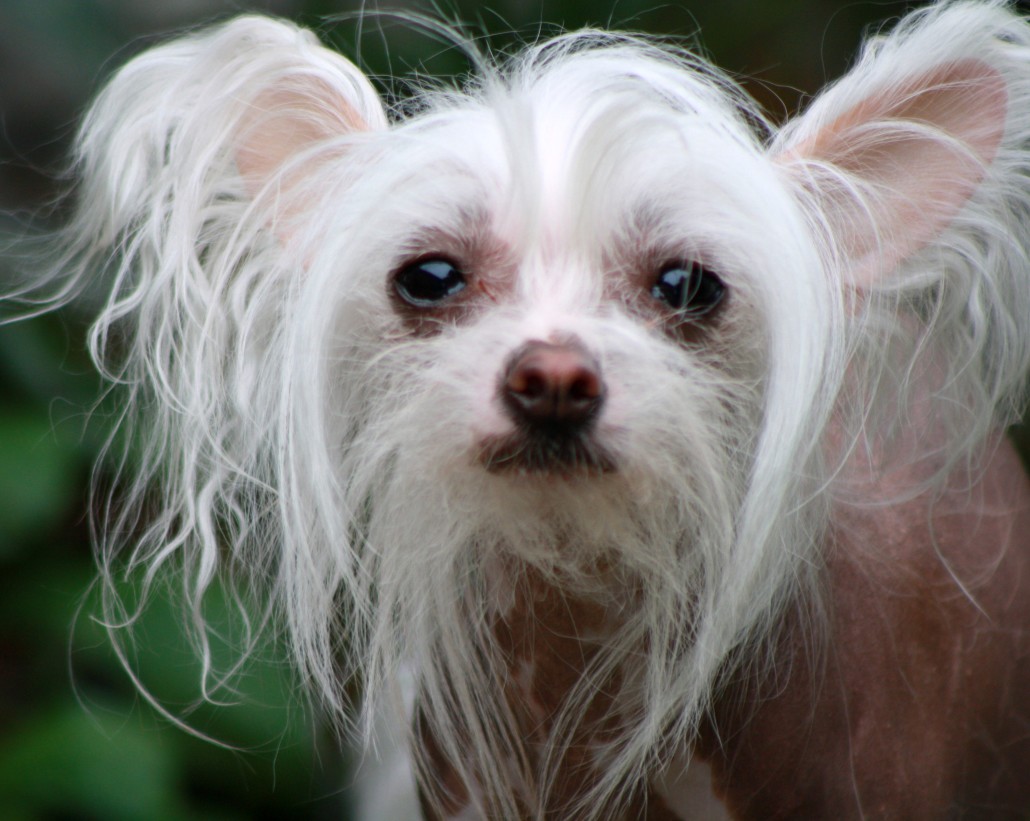
  • Chinese Crested Dog is looking back straight to the camera

What makes the Chinese Crested Dog Unique?

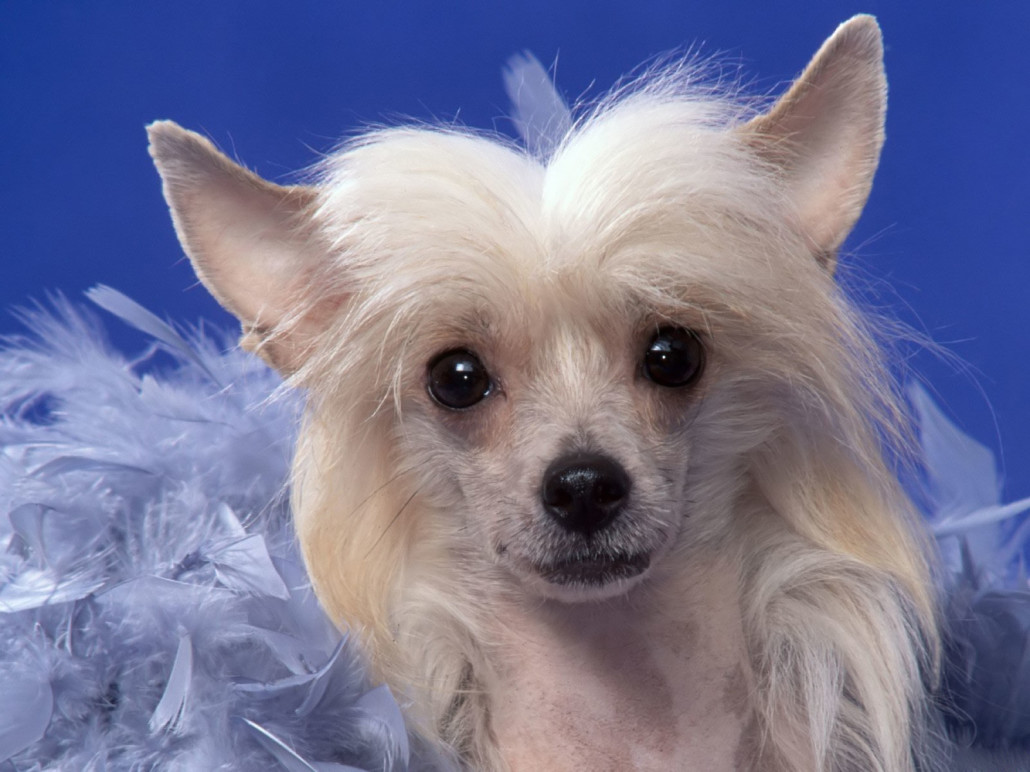
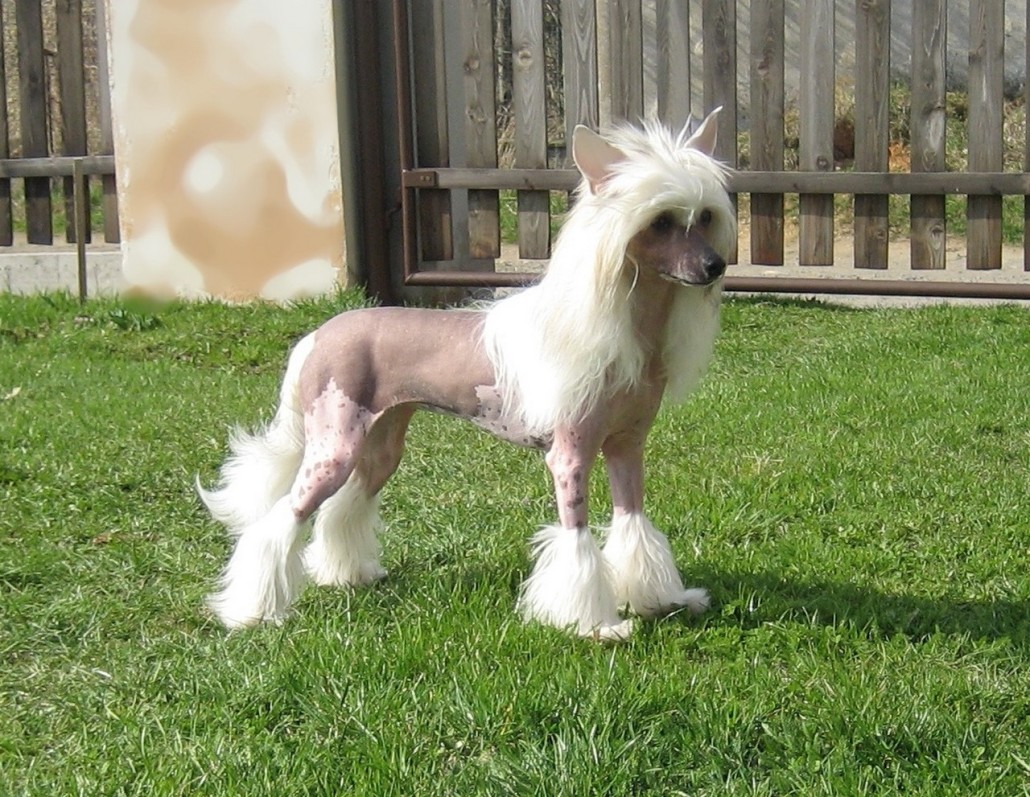
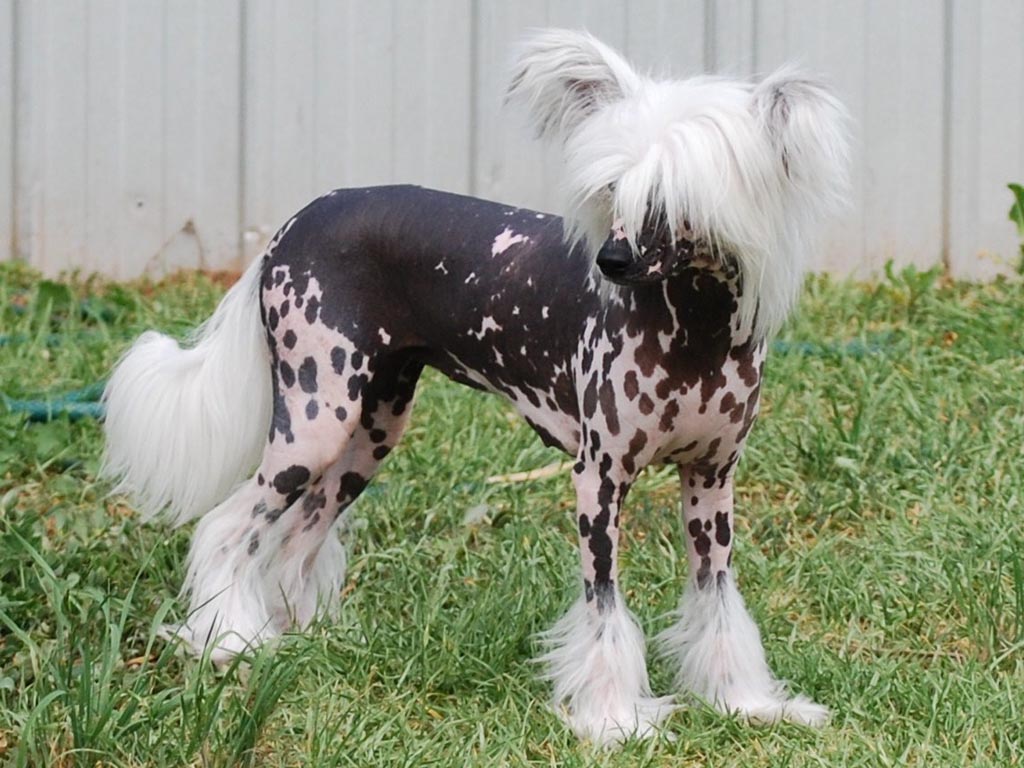
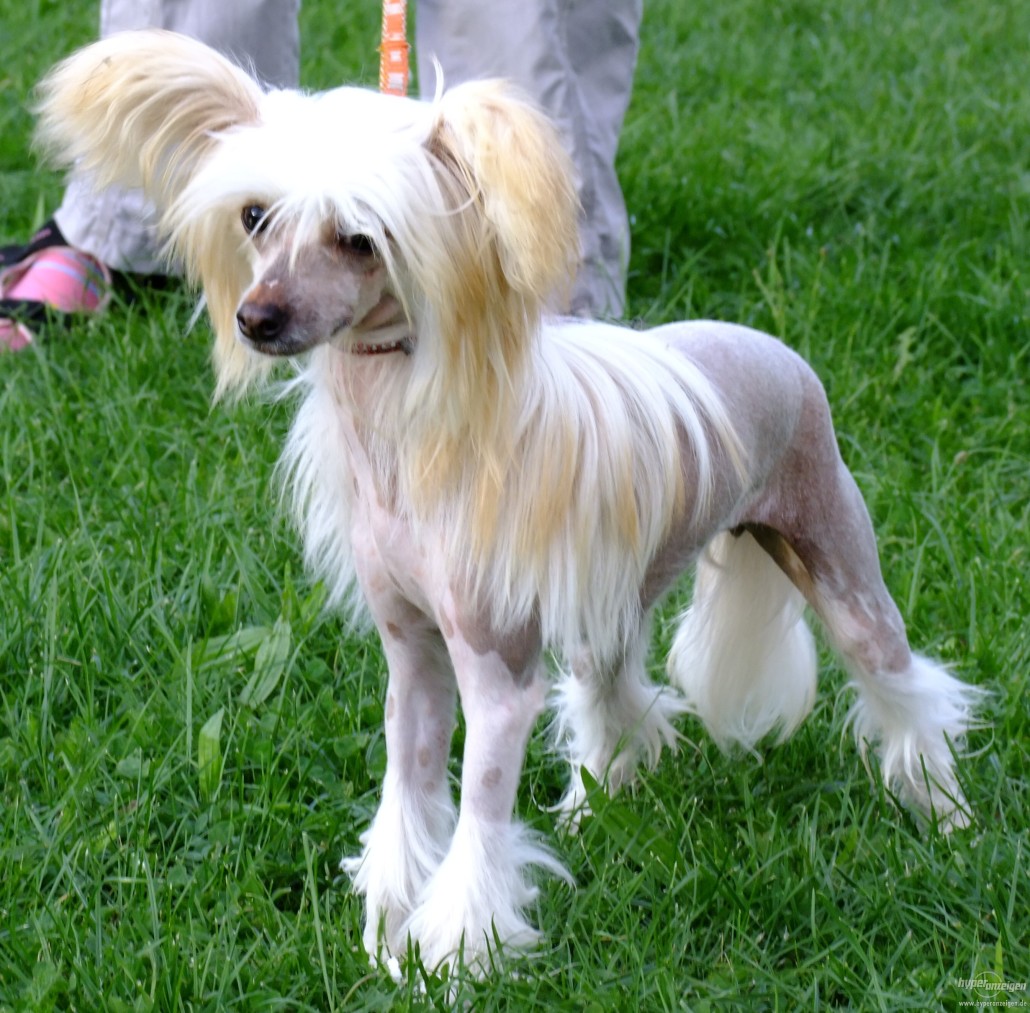
The Chinese crested is fine-boned and slender, among the most elegant and graceful of breeds. It is slightly longer than tall. Its gait is lively and agile. It has an alert, intense expression. In the hairless variety, soft silky hair is found only on the head (crest), tail (plume), and feet and lower legs. The skin of the hairless areas is smooth and soft. In the powder-puff variety, the entire dog is covered with a soft silky coat of moderate density and length.

The Chinese crested is a combination of playful pixie, gentle lap dog and sensitive companion. It is devoted to its family and willing to please; it is also good with other dogs, pets and strangers. Its demeanor should be gay and alert.

SnapShot

Size: Males – 28 to 33 cm (11 to 13 inches)Females – 23 to 30 cm (9 to 12 inches)
Weight: Males –  4.5 to 5.9 kg (10 to 13 lb)Females – 4.5 to 5.9 kg (10 to 13 lb)
Origin: China, Africa, Mexico
Life Span: 10 – 12 Years
Colour: Apricot, Tri-color, Blue, Cream, Black, Chocolate
Litter Size: 2 to 4 puppies

Fun Fact

BOTH VARIETIES OF THE CHINESE CRESTED CAN BE BORN IN THE SAME LITTER.

Is the Chinese Crested Right For You?


The Chinese crested is fine-boned and slender, among the most elegant and graceful of breeds. It is slightly longer than tall. Its gait is lively and agile. It has an alert, intense expression. In the hairless variety, soft silky hair is found only on the head (crest), tail (plume), and feet and lower legs.

crested enjoys a romp outside, but it hates the cold. It is small enough that it can get sufficient exercise with vigorous inside games. Hairless varieties will need a sweater for cold-weather outings. This is not a breed for outdoor living. Chinese crested dogs are gifted jumpers and some climb.

In 5 Words

  • Lively
  • Playful
  • Alert
  • Sweet-Tempered
  • Happy

Characteristics


Exercise
Friendliness
Trainability
Watchdog
Health Issues

Learn About the Chinese Crested Dog


Description

Description

The Chinese Imperial Dog is a compact, well-muscled toy breed with sturdy bone structure and a sweet facial expression. They have well-developed bone structure and a body that is properly proportioned. Its dense,luxurious coat gives this breed an endearing and striking appearance. Chinese Imperial dog does not harm kids or adults. It is very easy to train and very keen to please its master.

The Chinese Imperial Dog is a small breed of dog with a wrinkly, short-muzzled face, and curled tail. Kennel clubs originally classified the breed under the shih-tzu, before recognizing the Imperial as a separate breed

Short History

Short History of the Chinese Crested

The Chinese Imperial Dog was first bred in China in the Imperial Palace where the smaller ones were carried by the nobility in the sleeves of their robes. After coming to the USA there were always breeders that bred the smaller dogs but the Chinese Imperial Dog did not receive recognition until March 2005.

Temperament

Temperament

The most popular of the hairless breeds, the Chinese Crested is still very rare. These dogs are alert, charming, agile and lovable. Though affectionate and playful with children, children should be taught not to be rough with this breed as it is friendly, but it does not have the protective hair that other breeds have and can get injured easily. It is an entertaining and amusing companion. Do not baby this breed or you might cause it to be timid. Socialize your dog well, starting when it is a small puppy, exposing it to loud noises and outside activity. This intelligent dog has the ability to perform tricks. They are generally good with other pets. They are not barkers. Chinese Crested Dogs like to climb and dig holes. They tend to become very attached to their owners. These dogs enjoy companionship and need constant human leadership. Do not let this wonderful breed fall into “Small Dog Syndrome” where they lack a human pack leader.


Caring for Your Chinese Crested Dog


Health

General Health

It does not appear that any health studies have been conducted on the Chinese Imperial Dog specifically, which makes it impossible to make any definitive statements about the breed as a unique entity. However, thousands of Chinese Imperial Dogs have been included in Shih Tzu health surveys so any health information about the Shih Tzu is likely to apply to the Chinese Imperial Dog as well.

Grooming & Bathing

Grooming & Bathing

Coat care for the powder-puff variety entails brushing every day or two. The muzzle is usually shaved every two weeks in puffs. The hairless needs regular skin care, such as the application of moisturizer or sunblock, and bathing to combat blackheads. Most hairless need some stray hairs removed prior to showing.

Exercise & Training

Exercise & Training

The crested enjoys a romp outside, but it hates the cold. It is small enough that it can get sufficient exercise with vigorous inside games. Hairless varieties will need a sweater for cold-weather outings. This is not a breed for outdoor living. Chinese crested dogs are gifted jumpers and some climb.

Chinese Crested Dog Picture Gallery

Chihuahua

CHIHUAHUA – Favored Toy


What makes the Chihuahua Unique?

Loud, proud, and feisty, the Chihuahua is a petite bundle of energy. These small dogs are ideally suited for apartment life and have been known to travel around in the purses of their owners. Yet, in their own minds, Chihuahuas are the size of pit bulls and act accordingly.

SnapShot

Size: Males – 15 to 23 cm (6 to 9 inches)

Females – 15 to 23 cm (6 to 9 inches)

Weight: Males –  1 to 3 kg (2 to 6 pounds)

Females – 1 to 3 kg (2 to 6 pounds)

Origin: Mexico
Life Span: 10 – 18 Years
Colour: Gold, Fawn, Cream, Black, Chocolate, White
Litter Size:  2 to 5 puppies

Fun Fact

THE CHIHUAHUA IS THE MOST FAMOUS OF THE “PURSE PUPPIES,” TOY DOGS TOTED AROUND IN CHIC UPSCALE DOGGIE BAGS BY HIGH-PROFILE CELEBRITIES AND SOCIALITES.

Is the Chihuahua Right For You?

The Chihuahua is graceful, small and compact; it is slightly longer than it is tall. It has a saucy expression and an alert, terrier-like attitude. It should move out at a swift pace with good reach and drive.

Chihuahua has earned its place as a favored toy dog because of its intense devotion to a single person. It is reserved with strangers but good with other household dogs and pets. Some try to be protective, but they are not very effective.

In 5 Words

  • Lively
  • Devoted
  • Alert
  • Quick
  • Courageous

Characteristics


Exercise
Friendliness
Trainability
Watchdog
Health Issues

Learn About the Chihuahua


Description

Description

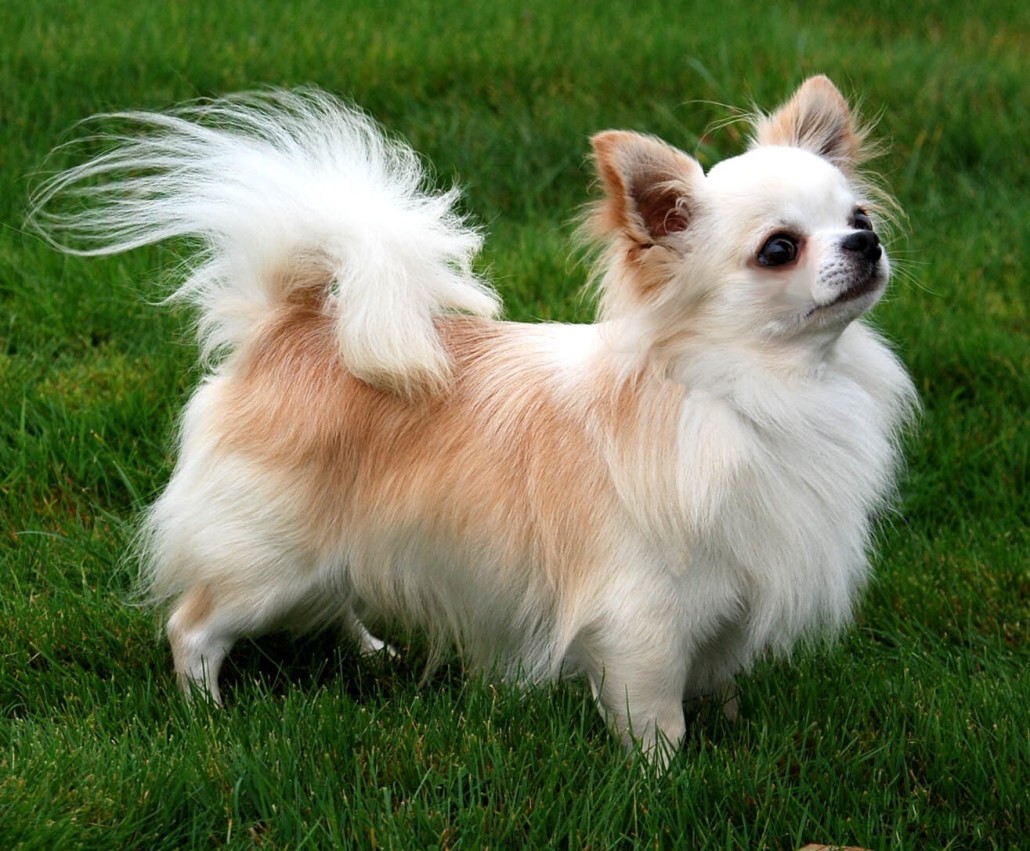
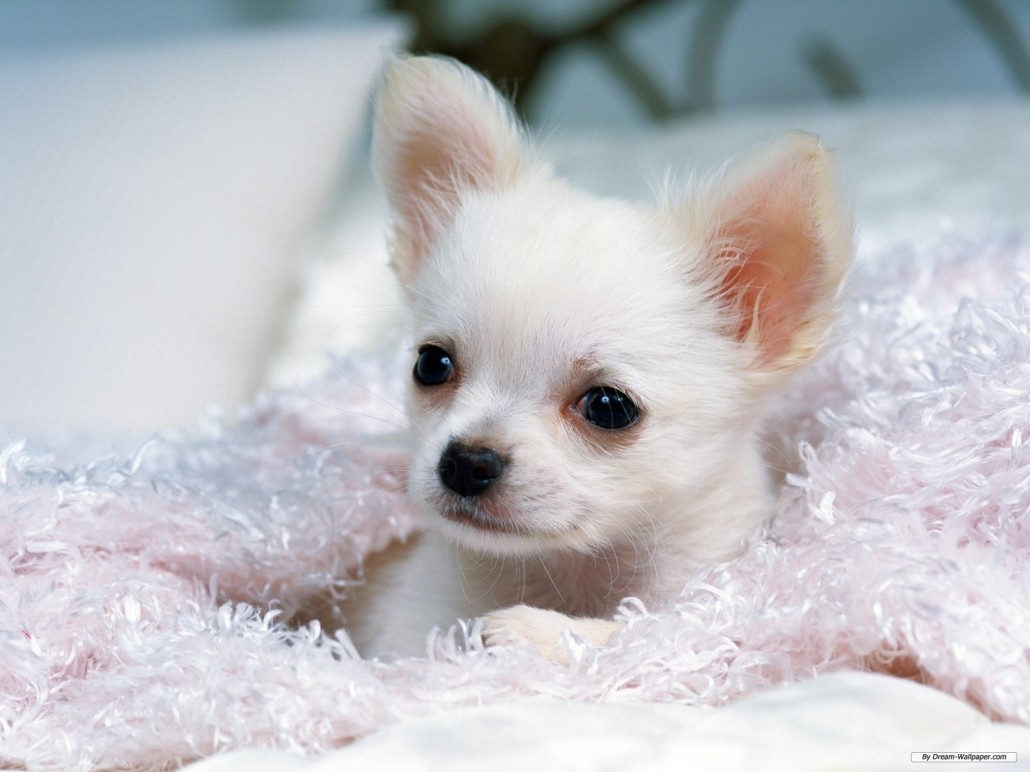
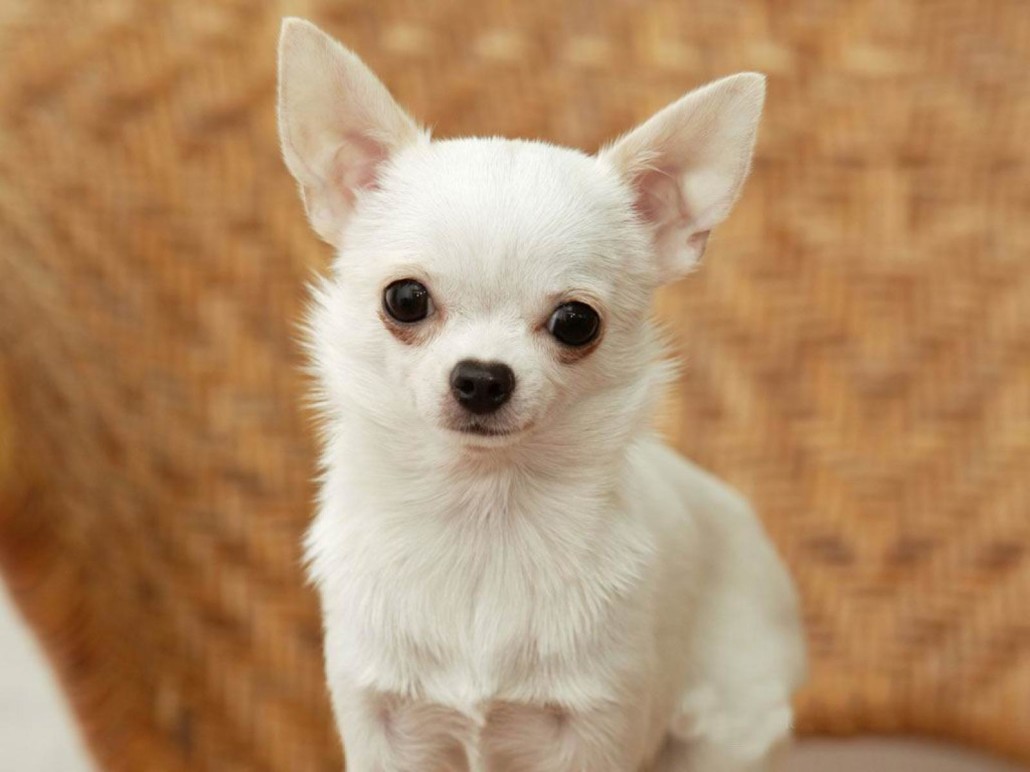
Chihuahuas are the smallest recognized dog breed and they come in a wide variety of sizes, head shapes, colors, and coat lengths. The apple-shaped head is a breed standard, however. These dogs are typically petite with large eyes and upright ears. Thier ears should not be cropped.

Size

On average, these dogs are between 4 to 10 pounds and measure between 6 to 10 inches at the shoulder blades, or the withers. The breed standards say that Chihuahuas should be  below six pounds in weight, but breeders may caution  potential owners against buying exceptionally diminutive dogs.

Coat

Chihuahuas come in all colors.  No color or marking type is considered to be a fault in this breed, except perhaps merle which has been banned by the F.C.I. (Fédération Cynologique Internationale) and a number of countries around the globe. Even on long haired varieties, these dogs have thin coats but having a coat that is considered too thin will disqualify a Chihuahua from the showring.

Short History

Short History of the Chihuahua

Mexico is the original location of these diminutive divas, as both folklore and archeological  evidence will attest. It is a common belief is that the Techichi, a pet favored by the Toltec civilization, are the ancestors of the  modern Chihuahua breed. Records of the Toltec civilization prior to the 9th century are not available,  yet dog pots from Colima, Mexico have been found dating back to 300 B.C. and they are thought to depict Techichis.

At some point in time, the Techichis may have been crossbred with a hairless type of dog, which resulted in the modern Chihuahua. These dogs may then have eventually traveled to Europe from the New World with Columbus or one of his sailors. Regardless of their mysterious origins, the breed was recognized by American Kennel Club  AKC) in 1904 and, according to the AKC, the Chihuahua currently ranks as the 13th most popular dog type.

Temperament

Temperament

They are generally good with other household dogs and pets, though Chihuahuas can be a bit snobby and tend to prefer others of their own breed. These dogs are also very affectionate to the one person they deem worthy of their attention and generally the rest of their families, but they do not like strangers of any kind. For their size, Chihuahuas are excellent watchdogs. However, these dogs can become boredom barkers if not properly trained.

As with some small breeds, Chihuahuas are unaware of how diminutive they are and will not hesitate to challenge larger dogs. They have terrier-like personalities as a whole and are prone to digging and chasing smaller animals. Chihuahuas are also well known for being rather temperamental. The result is that they are generally not good around small children.


Caring for Your Chihuahua


Health

General Health

In good health Chihuahuas can live over fifteen years. There are a few major health concerns for the Chihuahua breed such as windpipe collapse and patellar luxation. The latter is common on small dogs and is basically a dislocation of the knee cap. If this breed starts limping or hopping about it is a good idea to take it to the vet. Pulmonic stenosis, hydrocephalus, portosystemic shunt, and KCS are all additional but minor health concerns in this breed. Very small Chihuahuas may also be prone to hypoglycemia.

In addition to these things, a soft spot in the skull called a molera is a common breed trait. This can occur due to incomplete fontanel closure. While this can lead to seizures in some Chihuahuas, the condition typically doesn’t pose any health risks. Yet, dogs who are diagnosed with this condition are more likely to suffer head injuries should refrain from rough horseplay. Therefore, Chihuahuas with molera spots are not well suited for homes that also contain larger dogs or very small children.

Due to their short or thin coats and warm native environment, Chihuahuas will react badly to cold. In cool climates, outfitting them with sweaters or jackets is a very good idea. As with any toy breed, care should be taken of both the dog and small children when they are in contact with one another. Young children tend to view toy dogs as inanimate objects and toddlers may trip over family pets. This can cause problems as Chihuahuas are known to bite if handled too roughly.

Grooming & Bathing

Grooming & Bathing

When bathing Chihuahuas care should be taken not to let them get too cold. They should be dried with a towel or a blow drier and not be allowed to air dry. While the dogs can be bathed as often as several time per week, once or twice a month is perfectly adequate.

Care

Daily

The Chihuahua is a lively dog, but can get its exercise running from room to room indoors. It enjoys exploring the yard or going for short walks on a leash and especially enjoys accompanying its family on outings.

Weekly

Smooth coated Chihuahuas need very little grooming, but the long haired varieties need brushing two to three times weekly. Long haired Chihuahuas do shed once or twice a years, so owners should be aware of that. A soft bristle brush works best for overall brushing, but a wire brush is good for areas prone to tangling or matting. Brushing a dog’s teeth once a week, if not more frequently, can prevent the onset of periodontal diseases which is a concern in most older dogs.There are now both toothbrushes and toothpaste on the market for dogs.

Monthly

As with any dog breed, Chihuahuas should have their nails trimmed on a regular basis. They should also have heartworm, flea and tick prevention medicine given to them every month. Chihuahuas’ large ears also benefit from a regular cleaning using a cotton ball and special solution that can either be purchased at your veterinarian’s office or at a pet supply store.

Exercise & Training

Exercise & Training

This dog breed is very smart, which can sometimes lead to the question of who exactly is being trained. Though they have a bad reputation as a breed for as for getting away with habits that would be forbidden in larger dogs, Chihuahuas can be trained. They respond well to rewards-based learning. However, as they are very tiny dogs, care should be taken that they don’t overindulge in goodies.

~Sources: Vetstreet, Dog Breed Info Center, AKC, UKC, Wikipedia, Animal Planet, previous materials

Chihuahua Picture Gallery

Chesapeake Bay Retriever

CHESAPEAKE BAY RETRIEVER – Hunt Waterfowl


What makes the Chesapeake Bay Retriever Unique?

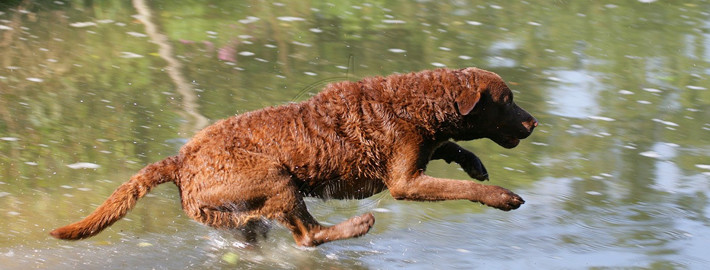
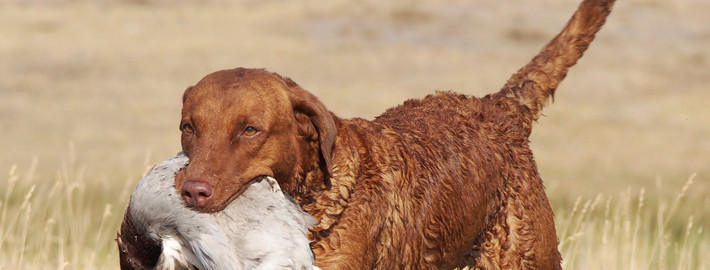
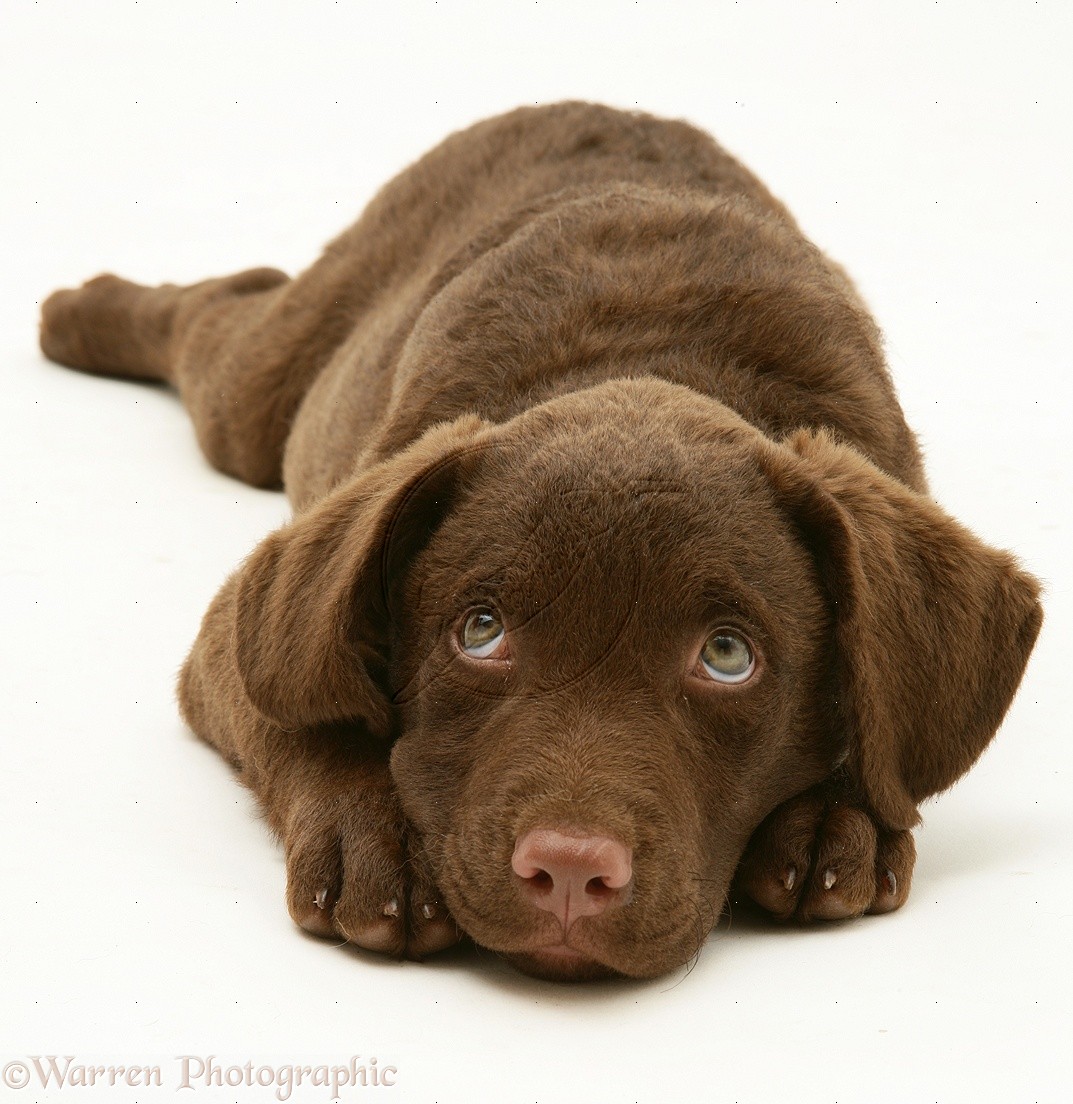
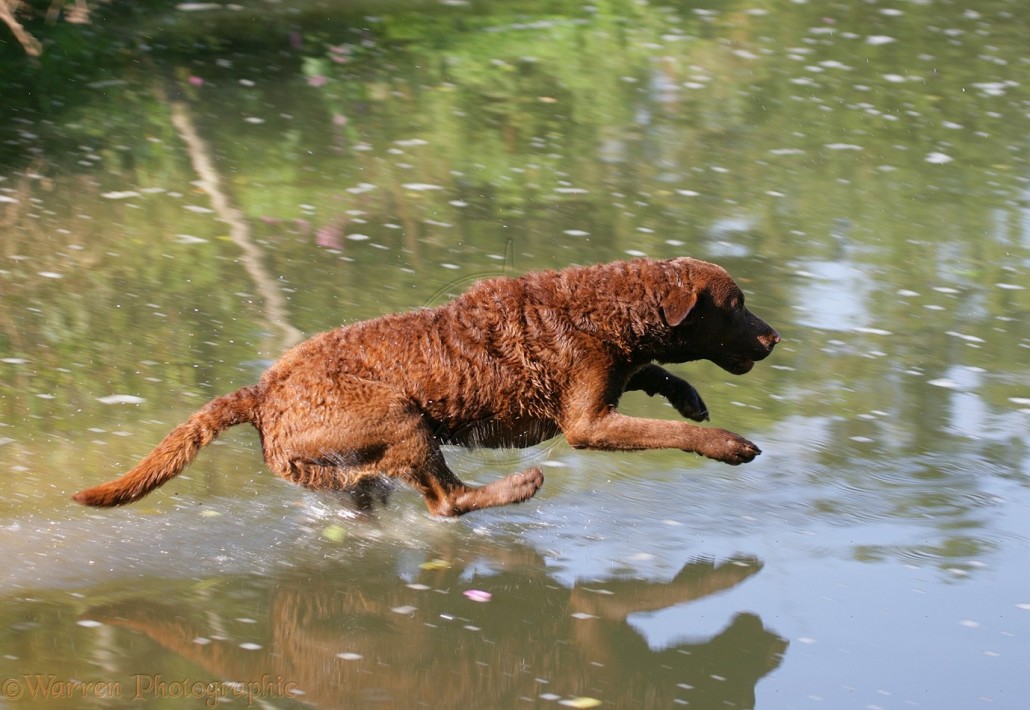
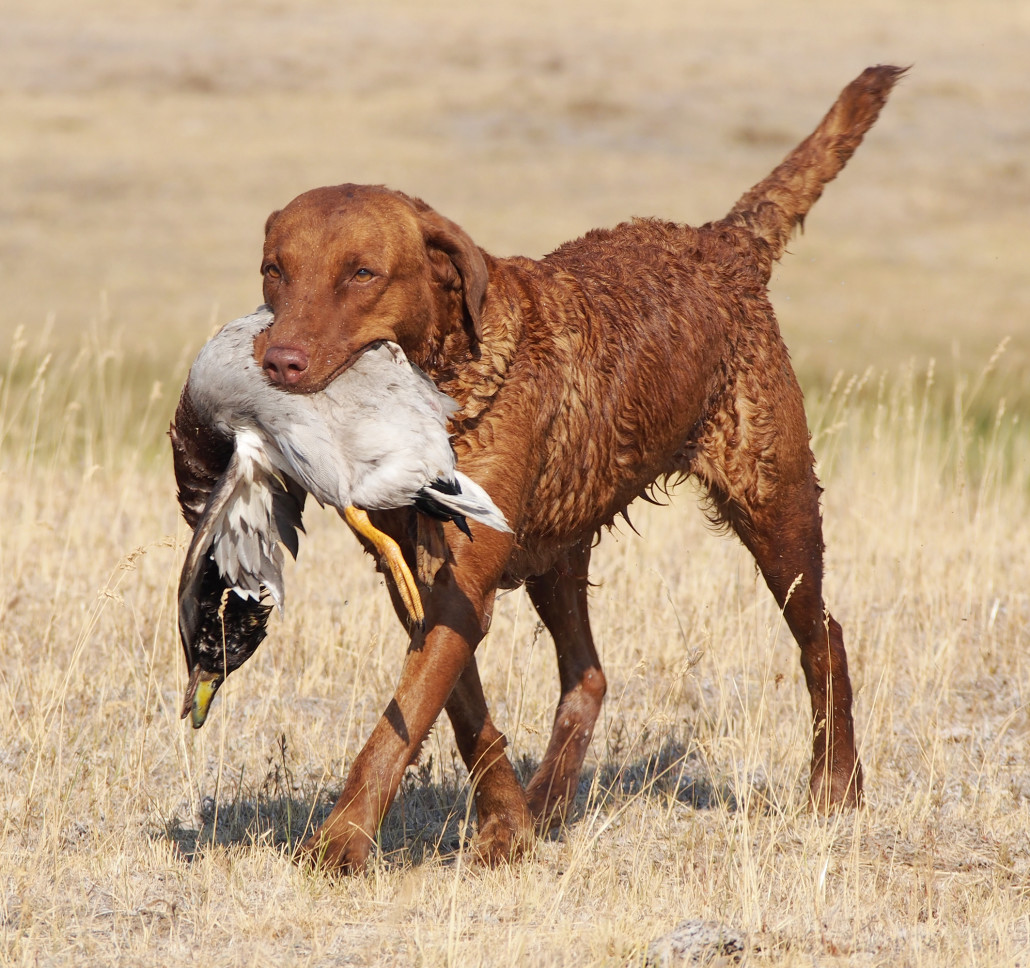
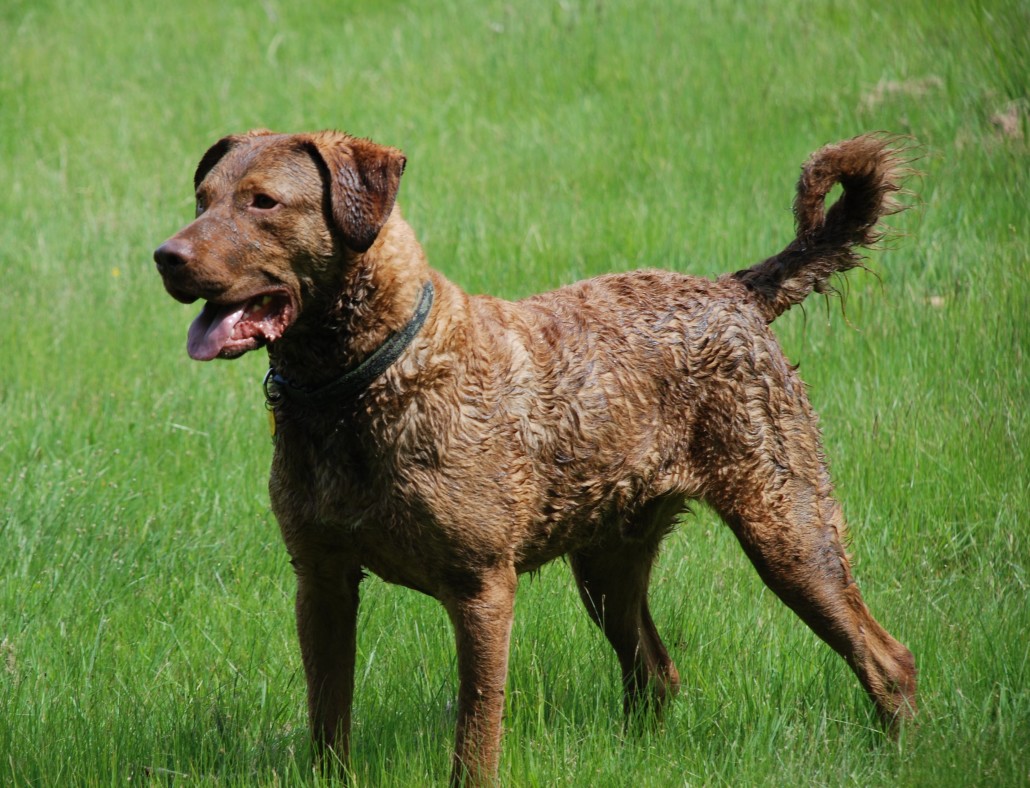
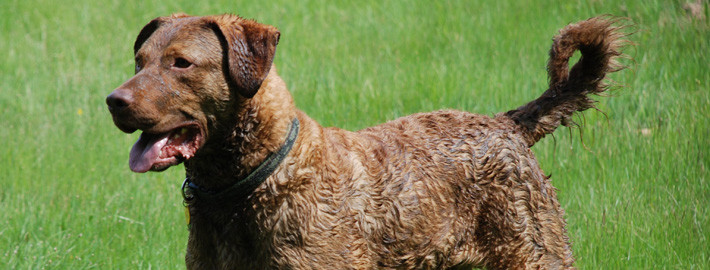
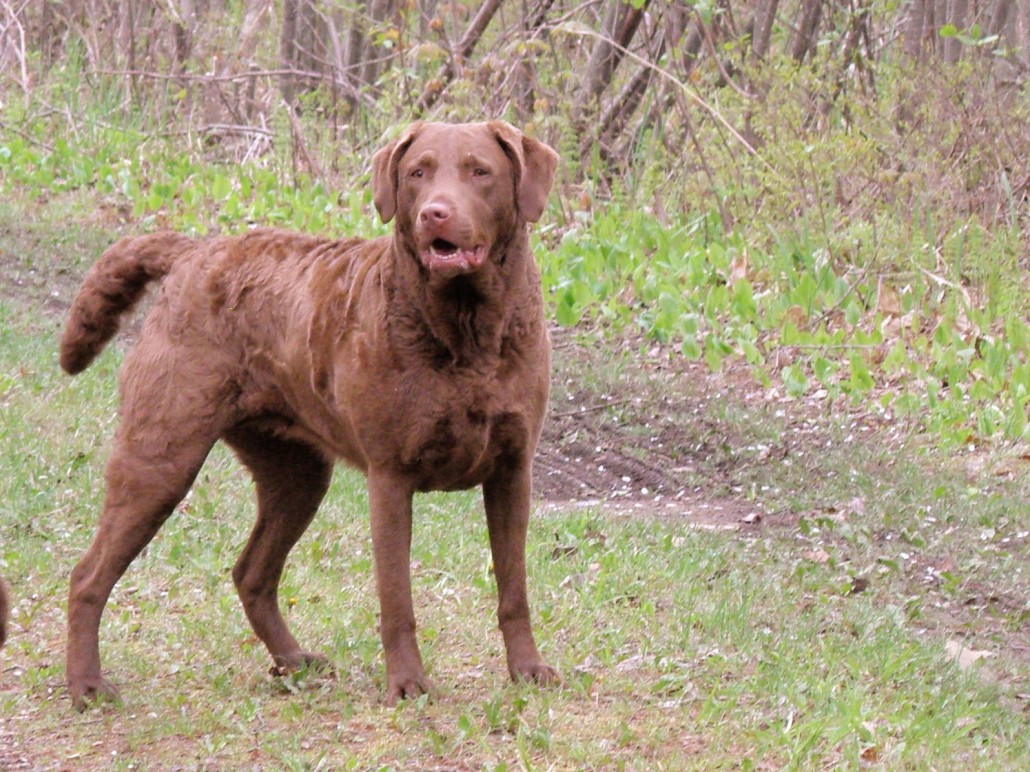
The Chesapeake Bay retriever was developed to hunt waterfowl under adverse conditions, facing strong tides in rough water, high winds and sometimes even having to break through ice. It is an extraordinary swimmer, with a strong, yet tender, bite enabling it to carry birds. It has powerful limbs and webbed feet. The Chessie is slightly longer than tall, with its hindquarters as high, or higher, than its forequarters. Its coat is rendered virtually waterproof by virtue of its oily, harsh outer coat and dense wooly undercoat. The color matches its working surroundings: any shade of brown, sedge or dead grass.

The Chesapeake Bay retriever is hardy enough to not only withstand, but also relish, repeated plunges into icy water. It loves to swim and retrieve. Despite an active life when outdoors, inside it tends to be calm. The Chessie tends to be independent, although it is eager to learn. It is reserved with strangers and can be protective; it also can be aggressive toward strange dogs if challenged. This is the hardiest, most strong-willed and protective of the retriever breeds.

SnapShot

Size: Males – 58 to 66 cm (23 to 26 inches)
Females – 53 to 61 cm (21 to 24 inches)
Weight: Males – 29 to 36 kg (65 to 80 pounds)
Females – 25 to 32 kg (55 to 70 pounds)
Origin: United States of America
Life Span: 10 – 12 Years
Colour: Dark Brown, Deadgrass, Light Brown, Sedge, Brown, Tan
Litter Size: 4 to 6 puppies

Fun Fact

THE CHESSIE ISN’T HARDWIRED TO BE A COMPANION; HE’S A HUNTING DOG, PURE AND SIMPLE. AND NOT JUST ANY OLD HUNTING DOG.

Is the Chesapeake Bay Retriever Right For You?

The Chesapeake Bay retriever was developed to hunt waterfowl under adverse conditions, facing strong tides in rough water, high winds and sometimes even having to break through ice. It is an extraordinary swimmer, with a strong, yet tender, bite enabling it to carry birds. It has powerful limbs and webbed feet.

The Chessie tends to be independent, although it is eager to learn. It is reserved with strangers and can be protective; it also can be aggressive toward strange dogs if challenged.

In 5 Words

  • Protective
  • Quiet
  • Happy
  • Intelligent
  • Affectionate

Characteristics

Exercise
Friendliness
Trainability
Watchdog
Health Issues

Learn About the Chesapeake Bay Retriever


Description

Description

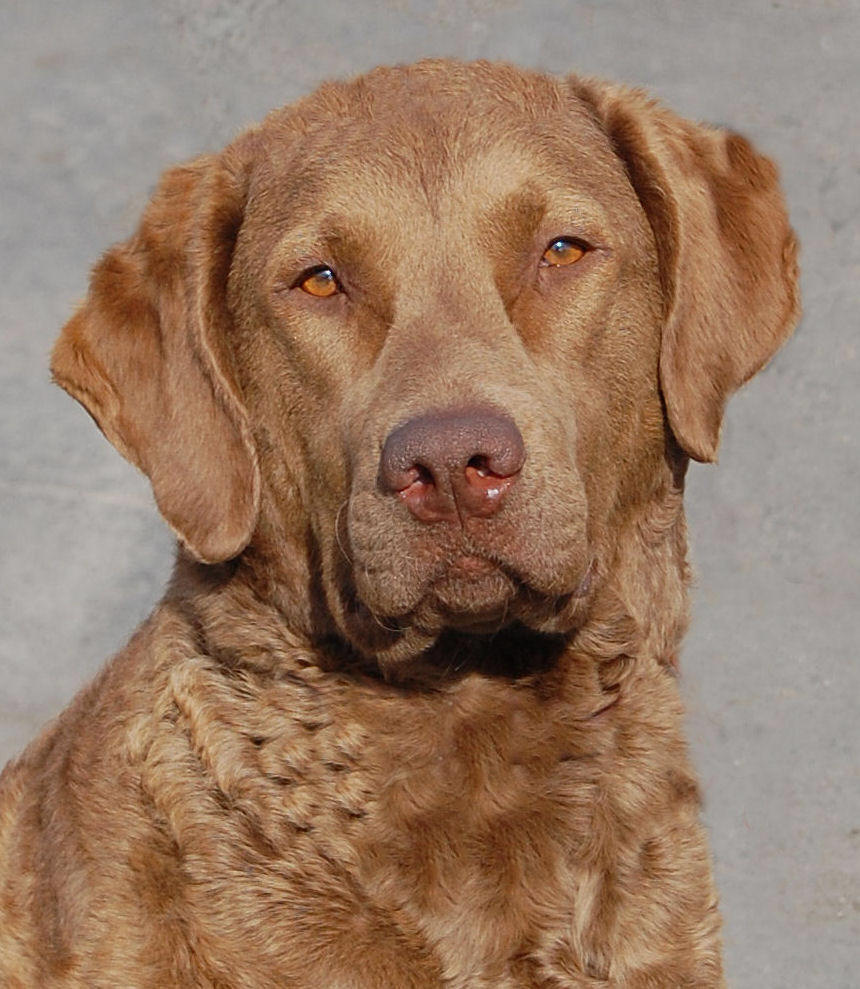
The Chesapeake Bay Retriever is a powerful, muscular dog. The head is broad with a medium stop. The muzzle is about the same length as the skull, tapering but not to a point. The wide-set eyes are yellowish to amber in color. The small ears are high set, hanging loosely. The teeth meet in a scissors or level bite. The lips are thin. The tail is medium in length, heavy at the base.

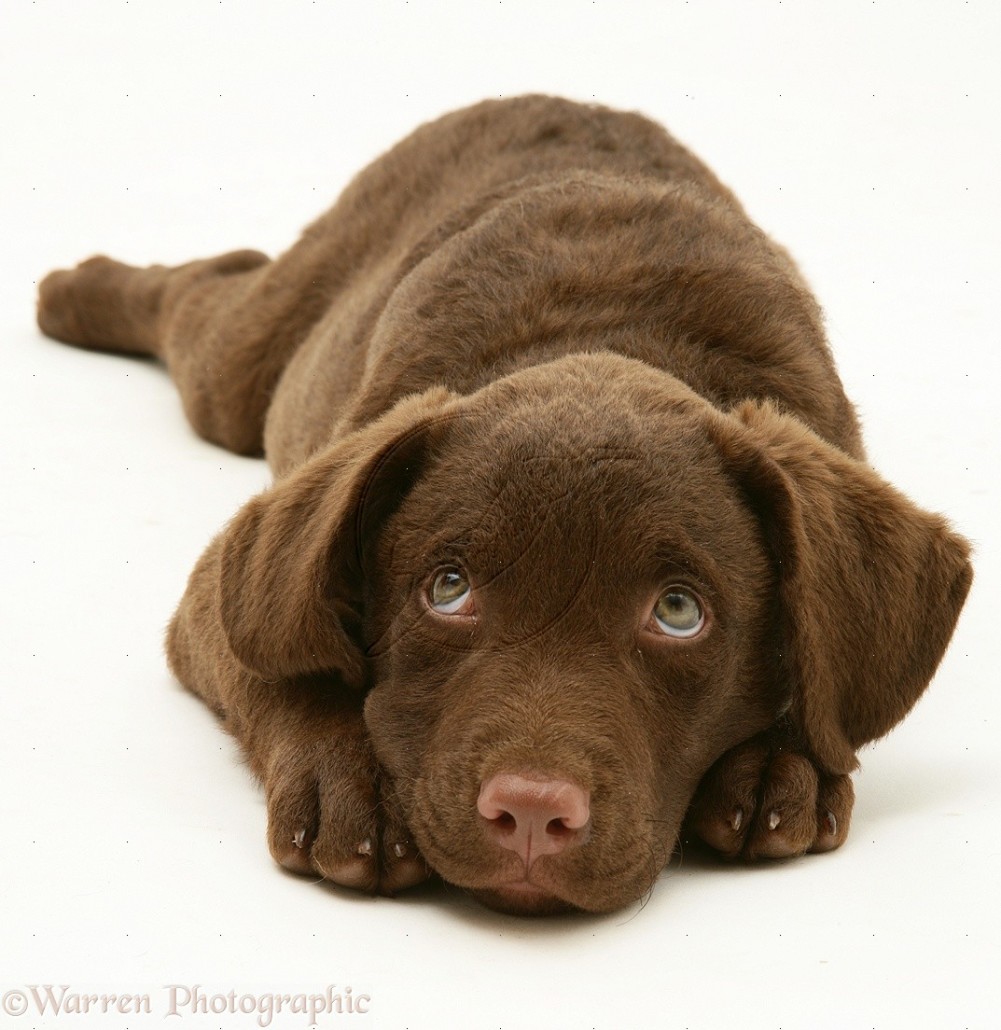
The Chesapeake is a strong, muscular dog with a short, thick wavy coat. He comes in any shade of brown and has yellow or amber coloured eyes. Compared to the Labrador, he is slightly bigger in stature, and has a very different personality.

In body, the Chesapeake is a strong, well-balanced, powerfully built animal of moderate size and medium length in body and leg, deep and wide in chest, the shoulders built with full liberty of movement, and with no tendency to weakness in any feature, particularly the rear. The power though, should not be at the expense of agility or stamina. Size and substance should not be excessive as this is a working retriever of an active nature.

.

Short History

Short History of the Chesapeake Bay Retriever

In 1807, an English brig shipwrecked off the coast of Maryland and two Newfoundlands were rescued from the cargo. When bred to local retrievers, including the English Otter Hound, Flat-Coat and Curly-Coated Retriever, the “Chessie” type developed. Bred to work on land and water, the Chesapeake Bay Retriever originally hunted waterfowl in rough and icy waters, often retrieving several hundred birds per day. Members of the breed may also be referred to as a ChessieCBR, or Chesapeake. The breed was developed in the United States Chesapeake Bay area during the 19th century. Historically used by area market hunters to retrieve waterfowl, it is primarily a family pet and hunting companion.

Temperament

Temperament

The Chesapeake Bay Retriever should show a bright and happy disposition with an intelligent expression. Courage, willingness to work, alertness, nose, intelligence, love of water, general quality and, most of all, disposition should be given primary consideration in the selection and breeding of the Chesapeake Bay Retriever.

The Chesapeake Bay retriever is hardy enough to not only withstand, but also relish, repeated plunges into icy water. It loves to swim and retrieve.

These are intelligent, brave and obedient dogs. They are trainable, willing and able to please, although they may be a little slow to learn. Chesapeake Bay Retrievers are affectionate, loving, friendly and good with children. They have a passion for water, swimming and retrieving.


Caring for Your Chesapeake Bay Retriever


Health

General Health

The breed is subject to a number of hereditary diseases. These include, but are not limited to:

  • Hip dysplasia
  • Progressive retinal atrophy
  • Type 3 von Willebrand disease
  • Cataract
  • Regional Alopecia in both sexes

Grooming & Bathing

Grooming & Bathing

He is NOT suitable as a pet dog treated as an equal. If he admires you then he will work for you and love you as only a dog can. Whilst he can be a devoted housedog, it is best combined with an active lifestyle or a working life where both his brain and body are exercised. He craves company and should not be in a home where he is left alone for much of the day.

The oily coat helps protect the dog from icy waters. This breed is an average shedder.

Exercise & Training

Exercise & Training

The Chessie is a large active dog that needs a daily chance to exercise. It enjoys a good walk or swim. It can live outside in temperate conditions, but more than anything it prefers to spend time with its family.

Chesapeake Bay Retriever Picture Gallery

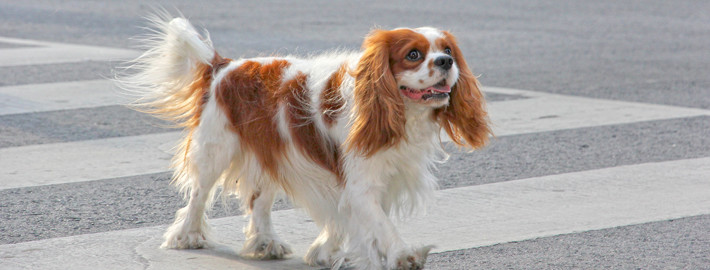
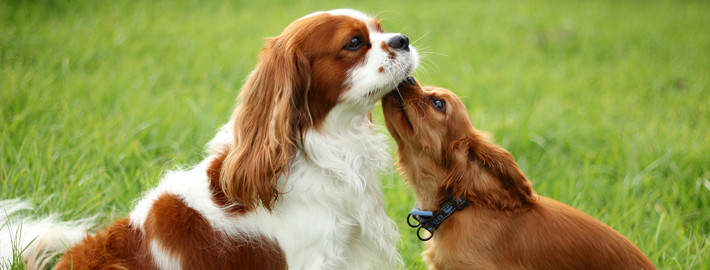
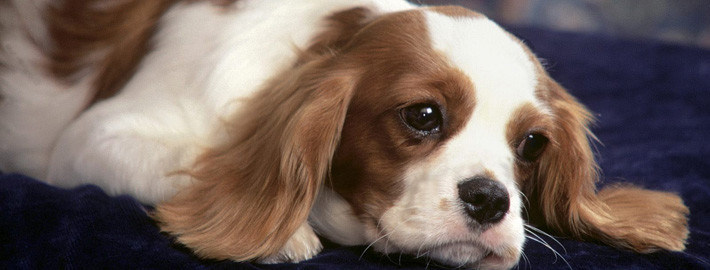
Cavalier King Charles Spaniel

CAVALIER KING CHARLES SPANIEL – Hallmark


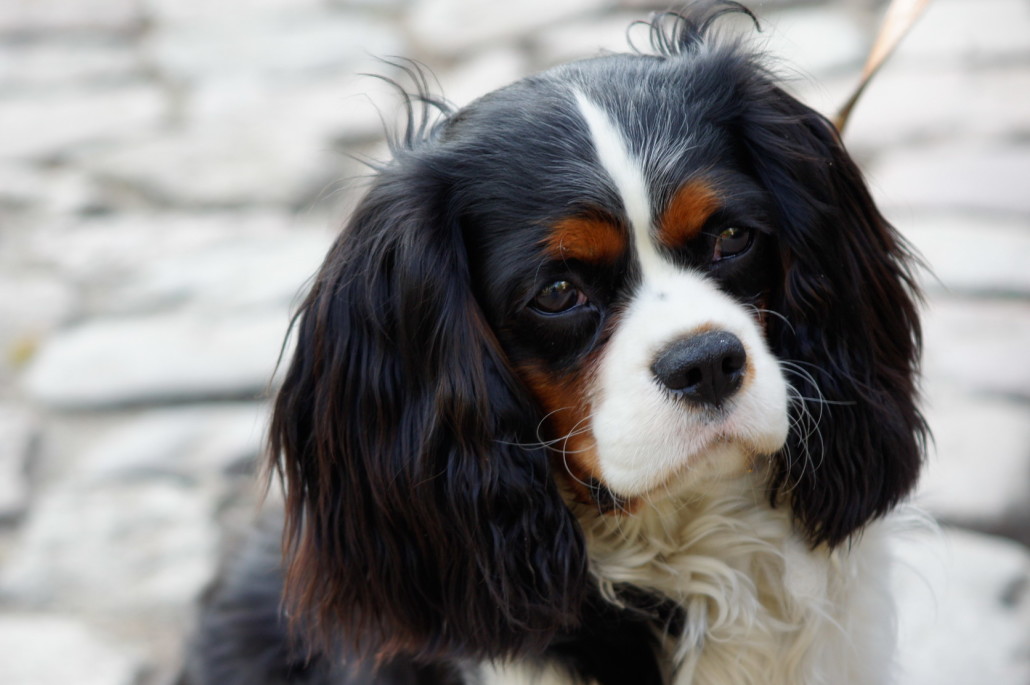
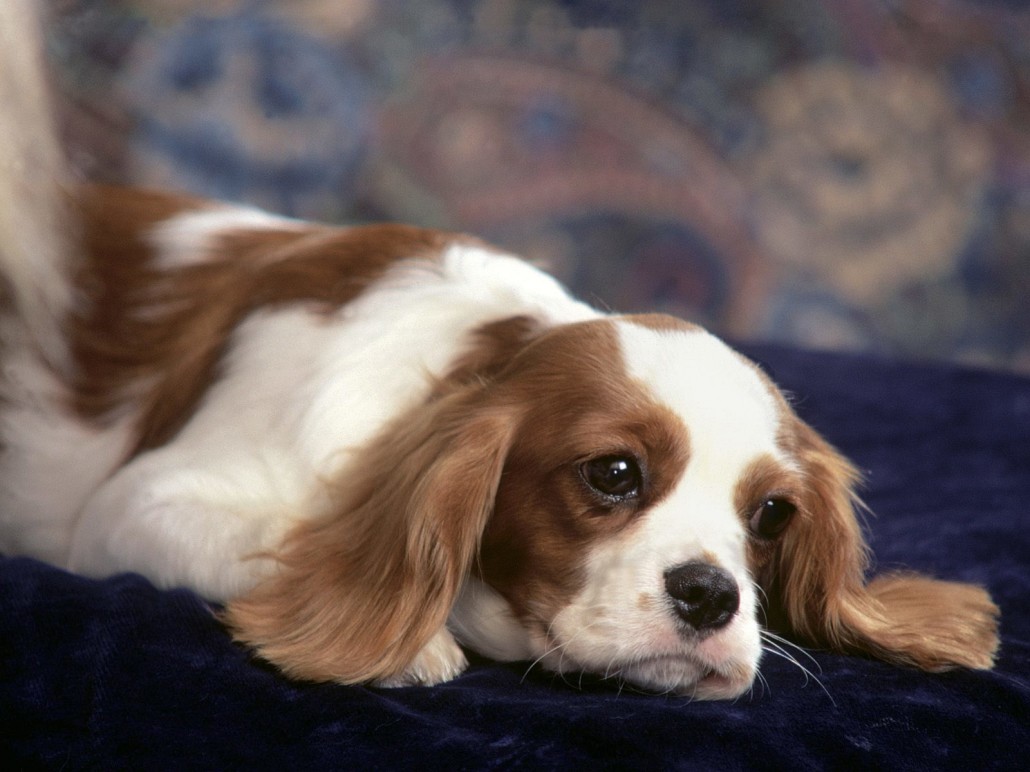
  • Cavalier King Charles Spaniel is so sweet

What makes the Cavalier King Charles Spaniel Unique?

These friendly little lap dogs were once pampered royal pets, yet they are anything but snobs. Gregarious and loveable, Cavalier King Charles Spaniels just want to spend time having fun with their families. These energetic dogs are exceptionally well suited for apartment life and active families with older child

SnapShot

Size: Males – 30 to 33 cm (12 to 13 inches)

Females – 30 to 33 cm (12 to 13 inches)

Weight: Males – 5.9 to 8.2 kg (13 to 18 pounds)

Females – 5.9 to 8.2 kg (13 to 18 pounds)

Origin: United Kingdom
Life Span: 9 – 14 Years
Colour: Blenheim, Tri-color, Black & Tan, Ruby
Litter Size: 4 to 6 puppies

Fun Fact

SEX AND THE CITY’S” CHARLOTTE YORK HAD A CAVALIER KING CHARLES SPANIEL NAMED ELIZABETH TAYLOR. REAL-LIFE CELEBRITIES CLAIRE DANES, TERRI HATCHER, MISCHA BARTON.

Is the Cavalier King Charles Spaniel Right For You?

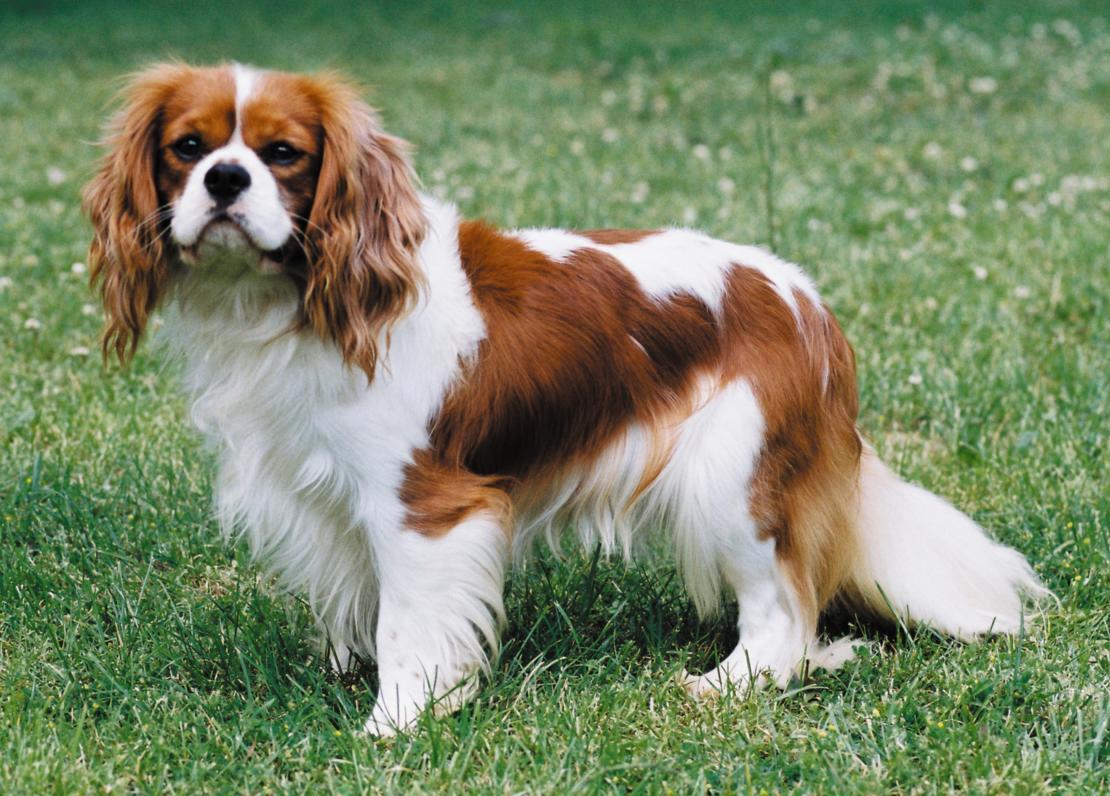
The cav is an elegant, royal, toy spaniel, slightly longer than tall, with moderate bone. It retains the build of a working spaniel, yet in a smaller version. Its gait is free and elegant, with good reach and drive. Its silky coat is of moderate length, with a slight wave permissible. Long feathering on the feet is a breed characteristic.

The cavalier in many ways fits the bill as an ideal house pet. It is sweet, gentle, playful, willing to please, affectionate and quiet. It is amiable toward other dogs, pets and strangers.

In 5 Words

  • Playful
  • Adaptable
  • Fearless
  • Patient
  • Affectionate

Characteristics


Exercise
Friendliness
Trainability
Watchdog
Health Issues

Learn About the Cavalier King Charles Spaniel


Description

Description

General Description

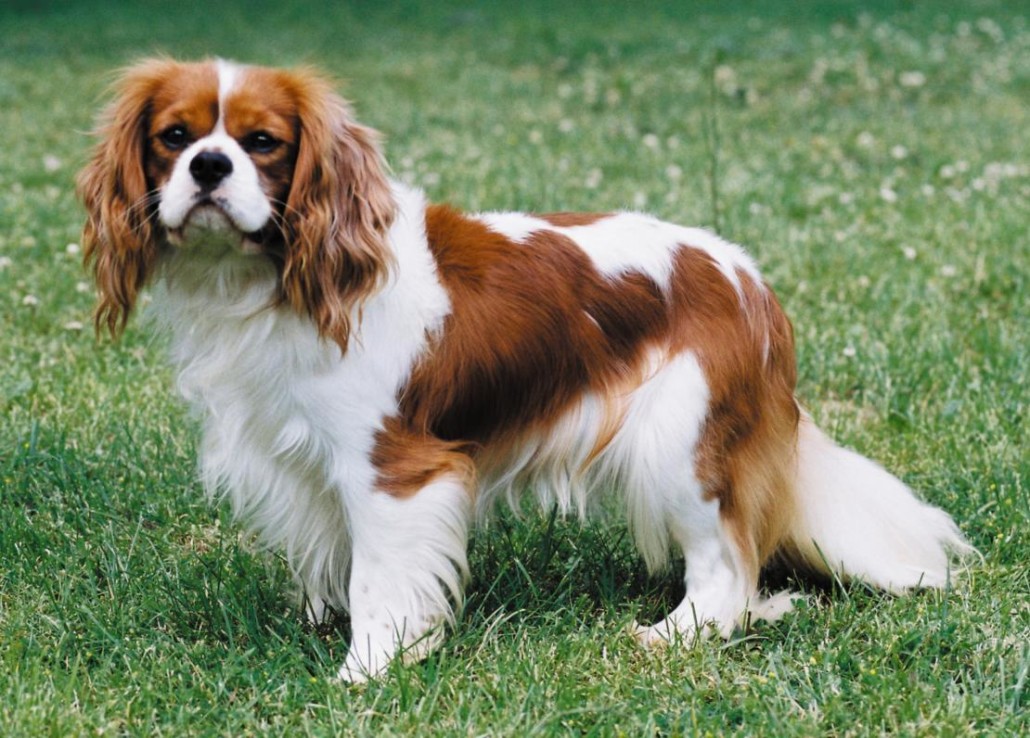
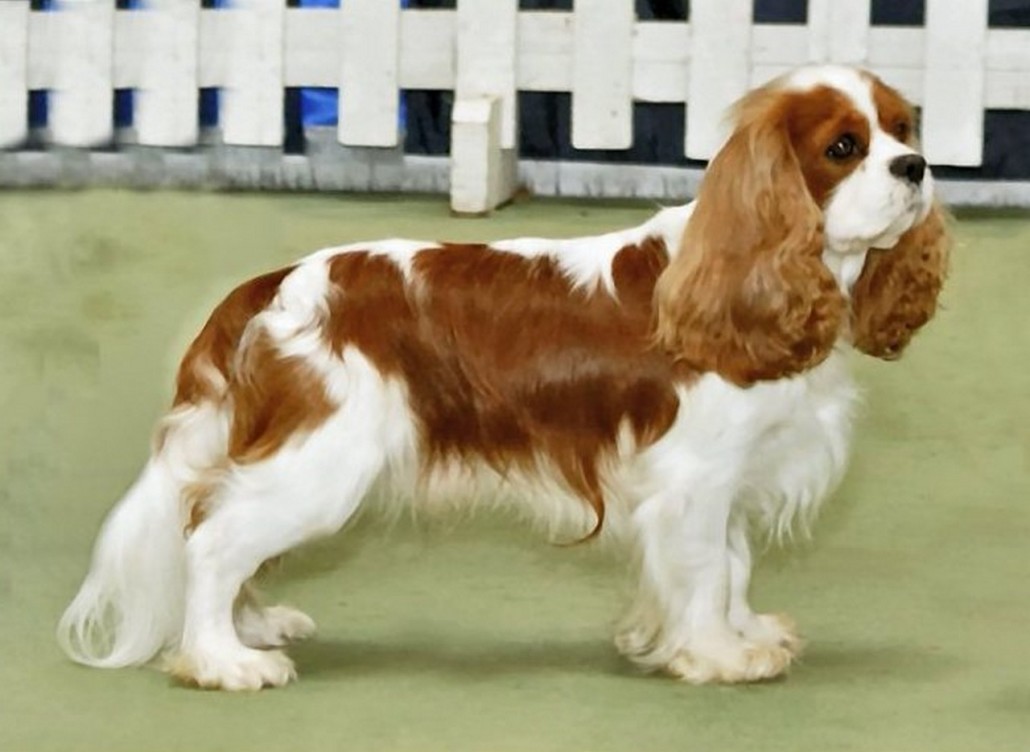
The Cavalier King Charles Spaniel is a well-proportioned little dog with an elegant and noble posture. The head on these dogs should be slightly rounded and they should have a completely black nose. This breed also has high set hanging (pendant) ears that are slightly feathered.

Their muzzles should be full, but tapered slightly to a shallow stop. Teeth on this breed should meet in a scissor bite. These dogs have short legs with compact, well-padded feet. They also have long necks, sloping shoulders, and straight forelegs.

Additionally, the Cavaliers have medium length, feathered tails set at the level of their backs. When a dog is relaxed their tails will be in a downward position. When a dog is in motion, its tail may be carried in an upward curl, but never above the level of its back.

Size

Among the largest toy dog breeds, Cavaliers measure 12 to 13 inches (30-33 cm.) at the shoulder blades and weigh between 13 to 18 pounds (5.9 to 8.2 kilograms) on average. The standard size is the same for both male and female dogs.

Coat

Dogs of this breed have medium length, silky fur. While curly coats are considered a fault in Chevaliers, wavy coats are permitted. Coats on Chevaliers come in black & tan, tri-color, red, and chestnut on white. These dogs shed fur in moderate amounts.

Short History

Short History of the Cavalier King Charles Spaniel

The modern Cavalier King Charles Spaniel is a descendant of the small Toy Spaniels seen in many paintings from the 16th, 17th and 18th centuries. Members of this breed have clearly been popular pets of the European nobility and aristocracy for a hundreds of years.

In the early 1920s, an American named Roswell Eldridge visited England and apparently was disappointed to discover that the original King Charles Spaniel had effectively been replaced by a smaller, flatter-faced breed. This was the direct result of crossbreeding the formerly popular spaniel types with the newly popular pugs. during the late 1700s. English breeders had also contributed by trying to rid these dogs of their long noses for some time. As a result, the original King Charles Spaniel was all but extinct.

Mr. Eldridge’s efforts to restore the breed to its former appearance and popularity eventually paid off, though he did not live to see it. Dogs of the type he and his fellow enthusiasts preferred were given the addition of “Cavalier” to their breed names to prevent them from being confused with the English varieties. The Cavalier King Charles Spaniel was accepted into the KC in 1945 and was grouped into the Miscellaneous class of the AKC in 1961. The breed has since been moved to the toy group in 1995

Temperament

Temperament

The Cavalier is an elegant breed, but it retains the build of a working spaniel on a smaller scale. This dog will make an ideal house pet, as it is both affectionate and quiet. It is amiable toward other dogs, pets, and strangers. Cavaliers do not make good guard dogs because they are extremely friendly and are not at all aggressive. However, being relatively small and easy going, Cavaliers do make good travel companions.

These dogs do not handle being left alone in a household for long periods of time and in such circumstances would benefit from having another dog for company. Cavaliers are better suited as a playmate for older children. Small children and toddlers may see the small dogs as inanimate toys and treat them accordingly, which could result in unfortunate injuries to either the animal or the child.

When outdoors, a Cavalier’s spaniel heritage kicks in. As a result, these dogs love to explore, sniff, and chase whatever crosses their path. The Cavaliers also like to hunt small animals and insects. However, these dogs will be equally happy playing fetch with their human families. Unless it is playing in a fenced-in area, a Cavalier should always be kept on a leash because these dogs have no common sense when it comes to cars.


Caring for Your Cavalier King Charles Spaniel


Health

General Health

In good health this breed will live between nine and 14 years. The Cavalier King Charles Spaniels are prone to a number of genetic conditions. As a breed, they show the highest incidence of Mitral Valve Disease (MVD), a disease in which the mitral heart valve does not close correctly when pumping out blood. This can manifest as such symptoms as palpitations, shortness of breath, pulmonary oedema and heart failure. Cavaliers are also rather prone to hereditary eye conditions, such as cataracts and a condition known as “dry eye”. The latter condition affects the tear ducts and reduces the production of tears needed to keep the eyes healthy.

These dogs also have a tendency to put on weight easily, therefore care should be taken not to overfeed them. Cavaliers were not bred to live outdoors, and should not be expected to do so. In fact, if the weather is extremely hot or cold it would be best to keep these dogs inside where the temperature can be controlled.

Care

Daily

Aside from daily feeding and watering, the Cavalier needs a fair amount of exercise as well. The dog can either be taken for a walk on its leash or be allowed to frolic in a safe, fenced in area. Cavaliers also have long coats, which will need brushing every other day.

Weekly

A weekly brushing of a Cavalier’s teeth will prevent the onset of periodontal disease, which is common in older animals. The feathering (the silky long hairs) on the tail, belly, and ears should be brushed two to three times a week in order to prevent mats or tangles from forming. The most common places for tangles on this breed is behind the ears and where the legs join the body. The entire dog should be combed completely at least once a week.

Monthly

As with any breed of dog, Cavaliers should be treated for heartworms and fleas on a monthly basis. Their toenails should be clipped and ears cleaned on an as-needed basis.

Grooming & Bathing

Grooming & Bathing

This breed will greatly benefit from bi-weekly or monthly baths, though some owners may choose to bathe them more frequently. As was mentioned earlier in this article, these dogs will require brushing two or three times a week. The hair that grows between the pads on their feet should also be kept trimmed

Exercise & Training

Exercise & Training

In general, Cavalier King Charles Spaniels are fairly easy to train, though there are the occasional Cavaliers that are far more stubborn than their contemporaries. House-training should not be difficult with this breed, provided that the dogs receive consistent instruction. They may run and hide if they are yelled at, but are quite partial to treats as rewards for desired behaviors. Owners that find this an effective training method should nonetheless exercise caution not to overdo the goodies due to the Cavaliers’ predilection for gaining weig

Cavalier King Charles Spaniel Picture Gallery

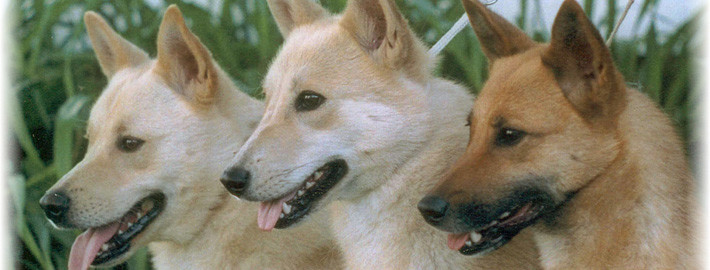
Canaan

CANAAN DOG – Square-Proportioned


What makes the Canaan Dog Unique?


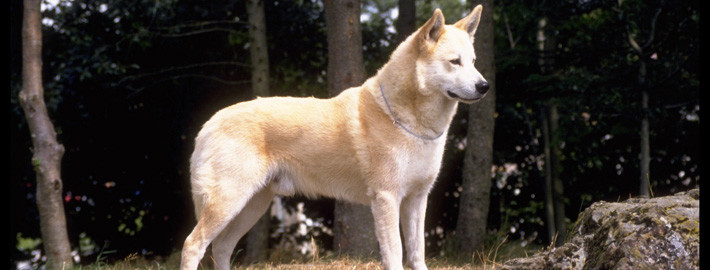
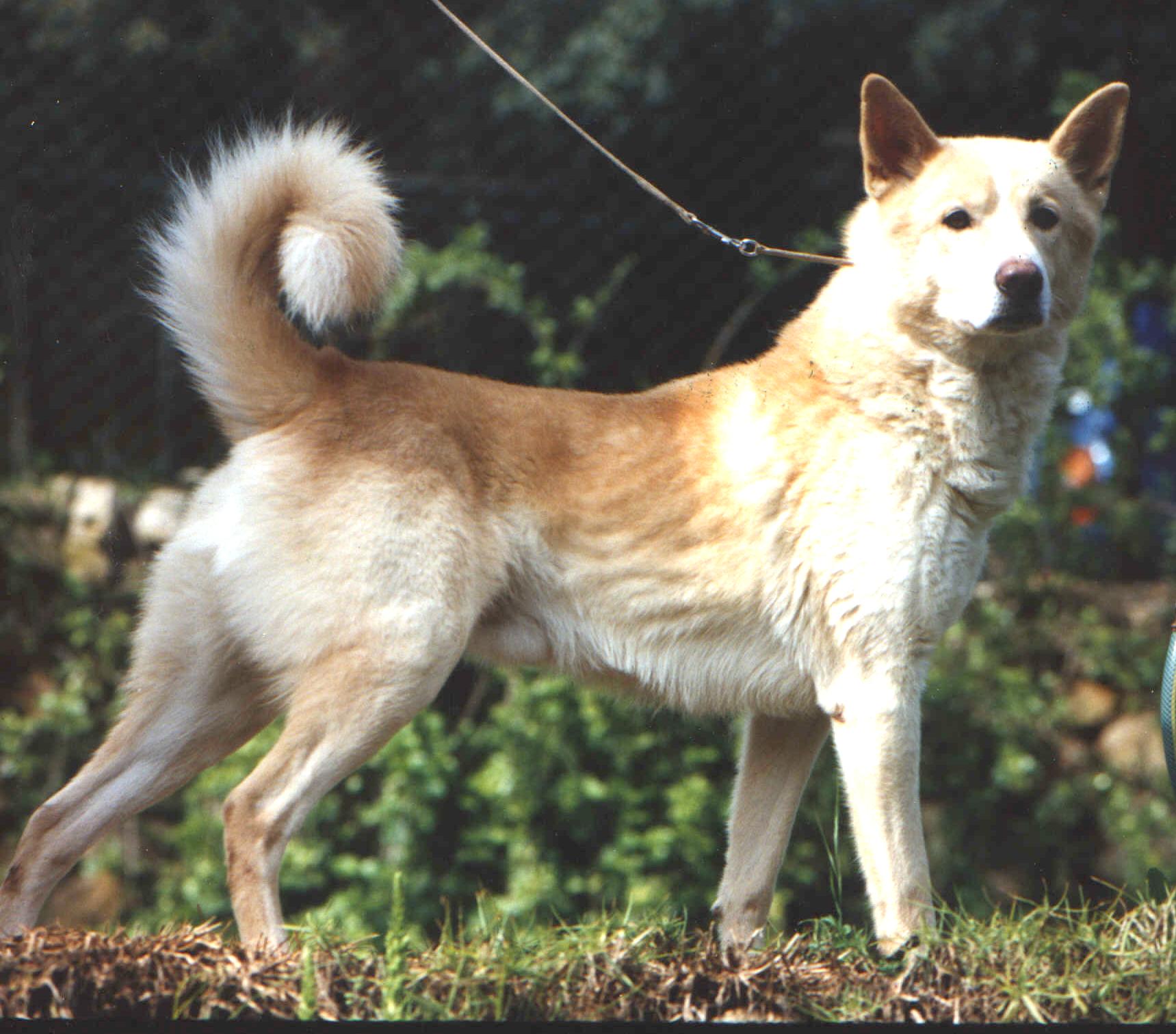
The Canaan dog resembles none of the other herding breeds, arising from a completely different background. nonetheless, it shares similar traits needed in any dog that must herd for hours. It is a medium-sized, square-proportioned dog of moderate substance that combines strength, agility and endurance. It is not exaggerated in any way. Its movement is athletic and graceful, with a brisk, ground-covering trot. It is able to change directions instantly. It has a double coat, with a short, soft undercoat that varies in density according to climate, and a straight, flat-lying, harsh outer coat, with a slight ruff. This breed must adapt to great extremes in weather ranging from hot days to cold nights.

Not only does the Canaan dog excel as a herder, but it has also proven itself in a variety of tasks involving dependability and obedience. This is an intelligent, devoted, docile dog that is quite tractable and willing to please. It is aloof toward strangers and protective of its family. The Canaan dog is generally good with other household pets and dogs, but it may be aggressive toward strange dogs. It is a natural guardian and tends to bark a lot.

Breed Groups
  • Herding Dog Breeds
  • Medium Size

SnapShot

Size: Males – 51 to 61 cm (20 to 24 inches)

Females – 48 to 58 cm (19 to 23inches)

Weight: Males – 20.4 to 24.9 kg (45 to 54.9 pounds)

Females – 15.9 to 20.4 kg ( 35.1 to 5 pounds)

Origin:  Israel, Middle East
Life Span: 12 – 15 Years
Colour: Golden, Red, Cream, Liver, Tan, Black
Litter Size: 4 to 6 puppies

Fun Fact

THE CANAAN DOG IS SAID TO HAVE ORIGINATED IN THE BIBLICAL LAND OF CANAAN, WHERE IT WAS USED TO GUARD CAMPS AND FLOCKS. AFTER THE ROMANS CAME, THE DOGS BECAME FERAL.

Is the Canaan Dog Right For You?

The Canaan dog resembles none of the other herding breeds, arising from a completely different background. nonetheless, it shares similar traits needed in any dog that must herd for hours. It is a medium-sized, square-proportioned dog of moderate substance that combines strength, agility and endurance. It is not exaggerated in any way. Its movement is athletic and graceful, with a brisk, ground-covering trot. It is able to change directions instantly.

This is an intelligent, devoted, docile dog that is quite tractable and willing to please. It is aloof toward strangers and protective of its family. The Canaan dog is generally good with other household pets and dogs, but it may be aggressive toward strange dogs. It is a natural guardian and tends to bark a lot.

In 5 Words

  • Vigilant
  • Devoted
  • Alertc
  • Cautious
  • Quick

Characteristics

Exercise
Friendliness
Trainability
Watchdog
Health Issues

Learn About the Canaan Dog


Description

Description

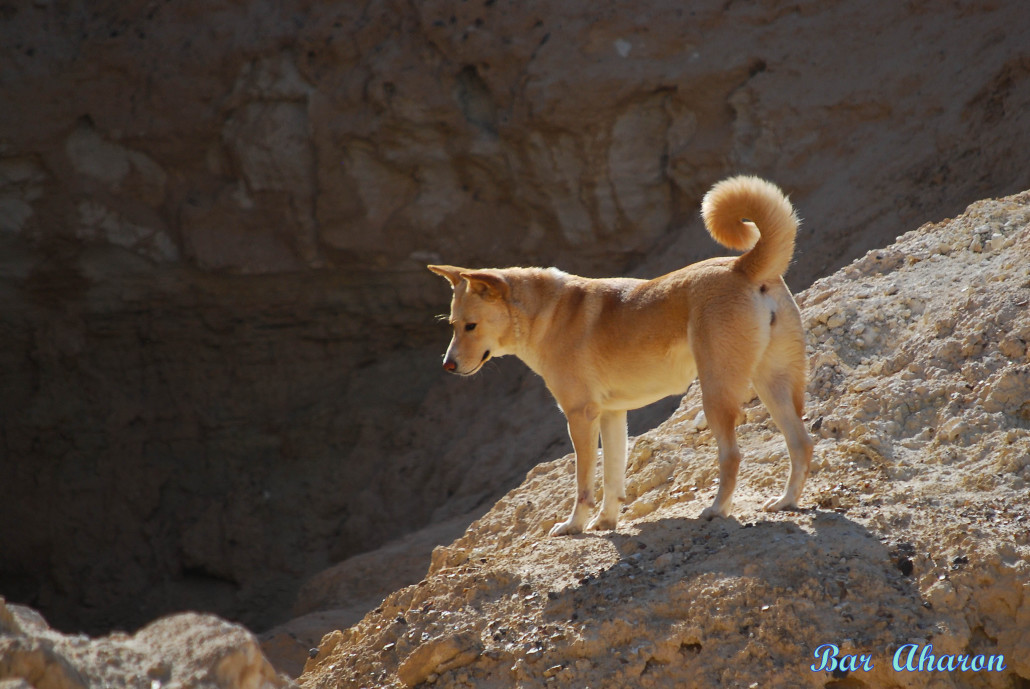
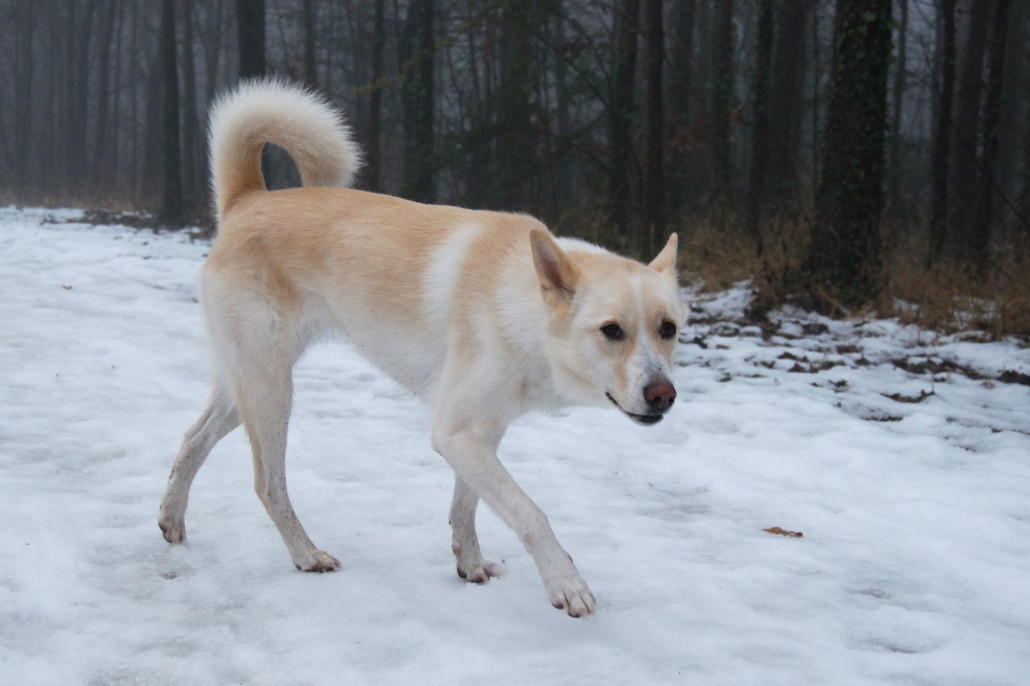
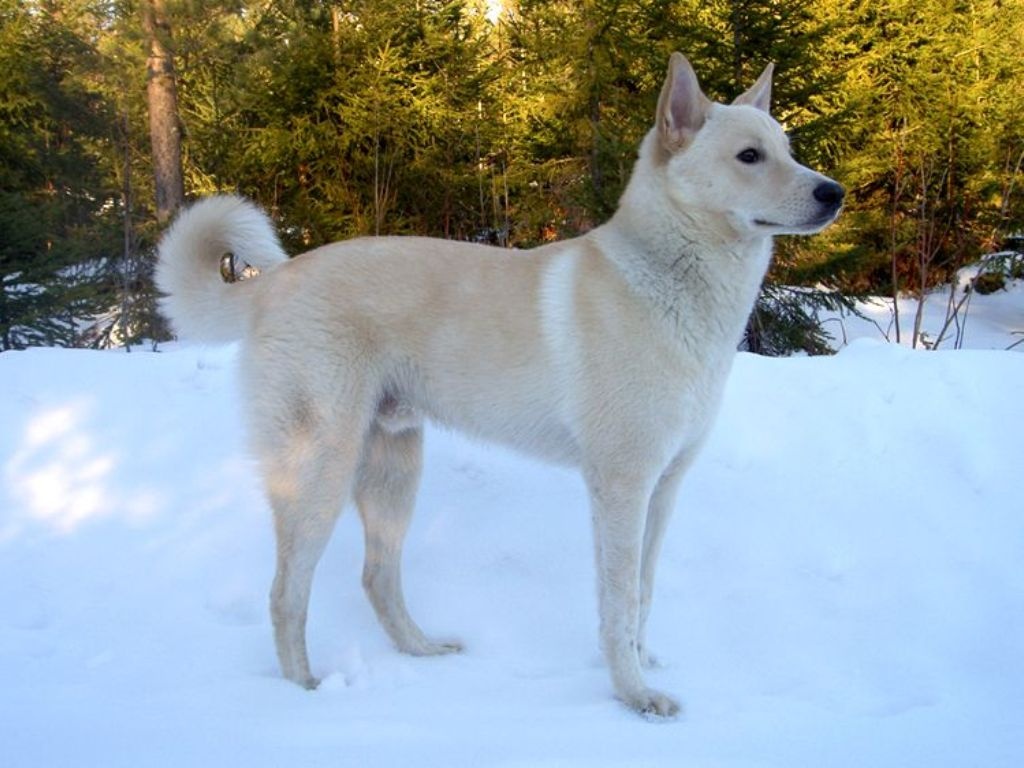
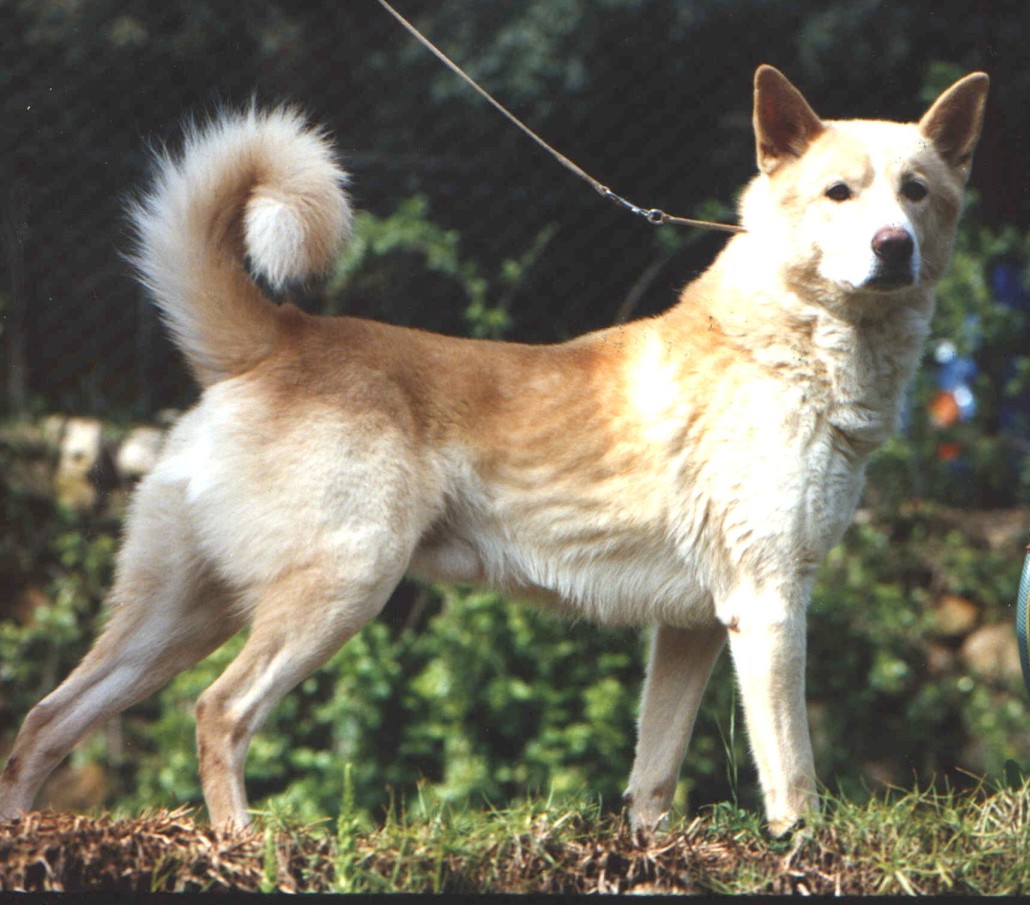
The dog’s almond shape eyes are a dark brown sitting over a slightly slanted and dark nose. The Canaan dog breed is a medium sized dog that is built in a sturdy fashion, with an overall proportionate body. The bushy tail curls when the dog is in ‘alert’mode. At first glance, the Canaan Dog look inquisitive when it glances at you more curious than suspicious. The pricked ears of this breed are broad at the base and have rounded tips, set high on the head.

Short History

Short History of the Canaan

Canaan dogs have evolved through hundreds, and perhaps thousands of years of hardship. It is said that this breed discovered in the biblical land of Canaan. Canaan dog breed is also known as Kelev Kanani(“Dog of Canaan”). When the Israelites fled from their homeland by the Romans 2,000 years ago, most of the Israeli dogs were left to fend for themselves in the sebulon coastal plain and Negev desert Bedouins taking captive male puppies from wild to grow as guard dogs and livestock dogs.

The Canaan dog owes existence mainly to the exertion of effort of one woman, Dr. Rudolphina Menzel. Her search for more advisable and ideal dog led her to the native feral dogs. The First Canaan Dog came into the America in 1965. When the Israeli Defense Force tried to developed service dogs in the 1930′s the traditional European service breeds weren’t able to adopt to the harsh climate. Several dogs were captured, and a breeding and training program was begun. The dogs easily and fast proved their worth serving as messenger dogs, mine detectors, Red Cross helpers, sentry dogs and as guide dogs for the blind after the war or even locators of wounded soldiers during World War II. Maybe no other breed of dog has ever developed from feral roots to be like such a useful. dedicated and self-motivated companion in so short a time. Not a flashiest of breeds, the Canaan’s understated looks may have made many people over look it, despite its companionship references. Nonetheless, it slowly attracted admirers, and the AKC finally admitted into the herding group in 1997. Now Beginning a new era as a shoe dog, the increased exposure is sure to attract many more people looking for a loyal, useful, perfect and a hardly pet.

Temperament

Temperament

Canaan dog is very persistent, vocal and easily trained.

Faults – Shyness or dominance people.

This dog is very vigilant, alert, docile with his family and devoted. Reserved and aloof strangers. Highly territorial, serving as a responsive companion and natural guardian.


Caring for Your Canaan Dog


Health

General Health

As guardians of the breed, breeders have a responsibility to ensure that the breed remains so, not just for today but for future generations. In general, the Canaan Dog is one of the healthiest breeds around with no known hereditary problems.

To help breeders achieve this there are various scientific tools available today, including testing dogs for hereditary problems such as Hip Dysplasia, Patella Luxation, PRA, etc., and looking at inbreeding coefficiencies. Of course this still doesn’t guarantee the perfect dog, but it does give the breeder much more information to base their decisions upon than just the phenotype (looks) of the dog.

In his book “Control of Canine Genetic Diseases”, George Padgett lists the following diseases as having been seen at one time or another within the Canaan Dog in the USA. Hypothyroidism, Epilepsy, Progressive Retinal Atrophy (PRA), Cryptorchidism, Hip Dysplasia (HD), Osteochondritis Dissecans (OCD).

The British Canaan Dog Society encourages breeders to perform at least the following heath tests on all their dogs, and to take into account the results when choosing a mate.

Hip Dysplasia

Canaan Dogs can be scored under the BVA/KC scheme when they are at least one year old. Whilst Hip Dysplasia has not, to our knowledge, been expressed (seen) in dogs in the UK, there are dogs that have poort hip scores. It is therefore important for breeders to ensure all their dogs and, where possible, dogs they breed are scored in order to ensure that the situation does not worsen and hip dysplasia eventually expressed and become a problem.

Patella Luxation

Whilst there is no official KC scheme for testing patellas, an experienced vet will be able to ensure the patellas are not luxating. This check can also be performed on puppies at 8 weeks old before they leave the breeder for their new home.

PRA

Eye tests can be performed under a KC scheme at any age. However, it is unlikely that anything will show up before the age of 3 years old. The British Canaan Dog Society carry out eye testing sessions at their annual fun rally held in August each year.

Grooming & Bathing

Grooming & Bathing

The Canaan doesn’t require thorough daily exercise. This dog breed usually satisfied with a few of short walks every day or maybe walking and some vigorous playtime in the back of the house.

Canaans love to dig and can make quite large excavations in a short period if left to their own devices. Provide them with a digging area they can call their own or redirect the digging tendency with other activities.

The Canaan’s dense undercoat permits him to spend or use extra hours for outdoors in all kinds of weather, but when his people are home, he should be a house-dog,  He requires a securely fenced yard to protect him from traffic and from altercations with other dogs. With a constant schedule, he’s not difficult to house-train.

Exercise & Training

Exercise & Training

This dog will not be happy just sitting around. It needs lots of exercise and mental and physical challenges. These needs can be met with herding exercise, a long jog, or a strenuous game session along with a challenging training session. It can live outdoors in warm to cool climates, but it also makes an excellent house dog.

Canaan Dog Picture Gallery

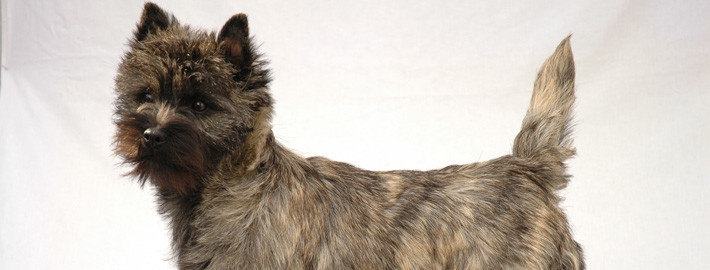
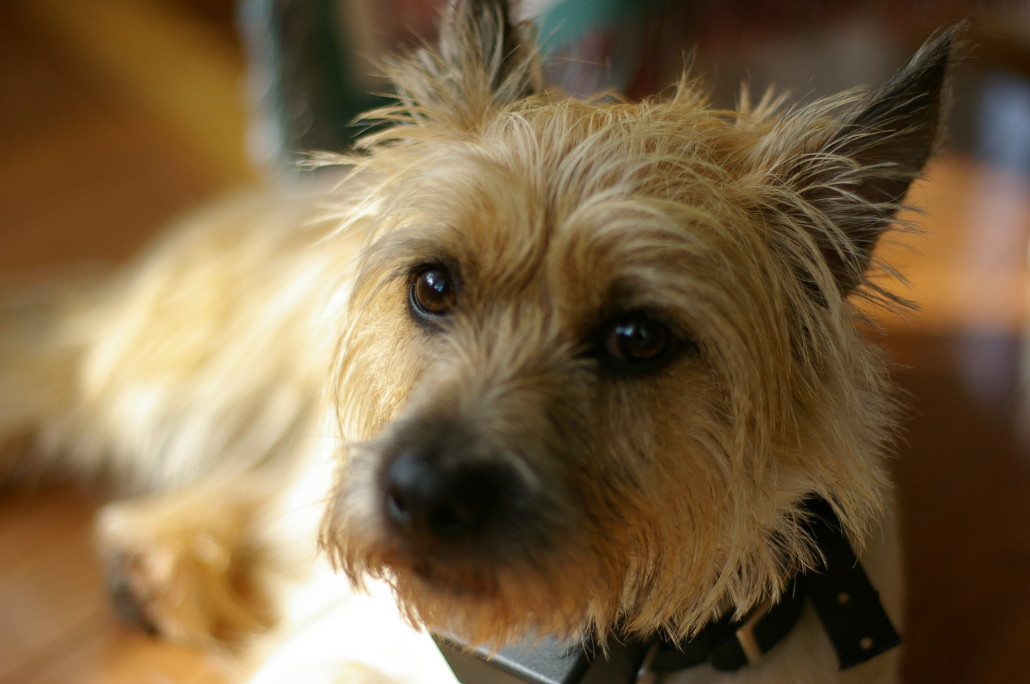
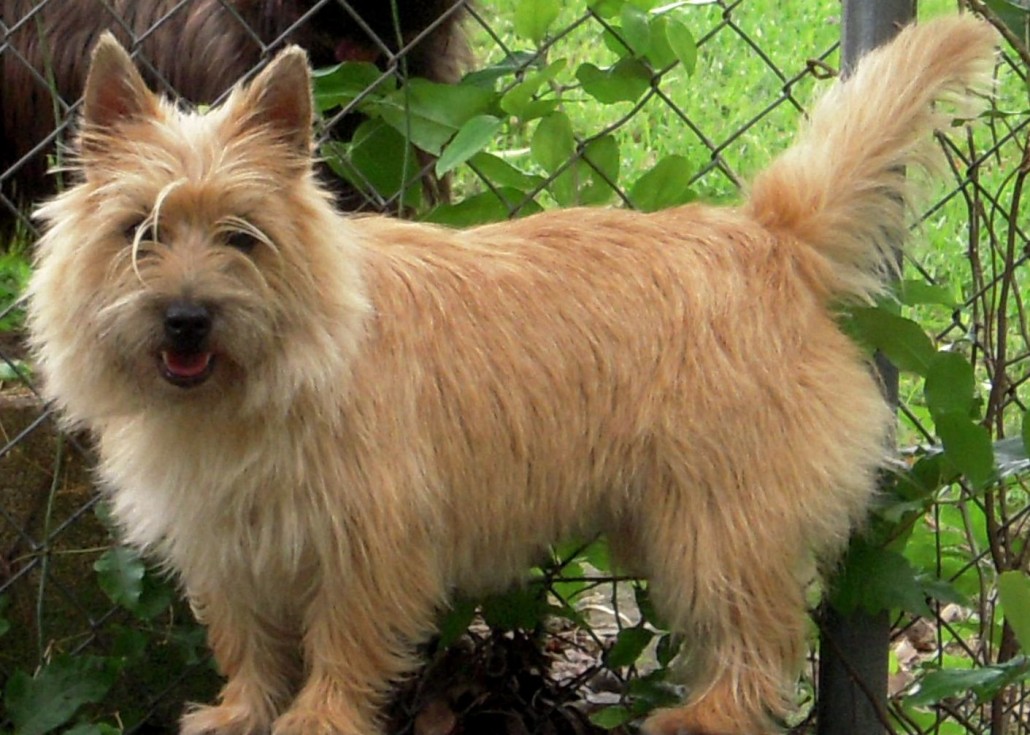
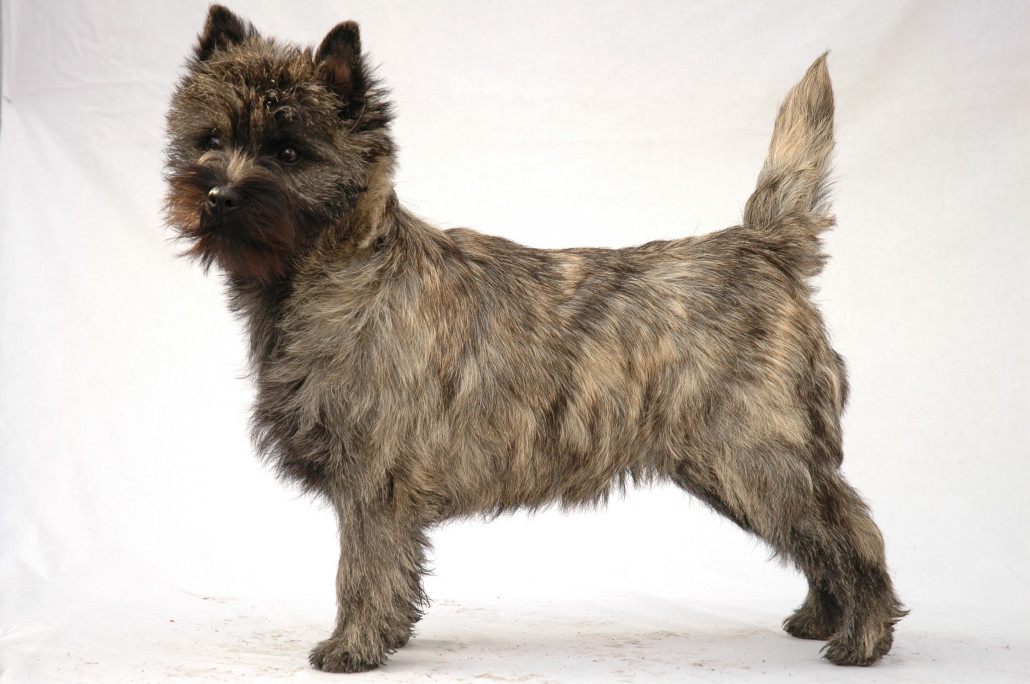
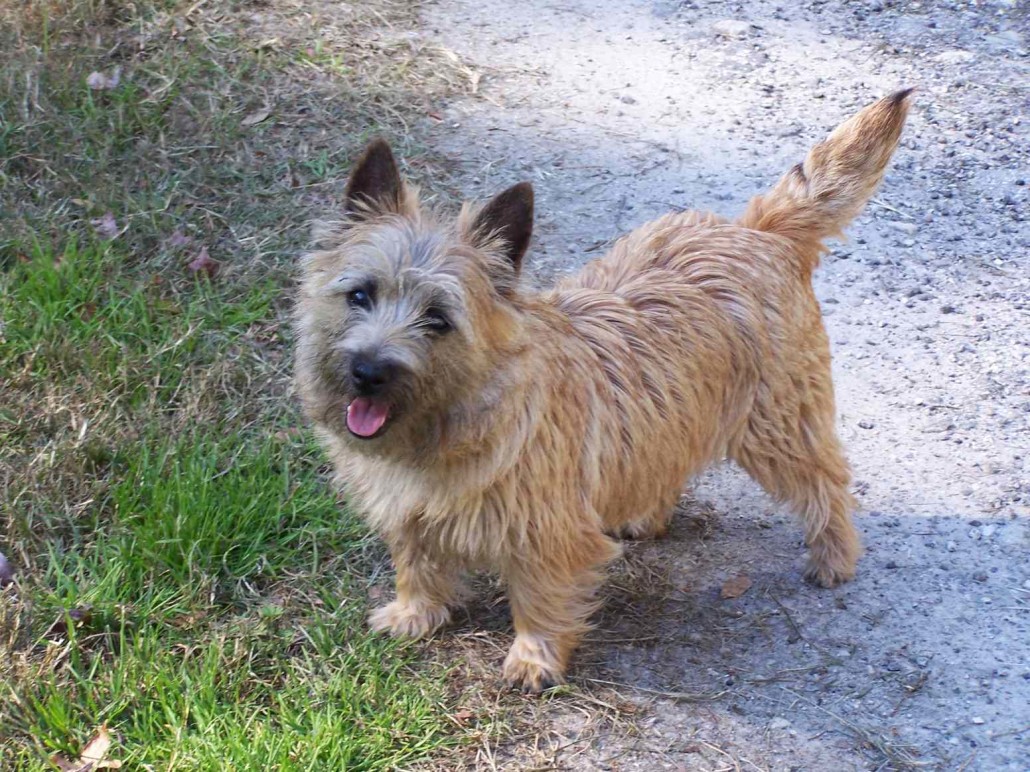
Cairn Terrier

CAIRN TERRIER – Weather-Resistant


What makes the Cairn Terrier Unique?

Small and lively, Cairn Terriers are perfect pets for apartment dwellers. When given regular exercise, these shaggy dogs do not require a yard. Cairn Terriers are also reasonably intelligent and many of them may delight their owners by learning how to perform tricks. Perhaps the most famous member of this breed is Terry, the black terrier who played Toto in the movie “The Wizard of Oz”.

SnapShot

Size: Males – 64 to 70 cm (25 to 27 inches)

Females – 58 to 64 cm (20 to 25 inches)

Weight: Males – 32 to 39 kg (70 to 85 pounds)

Females – 23 to 29 kg (50 to 65 pounds)

Origin: Japan
Life Span: 10 years
Colour: Pinto, Red, Fawn, Brindle, White
Litter Size: 3–12 puppies, 7–8 being the most common

Fun Fact

THE MOST FAMOUS CAIRN OF ALL? WHY, THAT WOULD BE TOTO, WHO ALONG WITH DOROTHY WASN’T IN KANSAS ANYMORE IN “THE WIZARD OF OZ.”

Is the Cairn Terrier Right For You?

Despite its small size, the cairn needs outdoor exercise every day, either a moderate walk on leash, a fun game in the yard or an excursion in a safe area. It can live outdoors in temperate climates, but it does better sleeping indoors.

The cairn is the essence of terrier; plucky, spirited, bold, inquisitive, hardy, clever, stubborn and scrappy. It is responsive to its owner’s wishes, however, and tries to please; in fact, it is surprisingly sensitive. This breed can be a good house pet as long as it is given daily physical and mental exercise in a safe area. It enjoys playing with children and is tough enough to withstand some roughhousing.

In 5 Words

  • Gay
  • Fearless
  • Hardy
  • Active
  • Intelligent

Characteristics


Exercise
Friendliness
Trainability
Watchdog
Health Issues

Learn About the Cairn Terrier


Description

Description

General description

These sturdy little creatures have short legs, a shaggy coat, pointed ears, and a fox-like expression. Cairn Terriers should be athletic and proportionate in build. However, this breed is somewhat longer than they are tall. Their skulls are typically broad and come to a well-defined stop. They have black noses at the end of their strong muzzles. Cairn Terriers also have dark, medium sized hazel eyes. The dog’s tail is not to be docked nor should it be carried over the back. Tails on these dogs should be furry but not feathered. Due to their origins as a working breed, Cairn Terriers should be able to move about freely.

Size

The ideal weight on animals over the age of two is 13 pounds for female dogs and 14 pounds for males. However, weights ranging between 10 and 15 pounds (4.5 and 6.8 kilograms) are about average. Male showdogs should ideally stand 10 inches high at their withers, or shoulder blades. Females that are to be shown in competitions should measure exactly a half inch shorter than their male counterparts. Cairn Terriers are most commonly between 9 and 13 inches (23 and 33 centimeters).

Coat

This breed has a double coat which helps makes them impervious to various weather conditions. Their lengthy outer coats are coarse and shaggy, while their short undercoats are soft and furry. Any coat coloration except for white is permitted according to the breed standards. Cairn Terriers generally have red, cream, brindle, grey, or black fur. However, owners should note that coat colors can darken with age. Slightly wavy fur is allowed in the show ring, but silkiness or curliness is considered a fault as are white patches on the feet, chest, and body.

Short History

Short History of the Cairn Terrier

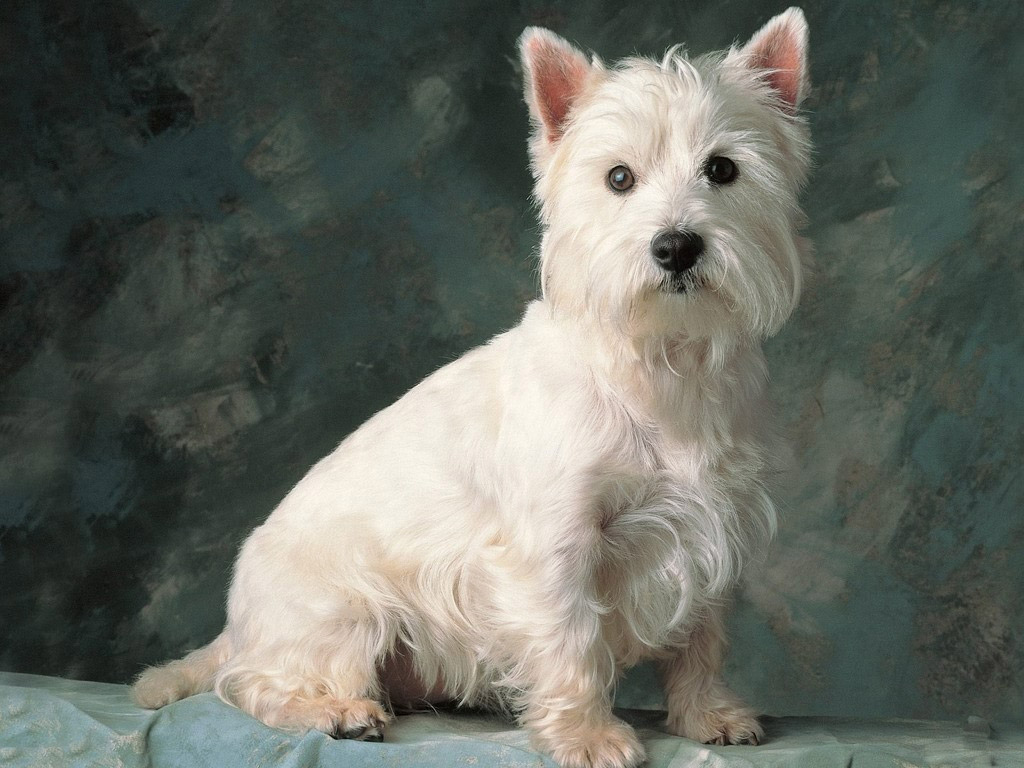
Widely thought to be one of the oldest terrier breeds, the Cairn Terrier originated in the Scottish Highlands where it was used to catch various types of rodents. Scottish Terriers, West Highland White Terriers, and Cairn Terriers were initially one breed. Around the 1900s, the types began to individualize.

Although the Cairn Terriers were originally introduced to the public as the Short-haired Skye Terriers, the name did not take and the Skye Terrier breeders complained. As a compromise, the Cairn Terriers were named after their trapping methods. These dogs would chase their prey into rock piles called cairns, which were prevalent in Scotland, and keep it there until their owners arrived to deal their catch.

Temperament

Temperament

Like all terriers, this breed is known to be active, sturdy, and prone to digging holes in the yard Cairns Terriers also have a reputation for being friendly and loving towards their human families. This breed is even good with children and these terriers don’t mind roughhousing. However, playtime should always be supervised by an adult member of the family because Cairn Terriers tend to nip if they are harassed or teased. They also will chase any moving object. Be it a bouncy ball, a squirrel, or a youngster, the Cairn is likely to give pursuit. While older kids will know the dog is only playing, this tendency may frighten small children. Cat friendliness varies in this breed, but Cairn Terriers are generally accepting of other dogs, even those of the same gender.


Caring for Your Cairn Terrier


Health

General Health

The average lifespan for this breed is between 12 and 17 years. Cairn Terriers are typically healthy, but occasional problems have been known to arise. While a number of the diseases that afflict this breed are hereditary, others may occur due to environmental factors or injuries. Skin allergies are a major concern but they are generally treatable. Kneecap dislocation, or luxating patella, is another ailment that is common in small dogs such as the Cairn Terriers.

Other health problems may include cataracts, ocular melanosis, progressive retinal atrophy, corneal dystrophy, Krabbe disease, hip dysplasia, Legg-Calve-Perthes syndrome, craniomandibular osteopathy, Von Willebrand disease, hypothyroidism, entropion, portosystemic shunt, and soft tissue sarcoma.

Care

Daily

Cairn Terriers require daily walks. Due to their short legs, this energetic breed is not suitable as a jogging partner. Owners should also be careful not let a Cairn off its leash in areas that are not fenced in, because these dogs have high prey drives and could potentially be injured or lost while going after various wild animals. Electric fences are not recommended for this breed because such mechanisms will not keep a Cairn Terrier from chasing what it wishes.

Weekly

These dogs need regular grooming. Their coats should be brushed several times weekly to prevent matting. Cleaning their teeth frequently is also a good idea.

Monthly

As with any breed, prevention medication for heartworms, fleas and ticks should be administered on a monthly basis.

Grooming & Bathing

Grooming & Bathing

Cairn Terriers need a bath at least once a month and should be brushed when their hair is still wet. They additionally require a grooming process called hand-stripping in which some of the additional fur is removed either with one’s fingers or by using a stripping knife. Cairn Terriers should never have their hair cut, because this will cause damage to their coats.

Exercise & Training

Exercise & Training

Stubborn behavior is characteristic of most terrier breeds, including the Cairns. Terriers also have an uncanny knack for determining which humans can be made to take their orders rather than the other way around. Do not allow the dog to believe it is in charge under any circumstances, as this will result in a variety of undesirable behaviors such as excessive barking or destruction of property. Maintaining a firm set of rules and starting their training early is beneficial with most terrier breeds. By making training fun and mentally stimulating, owners are more likely to be rewarded with their dog’s interest for longer periods of time. Although Cairns can be taught to do tricks, they often will only obey if it suits them or if they are bribed with treats.

Cairn Terrier Picture Gallery

Bullmastiff

BULLMASTIFF – Over-Power


What makes the Bullmastiff Unique?


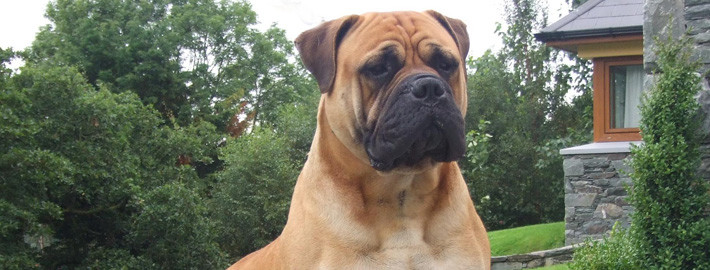
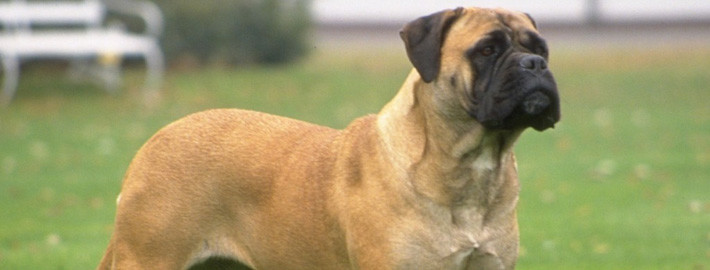
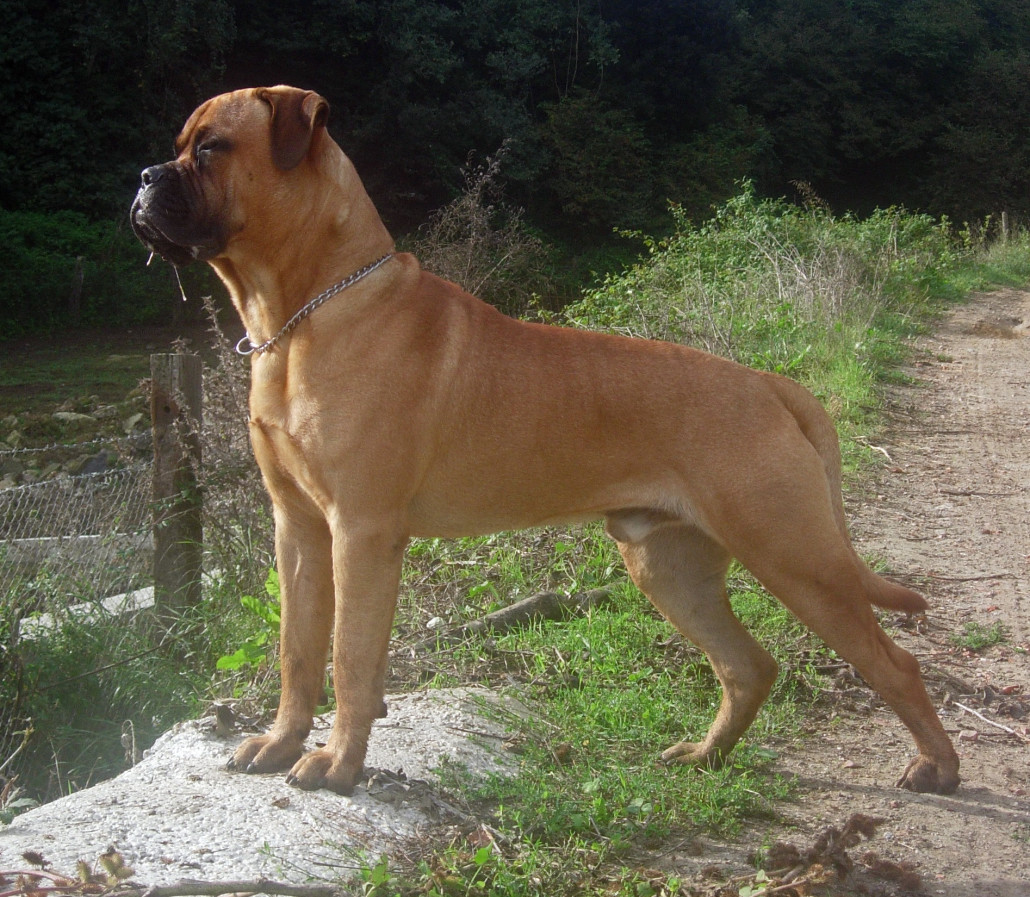
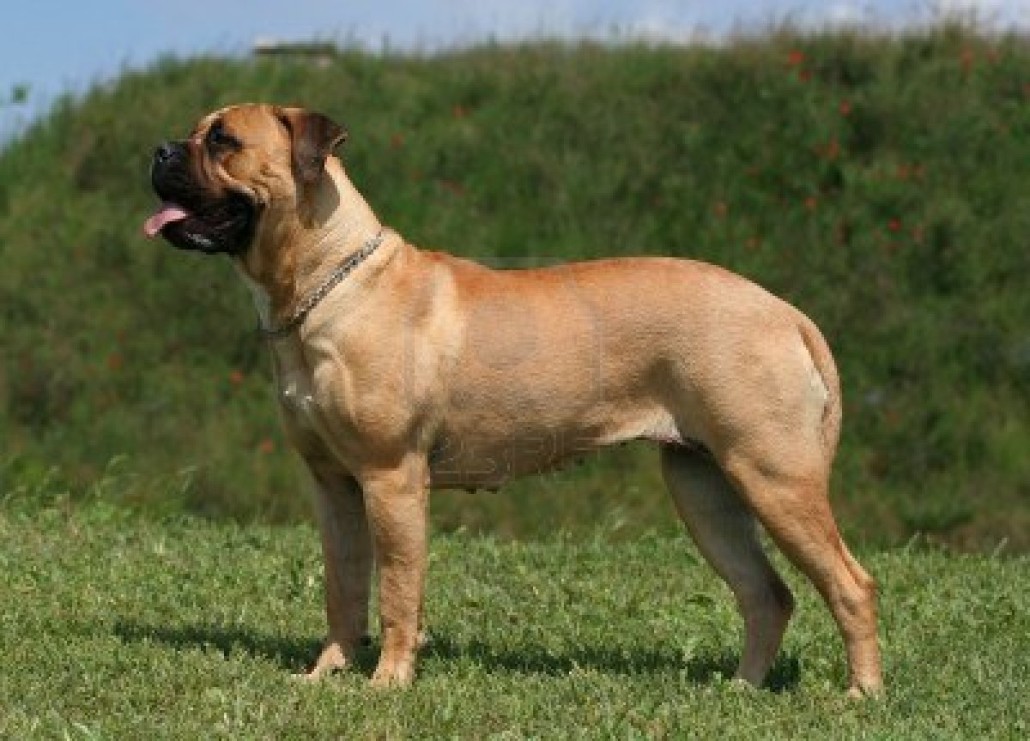
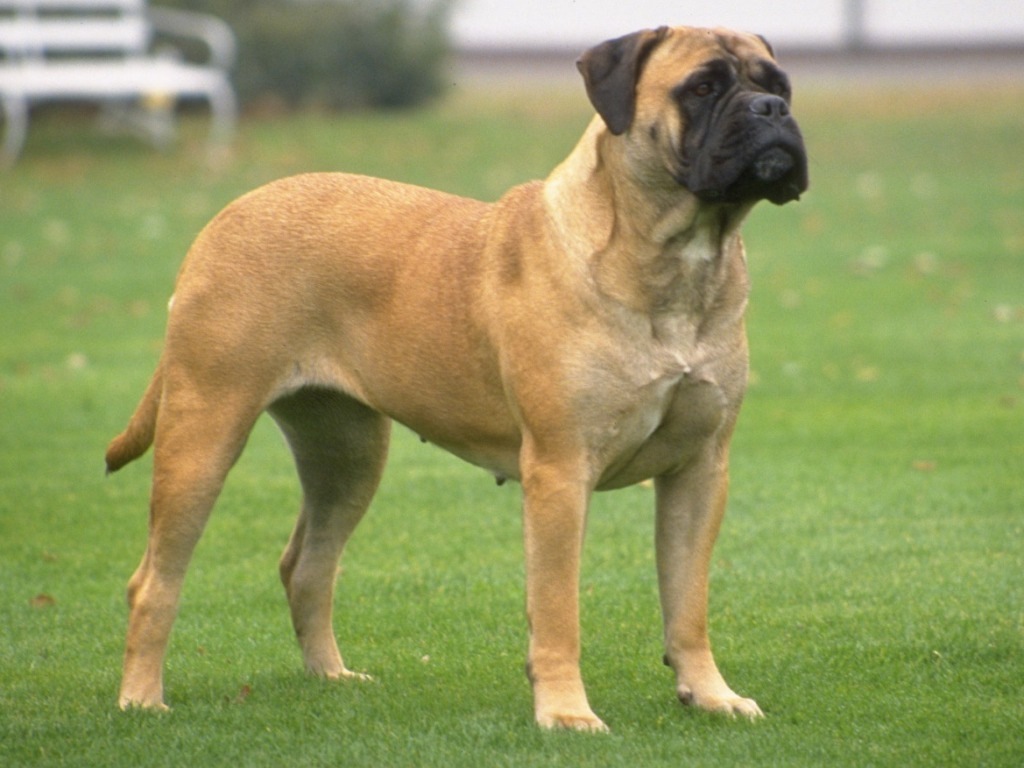
This nearly square breed should be powerful and active — a combination of strength, endurance and alertness. It should appear to be 60 percent mastiff and 40 percent bulldog. Its gait is smooth and powerful, but its angulation is moderate. Its coat is short and dense, and its expression keen and alert. These attributes allowed the bullmastiff to both overtake and over-power intruders.

The bullmastiff is gentle and quiet, a devoted companion and guardian. It is not easily roused, but once threatened it is fearless. It is stubborn and cannot easily be goaded into action against its will. Some can be aggressive toward strange dogs, but it is generally good with other household dogs and pets. It is good with children, but it may not be playful enough to satisfy some children. The bullmastiff needs a firm but loving home. It is not for fragile or timid owners

Breed Groups
  • Working Dog Breed
  • Large Size

SnapShot

Size: Males – 64 to 71 cm (25 to 28 inches)

Females – 61 to 66 cm (24 to 26 inches)

Weight: Males – 50 to 59 kg (110 to 130 pounds)

Females – 45 to 54 kg (100 to 120 pounds)

Origin: England
Life Span: 8 – 10 Years
Colour: Fawn, red, or brindle coat
Litter Size: 4 to 13 puppies, 8 being the most common

Fun Fact

BULLMASTIFF’S ARE A PERFECT FAMILY OR GUARD DOG. THEY ARE AMAZINGLY LOYAL & VERY EAGER TO PLEASE!

Is the Bullmastiff Right For You?

This nearly square breed should be powerful and active — a combination of strength, endurance and alertness. It should appear to be 60 percent mastiff and 40 percent bulldog. Its gait is smooth and powerful, but its angulation is moderate.

The bullmastiff is gentle and quiet, a devoted companion and guardian. It is not easily roused, but once threatened it is fearless. It is stubborn and cannot easily be goaded into action against its will. Some can be aggressive toward strange dogs, but it is generally good with other household dogs and pets.

In 5 Words

  • Powerful
  • Guardian
  • Fearless
  • Obedient
  • Patient

Characteristics

Exercise
Friendliness
Trainability
Watchdog
Health Issues

Learn About the Bullmastiff


Description

Description

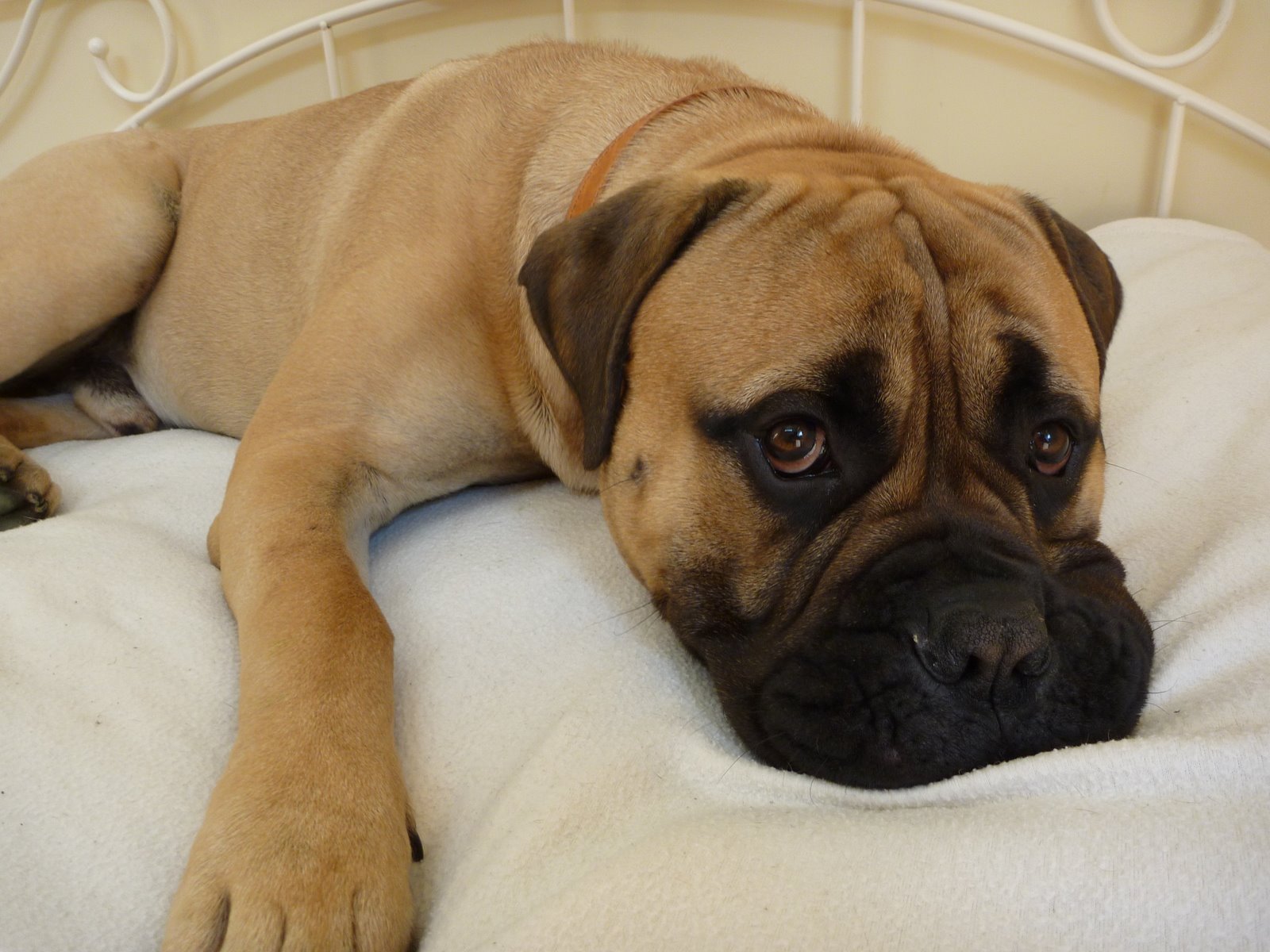
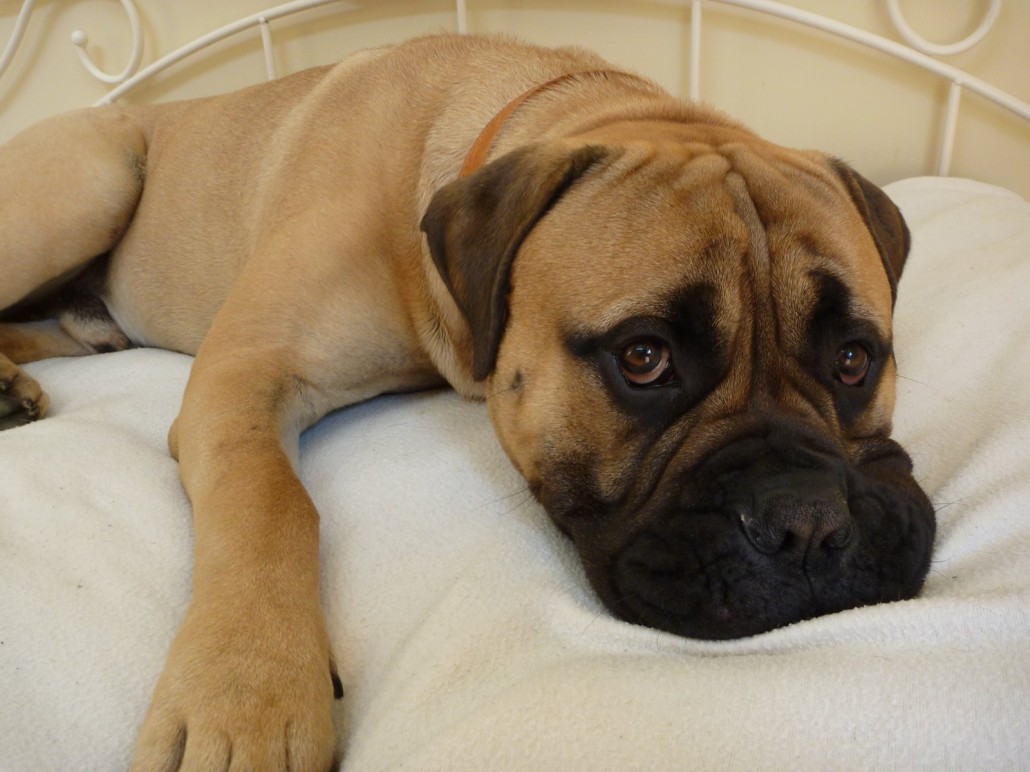
The Bullmastiff is massive, very powerfully built, but not a cumbersome dog. The large, broad skull is wrinkled and the muzzle is broad, deep and usually darker in color. The forehead is flat and the stop is moderate. The black nose is wide and has large nostrils. The teeth meet in a level or undershot bite. The medium sized eyes are dark hazel. The V-shaped ears are set high and wide, carried close to the cheeks, giving a square appearance to the skull. The strong tail is set high, thicker at the root and tapering and is either straight or curved, and reaches to the hocks. The back is short, straight and level between the withers and the loin. The short, dense, slightly rough coat comes in brindle, fawn, or red, often with black markings on the head.

Short History

Short History of the Bullmastiff

To control poaching on estates and game preserves in the 1860s, English gamekeepers mixed the English Bulldog with the Mastiff and, voilà, the Bullmastiff came to be. Their combination of athleticism and strength proved to be very successful in policing huge tracts of land. However, instead of attacking trespassers, Bullmastiffs would hold them down or corner them until their masters arrived. When the poaching problem dwindled, Bullmastiffs continued to be in demand, getting work as police dogs, military dogs and of course lovable companions.

Temperament

Temperament

Bullmastiffs were developed as overseers of livestock and flocks. They took their responsibility seriously and developed a reputation for fearlessness in the face of predators. Bullmastiffs were also invaluable to gameskeepers, patrolling the grounds and stopping poachers from hunting the stock. They were trained not to hurt people and would stalk the poachers and keep them subdued until backup arrived to arrest the trespasser.

Today Bullmastiffs maintain their imposing figure and watchful eye, but make a generally docile family pet. It takes a lot to provoke a Bullmastiff and despite what their appearance may suggest, they get along just fine with children. They make great farm dogs, happily keeping an eye on livestock and accompanying farmers as they do their chores.


Caring for Your Bullmastiff


Health

General Health

Bullmastiffs are generally healthy, but like all breeds, they can be subject to certain health conditions. Not all Bullmastiffs will get any or all of these diseases, but it’s important to be aware of them if you’re considering this breed.

If you’re buying a puppy, find a good breeder who will show you health clearances for both your puppy’s parents. Health clearances prove that a dog’s been tested for and cleared of a particular condition.

In Bullmastiffs, you should expect to see health clearances from the Orthopedic Foundation for Animals for hips and elbows, as well as certification from the Canine Eye Registry Foundation (CERF) that the eyes are normal.

Because some health problems don’t appear until a dog reaches full maturity, health clearances aren’t issued to dogs younger than two years old. Look for a breeder who doesn’t breed her dogs until they’re two or three years old.

Common health problems in this breed include cancer, hip and elbow dysplasia, torn anterior cruciate ligaments, bloat, subaortic stenosis, skin and coat problems, hypothyroidism, and entropion.

  • Hip Dysplasia: This is a heritable condition in which the thighbone doesn’t fit snugly into the hip joint. Some dogs show pain and lameness on one or both rear legs, but you may not notice any signs of discomfort in a dog with hip dysplasia. As the dog ages, arthritis can develop. X-ray screening for hip dysplasia is done by the Orthopedic Foundation for Animals or the University of Pennsylvania Hip Improvement Program (PennHIP). Dogs with hip dysplasia should not be bred. Hip dysplasia is hereditary, but it can be worsened by environmental factors, such as rapid growth from a high-calorie diet or injuries incurred from jumping or falling on slick floors.
  • Elbow Dysplasia: This is a heritable condition common to large-breed dogs. It’s thought to be caused by different growth rates of the three bones that make up the dog’s elbow, causing joint laxity. This can lead to painful lameness. Your vet may recommend surgery to correct the problem or medication to control the pain.
  • Hypothyroidism: Caused by a deficiency of thyroid hormone, this disease may produce signs that include infertility, obesity, mental dullness, and lack of energy. The dog’s fur may become coarse and brittle and begin to fall out, while the skin becomes tough and dark. Hypothyroidism can be managed very well with a thyroid replacement pill daily. Medication must continue throughout the dog’s life.
  • Entropion: This defect, which is usually obvious by six months of age, causes the eyelid to roll inward, irritating or injuring the eyeball. One or both eyes can be affected. If your Bullmastiff has entropion, you may notice him rubbing at his eyes. The condition can be corrected surgically, which is best done after the dog reaches maturity at one or two years of age.
  • Subaortic Stenosis: This common heart defect occurs when the aorta narrows below the aortic valve, forcing the heart to work harder to supply blood to the body. This condition can cause fainting and even sudden death. It’s an inherited condition, but its mode of transmission isn’t known at this time. Typically, a veterinary cardiologist diagnoses this condition after a heart murmur has been detected. Dogs with this condition should not be bred.
  • Cystinuria: This genetic disorder is caused by an inability to reabsorb cystine, an amino acid, back into the kidney tubules. This results in the formation of kidney or bladder stones, which can cause life-threatening blockages of the urinary tract, especially in males. It’s identified through an inexpensive urine nitroprusside test for cystine available through the University of Pennsylvania. Medication, diet, and surgery are all options that may help. Dogs with this inherited defect should not be bred.
  • Gastric Dilatation Volvulus, Gastric Torsion, Bloat: This life-threatening condition can affect large, deep-chested dogs such as Bullmastiffs, especially if they are fed only one large meal a day, eat rapidly, drink large volumes of water after eating, or are allowed to exercise vigorously after eating. Raised feeding dishes and the type of food given may also be factors. It is more common among older dogs. GDV occurs when the stomach is distended with gas or air and then twists (torsion). The dog is unable to belch or vomit to rid itself of the excess air in its stomach, and the normal return of blood to the heart is impeded. Blood pressure drops and the dog goes into shock. Without immediate medical attention, the dog can die. Suspect bloat if your dog has a distended abdomen, is salivating excessively and retching without throwing up. He also may be restless, depressed, lethargic, and weak with a rapid heart rate. It’s important to get your dog to the vet as soon as possible. There is some indication that a tendency toward GDV is inherited, so it’s recommended that dogs who develop this condition be neutered or spayed.
  • Ruptured Anterior Cruciate Ligament: This common knee injury tends to occur in large young dogs during play and older overweight dogs. A twisting of the dog’s hind leg, which causes the anterior cruciate ligament to tear or rupture resulting in a sudden lameness in a hind leg. When the ligament is torn or ruptured, the tibia and femur can move against each other. This can lead to arthritis fairly quickly. Surgery is one form of treatment if the ligament is completely torn. If the ligament is only partially torn and other circumstances rule out surgery as an option, the rupture can be treated medically with special instruction on low-impact exercise and, if the dog is overweight, diet.
  • Cancer: Dogs, like humans, can develop cancer. There are many different types of cancer, and the success of treatment differs for each individual case. For some forms of cancer, the tumors are surgically removed, others are treated with chemotherapy, and some are treated both surgically and medically. Cancers found commonly in Bullmastiffs include lymphosarcoma, osteosarcoma, hemangiosarcoma, and mast cell tumors.
  • Panosteitis: This is an elusive ailment sometimes seen in young dogs. Its primary sign is sudden lameness, and puppies usually outgrow it by the age of two years with no long-term problems. The lameness can be slight or severe and can be managed with canine pain relievers. Panosteitis is often misdiagnosed as elbow dysplasia, hip dysplasia, patellar luxation, or even more serious disorders. If misdiagnosed, the vet may want to do surgery on your dog that isn’t needed. If signs occur, ask for a second opinion from an orthopedic specialist before allowing surgery to be performed.
  • Skin Problems: Bullmastiffs have sensitive skin that can be prone to rashes, sores, and irritations. They may also be prone to contact or inhalant allergies, caused by a reaction to substances such as detergents or other chemicals or airborne allergens such as pollen, dust, and mildew. Check your Bullmastiff’s skin regularly and treat any rashes quickly. Provide soft, clean bedding in crates and other sleeping areas to prevent sores. Sometimes a change to a diet with few or no chemical additives can help. Other Bullmastiffs need long-term treatment with antibiotics or steroids to keep skin problems under control.

Grooming & Bathing

Grooming & Bathing

It is often said that the bullmastiff is a “wash and wear” breed. Their short coats don’t require a lot of care, though they will certainly benefit from a quick daily brushing to remove dead hair and keep their coats shiny.

Like all dogs, their ears and teeth must be cleaned regularly, and their toenails should be kept short. Neglect in these areas can and often produce ear infections, flattened pasterns, splayed feet and expensive tooth removal.

Exercise & Training

Exercise & Training

Stubborn and strong, the Bullmastiff will respond to early, firm and consistent training. Exercise patience and rely primarily on praise & encouragement and very little to no correction, as harsh methods will provoke this breed.

Bullmastiff Picture Gallery

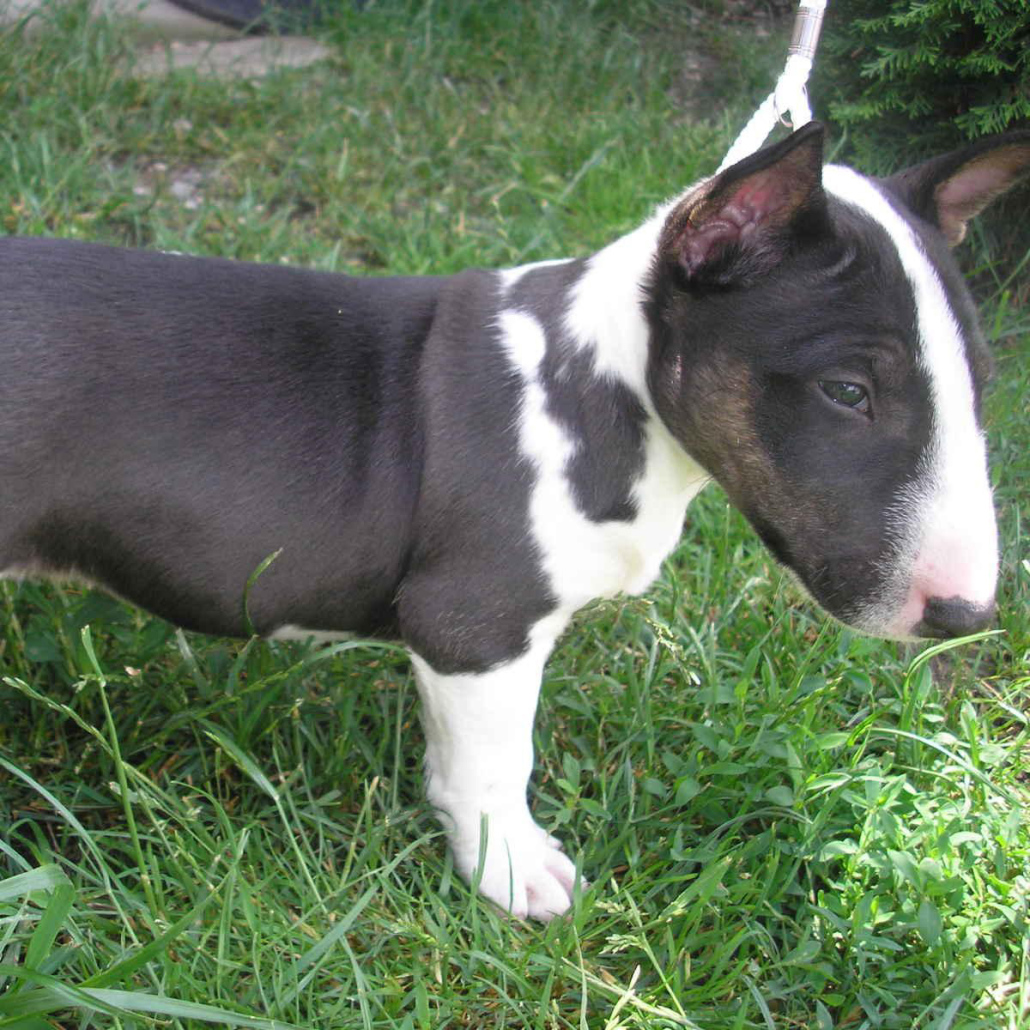
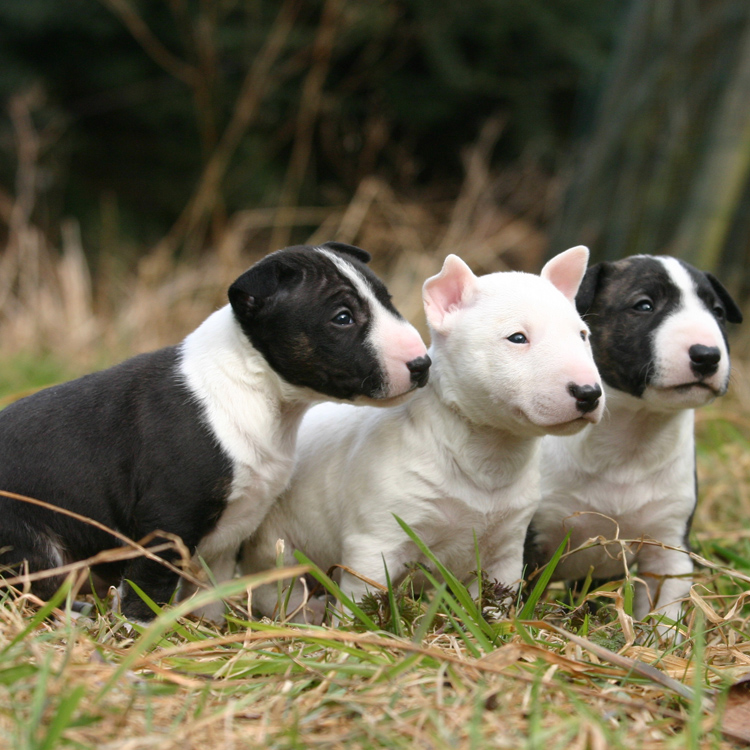
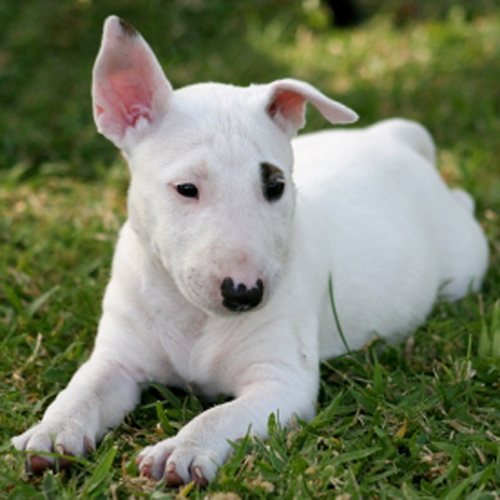
Bull Terrier Miniature

BULL TERRIER MINIATURE- Clownish and Fearless


What makes the Miniature Bull Terrier Unique?

Miniature Bull Terrier is comical, lively, playful and mischievous. Despite its smaller size, it is not a lap dog. It is every bit as tough as the larger version and apt to want to prove itself even more. It is a sweet clown, devoted but not fawning. It is stubborn and independent and needs to be trained with a firm yet gentle hand — and a good sense of humor. It likes to play and investigate. It likes to dig, and it needs ample exercise.

SnapShot

Size: Males –  25 to 33 cm (10 to 14 inches)Female –  25 to 33 cm (10 to 14 inches)
Weight: Males –  11 to 15 kg (24 to 33 pounds)Females –  11 to 15 kg (24 to 33 pounds
Origin: England
Life Span: 9 – 15 Years
Colour: Fawn & White, White & Black Brindle, Brindle & White, Tri-color, Red & White and White
Litter Size: 1 puppy to 9 puppies, 5 being the most common

Fun Fact

FUN-LOVING, MISCHIEVOUS PERSONALITY, THE MINIATURE BULL TERRIER IS SOMETIMES REFERRED TO AS “THE KID IN A DOG SUIT.”

Is the Miniature Bull Terrier Right For You?

This is a strongly built, square-proportioned dog, big-boned but not coarse. It should reflect those attributes that made the standard-sized bull terrier a formidable foe in the fighting ring with its sturdy bone and muscle and strong jaws. Its gait is free and easy. Its skin is tight and its coat is short, flat and harsh. It wears a keen and determined expression on its characteristic clown face.

The strongly built, active and determined Miniature Bull Terrier is often described as clownish and fearless. Although fond of both grown-ups and children, they may become too energetic for small children without the proper exercise and training. They are not recommended for families with other non-canine pets such as hamsters and guinea pigs. This easy to groom breed requires only occasional brushing.

In 5 Words

  • Playful
  • Energetic
  • Courageous
  • Even Tempered
  • Stubborn

Characteristics

Exercise
Friendliness
Trainability
Watchdog
Health Issues

Learn About the Miniature Bull Terrier


Description

Description

Miniature Bull Terriers have short, fine, and glossy coats that are very close to the skin, like the Bull Terriers. They are accepted in the ring to be white, white with another color, or fully colored. However, like the Standards, any blue or liver colored coats are undesirable. These dogs require minimal grooming.

In the early 1900s, the difference between the breeds was determined by the dog’s weight. However, this led to Miniature Bull Terriers becoming so small and fine that they looked more like a Chihuahua than a Bull Terrier. So, in the 1970s, the weight limit was replaced with a height limit of under fourteen inches. They are usually no smaller than ten inches. According to the AKC, miniature bull terriers’ weight must be proportionate to its height. However, they tend to range anywhere from 20–35 lbs.

The Miniature Bull Terriers have a very bold build. They have very muscular shoulders and a full body. Like the Bull Terrier, they have a head described as “egg-shaped.” It is flat on top with a Roman nose. The eyes are triangular and closely set. The ears are carried erect and are not cropped or otherwise altered.The tail is carried horizontally rather than vertically.

Short History

Short History of the Miniature

The Bull Terrier (also known as an ‘English Bull Terrier’) was bred in England in the 1830’s by crossing a Bulldog with an English Terrier in an effort to build the ultimate fighting dog. The ‘Bull’ in ‘Bull Terrier’ derives from the popular practice of ‘bull-baiting’, in which several dogs were matched up against a chained bull. The Bull Terrier was later bred with the Spanish Pointer to increase its size, resulting in a highly successful, powerful, persistent fighter. After dog fighting was abolished, Bull Terriers were bred with the Dalmatian to produce a white colored strain, then again with the Staffordshire Bull Terrier to reintroduce color. Both the white and colored types increased in popularity as pets, and both strains remain today. Famous Bull Terriers include the Target mascot ‘Bullseye’, Spuds MacKenzie, who was used in Bud Light commercials (and later discovered to secretly be a female!), and Patsy Ann, a Bull Terrier from Juneau, Alaska famous for unfailingly predicting the impending arrival of ships to port. The Miniature Bull Terrier was first recognized by the American Kennel Club in 1992.

Temperament

Temperament

Like the Bull Terriers, Minis are loving and, like many terrier breeds, they can be stubborn at times; but despite this they make great dogs for people with limited space.

Miniature Bull Terriers are known to be stubborn and courageous. They do not seem to realize their size, however, because even if confronting an enormous dog they will not back down. However, with the right training, confrontations can be avoided. They are very energetic and playful. They love people but care must be taken as they are variable around other dogs.


Caring for Your Miniature Bull Terrier


Health

General Health

Miniature Bull Terriers are predisposed to developing eye lens discoloration. This causes blindness somewhere around 3 years of age or later. Blindness is the most serious problem within the breed. White dogs tend to have a problem with deafness. Deafness does not mean that the dog cannot lead a full and healthy life. There are simply different ways to catch his attention and training will be done with hand signals as opposed to words. Sub-aortic Stenosis, Entropion, allergies and mitral valve dysplasia also occur in this feisty breed.

Grooming & Bathing

Grooming & Bathing

Grooming for a Miniature Bull Terrier owner is minimal. Brushing the coat every week will keep the Mini Bull’s coat looking clean and shiny. When the dog is shedding, daily brushing is best. Bathing should be done every other month, unless the dog is exceptionally smelly. Dry shampoo is a great product to use between conventional baths.

Exercise & Training

Exercise & Training

The Miniature Bull Terrier is a highly active dog. He loves to run and play. A fenced-in backyard with plenty of toys will keep him happy however; a Mini Bull is quite happy living in a large apartment provided he is walked regularly. Walks must be brisk and relatively long to keep him in great shape. Remember, he will still go rip-roaring through the house to stretch his leg muscles and… just to have fun. Without proper exercise, Miniature Bull Terriers often become destructive. They can tear up a house and destroy the furniture in no time at all. Exercise and mental stimulation through play are essential to the Miniature Bull Terrier’s well-being, as well as that of your belongings. Miniatures are independent and stubborn and do require a lot of training, particularly early on. They must be heavily socialized at a young age and trained to obey early in their lives. They also are very energetic and seem to be able to play endlessly as puppies. However, as they grow older, they become less energetic. They must be carefully exercised and dieted to avoid obesity.

Miniature Bull Terrier Picture Gallery

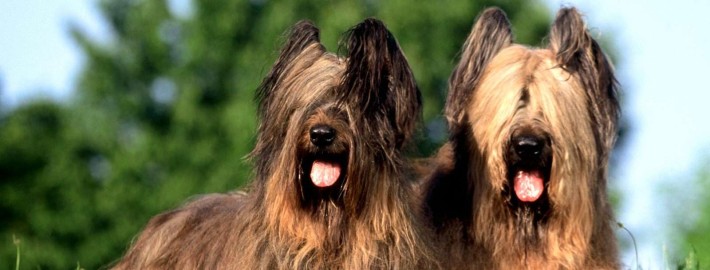
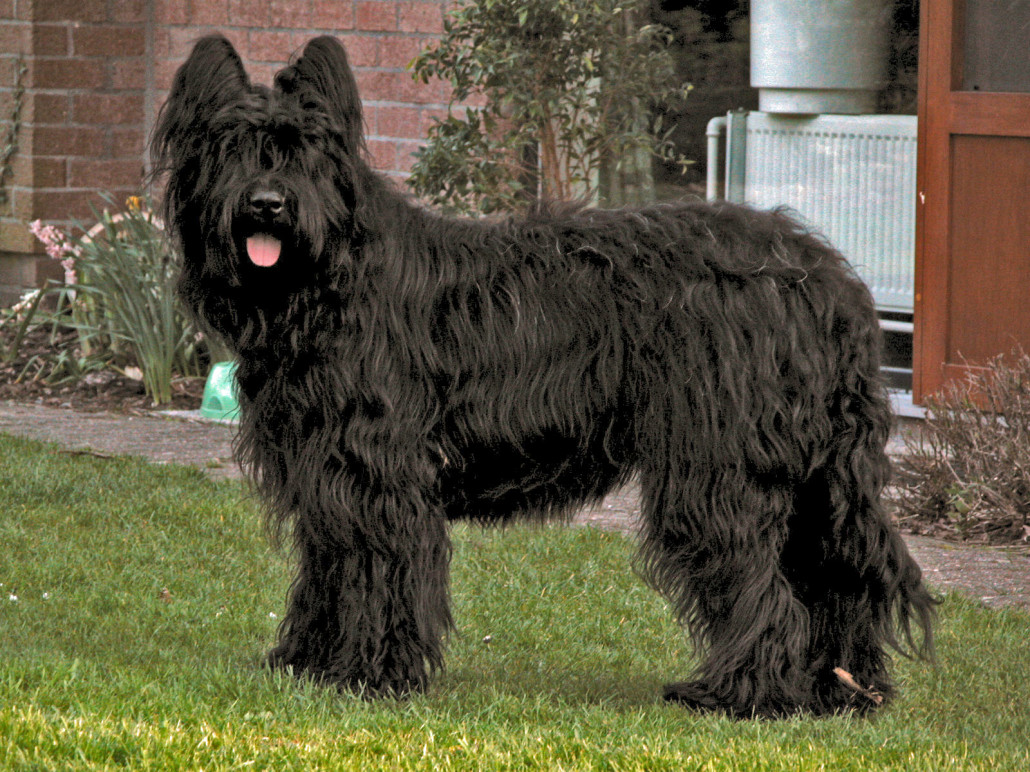
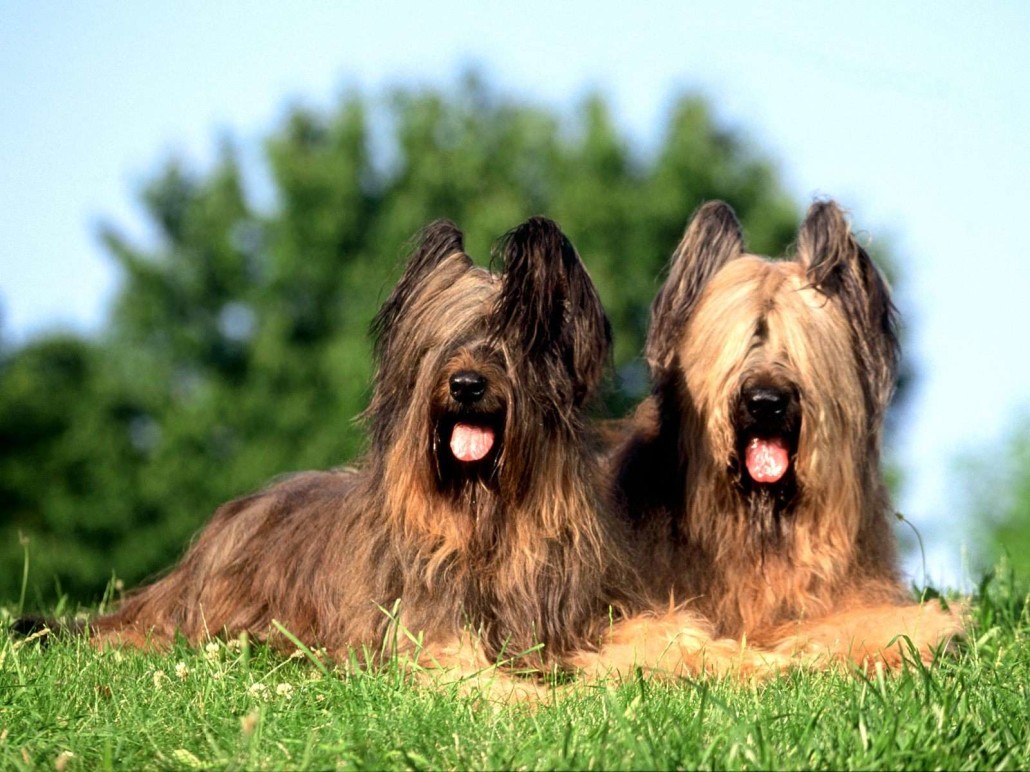
Briard

BRIARD – The Adventurous Partner


What makes the Briard Unique?


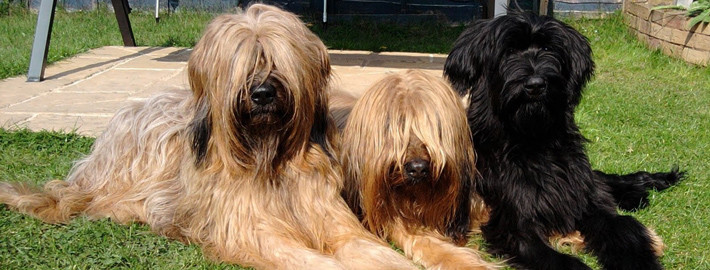
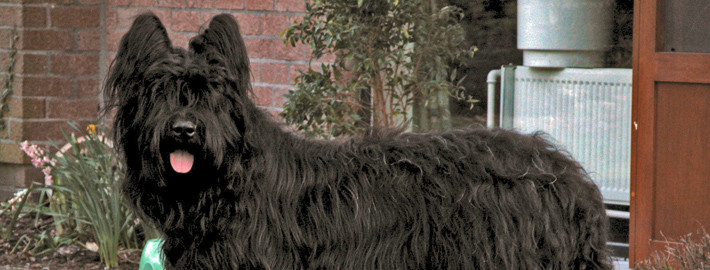
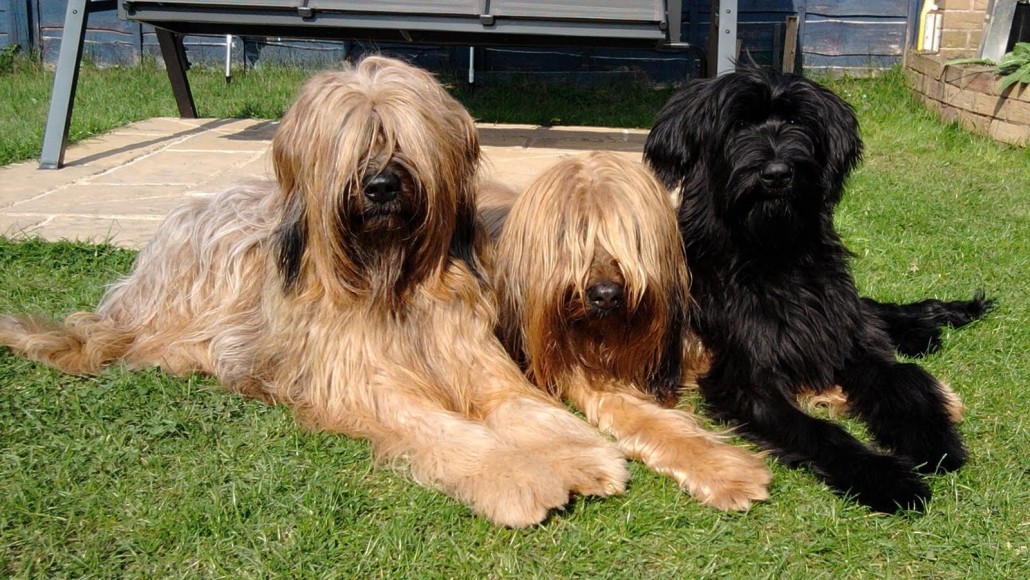
Great for active families living on small farms, Briards have a long history of being used as a herding breed.

SnapShot

Size: Males – 61 to 69 cm (24 to 27 inches)
Females – 58 to 65 cm (23 to 26 inches)
Weight: Males – 30 to 40 kg (66 to 88 pounds)
Females – 25 to 35 kg (55 to 77 pounds)
Origin:  France
Life Span: 10 – 12 Years
Colour: Tawny, black or gray
Litter Size: 8 to 10 puppies

Fun Fact

BRIARDS HAVE MADE A VARIETY OF BIG AND SMALL-SCREEN APPEARANCES, MOST NOTABLY IN THE SERIES “MARRIED WITH CHILDREN” AND THE SOAP OPERA “ALL MY CHILDREN,”.

Is the Briard Right For You?


Briards make great partners for adventurous owners, especially when one takes into account that they keep some of their puppy like traits into their later years. These dogs are affectionate guardians that want to please the members of their human families. Their protective instinct starts coming into play when Briards reach a year old. These dogs are also very loyal and tend to shadow their owners. They may even go so far as to protect their owners’ children from any form of corporal punishment that might be doled out by their parents.
These dogs have coats that are resistant to inclement weather and various types of debris but, all the same, they do need a moderate amount of grooming. Any excessive hair in their ears or on their footpads can be clipped in order to help Briards maintain a tidy appearance. It is also a good idea to keep their teeth brush and their nails trimmed.


In 5 Words

  • Protective
  • Obedient
  • Loyal
  • Faithful
  • Fearless

Characteristics


Exercise
Friendliness
Trainability
Watchdog
Health Issues

Learn About the Briard


Description

Description

General Description

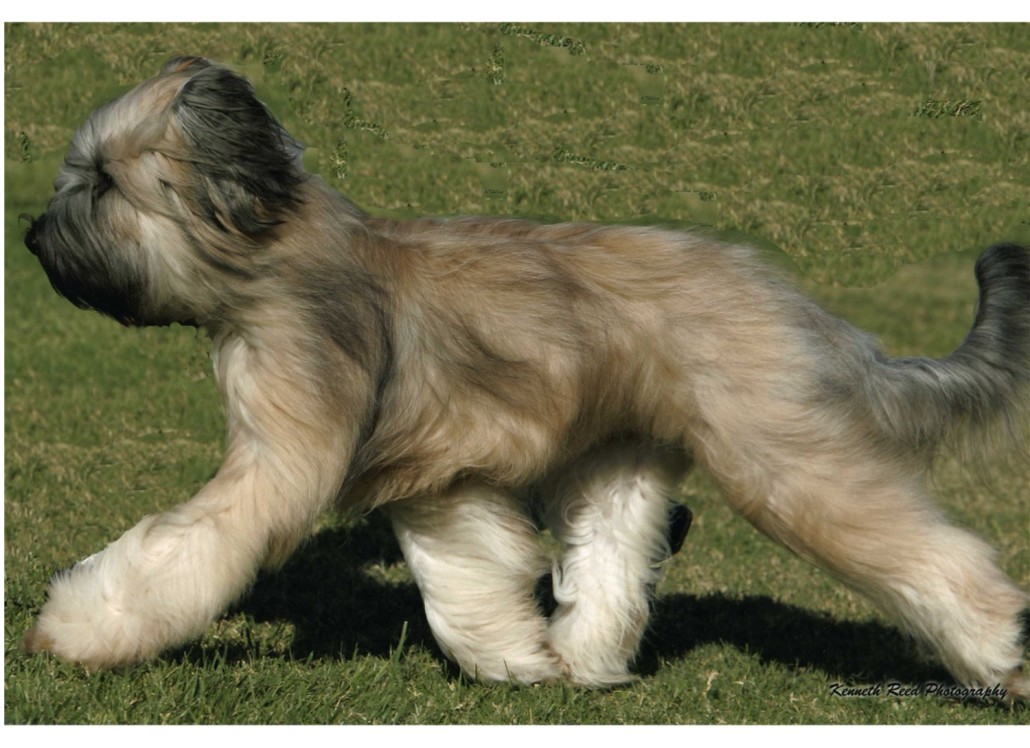
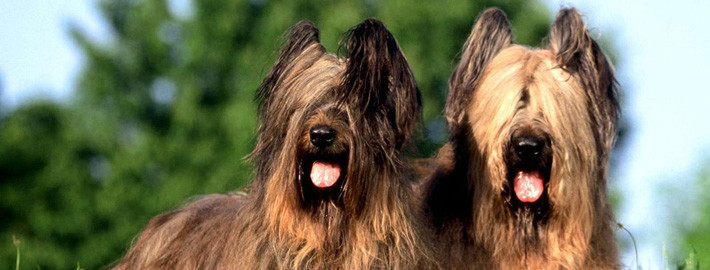
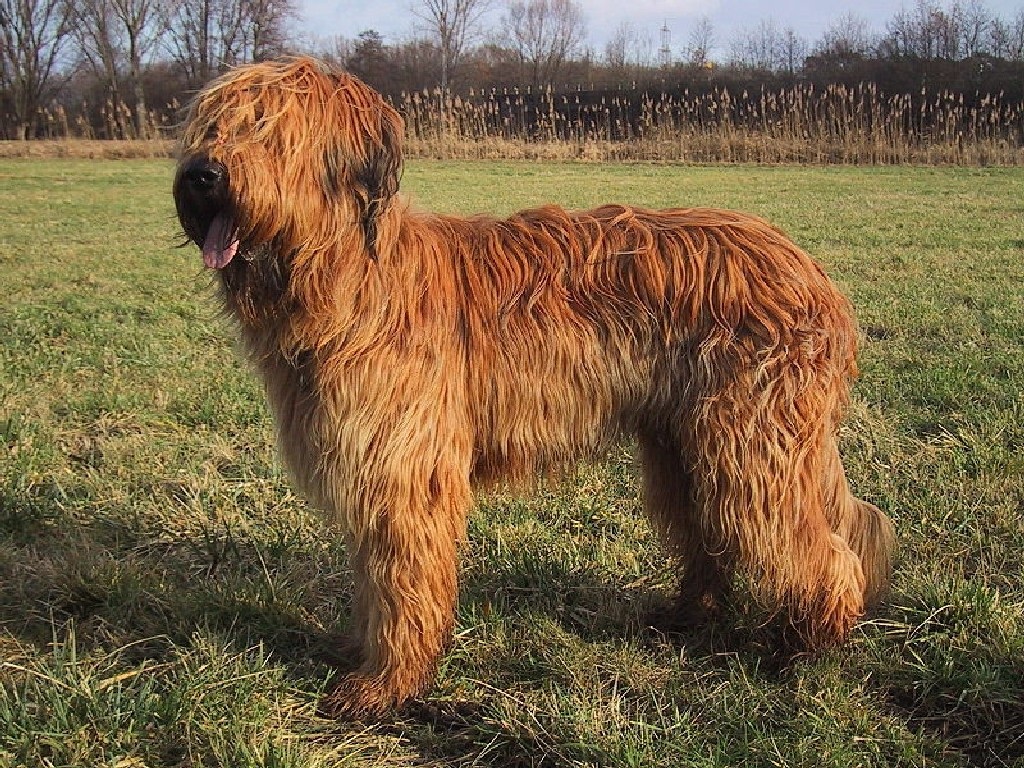
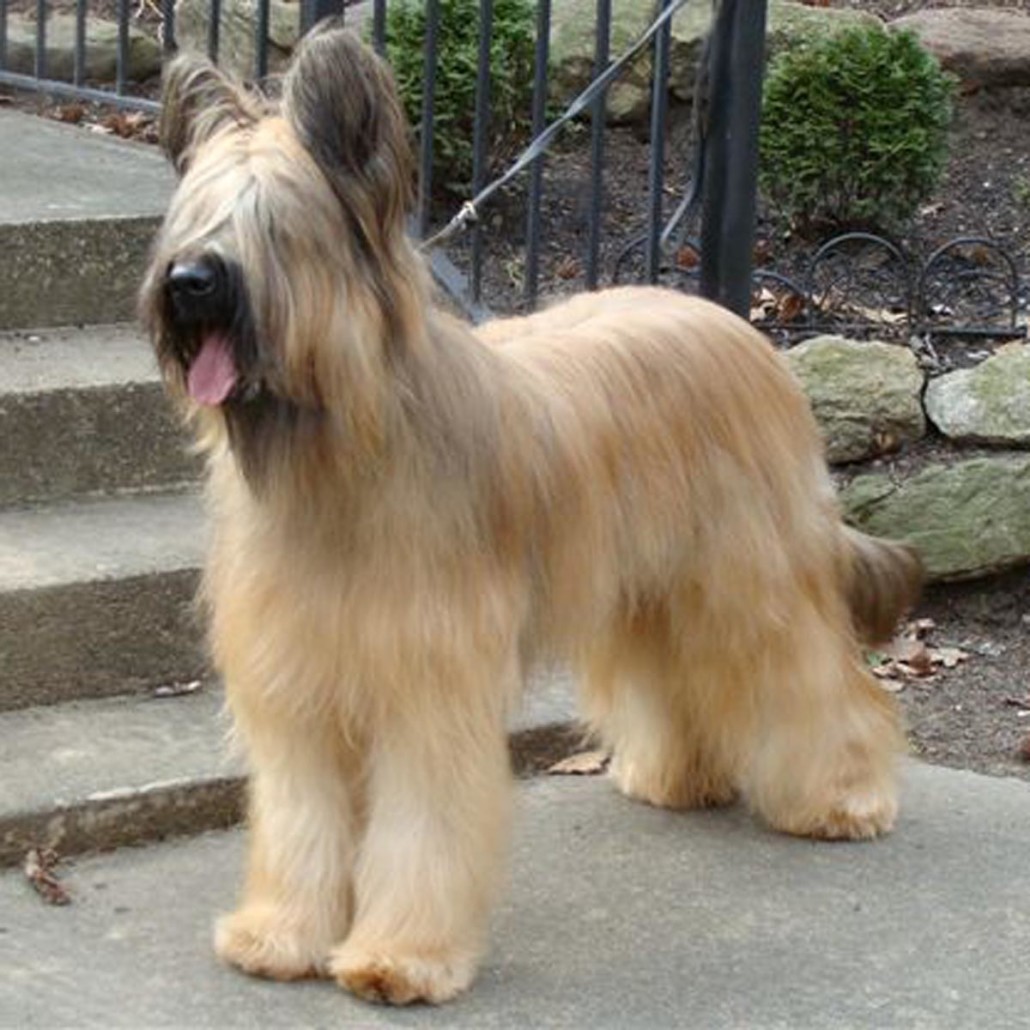
Briards have powerful, square-shaped bodies. These large dogs have a build that is somewhat longer than it is tall though this feature is more noticeable on female dogs than their male contemporaries. Briards have a comely form with a level back. They likewise have wide heads and elongated eyebrows. Their black noses are at the end of their wide muzzles and their teeth should come together in a scissors bite. These dogs often have an inquisitive, albeit self-assured, expression in their wide set dark black or brown eyes. However, the lavish coat of the Briard often covers its eyes.

Ears on this breed should not lie flat upon a dog’s head. They should instead be left alone or cropped. Members of this breed are known for their agility and strength, both of which are common characteristics among herding dogs. Briards can stop quickly and elegantly resume their characteristic gliding pace at a moment’s notice. They have rounded feet of considerable size. Another feature of this breed is the double dewclaws on their hind legs, which can be removed or not as the owner sees fit. These dogs also have feathered tails that form the shape of the letter J and are carried low to the ground.

Size

Males of this breed weigh between 66 and 88 pounds (30 and 40 kilograms) and they stand roughly 24 to 27 inches (61 to 69 centimeters) tall. Female Briards are smaller at 55 to 77 pounds (25 to 35 kilograms) in weight and 23 to 26 inches ( 58 to 65 centimeters) in height.

Coat

The Briard has a double coat that gives them a characteristically shaggy appearance. The outer layer is long, coarse, and somewhat wavy. It reaches a length of 6 inches (16 centimeters) or greater when the dog in question reaches adulthood. The undercoat is soft and clings close to the dogs’ bodies. Members of this breed are available in every hue with the exception of white. Grey, black, and tawny Briards are the most common. Those that have tawny colorations may have the hue lighten at first as they age and then turn back to a darker shade.
Short History

Short History of the Briard

This French breed has been around since at least the 8th century when it was first depicted in artwork. Four hundred years later, the dogs also began to make their appearance in written works. These sheep herding dogs were historically used as a deterrent against wolves and poaching during the High Middle Ages. Other tasks these dogs have performed throughout the years have included delivering messages, hunting game, and carting packages.

Members of this breed first acquired the moniker Briard around the early 19th century and most believe the designation to mean that these dogs came from that province. However, this name may instead refer to a legendary incident in which a dog belonging Aubry de Montdidier saved his child’s life. After the French Revolution, these dogs became useful in herding sheep on small plots of land rather than just simply guarding them.

The Paris dog show of 1863 helped increase the popularity of these dogs. A breed standard appeared as early as 1897 and the French followed suit by starting a breed club ten years later. During the First World War, so many Briards served the French troops on the front lines and were presumably killed in the line of duty that the dog breed almost ceased to exist. Some of these dogs had been imported to the States much earlier by influential men such as Thomas Jefferson and the Marquis de Lafayette, but the breed finally received official American Kennel Club recognition in 1928.

Temperament

Temperament

Briards make great partners for adventurous owners, especially when one takes into account that they keep some of their puppy like traits into their later years. These dogs are affectionate guardians that want to please the members of their human families. Their protective instinct starts coming into play when Briards reach a year old. These dogs are also very loyal and tend to shadow their owners. They may even go so far as to protect their owners’ children from any form of corporal punishment that might be doled out by their parents. However, in keeping with their herding abilities, these dogs also see nothing wrong in nipping at people’s feet while playing with them and have to be cured of this habit before it becomes ingrained. Members of this breed tend to be homebodies as well and prefer their people to stay with them. Briards are generally shy and well behaved around unfamiliar persons, but they can be quite aggressive in their dealings with other canines.

Caring for Your Briard


Health

General Health

Although Briards live about 11 years on average, there are nonetheless some health concerns that dog owners will need to keep in mind. Eye problems are a major problem for this breed. Cataracts, blindness, retinal dystrophy, congenital stationary night blindness, and progressive retinal atrophy have all been known to occur in Briards. As is the case with other sizeable dog breeds, there have also been instances of hip dysplasia and bloat in these dogs. Hypothyroidism and lymphoma are likewise problematic from time to time.
Care

Daily

These dogs need good amounts of human interaction and plentiful exercise every single day. Briards love herding other animals but they are equally happy hiking, jogging, or having lengthy play sessions with their owners.

Weekly

Briards need to be brushed several times a week in order to keep their long coats free of mats.

Monthly

All dogs require flea, heartworm and tick prevention medication once a month in order for the products to be effective.

Grooming & Bathing

Grooming & Bathing

These dogs have coats that are resistant to inclement weather and various types of debris but, all the same, they do need a moderate amount of grooming. Any excessive hair in their ears or on their footpads can be clipped in order to help Briards maintain a tidy appearance. It is also a good idea to keep their teeth brush and their nails trimmed.

Exercise & Training

Exercise & Training

While they are friendly towards members of their human family, Briards are not always welcoming to strangers so they should be introduced to new person on their own level. Early socialization is crucial in helping members of this breed determine what could constitute a threat and what does not. These dogs also have good memories and retain lessons for a long time after they are learned.

Briard Picture Gallery